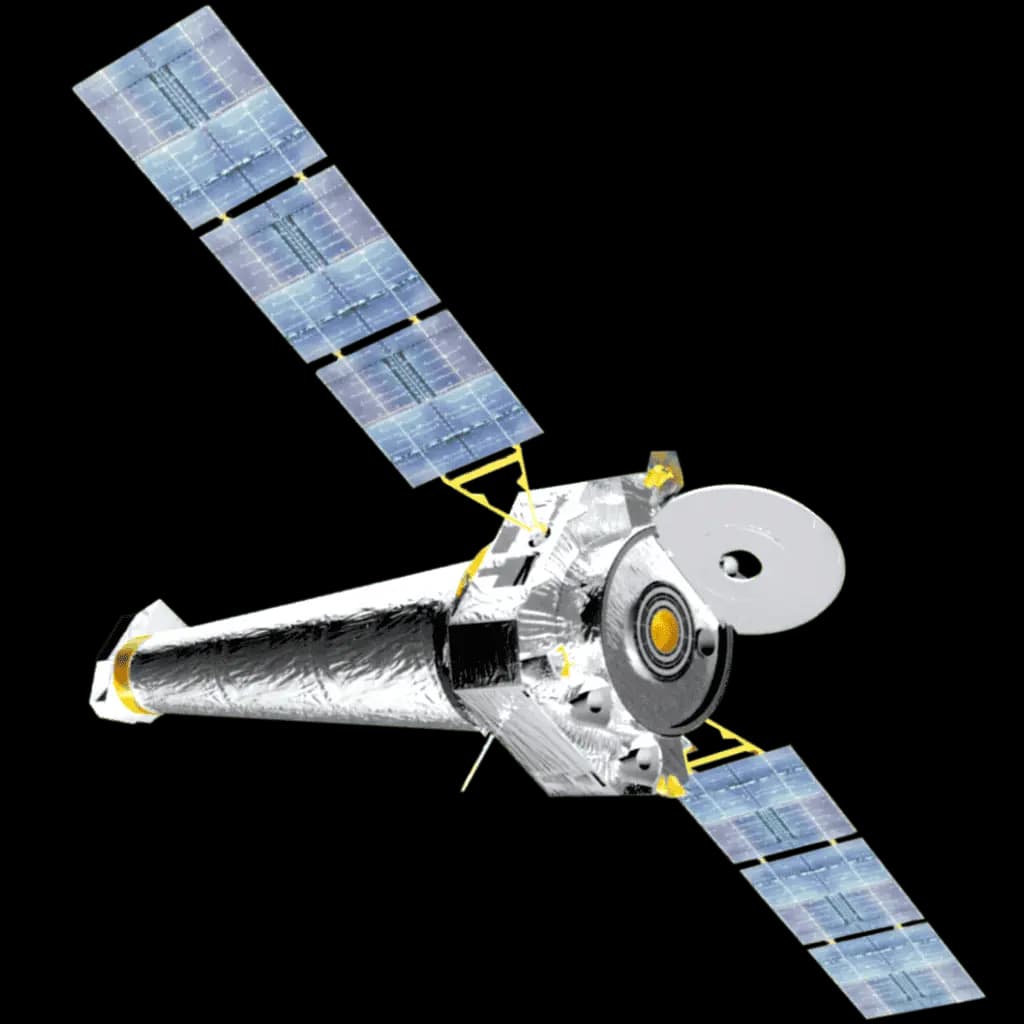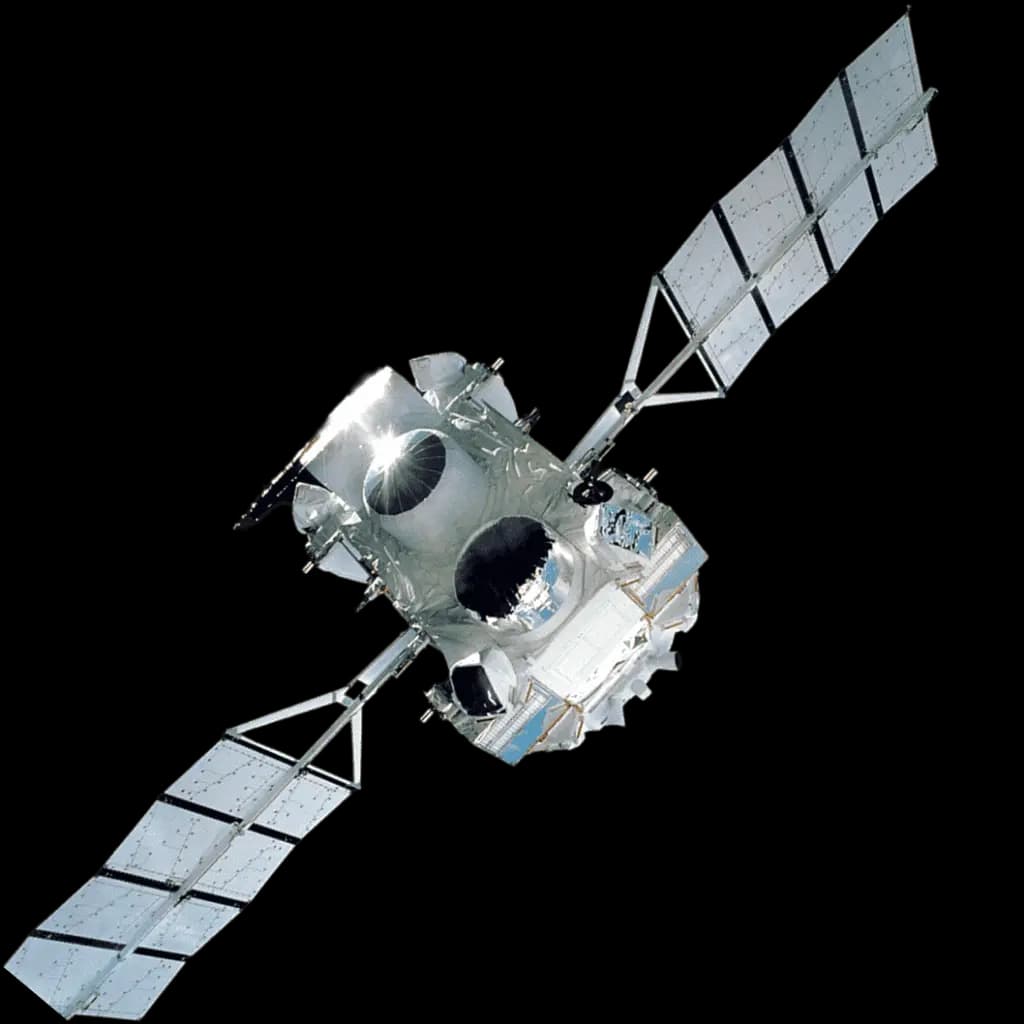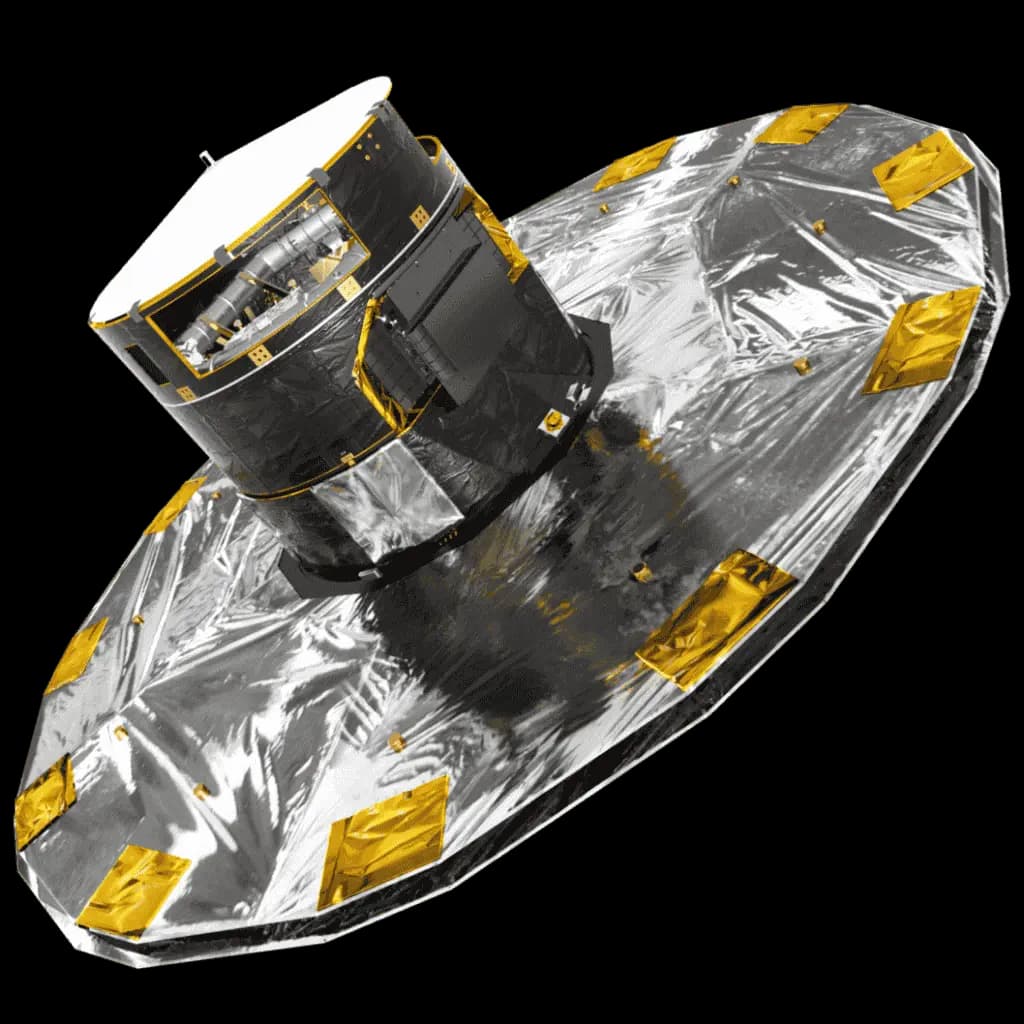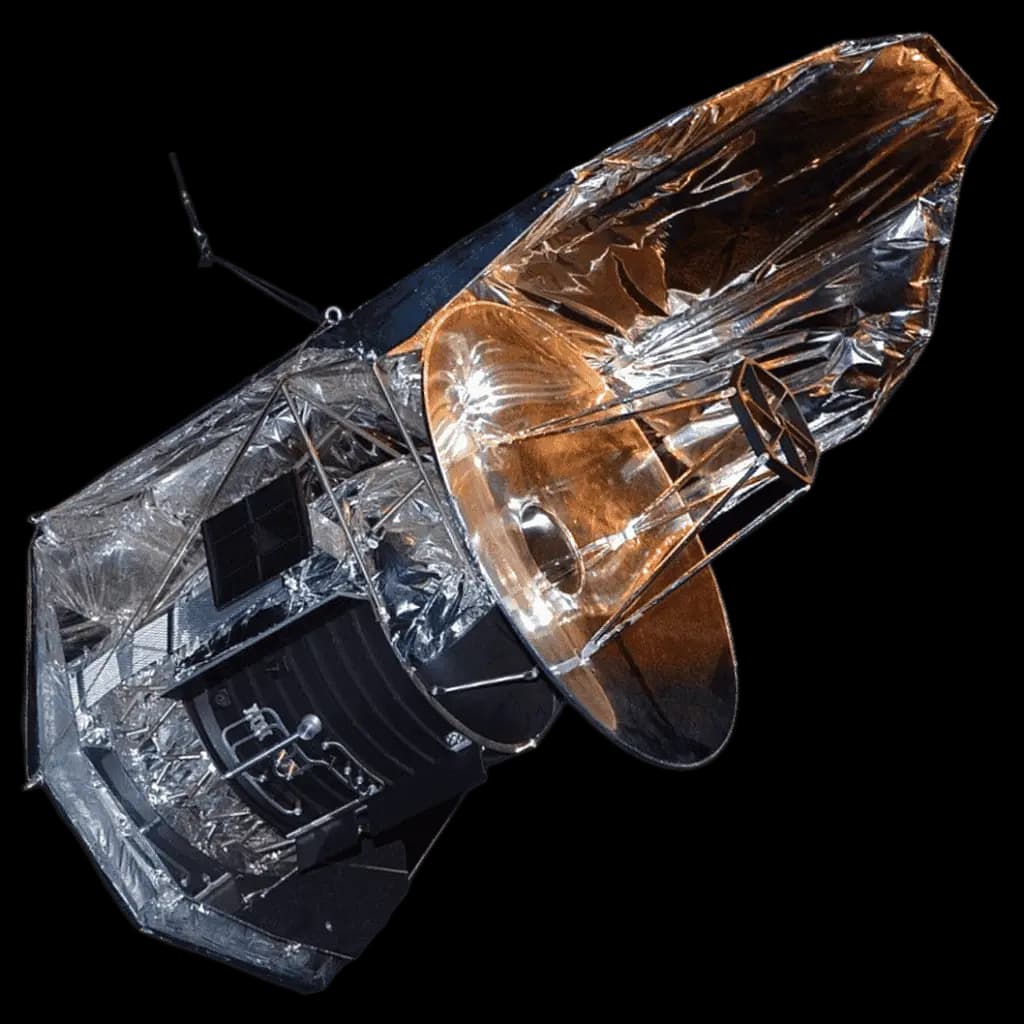
A massive silver door opened in 2026, and humanity peered through it. The launch of the Xuntian Space Telescope (CSST) marked a new era where we don’t just look at stars, we map the entire void. It’s a bold claim from the China Manned Space Agency, yet the early images prove they’ve built something spectacular. This satellite isn’t just a mirror in the dark: it’s a wide-angle lens for the soul of our galaxy. The telescope now defines how we hunt for dark energy in this new decade.
What’s the Xuntian Space Telescope?
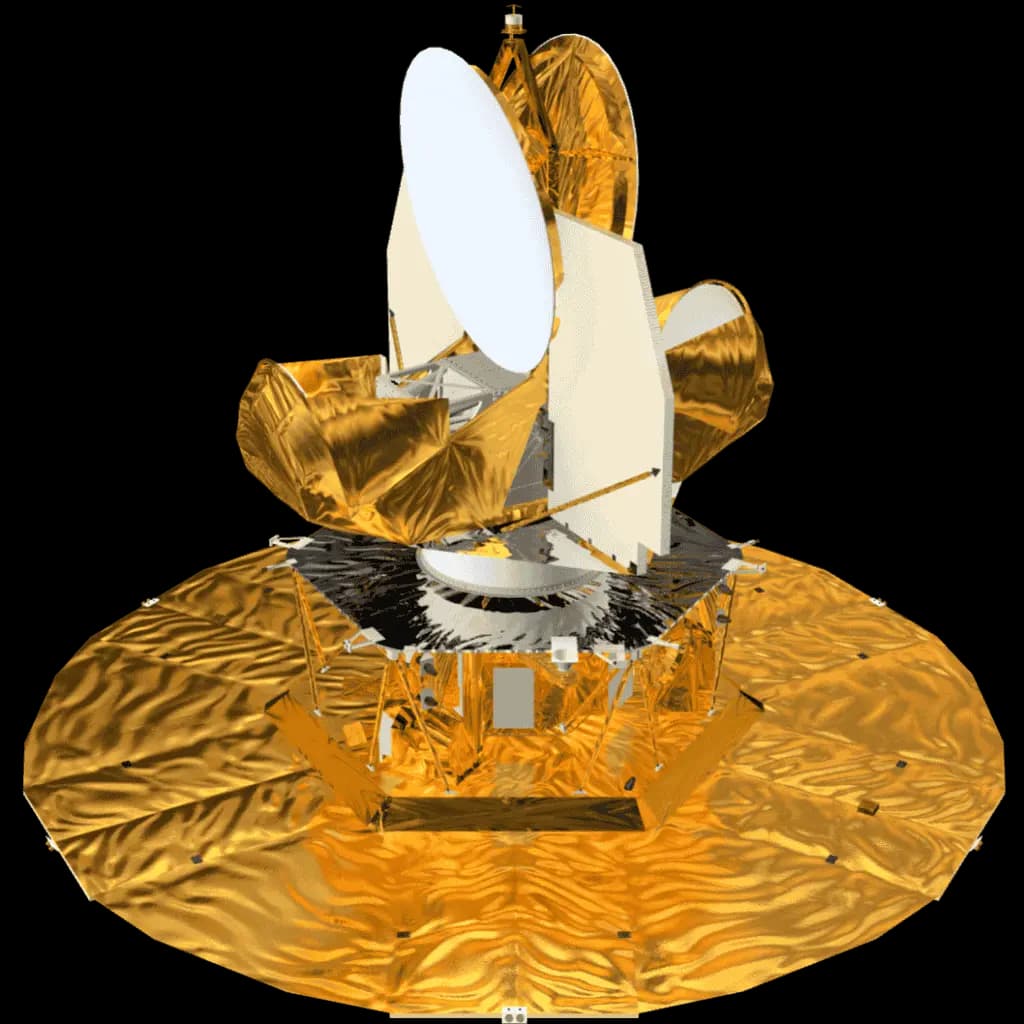
The China Manned Space Agency (CMSA) built this flagship observatory to serve as the primary optical ear for their Tiangong space station. Launched in late 2025 and operational by 2026, it sits in a Low Earth Orbit (LEO) near the station for easy docking and repairs. It’s a 2-meter diameter mirror system designed to survey 40% of the sky over a decade. People often call it the ‘Chinese Hubble,’ but that doesn’t tell the whole story of its unique orbit.
Purpose and Mission Objectives
The primary goal is simple: map the universe in high definition. Engineers built it to hunt for the invisible stuff that holds our reality together.
- Map 17,500 square degrees of the sky.
- Record the shapes and positions of over a billion galaxies.
- Test the properties of dark matter and dark energy.
- Search for exoplanets within the Milky Way.
- Study the evolution of stars and galactic formations.
Key Discoveries of the Xuntian Space Telescope
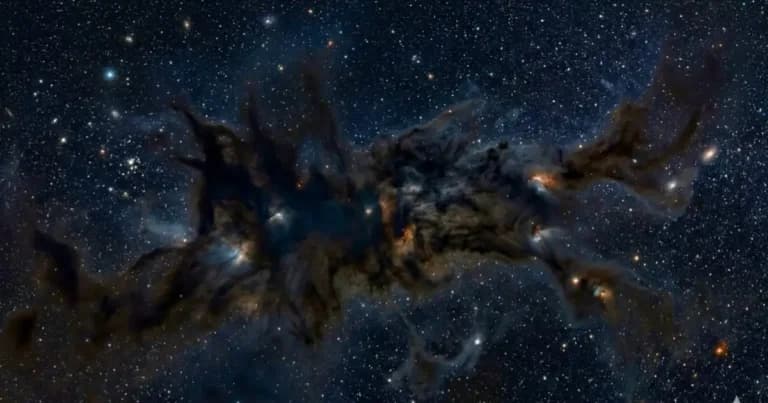
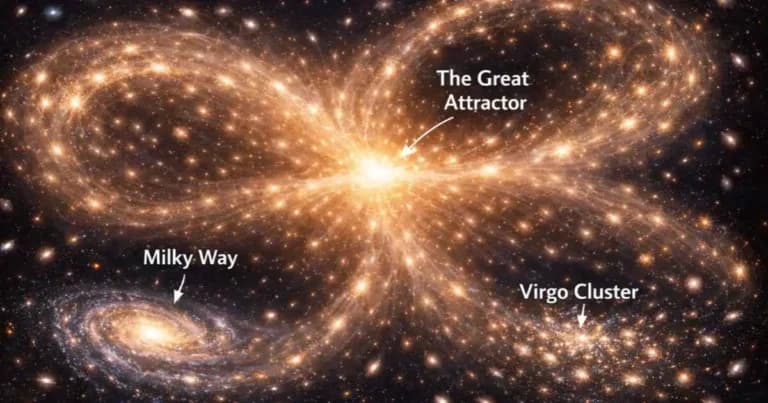
In our early review of the 2026 data stream, we saw something startling. The first deep-field survey captured gravitational lensing events that were previously hidden from Hubble. These events reveal mass clusters in ’empty’ space, providing raw data on how dark matter clumps together. It’s not just a fuzzy blob: we now see the skeleton of the local group of galaxies with terrifying clarity.
Beyond the dark matter, the telescope’s early deep-sky images identified two potential Earth-like planets in the ‘Goldilocks’ zone of nearby M-dwarf stars. Scientists are currently cross-referencing these hits with spectroscopy data from the James Webb. If confirmed, these finders would prove that CSST’s wide-field approach is better for finding neighbors than our previous ‘soda-straw’ views. This data moves us closer to answering if we’re truly alone.
How It Changed Our Understanding
Before this mission, we had to choose between seeing deep and seeing wide. We could either look at one tiny point with great detail or look at the whole sky with poor resolution. Xuntian changed that. It corrected our assumption that high-resolution mapping of 40% of the sky would take fifty years. It did it in months. This speed created a new question: why are galaxies in certain sectors moving faster than our math predicted?
Technology Behind the Xuntian Space Telescope
The heart of the craft is a massive 2.5-billion-pixel camera array. It uses a triplet of mirrors to create a field of view that’s 300 times larger than Hubble. We’ve noted that its ability to dock with the Tiangong station is its best engineering feature. Most satellites die when their fuel runs out or a battery fails. This one gets a human mechanic every few years. That’s a game-changer for longevity.
Challenges and Failures
Getting the optics to survive the vibration of the Long March 5B launch was the biggest hurdle. Early testing in 2024 showed minor alignment drift. Engineers had to redesign the secondary mirror mount at the last minute. While no major failures have occurred since the 2026 activation, managing the massive heat generated by the huge camera sensor remains a daily task for ground control.
Longevity and Current Status
The telescope is currently active and healthy. It orbits just a few kilometers away from the Tiangong space station. This proximity allows it to fly over and dock for refueling or sensor upgrades. Because of this ‘serviceable’ design, the mission should last well into the late 2030s. It’s the only large-scale telescope currently that treats the vacuum of space like a repair shop.
Legacy and Future Impact
Xuntian paved the way for more collaborative international surveys. Recent papers in Nature suggest that its data will be the ‘Gold Standard’ for galactic maps for the next twenty years. It has forced other space agencies to rethink ‘sealed’ telescope designs. Future missions will likely follow this modular, dockable path. It’s a shift from disposable tech to sustainable orbital infrastructure.
Impact on Science and Humanity
This mission moved space from a niche hobby for billionaires into a public data goldmine. The cultural impact is massive in Asia, sparking a new generation of astrophysicists. It hasn’t just found stars: it’s found a way to make the mystery of the universe accessible to everyone with an internet connection. Public education tools now use Xuntian’s ‘sky-panoramas’ to teach kids how gravity works in real-time.
FAQs About Xuntian Space Telescope
-
How big is the Xuntian Space Telescope?
It features a 2-meter primary mirror. While slightly smaller than Hubble’s 2.4-meter mirror, its field of view is about 300 times larger. This lets it capture much more of the sky in a single image. It weighs roughly 15.5 tons.
-
When did Xuntian launch?
The mission was scheduled for late 2025 and reached its operational orbit by early 2026. It launched on a Long March 5B rocket from the Wenchang facility. At the same time, it now stays close to the Tiangong space station.
-
Can it see farther than James Webb?
No. It sees differently. James Webb looks deep into the infrared to see the first stars. Xuntian looks primarily in visible and ultraviolet light. It’s built for wide surveys rather than looking at a single, distant point.
-
Why does it stay near the space station?
Serviceability is the reason. If a sensor breaks, taikonauts can dock the telescope to the station and fix it. This adds years to its life. It saves billions of dollars by avoiding a total loss mission if a minor part fails.
-
Will the data be shared with the world?
The China Manned Space Agency plans to release much of the survey data to the global scientific community. Several international research centers have already signed up to analyze the massive 2.5-billion-pixel images for dark matter research.
Final Thoughts
The Xuntian Space Telescope represents more than just metal and glass in orbit. It’s a shift in how we treat our tools in the stars. By building a telescope that breathes and lives alongside a manned station, we’ve stopped building monuments and started building workshops. The 2026 data is just the beginning of a long story. We don’t know what’s out there yet, but we finally have a wide enough lens to find it. Stay curious: the sky is getting much bigger.