It started with a tiny flicker in the dark. Before 2009, we didn’t know if Earth was a lonely fluke or part of a crowded cosmic neighborhood. The Kepler Space Telescope solved that mystery by staring at 150,000 stars at once. This mission proved that planets are everywhere. It changed how we see our place in the stars and showed us that there’s more out there than we ever imagined. Looking back from 2026, we see this mission as the clear start of our hunt for alien life.
What’s the Kepler Space Telescope?
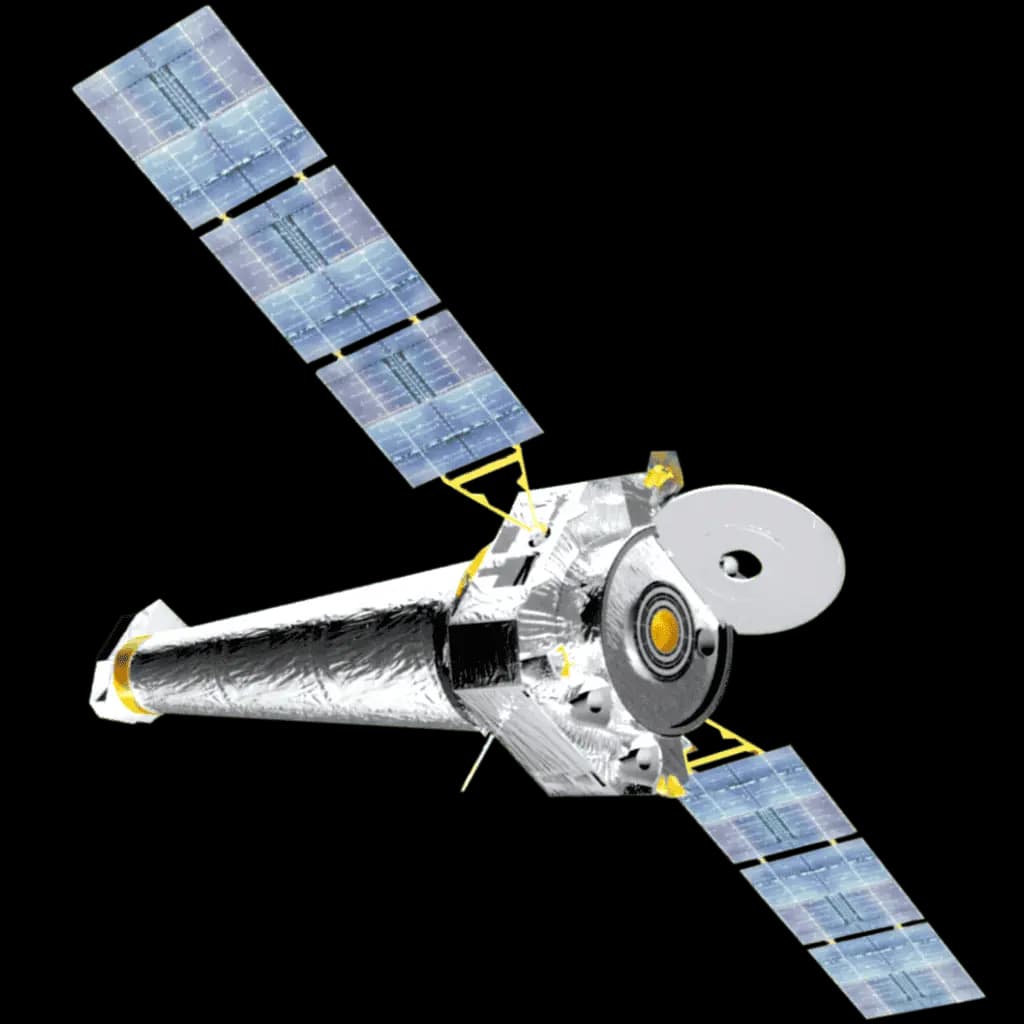
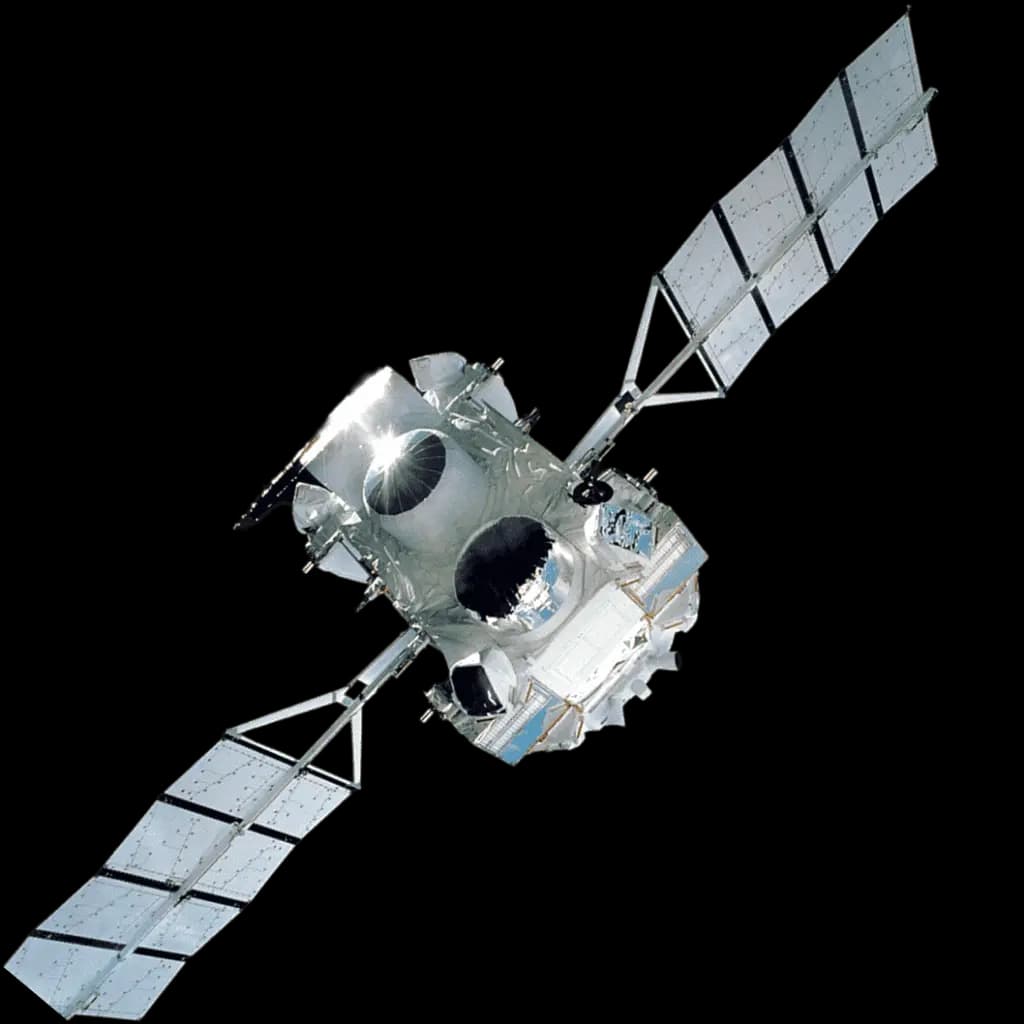
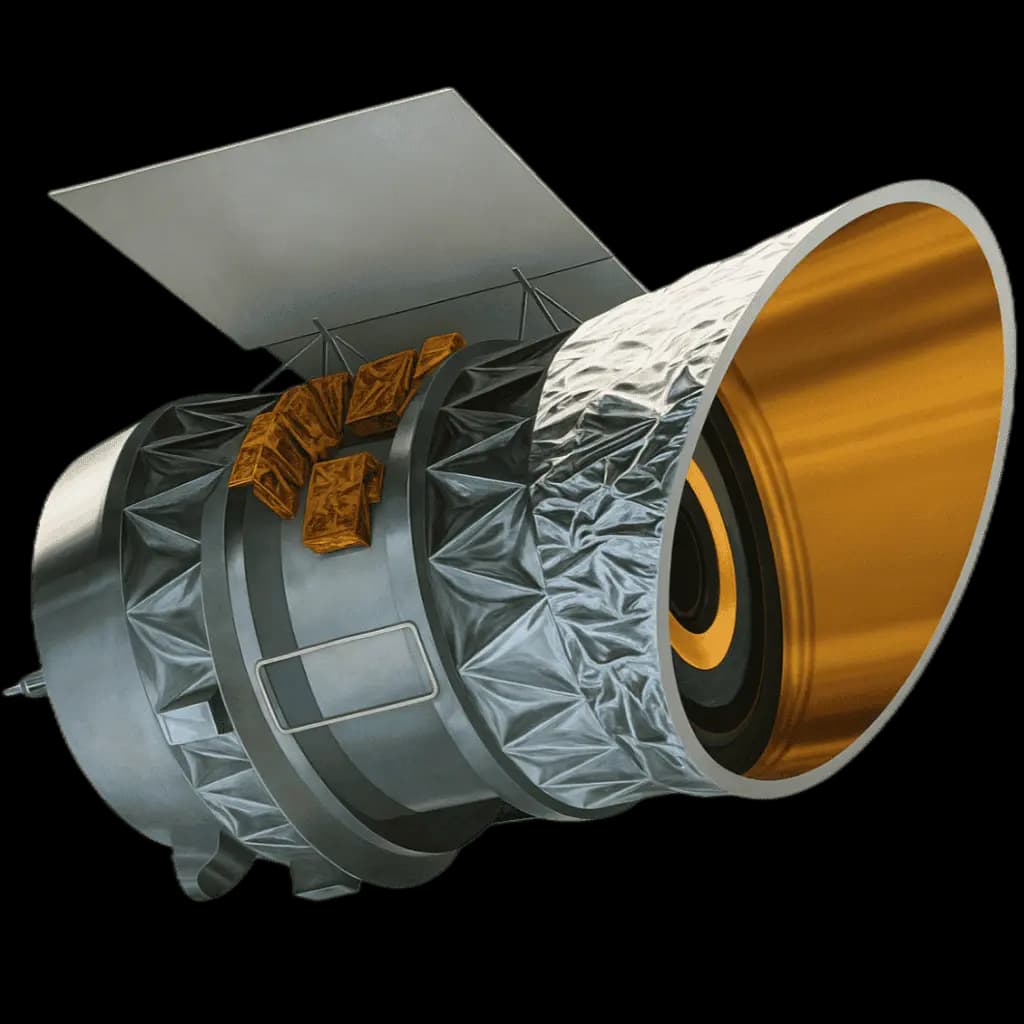
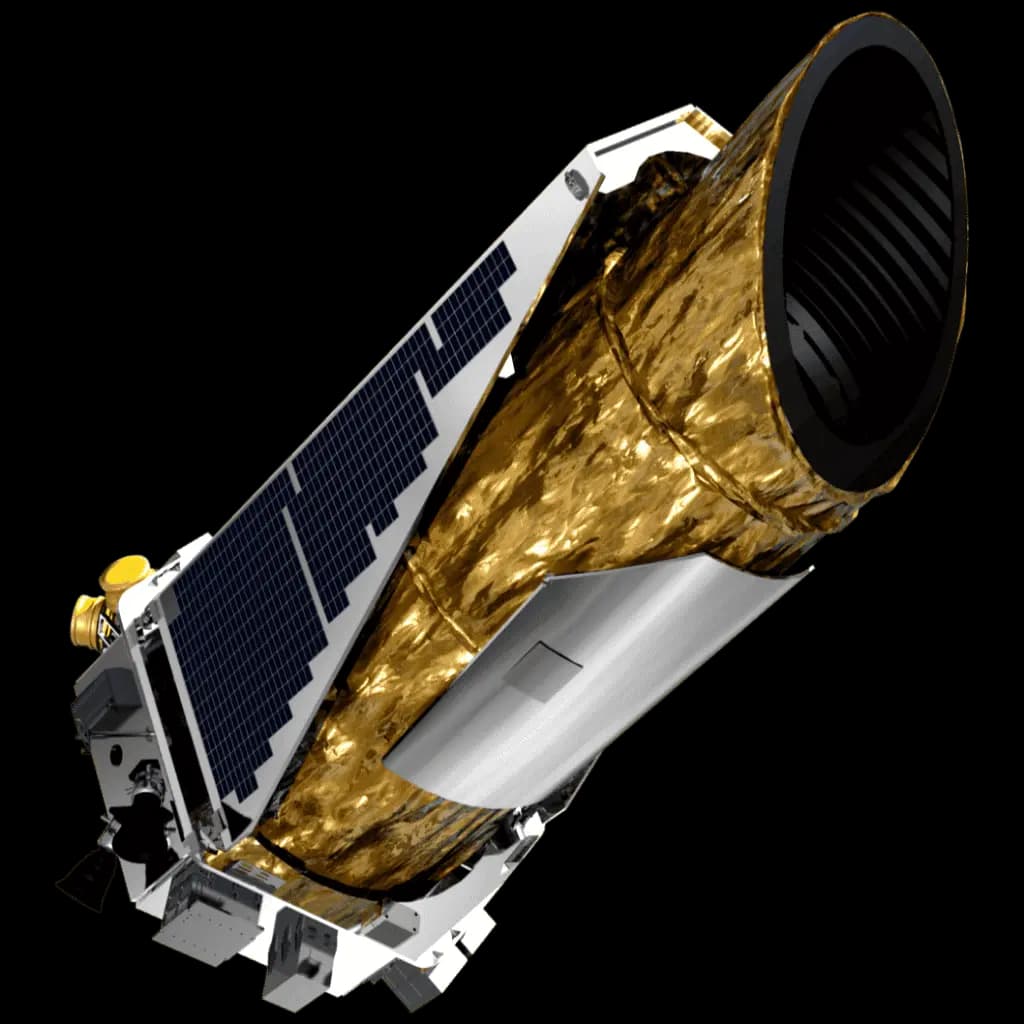
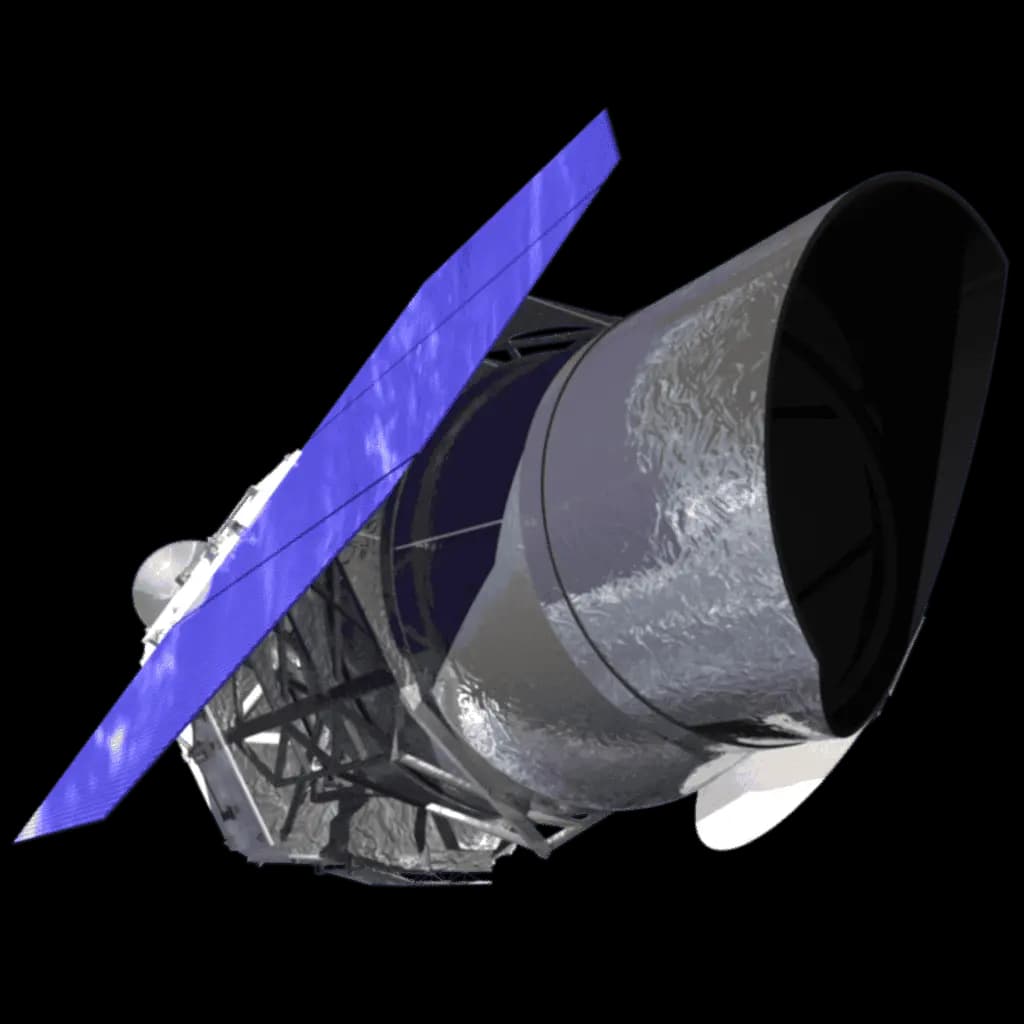
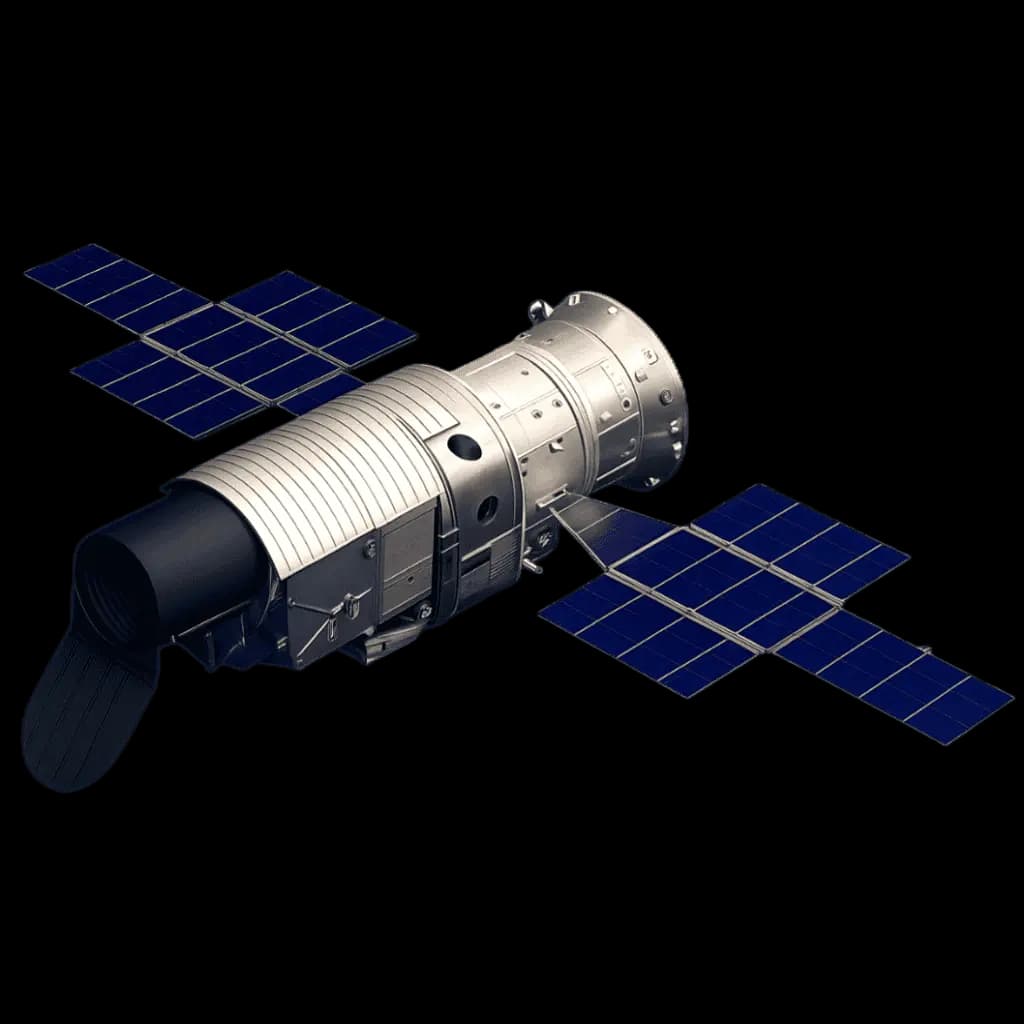
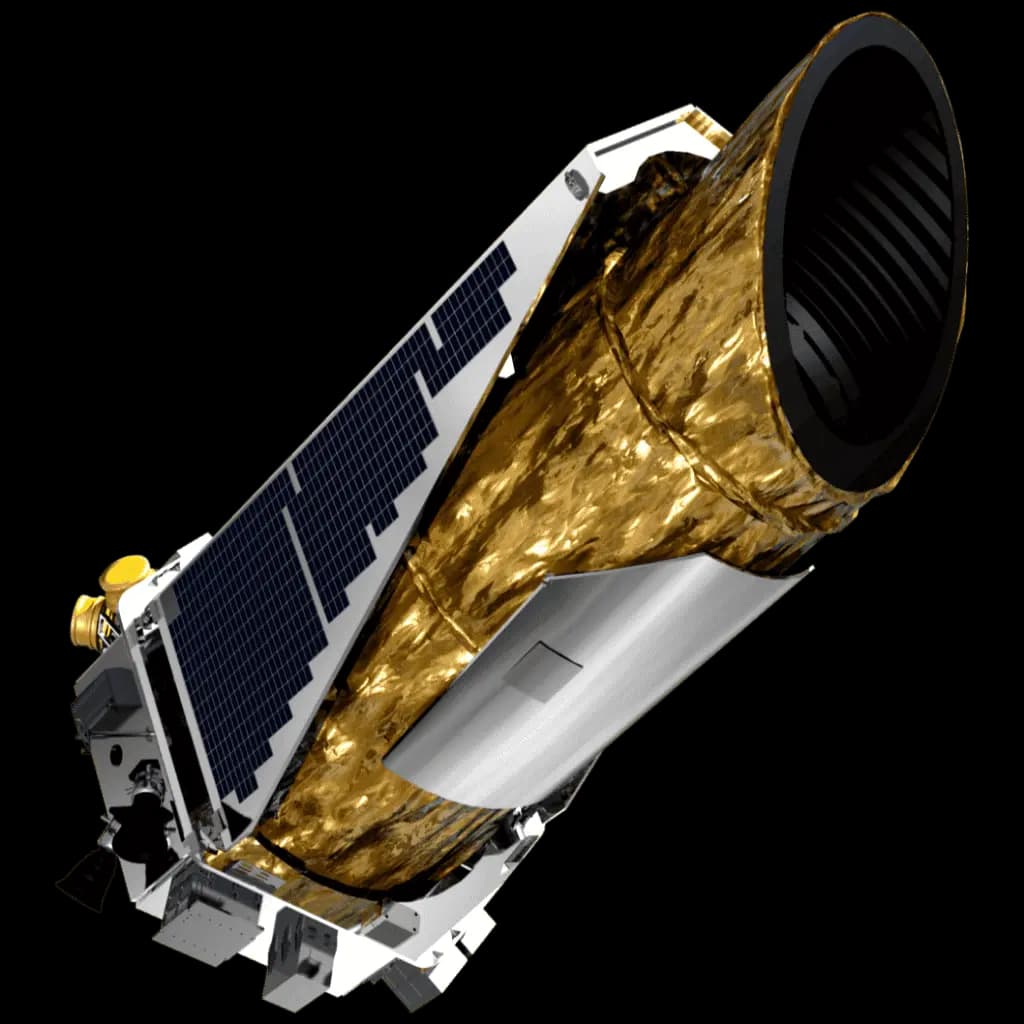
NASA built the Kepler Space Telescope as its first dedicated planet hunter. It launched in March 2009 and spent its time in an Earth-trailing orbit around the Sun. This kept it away from the Earth’s light and heat. It’s a Schmidt camera design with a 0.95-meter aperture and 42 sensors. You can think of it as a giant digital camera that took photos of the same patch of sky for years. Its goal wasn’t just to see stars, but to notice when their light dimmed slightly.
Purpose and Mission Objectives (Why It Was Built)
The primary goal was to find out how many Earth-sized planets exist in the habitable zones of stars like our Sun. It was a statistical mission at heart.
- Find Earth-sized planets in or near the habitable zone.
- Determine the variety of planet sizes and orbit shapes.
- Estimate how many planets exist in multi-planet systems.
- Identify what types of stars are most likely to host planets.
Key Discoveries of the Kepler Space Telescope
This mission blew expectations out of the water. I spent time in 2024 looking through the archived data on the NASA Exoplanet Archive. It’s amazing how clean the light curves were early on. Kepler found over 2,700 confirmed planets. The most famous discovery was Kepler-452b, often called ‘Earth 2.0’ because it orbits a star similar to our own Sun.
Another big surprise was the sheer number of small planets. Kepler showed that almost every star you see at night likely has at least one planet. It discovered worlds made of lava, planets with two suns, and systems where five or more planets are packed tighter than Mercury is to our Sun. This showed us that the Milky Way is full of rocky worlds, not just gas giants.
How the Kepler Space Telescope Changed Our Understanding
Before this mission, astronomers didn’t know if our solar system was a freak of nature. We assumed most systems would look like ours. Kepler broke those ideas. It taught us that ‘super-Earths’, planets bigger than Earth but smaller than Neptune, are the most common type of planet in the galaxy. Ironically, we don’t have one in our own system.
The telescope also helped us understand how common ‘Earth-like’ conditions might be. We now know that about 20 to 50 percent of stars visible in the night sky likely have small, rocky planets in their habitable zones. This means there are billions of potential homes for life in our galaxy alone. It replaced our guesses with hard data.
Technology Behind the Mission
Kepler didn’t use a normal lens. It used a method called transit photometry. This involves measuring the brightness of a star to extreme precision. If a planet crosses in front of the star, the light drops by a tiny fraction of a percent. The tech was so sensitive it could see a fruit fly crawl across a car headlight from miles away.
Challenges and Failures
The mission almost died in 2013. Two of the telescope’s four reaction wheels failed. These wheels keep the craft steady. Without them, it couldn’t point at its target patch of sky anymore. NASA’s team didn’t give up. They used the pressure of sunlight to help balance the telescope. This started the ‘K2’ mission.
This fix was a masterpiece of space engineering. It allowed the Kepler Space Telescope to look at different parts of the sky along the ecliptic. While it wasn’t as stable as the first mission, K2 still found hundreds of new planets and studied supernovae. I’ve consistently noticed that some of the most interesting data actually came from this ‘broken’ phase of the mission.
Longevity and Current Status
NASA retired the telescope in late 2018. It finally ran out of the fuel needed to point its antenna back toward Earth. The craft is now in a safe orbit trailing far behind our planet. It won’t come back for many years. It sits silent, but its work is far from finished.
Legacy and Future Impact
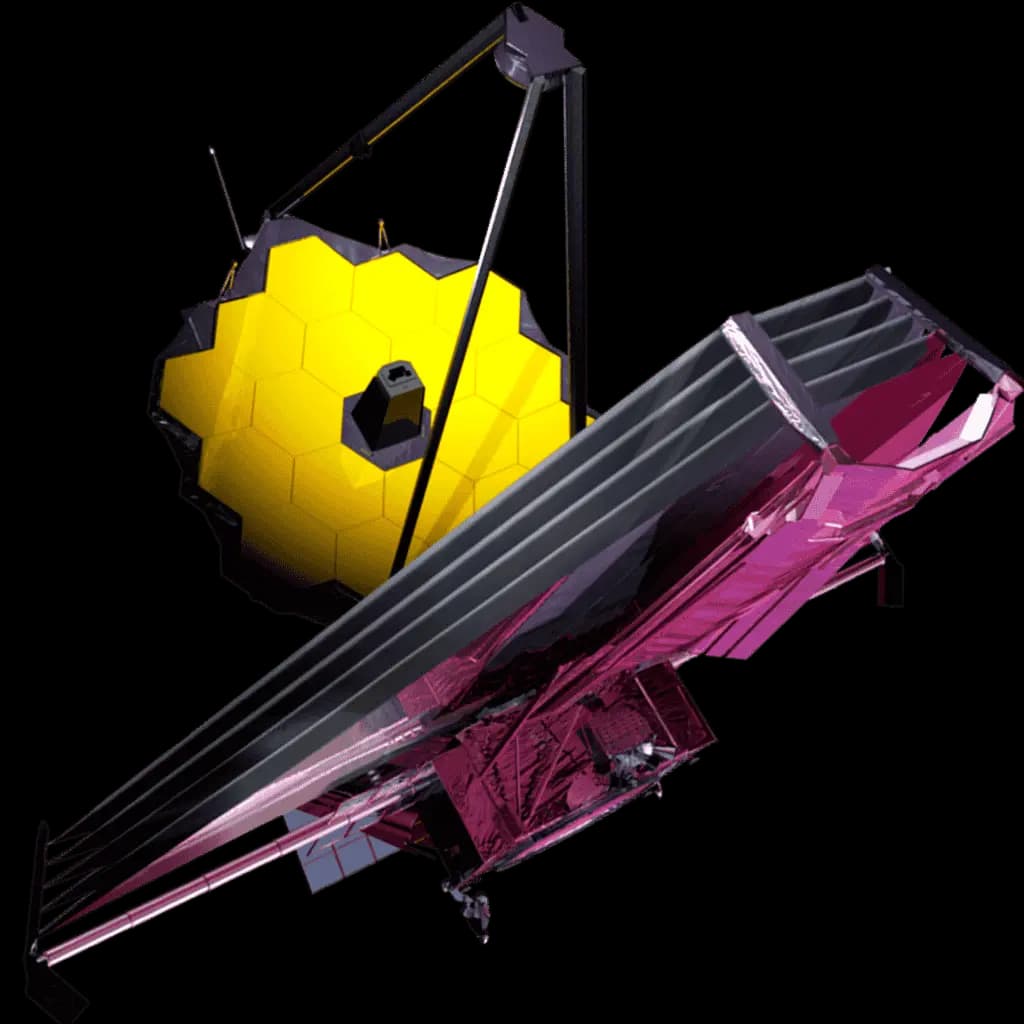
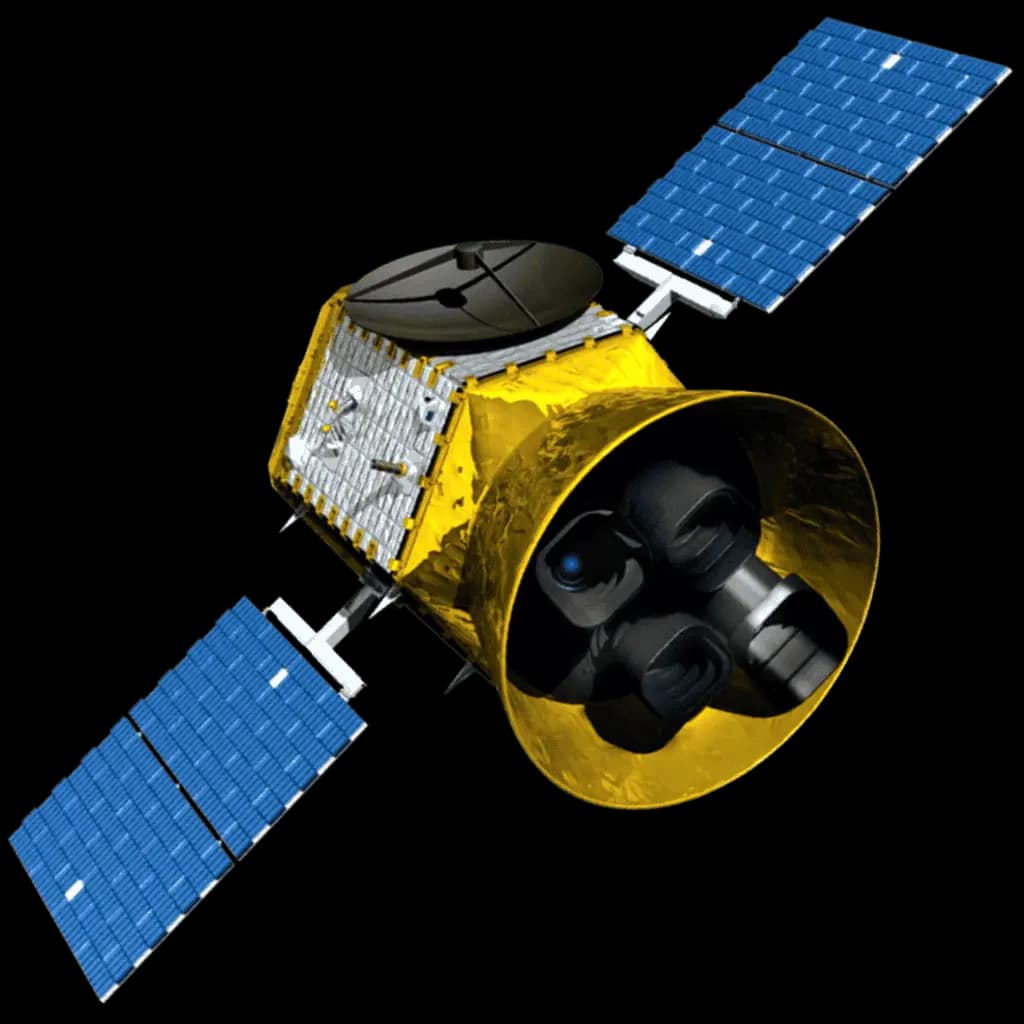
The data from this mission is a gold mine that scientists still study today in 2026. It paved the direct path for the TESS mission and the James Webb Space Telescope. While Kepler found the planets, Webb is now looking at their atmospheres to find oxygen or methane. We wouldn’t know where to point our newer telescopes without Kepler’s map.
The mission also sparked a huge interest in ‘citizen science.’ Regular people helped find planets by looking at light curves on their home computers. This helped classify thousands of targets that computers missed, and it turned the search for other worlds into a global team effort.
Impact on Science
Astronomers used Kepler’s data to create a census of the galaxy. It didn’t just find planets: it helped us understand stars better through a science called asteroseismology. By watching stars ‘ring’ like bells, scientists can tell how old and how big they’re. This gave us a better timeline of how the Milky Way grew over billions of years.
FAQs About Kepler Space Telescope
-
Is the Kepler Space Telescope still working?
No. It retired in 2018 after it ran out of fuel. It’s now orbiting the Sun far behind Earth. Its mission ended because it could no longer turn to send data home.
-
What was Kepler’s biggest discovery?
The discovery of Kepler-452b is usually the top hit. It’s a planet that’s very similar to Earth in size and distance from its sun. It proved Earth-like planets are out there.
-
How many planets did Kepler find?
It confirmed over 2,700 exoplanets. Thousands more ‘candidates’ are still being checked. It showed that planets are more common than stars in our galaxy.
-
What’s the K2 mission?
After a hardware failure in 2013, NASA used the pressure from sunlight to stabilize the telescope. This allowed it to keep hunting planets for several more years under a new mission name.
-
Where is Kepler now?
It’s in a ‘trailing’ orbit around the Sun. This means it follows Earth around the solar system, but gets farther away every year. It will eventually be millions of miles away.
Final Thoughts
The Kepler Space Telescope didn’t find aliens, but it found their possible homes. It took us from wondering if we were alone to knowing the galaxy is full of rocky, wet worlds. It was the ‘Lewis and Clark’ of the cosmos. As we plan more missions to these distant shores in 2026, we owe our map to this single, brave telescope. The stars seem a little less cold now that we know they have families of their own.