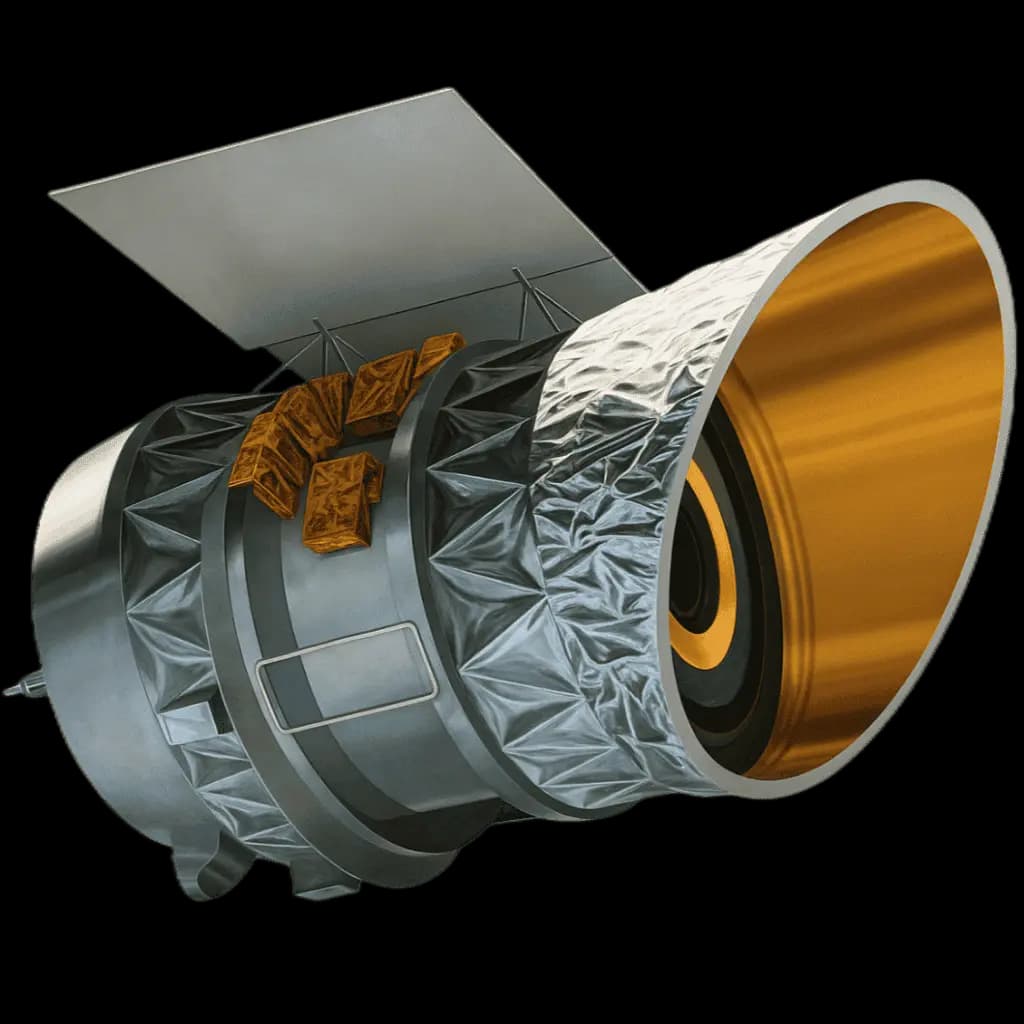
On a chilly night in January 1983, a rocket tore through the California fog, carrying a machine that would forever change our sight. The Infrared Astronomical Satellite, or IRAS, wasn’t looking for the light your eyes see: it was hunting for the warmth of the stars. It promised to reveal a universe previously hidden by thick clouds of cosmic soot. Today, in 2026, we look back at IRAS as the father of modern infrared astronomy. We’ve spent decades building on its foundation, from the Spitzer Space Telescope to the heavy-hitting James Webb.
What’s the Infrared Astronomical Satellite?
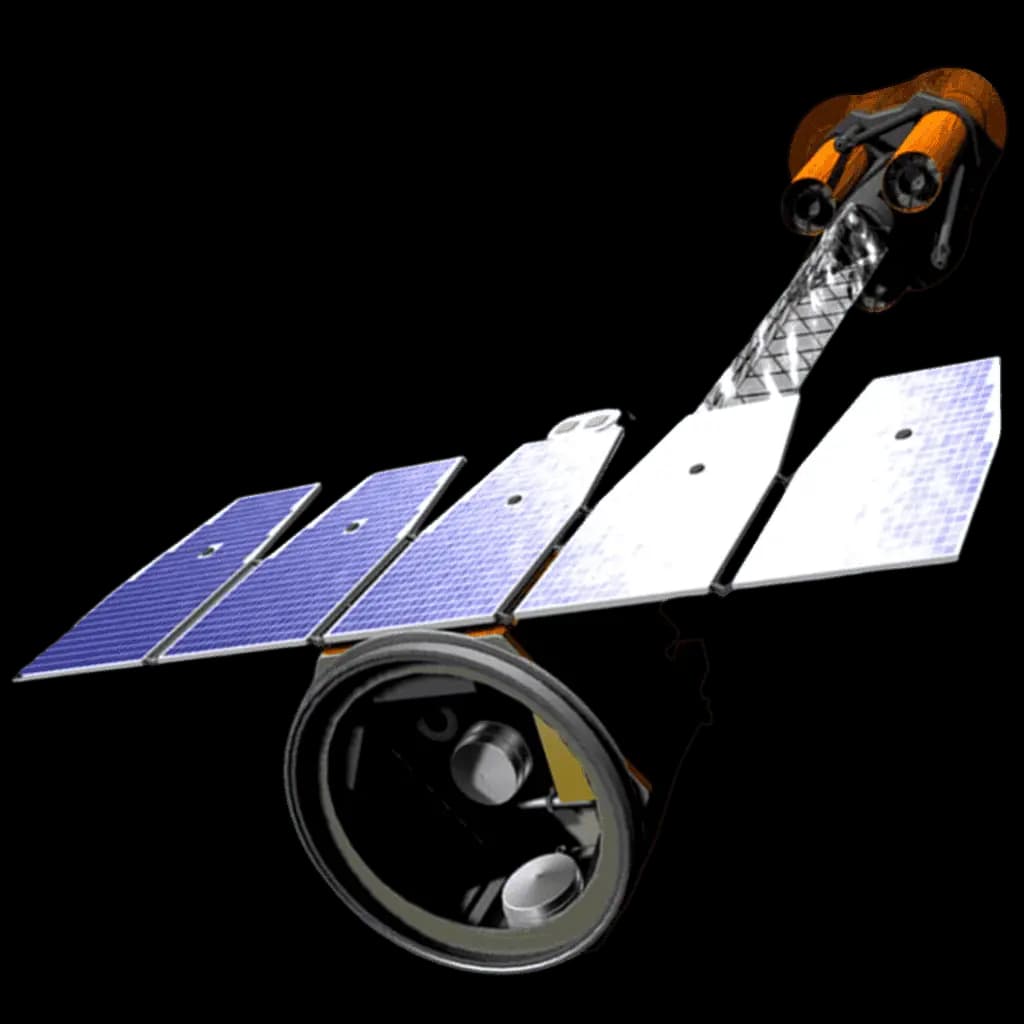
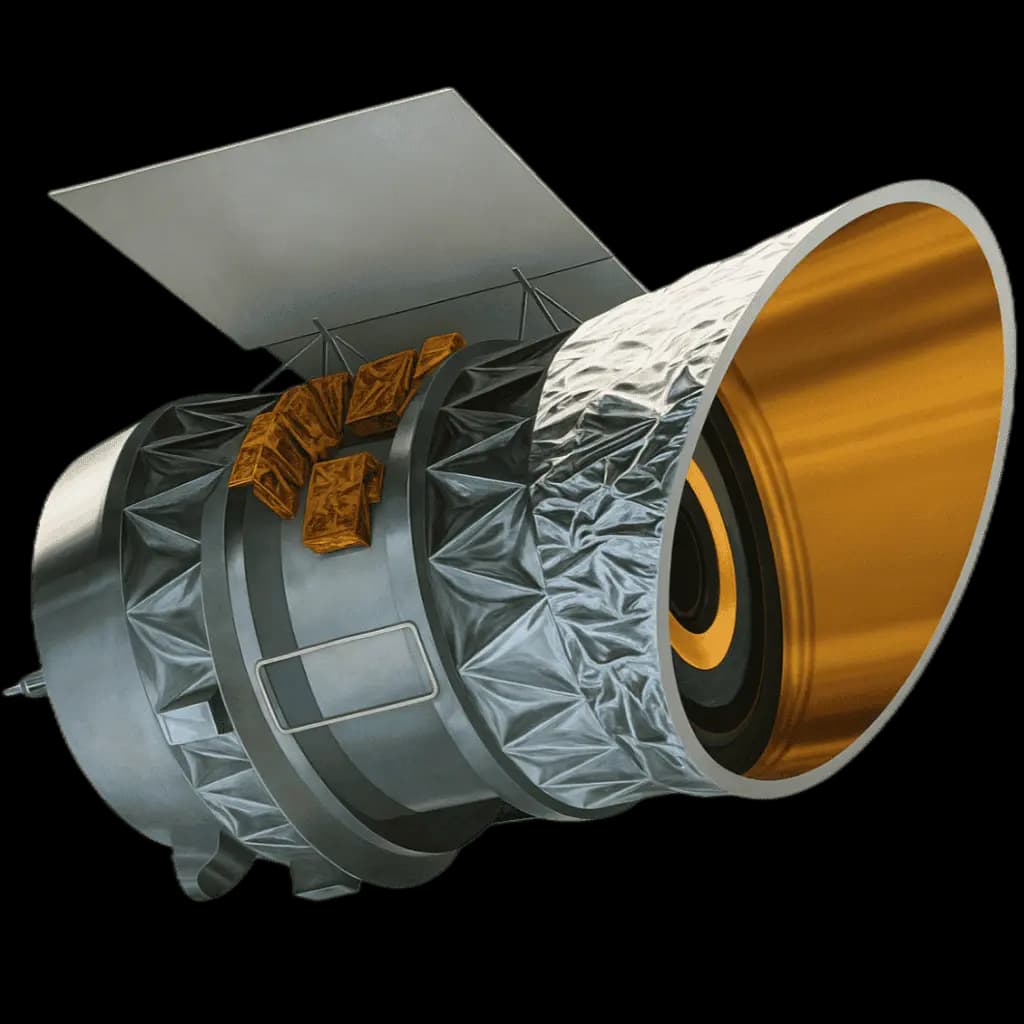
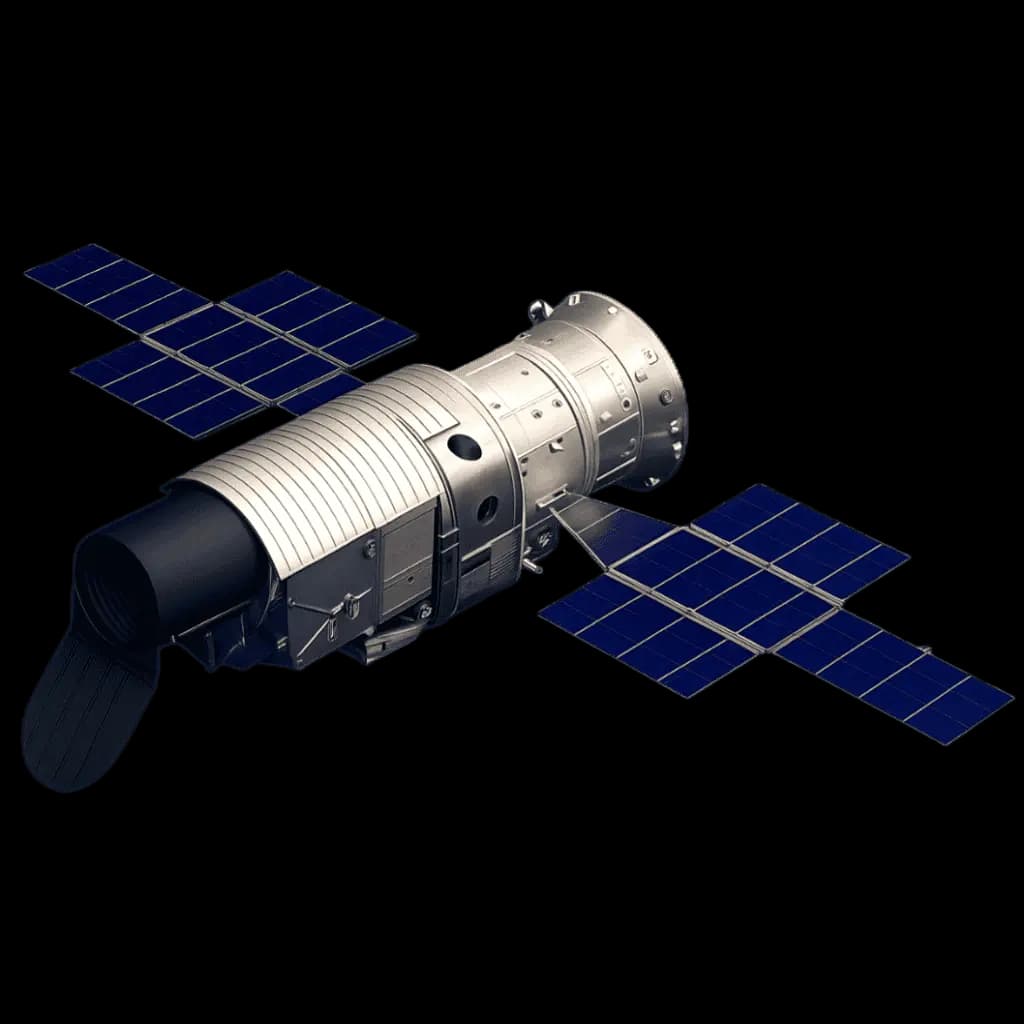
The Infrared Astronomical Satellite represents the first serious attempt to scan the entire sky in the infrared spectrum from orbit. It was a high-stakes partnership between NASA, the Netherlands Agency for Aerospace Programmes (NIVR), and the United Kingdom’s Science and Engineering Research Council (SERC). They launched it on January 25, 1983, into a Sun-synchronous Earth orbit. This 60-centimeter telescope was a flying thermos bottle, sitting in Low Earth Orbit (LEO) while shielding its sensitive electronics from our planet’s heat.
Purpose and Mission Objectives
The team had one primary goal: make a map. We didn’t have a full picture of the ‘invisible’ universe, so IRAS was built to fill those blanks.
- Perform the first all-sky survey at 12, 25, 60, and 100 micrometer wavelengths.
- Identify ‘cool’ objects that don’t glow in visible light.
- Find protoplanetary disks around other stars.
- Study the star-forming regions within our own Milky Way galaxy.
- Record the position and brightness of infrared-emitting galaxies.
Key Discoveries and the Infrared Astronomical Satellite
The Infrared Astronomical Satellite turned up data that shocked the community almost immediately, and one of its most famous finds was the debris disk around the star Vega. We saw that Vega was surrounded by a shell of dust, suggesting that planets were forming or had already formed there. It’s why we today consider Vega a primary candidate for studying alien solar systems. I’ve often compared these old IRAS readings to our 2026 high-resolution imaging, and it’s wild how accurate those 1980s sensors actually were.
Another major breakthrough was the discovery of Ultra-Luminous Infrared Galaxies (ULIRGs). These galaxies pump out more heat than a trillion suns, yet they’re almost invisible to normal telescopes. Scientists realized these spots were often the result of two galaxies crashing into each other. This collision triggers a massive burst of star formation, shrouded in dust that catches the starlight and glows in the infrared. IRAS also found six new comets, including IRAS-Araki-Alcock, which gave us the closest look at a comet in over 200 years.
How It Changed Our Understanding
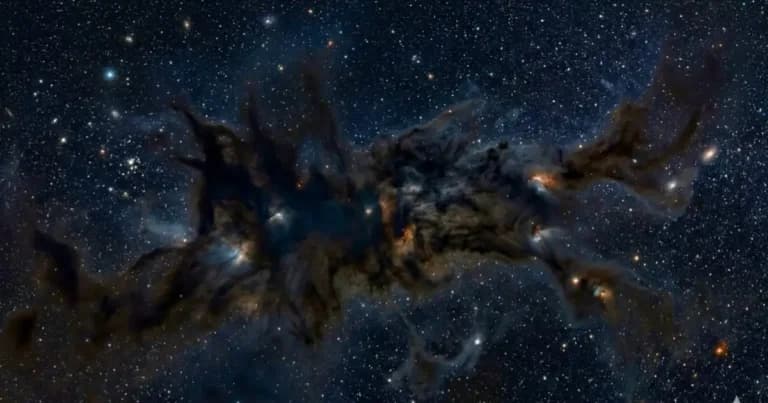
Before the Infrared Astronomical Satellite, we thought space between the stars was mostly empty and cold. After IRAS, we realized the Milky Way is filled with ‘infrared cirrus, and ‘ These are wispy, cold clouds of dust that blanket the galaxy. It corrected the myth that star formation was a rare, clear event. Instead, we learned that most stars are born in dense, dark nurseries that stay hidden unless you’ve got heat-sensing eyes.
Technology Behind the Infrared Astronomical Satellite
Engineering a telescope that detects heat is a nightmare because the telescope itself is hot. If the sensors aren’t freezing, the machine ‘blinds’ itself. NASA used a 520-liter tank of liquid helium to keep the detectors at nearly absolute zero (-455 degrees Fahrenheit). The telescope used a Ritchey-Chretien design, paired with 62 detectors made from doped silicon and germanium. These chips were some of the most advanced pieces of hardware in the early eighties.
Challenges and Failures
Keeping liquid helium in space is a race against time. The biggest challenge wasn’t a software bug or a broken mirror: it was the ticking clock of the coolant. Engineers couldn’t refill the tank once it launched. They also had to deal with the Earth’s ‘glare.’ If the telescope pointed too close to the Earth or the Sun, the heat would instantly swamp the sensors and ruin the data. Constant adjustments kept the lens shaded while it spun around our world.
Longevity and Current Status
The mission was brief but intense. But the Infrared Astronomical Satellite functioned for 10 months until its liquid helium finally ran out on November 21, 1983. Once the coolant evaporated, the telescope became too warm to see anything. It’s still in orbit today, a silent relic circling the Earth. Even though the hardware is dead, the 2026 research community still relies on the IRAS Sky Survey catalog for historical baseline data.
Legacy of the Infrared Astronomical Satellite
IRAS wasn’t a one-off mission: it was a proof of concept for everything that followed. Every major infrared project, including ISO, Spitzer, and even the mid-infrared instrument (MIRI) on the Webb telescope, uses the IRAS map as a guide. It’s the reason we knew where to point our newer, more expensive cameras. If IRAS hadn’t paved the way, we’d still be guessing where the dust-shrouded star factories are located.
Impact on Science and Humanity
This mission brought astronomy into the public eye in a new way, and it humanized space by showing us the ‘warmth’ of the cosmos. For science, it provided a massive catalog of 250,000 sources, which acts like a phone book for the universe. Cultural interest peaked as people realized we could find ‘hidden’ planets and solar systems. It turned space from a dark void into a crowded, dusty, and lively neighborhood.
FAQs About Infrared Astronomical Satellite
-
What was the most important discovery of the Infrared Astronomical Satellite?
The debris disk around the star Vega was a massive win. It proved that dusty shells, which are signs of planet formation, exist around other stars. This discovery launched the modern hunt for exoplanets.
-
Is IRAS still in space?
Yes, it remains in a polar orbit around Earth. It’s inactive now because the coolant ran out decades ago, but it hasn’t fallen back into the atmosphere yet.
-
How did IRAS stay cool enough to work?
It carried 520 liters of liquid helium. This kept its internal temperature near absolute zero. Without this cooling, the telescope’s own heat would have prevented it from seeing faint cosmic heat signatures.
-
Why was the IRAS mission so short?
The mission was limited by its ‘fuel,’ which was the liquid helium. Once the helium boiled away after ten months, the sensors became too hot to function, ending the data collection.
-
Who collaborated on the IRAS project?
It was an international effort. NASA provided the launch and some parts, the Netherlands built the spacecraft and some sensors, and the UK managed the ground control and data operations.
Final Thoughts
The Infrared Astronomical Satellite remains a masterclass in efficiency. It saw more in 300 days than we had seen in 300 years. As we look at the striking images from our newest satellites in 2026, it’s good to remember the little ‘thermos bottle’ that first turned on the lights in the dark. It reminds us that there’s always more to see if you’re willing to change your perspective and look at the heat. Never stop wondering what else is lurking in the shadows.