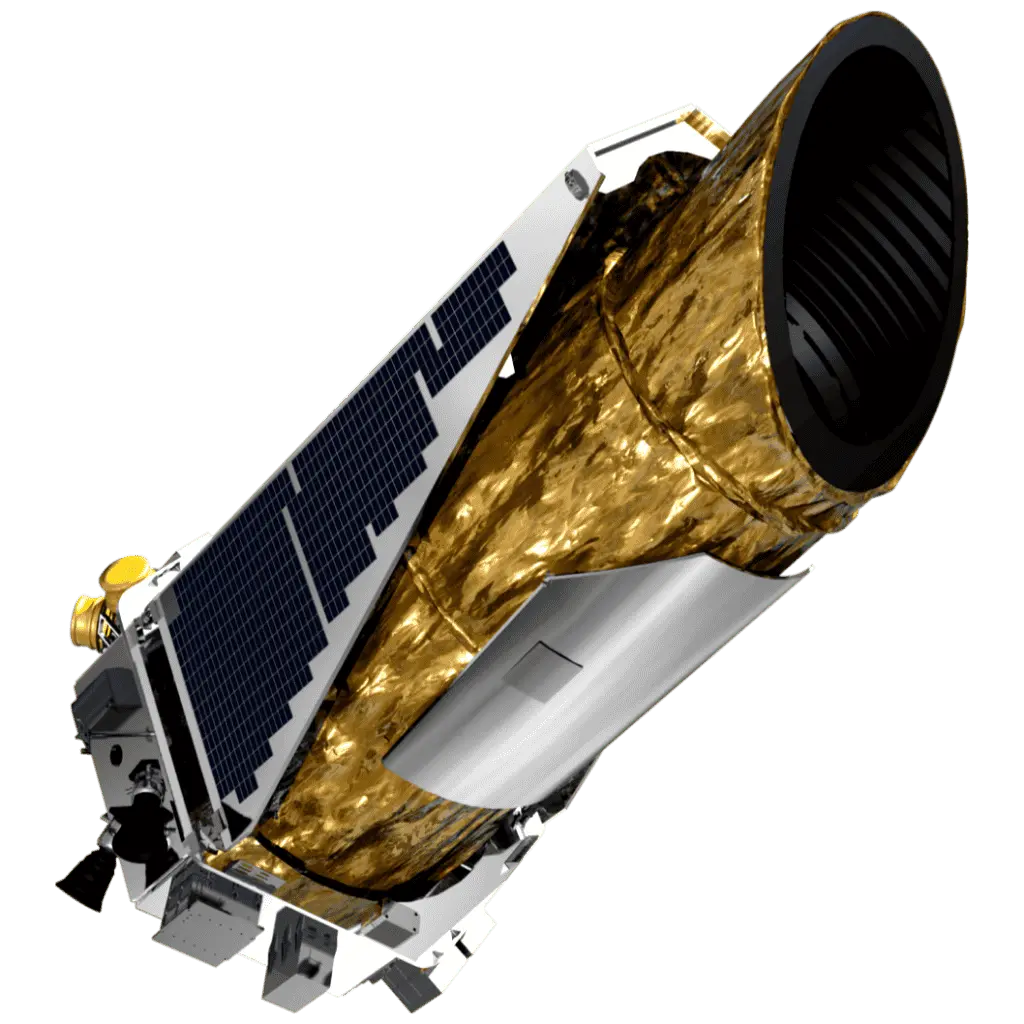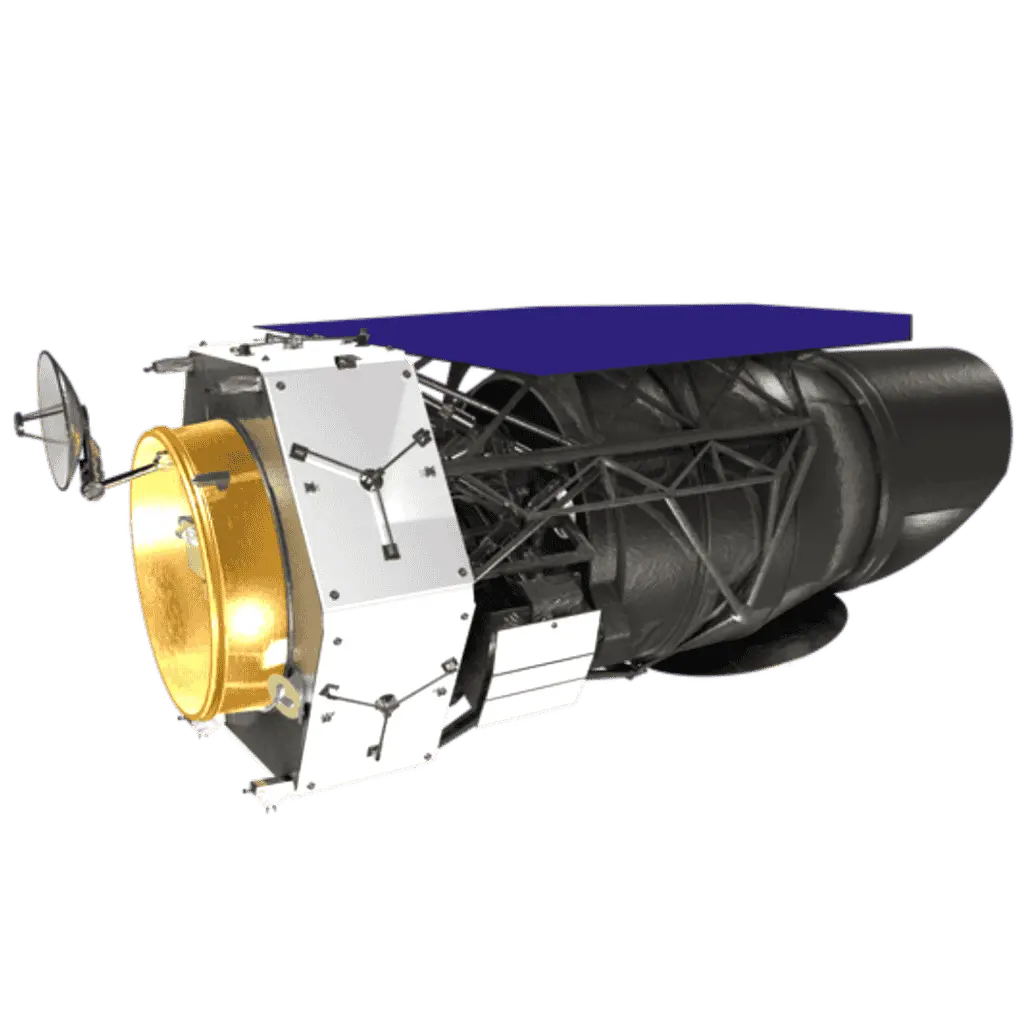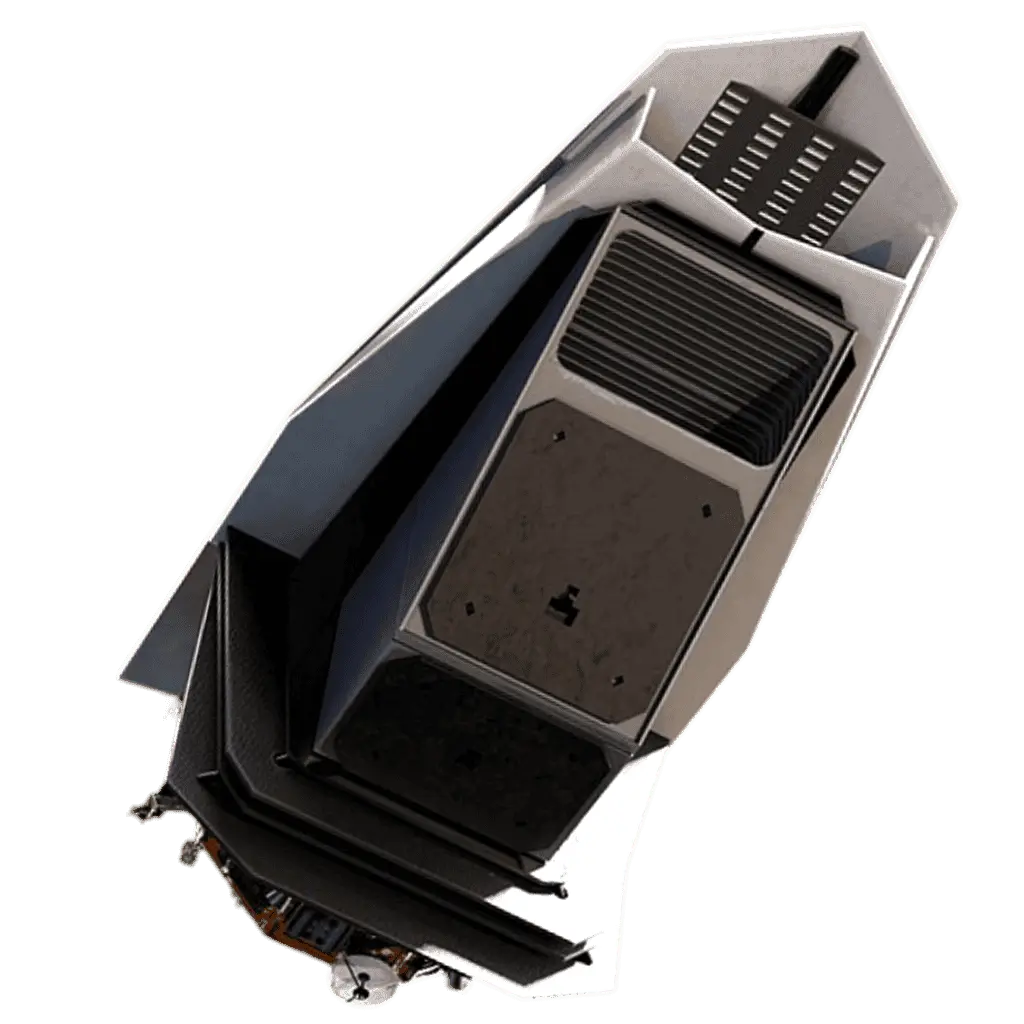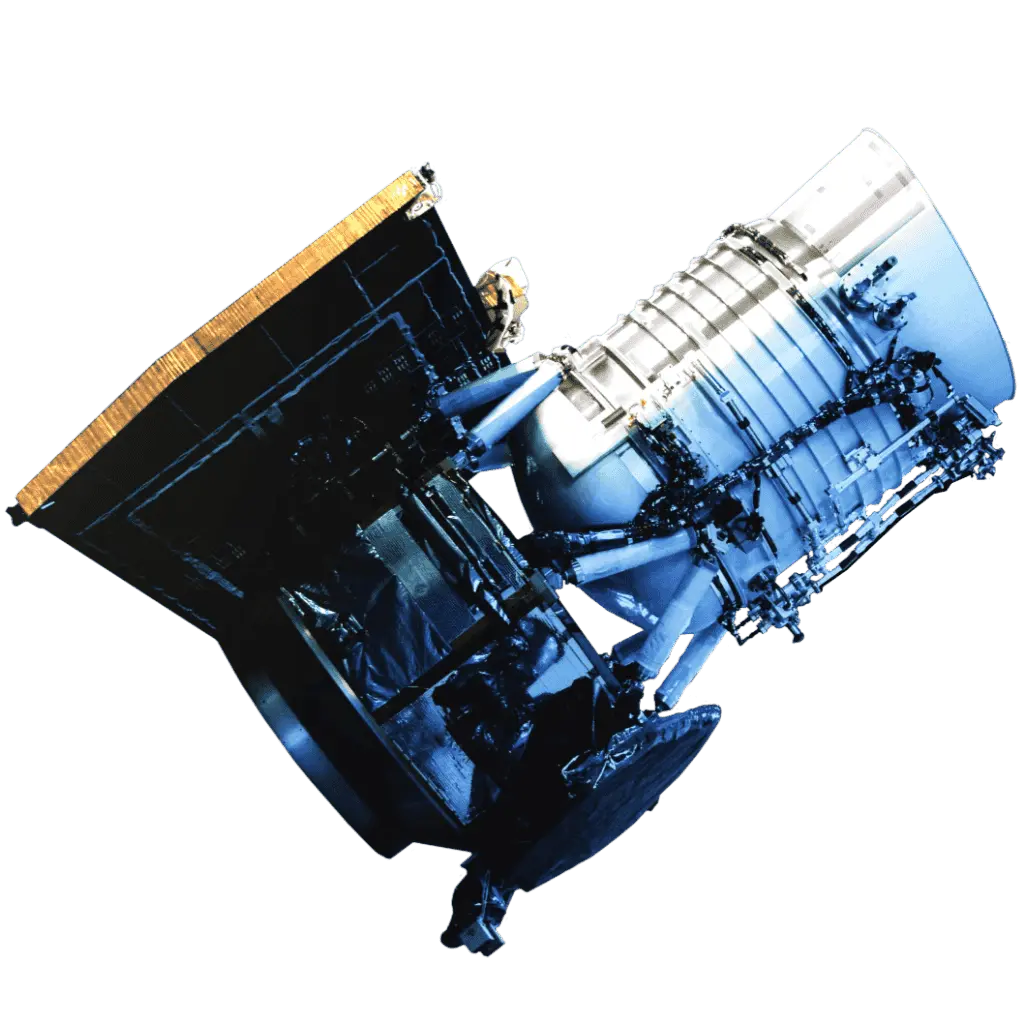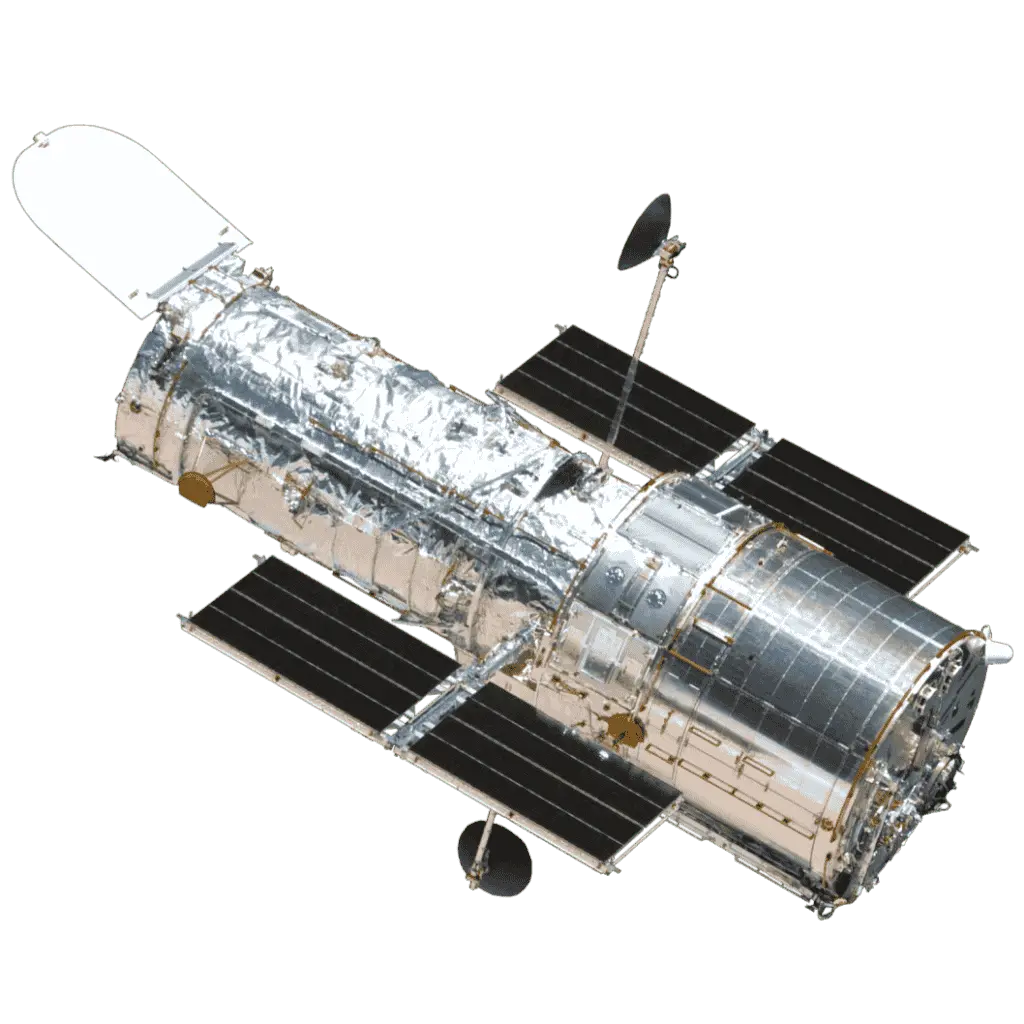
In April 1990, a Discovery shuttle roared off the pad carrying a cargo that would change science forever. This wasn’t just another satellite: it was the Hubble Space Telescope. Since that morning, the observatory has sent back over 1.5 million observations, turning vague blurry dots into sharp, clear views of the distant past. It’s safe to say we’ve seen more of the universe through this single lens than through all other tools combined throughout human history. This massive machine remains a beacon of human curiosity and will continue to guide our understanding of the void for years to come.
What’s the Hubble Space Telescope?
NASA and the European Space Agency (ESA) joined forces to build this legendary tool. It launched on April 24, 1990, serving as a Great Observatory designed to peek into the deep reaches of space from Low Earth Orbit (LEO). Moving at roughly 17,000 miles per hour, it circles our planet every 95 minutes about 340 miles up. It captures light across the visible, ultraviolet, and near-infrared spectrums without the distortion of our atmosphere getting in the way.
Purpose and Mission Objectives (Why It Was Built)
Scientists wanted to solve puzzles that earth-bound mirrors couldn’t reach. They needed a way to pierce the hazy ‘shimmer’ caused by oxygen and nitrogen in our air.
- Measure the expansion rate: Determining the Hubble Constant to figure out how old everything is.
- Study galaxy evolution: Seeing how tiny clusters of stars grew into the massive spirals we see today.
- Explore stellar life cycles: Watching stars being born in dust clouds and dying in explosions.
- Search for alien worlds: Checking the atmospheres of planets circling other suns.
The mission’s primary strategic goal focused on long-term data collection. Unlike previous missions that lasted a few years, planners designed this one to be fixed by astronauts in space, extending its life across decades.
Key Discoveries of the Hubble Space Telescope
One of the biggest wins involved proving that supermassive black holes sit at the heart of almost every major galaxy. Before the telescope looked, these were just theories on a chalkboard. By tracking the wild speeds of gas around galactic centers, it confirmed these gravity giants exist. This changed how we map the movement and growth of entire cosmic neighborhoods.
Another massive jump forward happened with the discovery of Dark Energy. In the late 1990s, the telescope helped reveal that the universe isn’t just expanding; it’s accelerating. This news shocked the world because physicists assumed gravity would eventually slow things down, and instead, something mysterious is pushing galaxies apart faster and faster every single second.
When I looked at the first high-res files from the Pillars of Creation, the sheer scale felt unreal. Those giant towers of gas are three light-years tall. Hubble showed us how new stars emerge from these cold clouds of hydrogen. These images weren’t just pretty; they gave us a play-by-play view of how our own solar system might have looked billions of years ago.
The ‘Deep Field’ images changed my perspective on ’empty’ space too. Astronomers pointed the lens at a patch of sky about the size of a pinhead and left it open for days. They found thousands of galaxies in that tiny, dark spot. It proved that the universe is far more crowded and complex than anyone had imagined.
How It Changed Our Understanding
Before this mission, experts guessed the universe was between 10 and 20 billion years old. That’s a massive window of error. Now, thanks to Hubble’s precise measurements, we know the number is roughly 13.8 billion years. It narrowed the gap and let’s build more accurate models of physics.
The telescope also killed the myth that our solar system is a unique oddity. It captured disks of dust around young stars where planets are currently forming. Watching these proto-planetary disks told us that planets are common throughout the Milky Way, and this shifted the search for life from ‘maybe’ to ‘where.
Technology Behind the Hubble Space Telescope
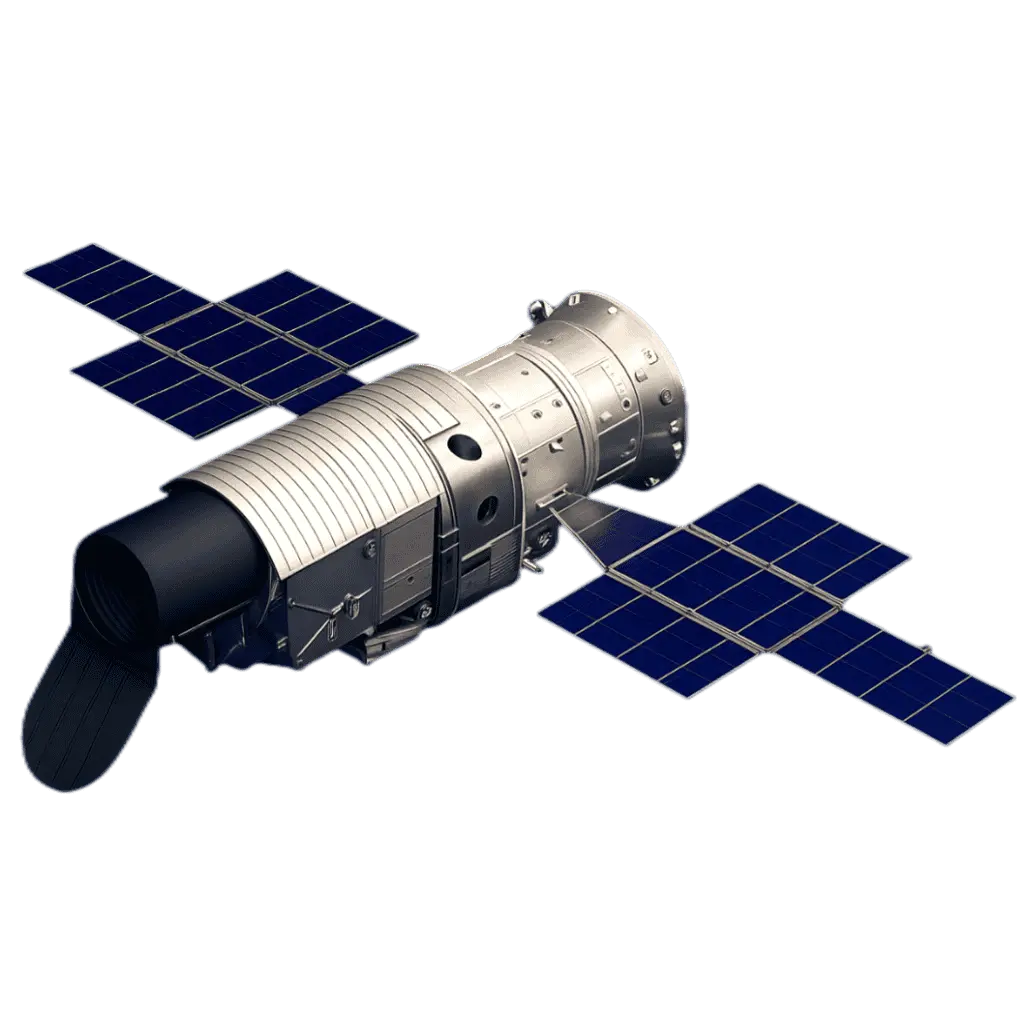
The heart of the machine is a 2.4-meter (94.5-inch) primary mirror that catches faint light from across the cosmos. It doesn’t use a normal camera like a phone. Instead, it relies on several specialized instruments: the Wide Field Camera 3 (WFC3) and the Cosmic Origins Spectrograph (COS). These sensors break light apart like a prism to tell us what distant stars are made of.
Unlike modern infrared scopes, this engineering marvel focuses heavily on visible light. Solar panels on the sides provide all the power needed to run its computers and pointing systems. These gyroscopes are so steady they can hit a laser target the size of a dime from 200 miles away. That’s how it stays locked on a single galaxy for days at a time.
Challenges and Failures
Success didn’t come easily. Right after the launch, the first images came back blurry because of a tiny mistake. The main mirror had been polished to the wrong shape by just a fraction of a human hair’s width. This ‘spherical aberration’ threatened to turn the multi-billion dollar project into a pile of space junk.
Engineers saved the mission by building ‘glasses’ for the telescope. In 1993, astronauts on the Endeavour shuttle performed a series of dangerous spacewalks to install COSTAR, a corrective optics system. It worked perfectly. This fix showed that having a serviceable design was a genius move by the original planning team.
Longevity of the Hubble Space Telescope
The mission is currently in its fourth decade of operation. Despite many hardware scares, the telescope remains active today. Most of its major parts have been swapped out by five different service missions between 1993 and 2009. While there are no more shuttles to visit it, the current systems are holding up well enough to keep the science flowing.
Legacy and Future Impact
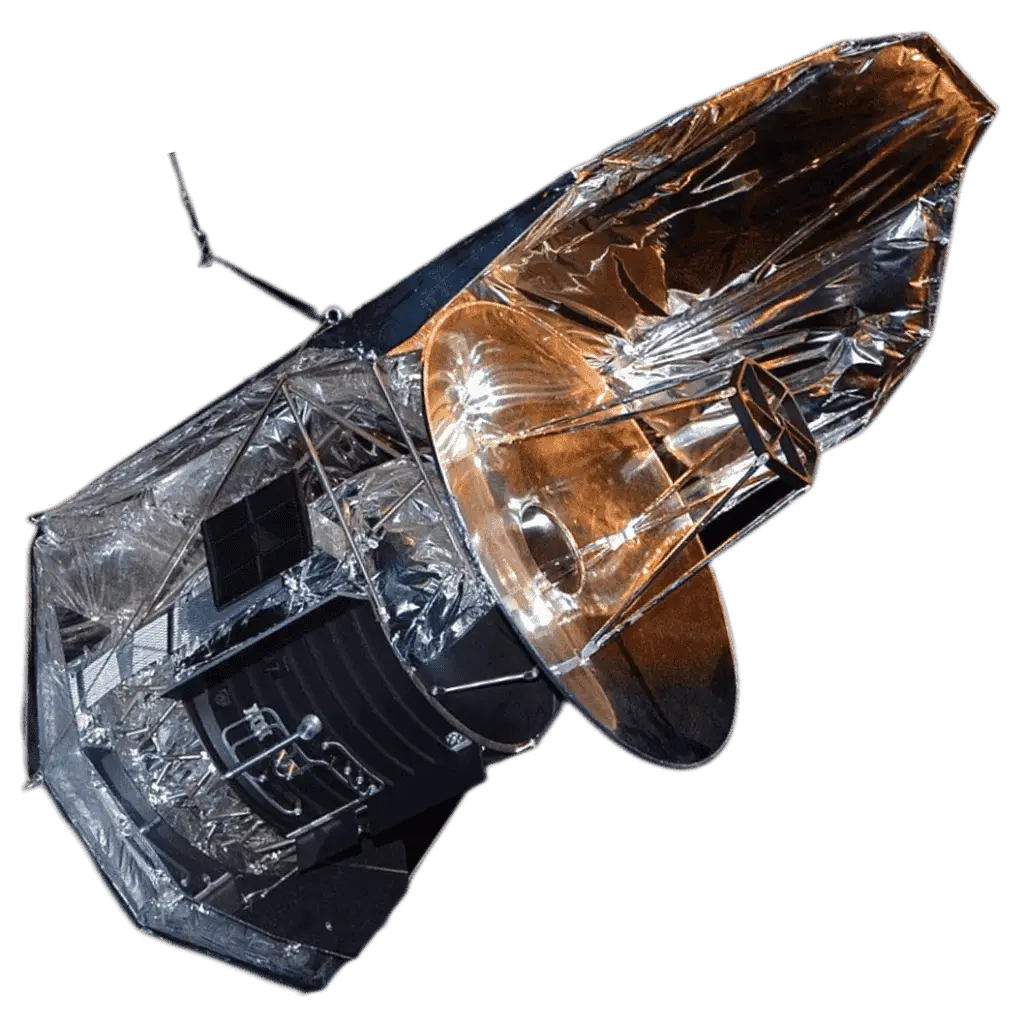
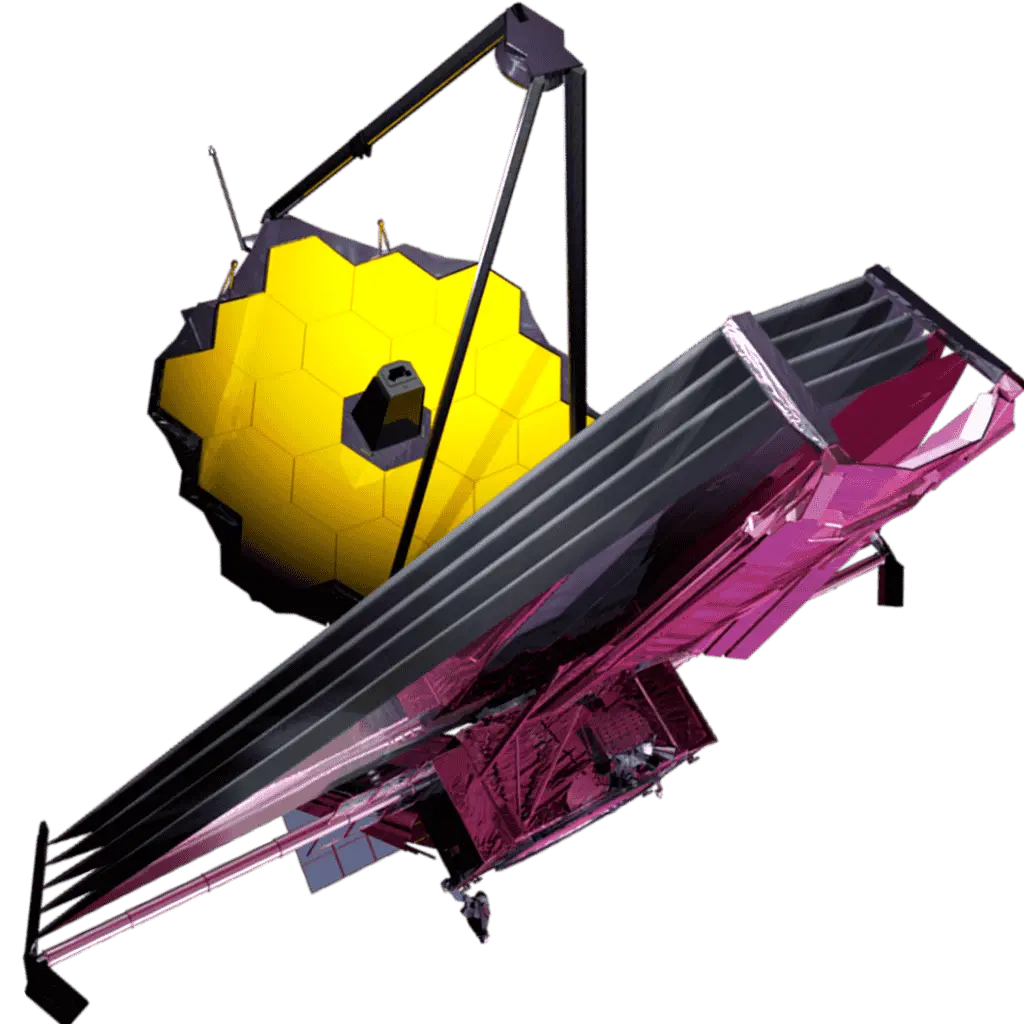
Hubble paved the way for the James Webb Space Telescope (JWST). While Webb sees in infrared to peek through dust, it relies on the maps Hubble drew first. They’re a tag-team duo. Hubble identifies the targets, and Webb zooms in for the heat-signature details.
Impact on Science and Humanity
This machine did more than just write papers for professors. It brought the beauty of the stars into the living rooms of ordinary people. Names like ‘Butterfly Nebula’ or ‘Sombrero Galaxy’ became part of popular culture. It’s a rare case where a scientific tool became a global icon for exploration.
Schools around the world use these photos to spark an interest in STEM fields. By making the distant universe look tangible, the telescope taught us that we’re part of a much larger, violent, and beautiful story. It proves that humans can do incredible things when they stop looking at the ground and start looking up.
FAQs About Hubble Space Telescope
-
Is the Hubble Space Telescope still taking pictures?
Yes. It remains fully operational and continues to provide data to astronomers. While it has faced minor technical glitches with its gyroscopes recently, NASA teams fix these issues from the ground. It still observes galaxies, stars, and planets every single day.
-
Why was the Hubble Space Telescope’s mirror blurry?
A tool used to measure the mirror during manufacturing was assembled incorrectly. This caused the mirror to be too flat at the edges. While the error was tiny, it prevented light from focusing on a single point. NASA corrected this using special mirrors in 1993.
-
How far can the Hubble Space Telescope see?
It can see objects as far as 13.4 billion light-years away. This means it catches light that started its journey shortly after the Big Bang. It effectively acts as a time machine, showing us what the very first galaxies looked like in their infancy.
-
What’s the difference between Hubble and James Webb Telescopes?
Hubble sees mainly visible and ultraviolet light, much like the human eye, and james Webb focuses on infrared light. This allows Webb to see through thick dust clouds and find older, colder objects. The two telescopes often work together on the same projects.
-
When will Hubble stop working?
NASA expects the telescope to last at least through the late 2020s. Eventually, its orbit will decay, and it will fall back toward Earth. There’s no set end date yet, as long as its vital electronics and stabilizing gyros stay functional.
Final Thoughts
The telescope stands as a monument to what we can achieve when we push the limits of technology. It turned the unknown into the known and the distant into the familiar. Each image it sends back reminds us how small we’re, yet how much we’re capable of seeing. Expect its data to keep fueling new theories and inspiring new dreamers long after its mirror finally goes dark. Stay curious, because the universe still has plenty of secrets waiting to be caught in the light.