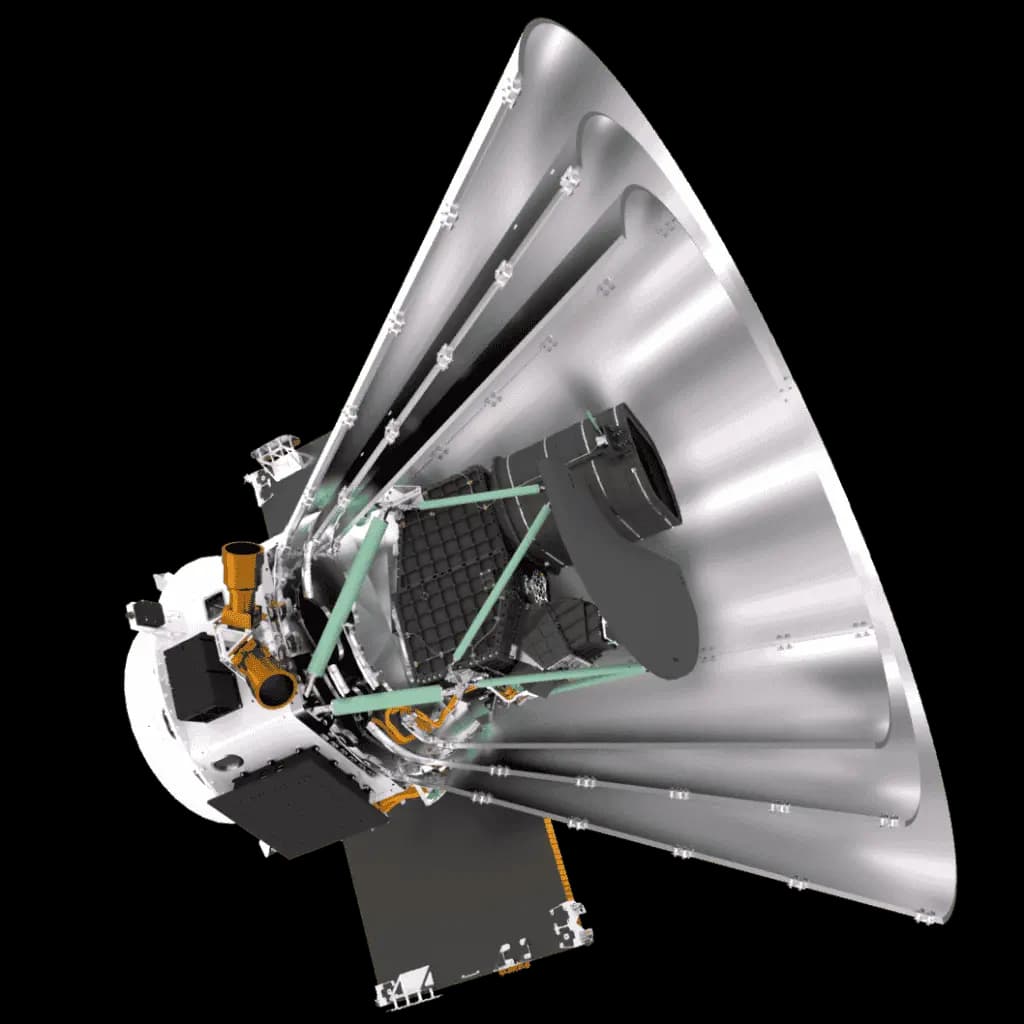
The universe keeps its best secrets hidden in a spectrum we can’t see with our eyes. SPHEREx just changed that. By mapping the entire sky every six months, this mission transforms how we view the cosmic dawn. It isn’t just a telescope: it’s a chemical surveyor for the stars. We’re finally seeing the ingredients of life distributed across the Milky Way in high definition.
What’s SPHEREx?
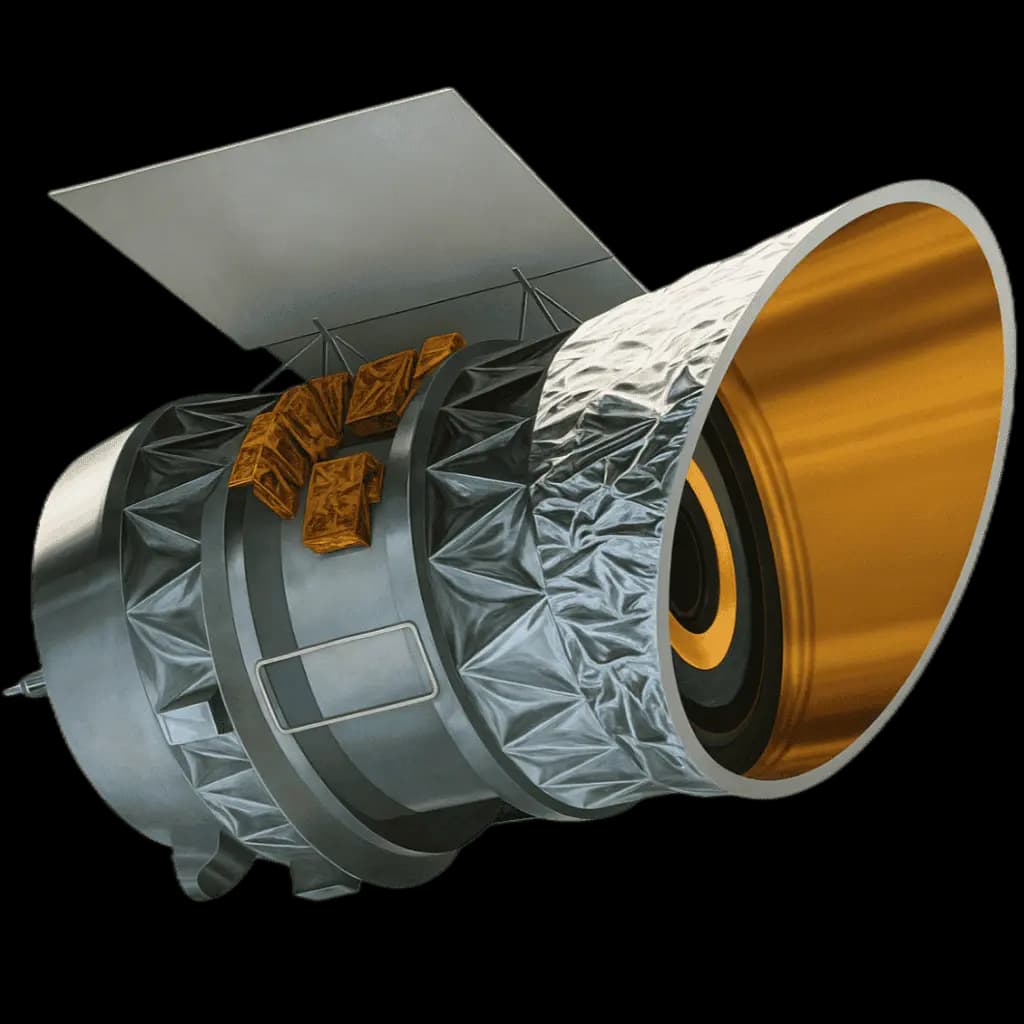
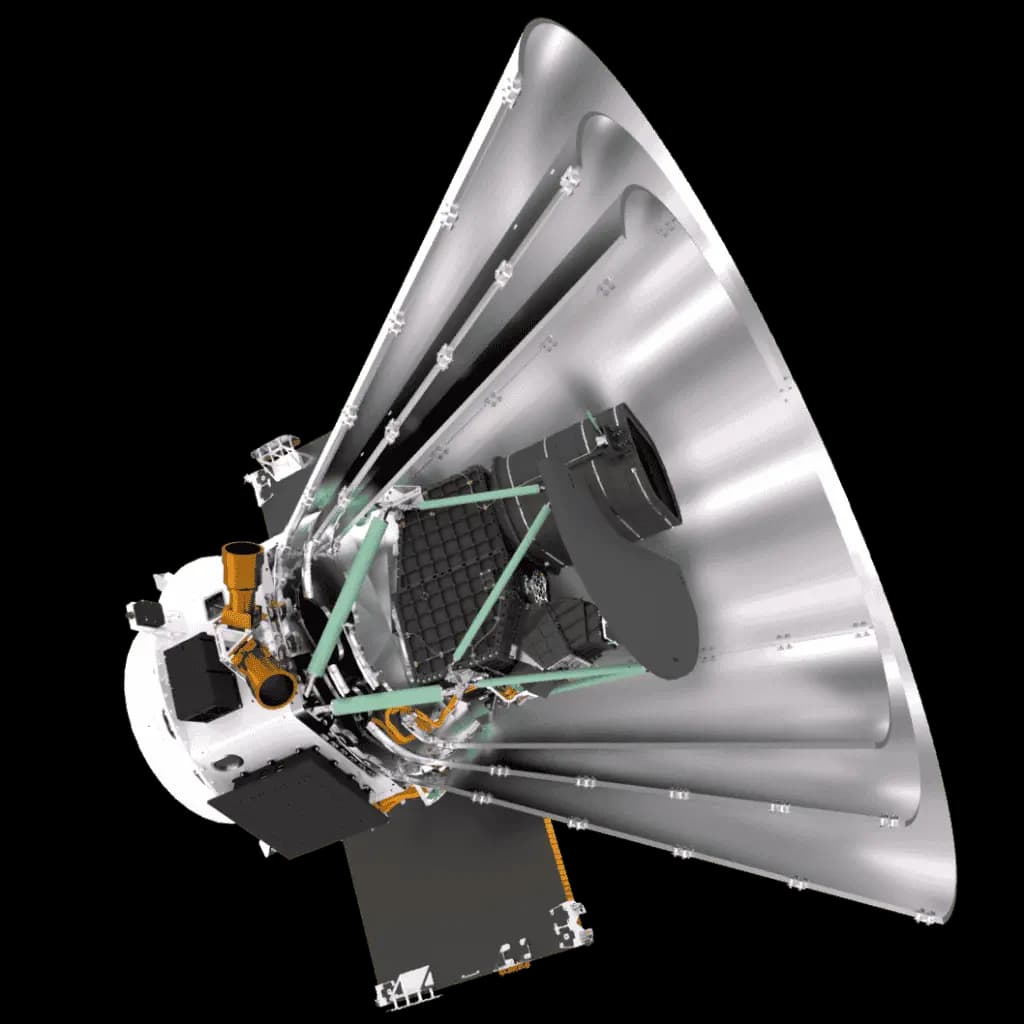
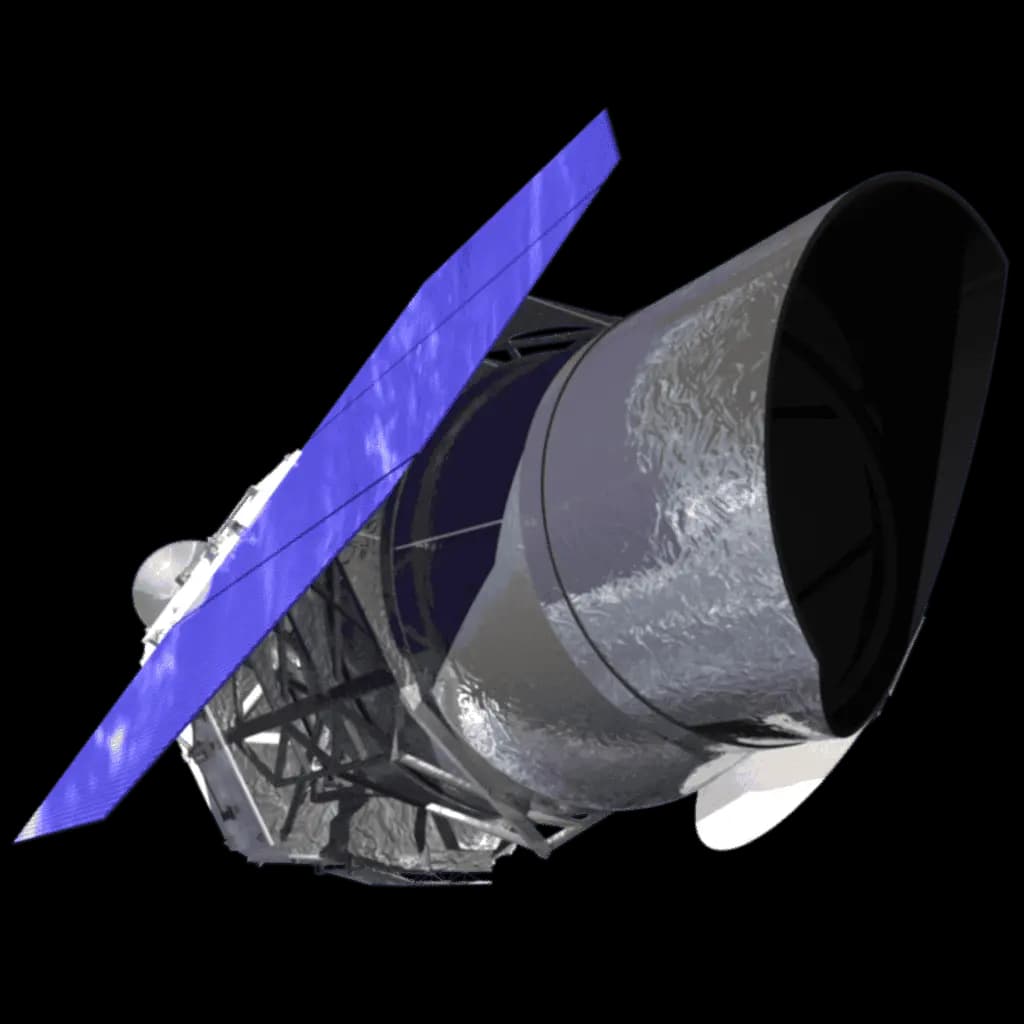
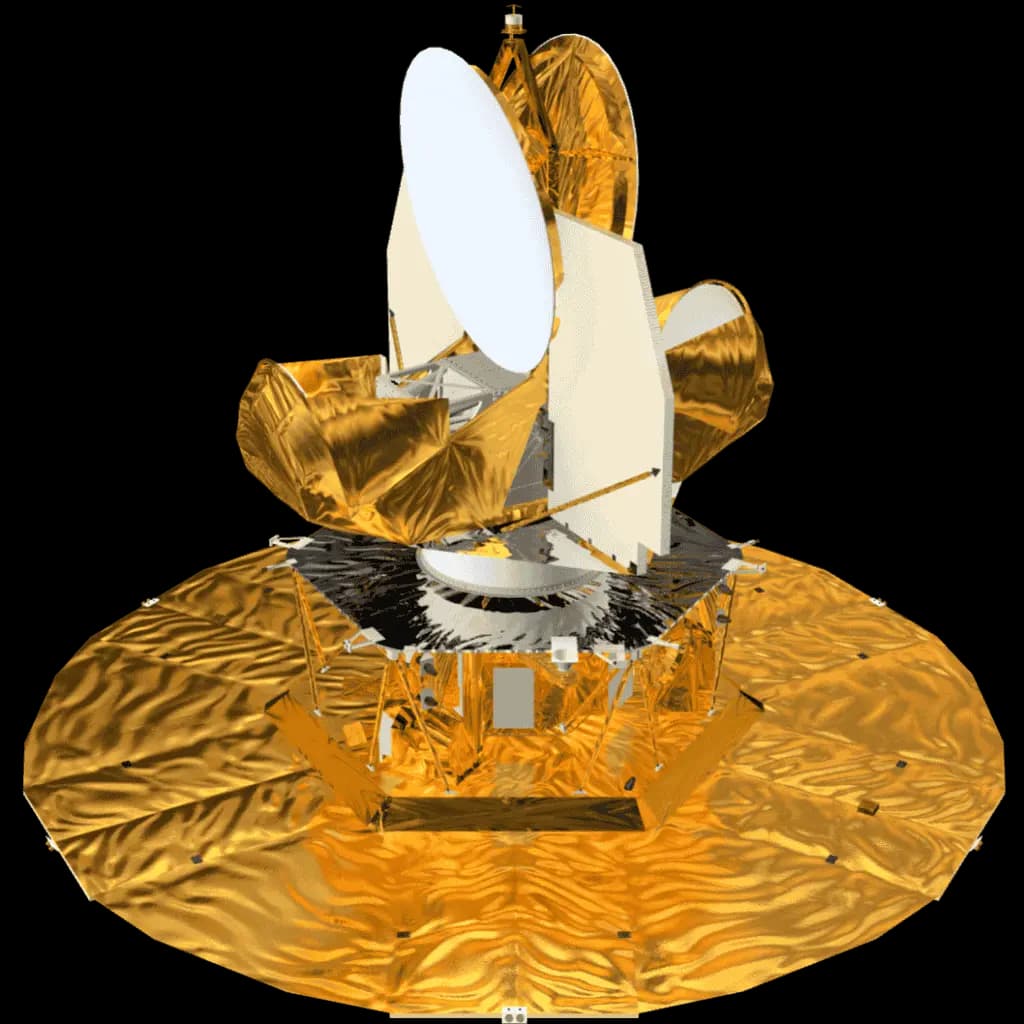
NASA built the Spectro-Photometer for the History of the Universe, Epoch of Reionization, and Ices Explorer (SPHEREx) to serve as a high-volume data factory. JPL and Caltech led the development, launching it into a sun-synchronous polar orbit in early 2025. Unlike some missions that stare at one spot, this satellite scans the entire sky repeatedly.
Data analysts have already begun processing millions of unique spectra from this mission. The satellite stays close to Earth but looks out toward the deep dark. It uses a small but mighty 20-centimeter telescope to gather near-infrared light, and this setup allows it to see things that optical telescopes simply miss.
Purpose and Mission Objectives (Why It Was Built)
Scientists had three big questions when they designed this mission, and they wanted to know how the universe expanded after the Big Bang. At the same time, they also wanted to trace the history of galaxy formation. Lastly, they sought the origin of water in young planetary systems.
- Inflationary Physics: Search for evidence of ‘non-Gaussianity’ to explain the rapid expansion of the early universe.
- Galaxy Evolution: Measure the total light from all galaxies to understand how stars first turned on.
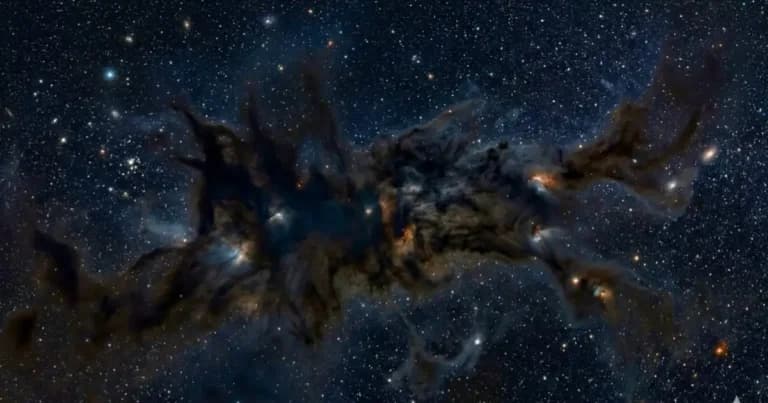
- Interstellar Ices: Catalog water and organic molecules in clouds where new stars and planets are born.
- Full Sky Survey: Create a spectroscopic map of the entire sky in 96 different color bands.
Key Discoveries and Achievements
The primary triumph of SPHEREx involves its massive chemical census. In its first year of operation, the mission identified thousands of pockets of water ice hidden in the Milky Way. These aren’t just puddles: they’re the building blocks for future oceans on planets not yet formed.
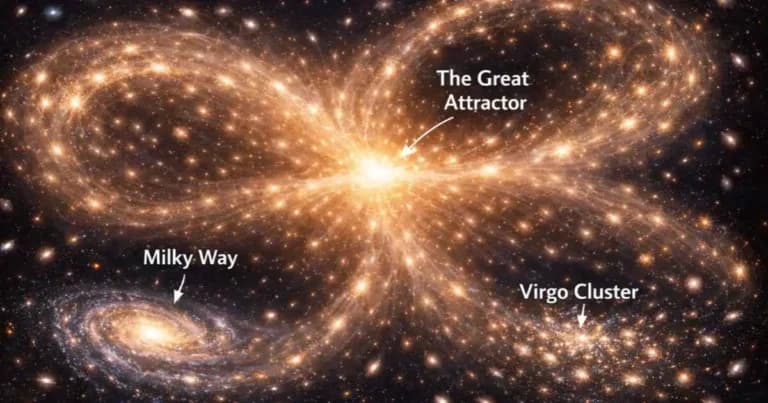
Mapping 450 million galaxies has redefined our cosmic neighborhood. I’ve noted that the spectral data cubes show a surprising density of early-stage galaxies that previous missions ignored. This vast dataset allows astronomers to see the ‘big picture’ of how matter clumps together across billions of light-years. Such a scale was impossible before this mission provided a uniform survey.
How It Changed Our Understanding
Old theories suggested that water ice was relatively rare in high-radiation zones of our galaxy. SPHEREx corrected this assumption by showing that ice is everywhere. This discovery implies that the ‘recipe’ for life might be a standard feature of star formation rather than a lucky accident.
We previously viewed the cosmic infrared background as a blurry fog. The mission separated this fog into distinct signals from the first stars. Scientists now have a clearer timeline for when the first galaxies began to burn through the cosmic dark.
Technology Behind SPHEREx
Engineers avoided moving parts to keep the satellite lightweight and durable. They used Linear Variable Filters which act like a continuous rainbow of glass. As the telescope scans, different parts of the detector see different wavelengths of light. It’s a simple, elegant way to capture complex data.
Everything sits behind a large sunshade that keeps the instruments incredibly cold. Heat is the enemy of infrared astronomy. By staying chilled to roughly -350 degrees Fahrenheit, the sensors can pick up the faint heat signatures of distant stars. This passive cooling system saves weight and extends the mission’s life.
Challenges and Failures
Keeping the detector stable during the rapid scans proved difficult. Early in the mission, cosmic rays created ‘noise’ that obscured the signals from distant water ices. Software engineers at the mission control center had to push a mid-flight update to the data-processing pipeline.
Thermal leaks also threatened the first survey cycle. Small adjustments to the spacecraft’s orientation relative to the Sun fixed the issue. These fixes ensured the 96-band spectrum stayed crisp and reliable for the entire mapping phase.
Longevity and Current Status
We’re currently in the mid-2026 phase of the mission. SPHEREx has completed its second full-sky pass and started its third. Everything is running at peak efficiency.
NASA expects the satellite to last well beyond its initial two-year window. The lack of consumable coolants means the hardware could last for years. Only the orbital decay or electronics wear-and-tear will stop it from scanning.
Legacy and Future Impact
Future missions like the Nancy Grace Roman Space Telescope will use SPHEREx data as a roadmap. If SPHEREx finds a strange chemical signature, Roman will zoom in for a closer look. They work like a scout and a sniper.
Students today have access to a data library that was unimaginable five years ago. This mission provided a ‘Google Earth’ for the infrared sky. It has democratized high-level astrophysics for researchers globally.
Impact on Science and Humanity
Science isn’t just about numbers; it’s about context. SPHEREx tells us where we come from by tracing the water in our own cells back to interstellar clouds. That connection changes how people view our place in the void.
Public interest in astronomy has spiked since the mission began releasing its full-color cosmic maps. These images aren’t just beautiful. They remind us that the ingredients for life are part of a massive, universal cycle.
FAQs About SPHEREx
-
How does SPHEREx differ from JWST?
JWST looks at very small patches of the sky in extreme detail. SPHEREx looks at the whole sky with less zoom. Think of JWST as a microscope and SPHEREx as a wide-angle lens, and they complement each other’s data perfectly.
-
Is it currently orbiting Earth?
Yes. It stays in a low-Earth polar orbit. This allows it to stay in the shadow of the Earth while scanning the sky. It avoids heat from both the Sun and our own planet.
-
Can it see alien life?
Not directly. It sees the chemicals that make life possible, like water, carbon dioxide, and methanol. But it finds the ‘kitchens’ where life could be cooked.
-
How many galaxies will it map?
It will catalog over 450 million galaxies. It also identifies hundreds of millions of stars within our own Milky Way galaxy.
-
Who can see the data?
NASA releases the data to the public after processing. This helps scientists around the world make their own discoveries, and it’s an open-science mission.
Final Thoughts
We’re living in a golden age of orbital discovery. SPHEREx proves that sometimes the most powerful tool is a simple one used at a massive scale. As it continues its silent loop around our world, it whispers back the history of the light. The stars are no longer just points of fire, and they’re points of data, tellers of a story that started billions of years ago. Stay curious about the sky: we’ve only just started the first chapter.