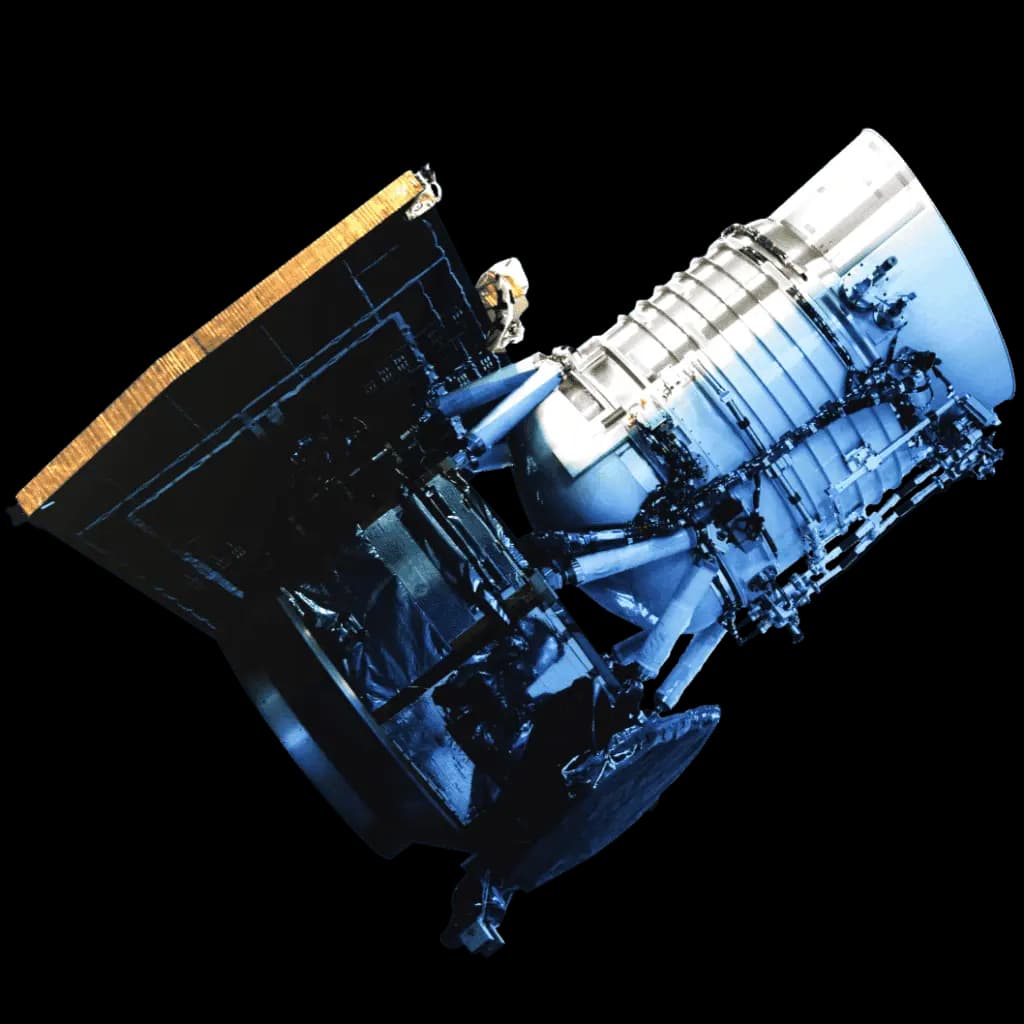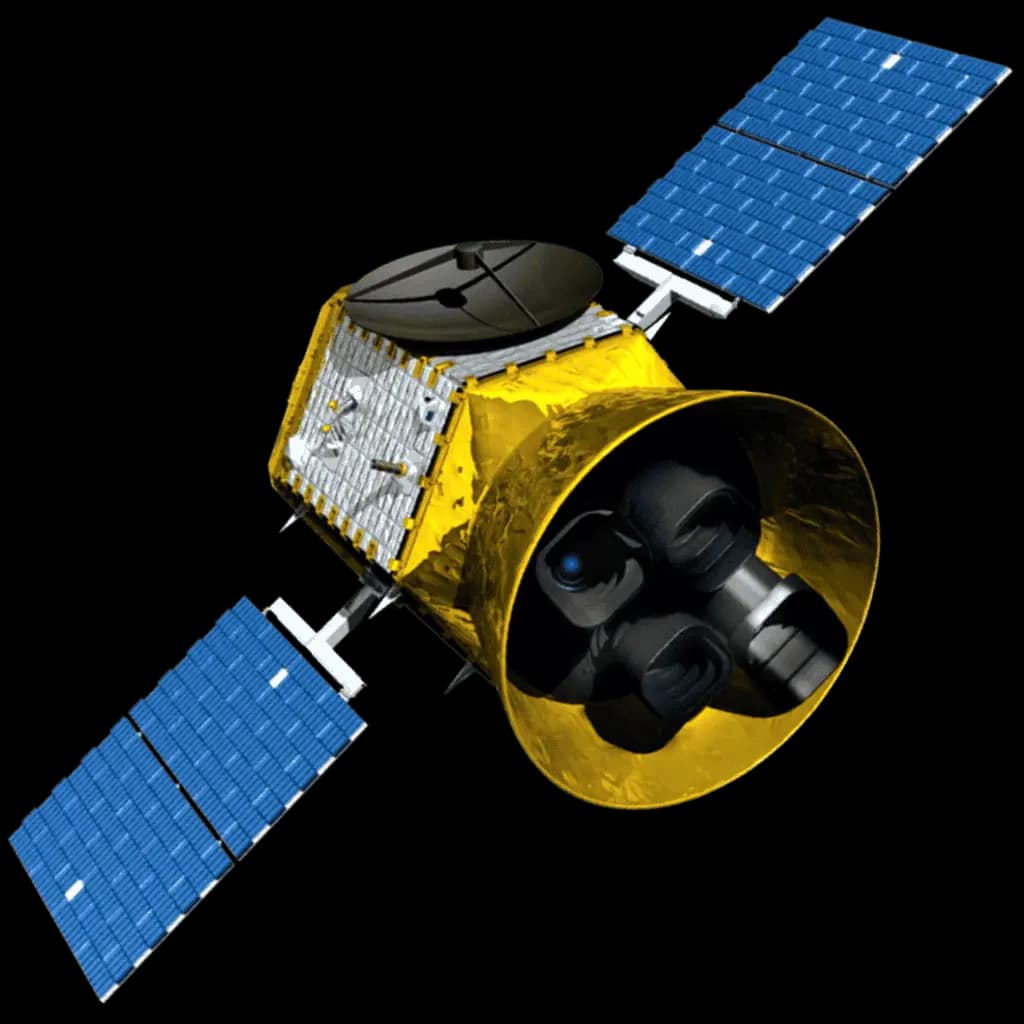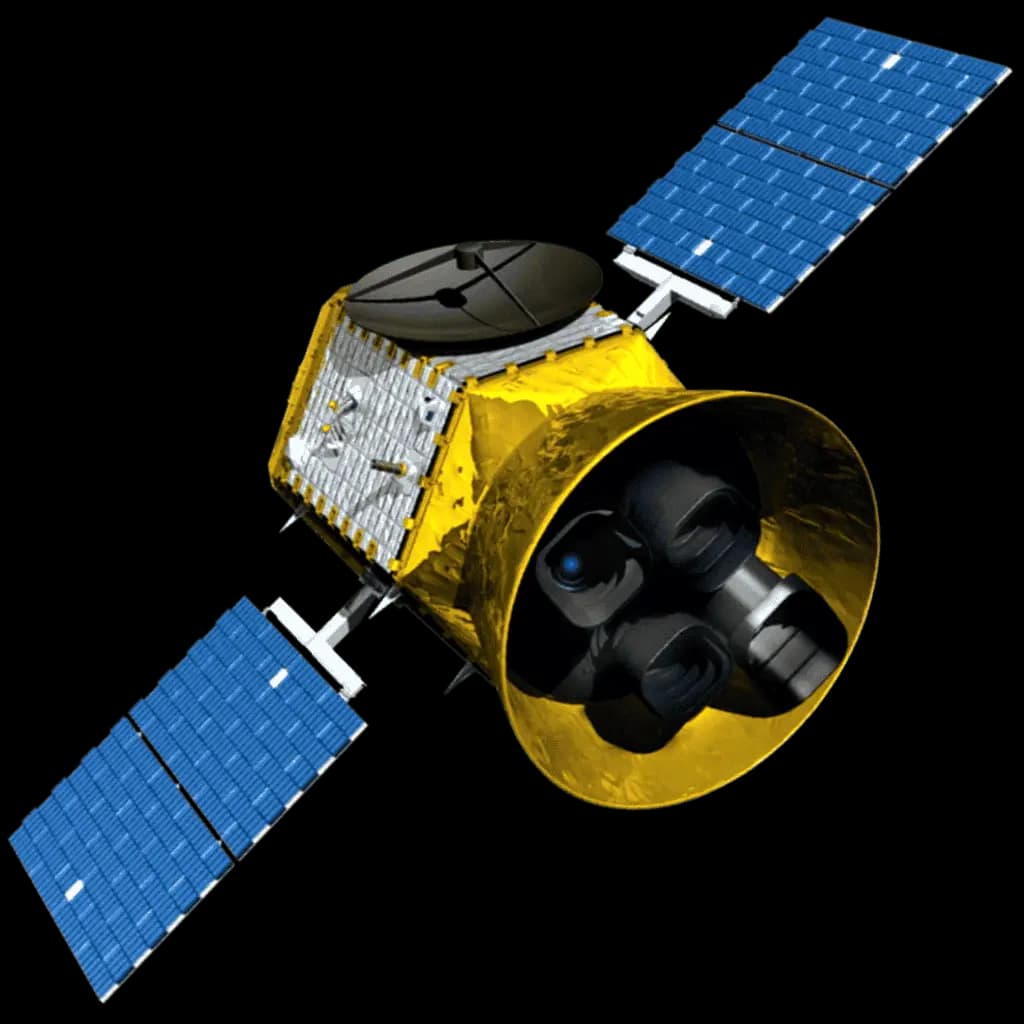
The Transiting Exoplanet Survey Satellite represents humanity’s most ambitious attempt to map the neighbors in our celestial backyard. This orbiting hunter stares at the stars, waiting for a tiny dip in light that signals a world passing by. It doesn’t just look for distant blobs; it scans for planets that might actually support life one day. It’s the primary tool we have right now for finding planets that are close enough for other telescopes to study in detail. Scientists believe this mission will define our understanding of planetary systems for decades.
What’s the Transiting Exoplanet Survey Satellite?
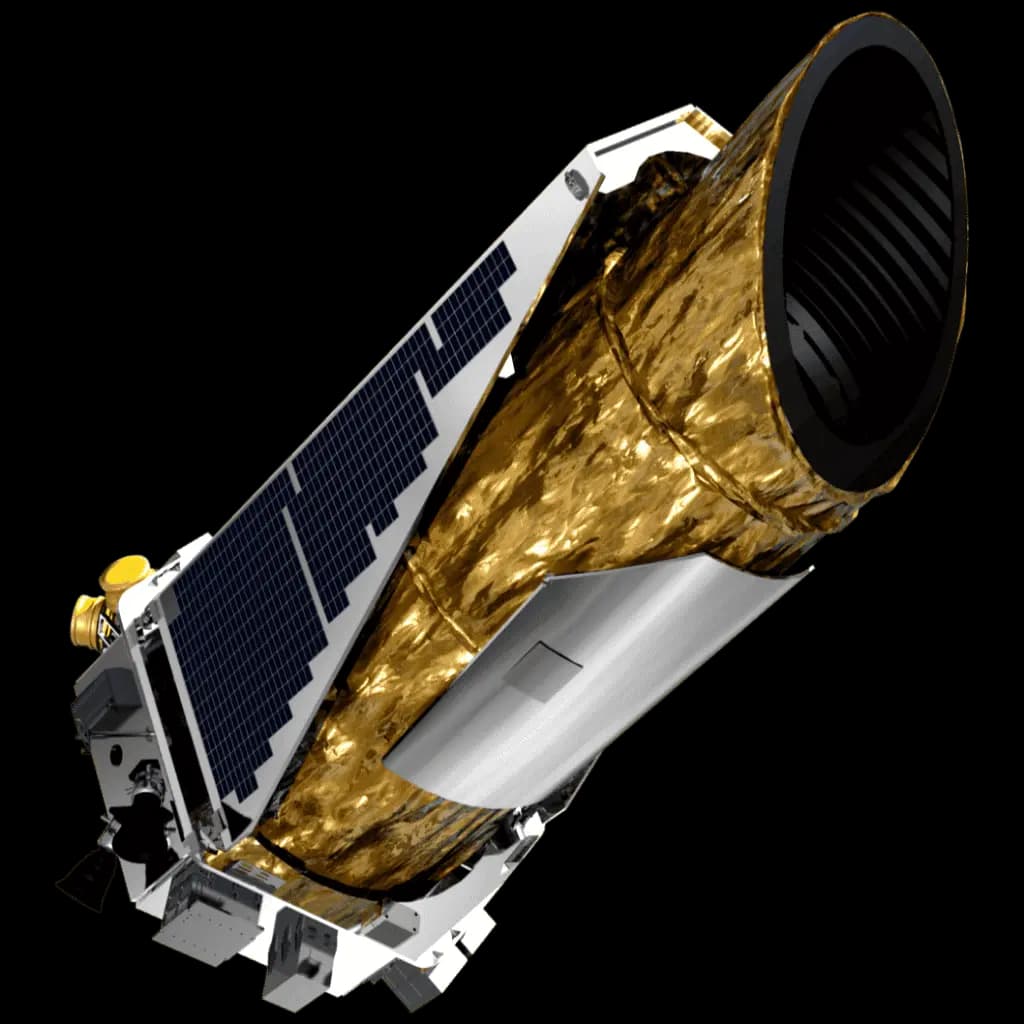
NASA launched this mission in April 2018 to take over where the Kepler mission left off. It’s a space telescope designed specifically for ‘all-sky’ surveys, unlike its predecessors that focused on one small patch of sky. The satellite currently zips around Earth in a high-Earth elliptical orbit, a unique path that lets it stay stable while sending massive amounts of data back to ground stations. I’ve spent hours browsing through the public data at the NASA Exoplanet Archive, and it’s clear how much this mission changed the game for data accessibility. Basically, it’s a high-definition camera system staring at 200,000 of the brightest stars to see who’s hiding in their shadows.
Purpose and Mission Objectives of the Transiting Exoplanet Survey Satellite
NASA engineers and scientists built this machine with very specific goals in mind. They didn’t just want more planets; they wanted the right planets.
- Scan nearly the entire sky over a two-year primary mission.
- Detect Earth-sized and ‘super-Earth’ planets orbiting bright, nearby stars.
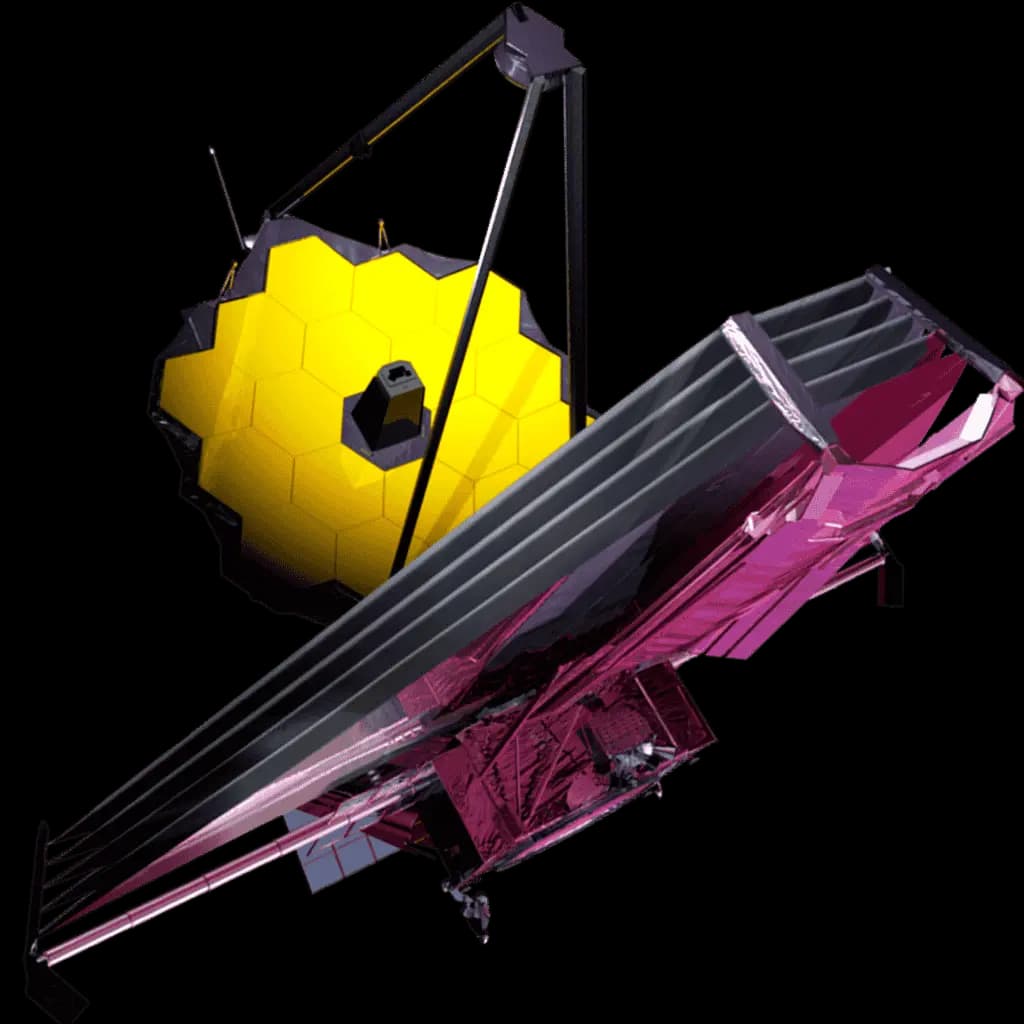
- Provide a list of targets for the James Webb Space Telescope to analyze for atmospheres.
- Measure the mass and size of these planets to see if they’re rocky or gaseous.
- Build a catalog that future missions can use to look for signs of biology.
Key Discoveries of the Transiting Exoplanet Survey Satellite
The mission’s hit list is already legendary in the astronomy world. One of its most famous finds is TOI-700 d, an Earth-sized planet sitting right in the ‘habitable zone’ of its star. This means it’s at the perfect distance for liquid water to exist on the surface. When I first pulled up the Mikulski Archive for Space Telescopes (MAST) to see the light curves for these TOIs (TESS Objects of Interest), I was blown away by the clarity. It isn’t just about finding one world; it’s about finding entire systems that look a lot like our own home.
Beyond just rocky worlds, the Transiting Exoplanet Survey Satellite found some truly weird stuff. It spotted ‘lava worlds’ where the surface is molten rock and gas giants that shouldn’t exist according to old theories. But it even found a planet orbiting two stars at once, much like the fictional Tatooine. These discoveries mean our old ideas about how solar systems form were a bit too simple. Every new data drop gives us a better map of the chaos and beauty in our local neighborhood.
How It Changed Our Understanding
Before this mission, we mostly knew about planets that were very far away. Kepler taught us that planets are everywhere, but they were too distant to study closely. This mission flipped the script by focusing on the brightest stars nearest to us. We now know that small, rocky planets are extremely common around M-dwarf stars, which are the most common stars in the galaxy. This shift in focus changed astronomy from a ‘counting game’ to a ‘study game’ where we can actually try to see what’s in the air of an alien world.
Technology Behind the Transiting Exoplanet Survey Satellite
The tech inside this craft is basically four wide-field cameras. Each camera has a 16.8-megapixel detector that’s super-sensitive to light in the near-infrared spectrum. These cameras are positioned to see a giant strip of the sky at once, called a ‘sector.’ It stays on one sector for about 27 days before moving to the next. The images are so large that processing them takes massive computing power, but the result is a flick-book of the stars that reveals even the smallest orbital transits.
The orbit is perhaps the most clever piece of engineering. It’s called a High Earth Elliptical Orbit (HEO). TESS travels in a loop that takes it far away from Earth’s radiation belts but brings it close enough every two weeks to dump all its collected data. This path is extremely stable and doesn’t require much fuel to maintain. It’s a perfect example of using physics to save money and extend the life of a high-tech tool.
Challenges and Failures
Not everything has been smooth sailing. The satellite produces so much data that scientists had to build new AI tools just to sort through the noise. There were early worries about ‘jitter’ in the cameras which could make light curves look messy. Plus, TESS sees many ‘false positives,’ such as binary stars that look like planets at first glance. Scientists have to spend months verifying every find with ground-based telescopes to make sure they’re actually seeing a new world and not just a star flicker.
Longevity and Status of the TESS
The original two-year mission ended in 2020, but the satellite is still going strong today. NASA keeps extending its life because the hardware hasn’t degraded much. It’s currently in its second extended mission, re-scanning the sky to find even more planets with longer orbital periods. As of today, it has identified over 6,000 planet candidates. Most of these are just waiting for a second look to be confirmed as official planets.
Legacy and Future Impact
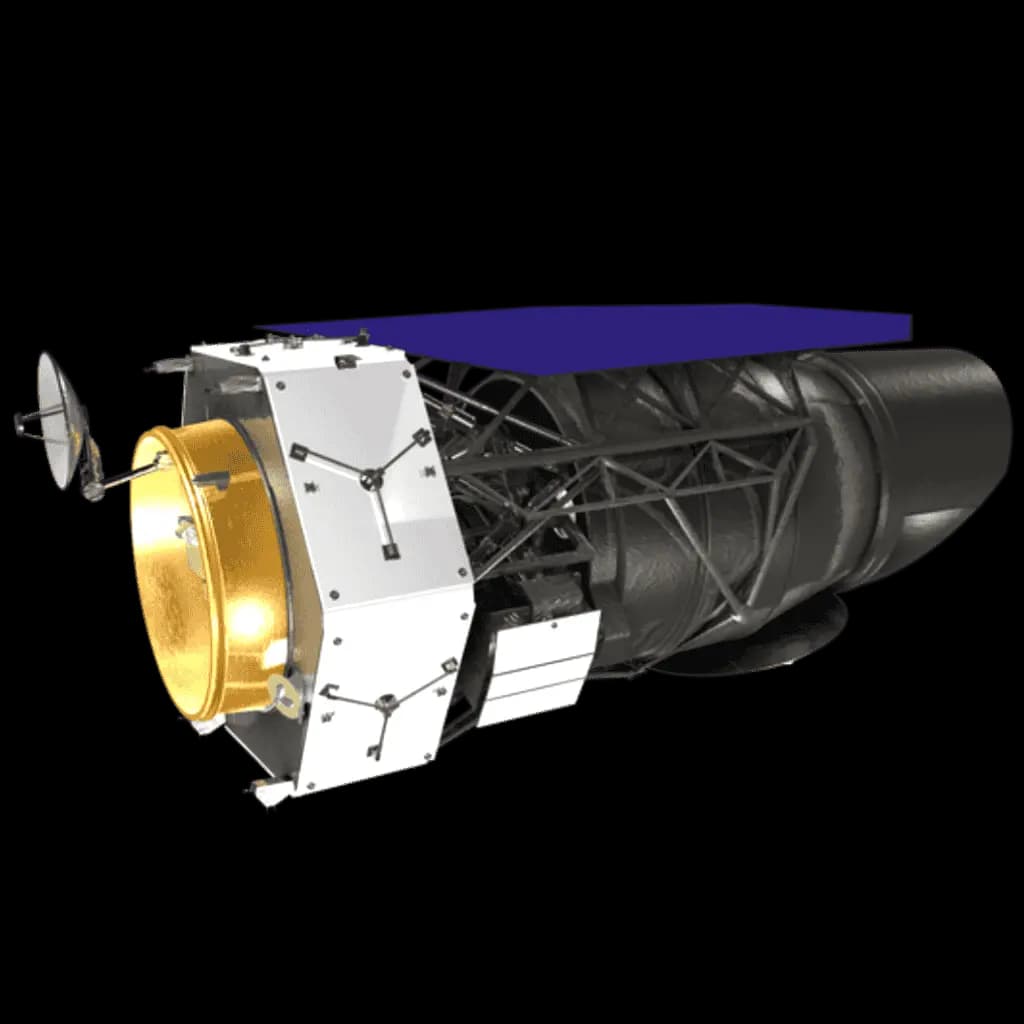
This satellite serves as a scout. It picks the best targets, and then bigger telescopes like James Webb or the upcoming Roman Space Telescope do the deep digging. Without this ‘neighborhood map,’ our billion-dollar flagship telescopes would be hunting in the dark. Its legacy is also built on its open-data policy. Amateur astronomers and students can access the same data as NASA scientists, which has led to dozens of discoveries made by regular people at home.
Impact on Science and Humanity
Finding out we aren’t alone or that the galaxy is full of ‘Earths’ changes how we see ourselves. This mission brought space science back into the public eye by showing us worlds that aren’t just points of light. It’s used in schools to teach kids how to analyze light and physics. Culturally, it makes the idea of ‘aliens’ feel less like science fiction and more like a pending scientific fact. We’re no longer wondering if planets exist; we’re now just trying to figure out which one to visit first.
FAQs About Transiting Exoplanet Survey Satellite (TESS)
-
How many planets did TESS find?
It has confirmed over 400 planets so far, but there are more than 6,000 candidates waiting for confirmation. It finds new ones almost every month.
-
How is TESS different from Kepler?
Kepler looked at a small, deep area very far away. This mission looks at the whole sky but focuses on stars that are closer and 30 to 100 times brighter.
-
Can TESS see life on other planets?
No, it doesn’t have the tools to ‘see’ life. It finds the planets and tells us which ones are the best places to look for life with other telescopes.
-
Is TESS still working?
Yes, it’s currently in an extended mission. It continues to scan the sky and monitor stars for transits and other celestial events.
-
Who owns the data from TESS?
The data belongs to the public. NASA uploads it to the MAST archive, where anyone can download and analyze it for free.
Final Thoughts
This telescope is a bridge between wondering and knowing. It’s easy to feel small when looking at a map of thousands of alien worlds, yet it’s a vital reminder of how much we’ve learned in just a few years. We’re living in a golden age of discovery where a new ‘Earth’ might be found on any given Tuesday. The mission proves that if we keep looking up, the universe will eventually give up its secrets. One day, a star found by this satellite might become the first place humans travel to beyond our sun.