The Solar System: Planets and Moons

Discover the diverse worlds that share our cosmic neighborhood.

What is the Solar System?

The solar system is our cosmic neighborhood, a sprawling collection of planets, moons, asteroids, comets, and icy debris, all orbiting a single star we call the Sun.

At its most basic: one star, eight planets, five dwarf planets, over 200 moons, and a few billion smaller bodies scattered across billions of kilometers. That's it. But every one of those objects has a story.

The Sun holds more than 99% of the system's total mass. Everything else, from Jupiter at the size of 1,300 Earths to dust grains drifting in the outer dark, exists within its gravitational reach. The eight planets orbit in roughly the same flat plane, called the ecliptic, which is why our solar system looks like a disk rather than a sphere.

Between Mars and Jupiter, the asteroid belt separates the rocky inner planets from the gas and ice giants further out. Past Neptune, the Kuiper Belt begins. It's a ring of icy objects that includes Pluto, Eris, and other dwarf planets. Further still, astronomers suspect a vast shell of frozen debris called the Oort Cloud marks the system's true outer edge, though no spacecraft has reached it.

The whole thing formed about 4.6 billion years ago from a collapsing cloud of gas and dust. That collapse triggered the Sun's birth, and the leftover material flattened into a disk that eventually clumped into planets. You can still trace the fingerprints of that process in the way planets are arranged today.

We've sent probes into nearly every corner of this system. Voyager 1 has crossed into interstellar space, New Horizons flew past Pluto, Perseverance is drilling into Martian rock, and the JUICE mission is heading toward Jupiter's moons to look for buried oceans. There's a lot left to understand.
Major Components

  • The Sun, our star and source of energy
  • 8 Planets, from rocky inner worlds to gas giants
  • 5 Dwarf Planets, like Pluto and Eris
  • Moons, orbiting many planets and even asteroids
  • Asteroids, comets, and the Kuiper Belt

Classification

  • Inner Planets: Mercury, Venus, Earth, Mars
  • Outer Planets: Jupiter, Saturn, Uranus, Neptune
  • Dwarf Planets: Pluto, Eris, Haumea, Makemake, Ceres
  • Natural Satellites: Moons of planets and dwarf planets

10 Things About Our Solar System

Quick, fascinating facts that show how awesome and bizarre our Solar System really is.

  • Fact #1

    The Sun holds 99.86% of the Solar System’s mass.

  • Fact #2

    Jupiter has 95 known moons, the most of any planet.

  • Fact #3

    Venus spins backwards compared to most planets.

  • Fact #4

    Earth is the densest planet in the Solar System.

  • Fact #5

    Mars has the tallest volcano, Olympus Mons.

  • Fact #6

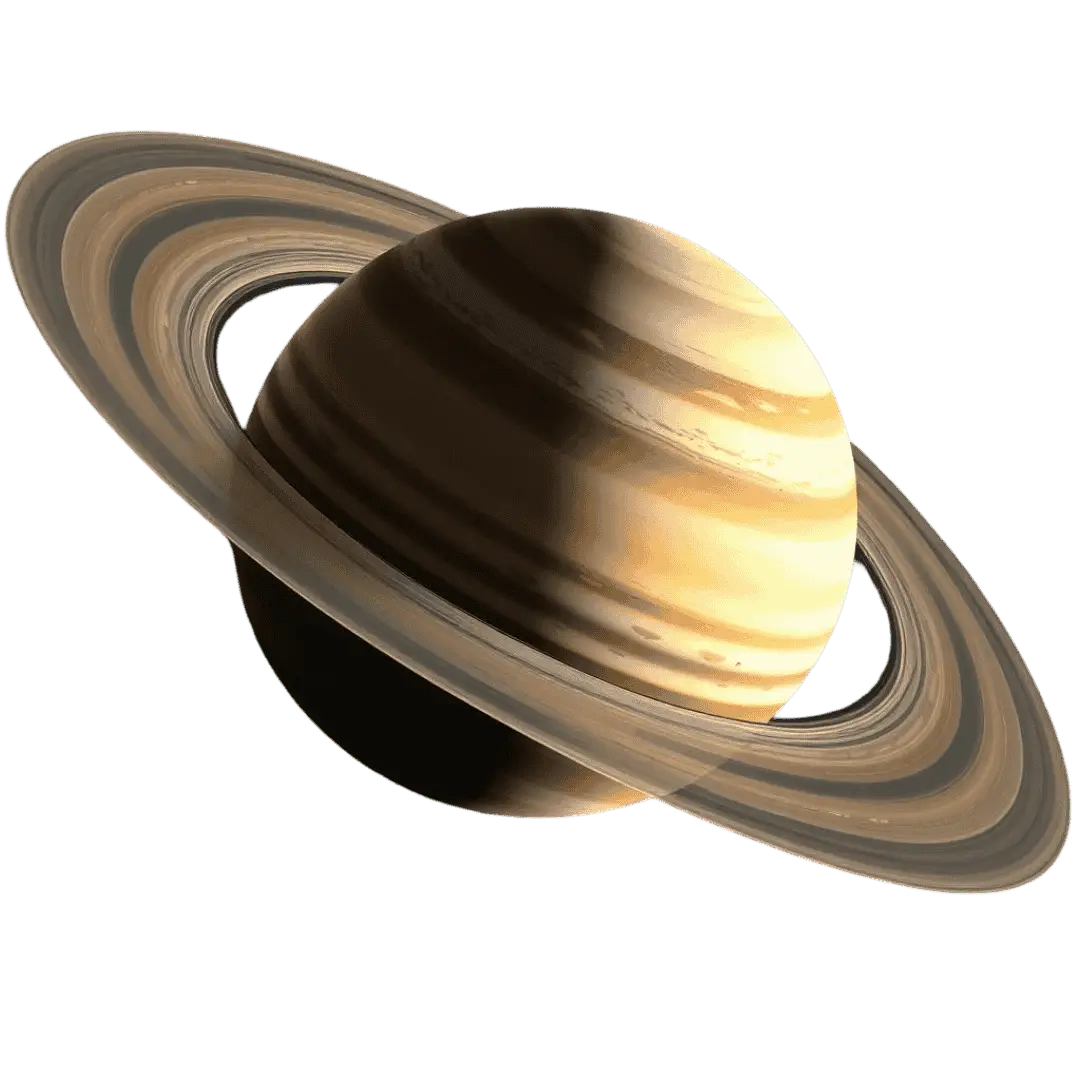
    Saturn’s rings are made of ice and rock particles.

  • Fact #7

    Uranus rotates on its side, a 98° tilt!

  • Fact #8

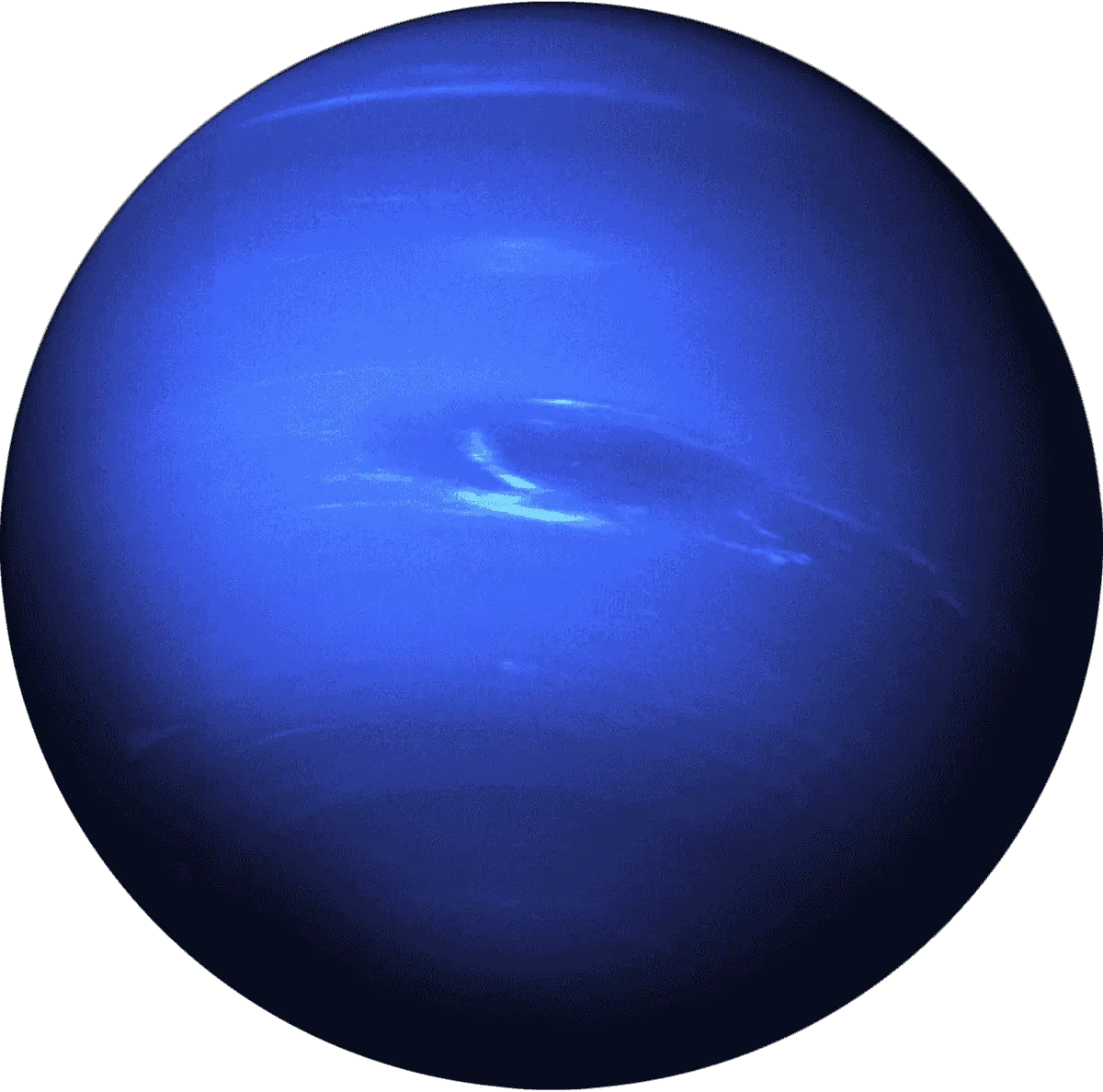
    Neptune has supersonic winds, faster than sound.

  • Fact #9

    Pluto is smaller than Earth’s Moon.

  • Fact #10

    The Solar System is about 4.6 billion years old.

Planet Classifications & Key Facts

The solar system has eight major planets, split into two broad groups: the four rocky inner planets (Mercury, Venus, Earth, Mars), and the four outer giants (Jupiter, Saturn, Uranus, Neptune, two gas giants and two ice giants).

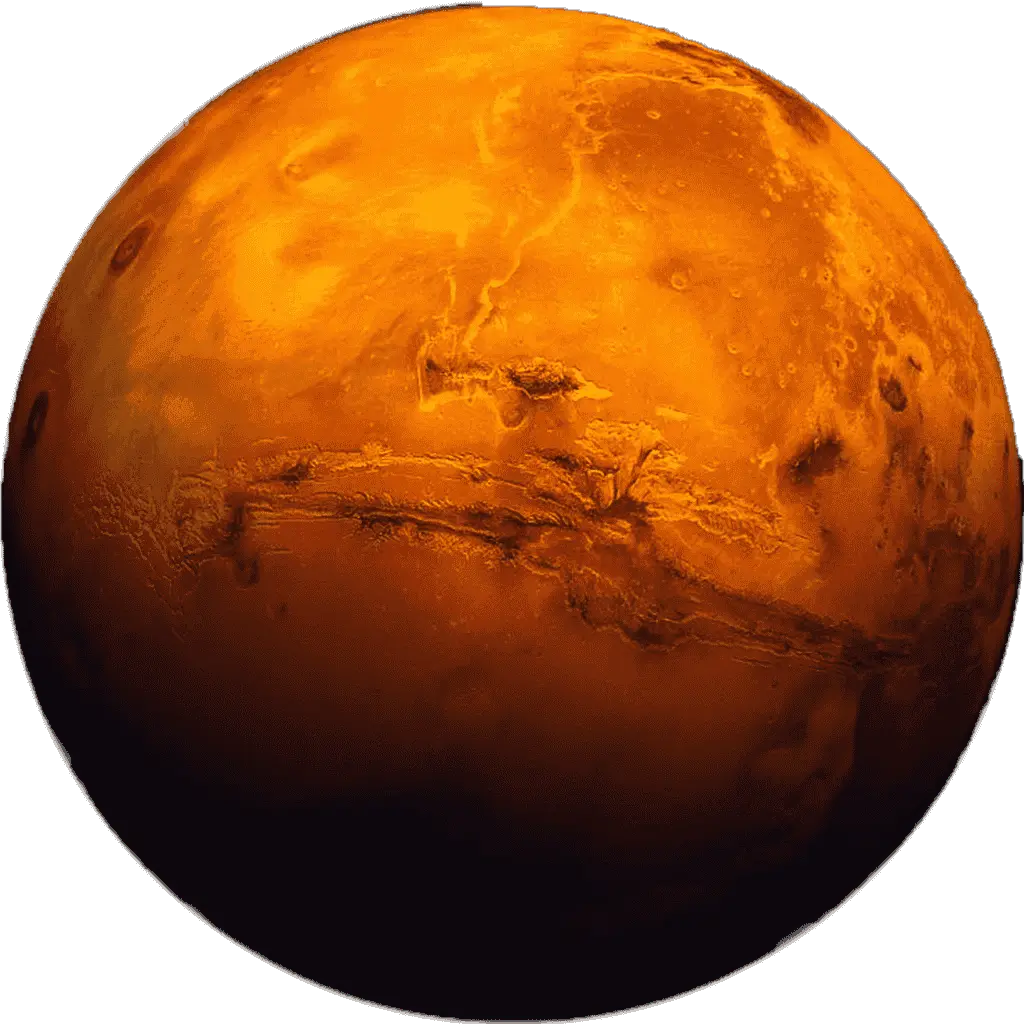
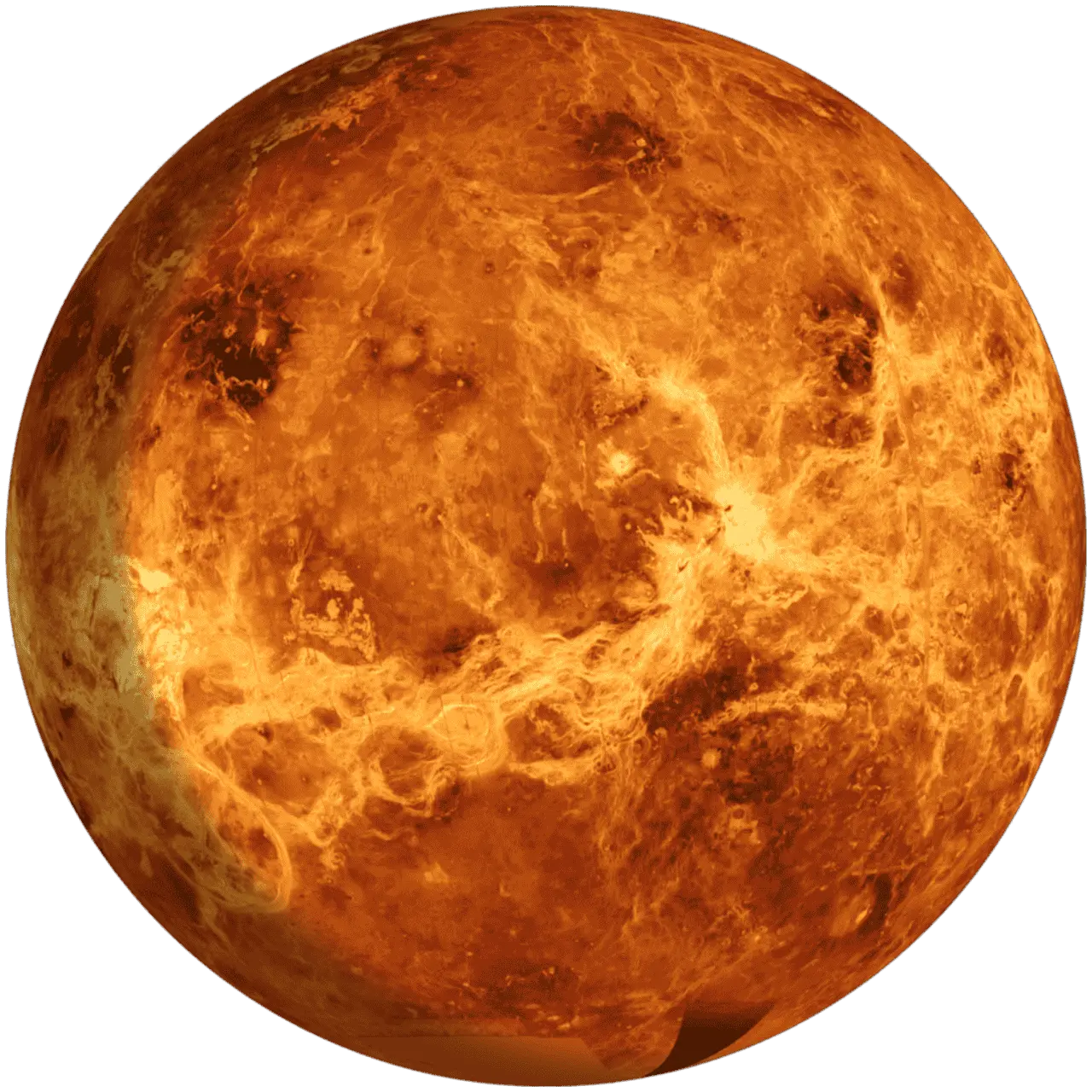
They're not interchangeable. Mercury has no real atmosphere and swings between 430°C in sunlight and -180°C in shadow. Venus, roughly Earth's twin in size, has a thick CO₂ atmosphere that traps heat to 465°C, hotter than Mercury despite being farther from the Sun. Earth is the only one we know to have liquid water on its surface. Mars lost most of its atmosphere long ago and is now a cold desert with a thin CO₂ sky.

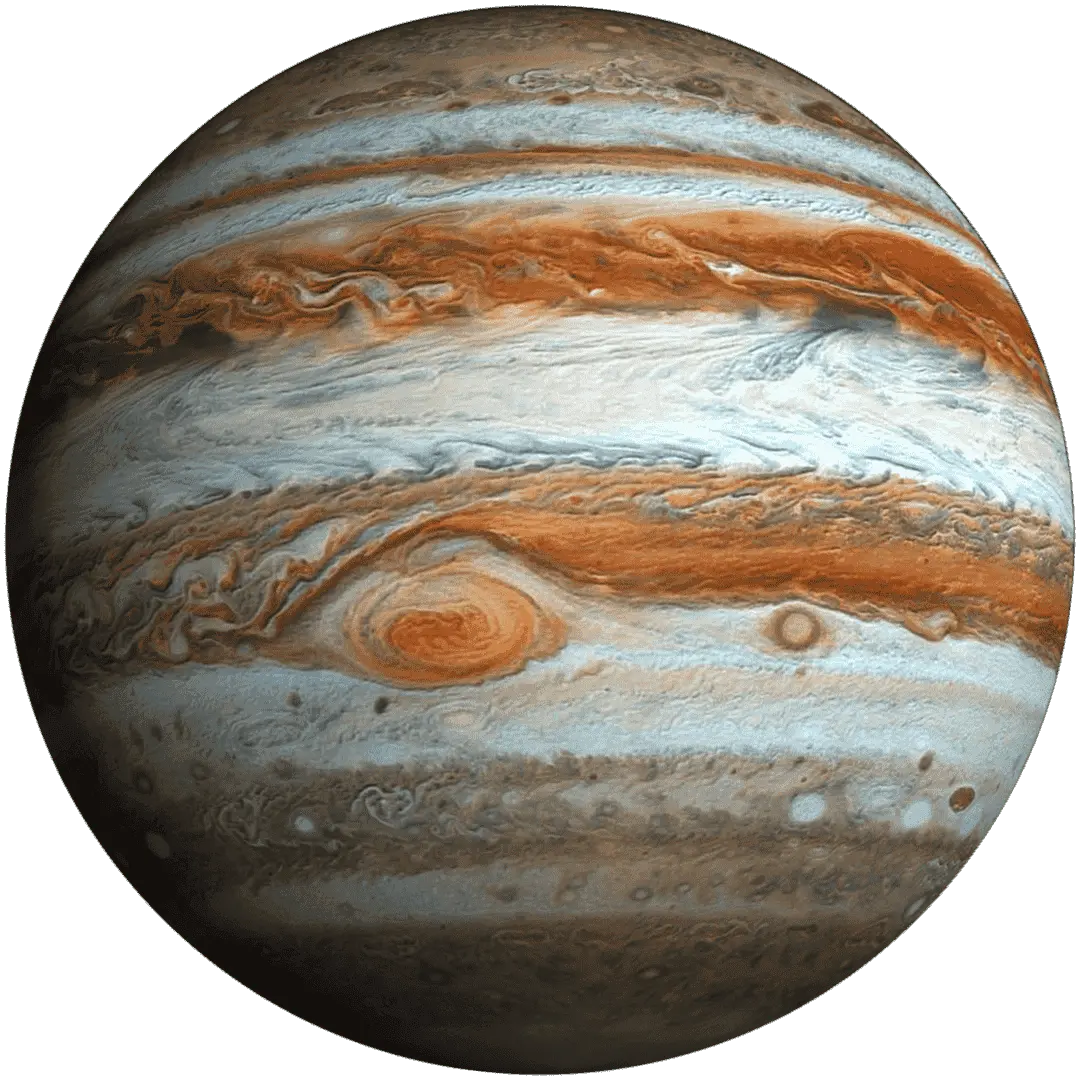
Then there's the jump to the giants. Jupiter is about 1,300 times the volume of Earth. Saturn's rings are made of ice and rock particles ranging from grains of sand to apartment-sized boulders. Uranus and Neptune are technically ice giants, their interiors contain more water, ammonia, and methane than hydrogen gas.

Beyond the eight planets, five bodies are officially classified as dwarf planets: Pluto, Eris, Haumea, Makemake, and Ceres, the only dwarf planet in the asteroid belt. The distinction matters because a planet must have cleared its orbital neighborhood of other debris. Dwarf planets haven't.

The 8 Major Planets

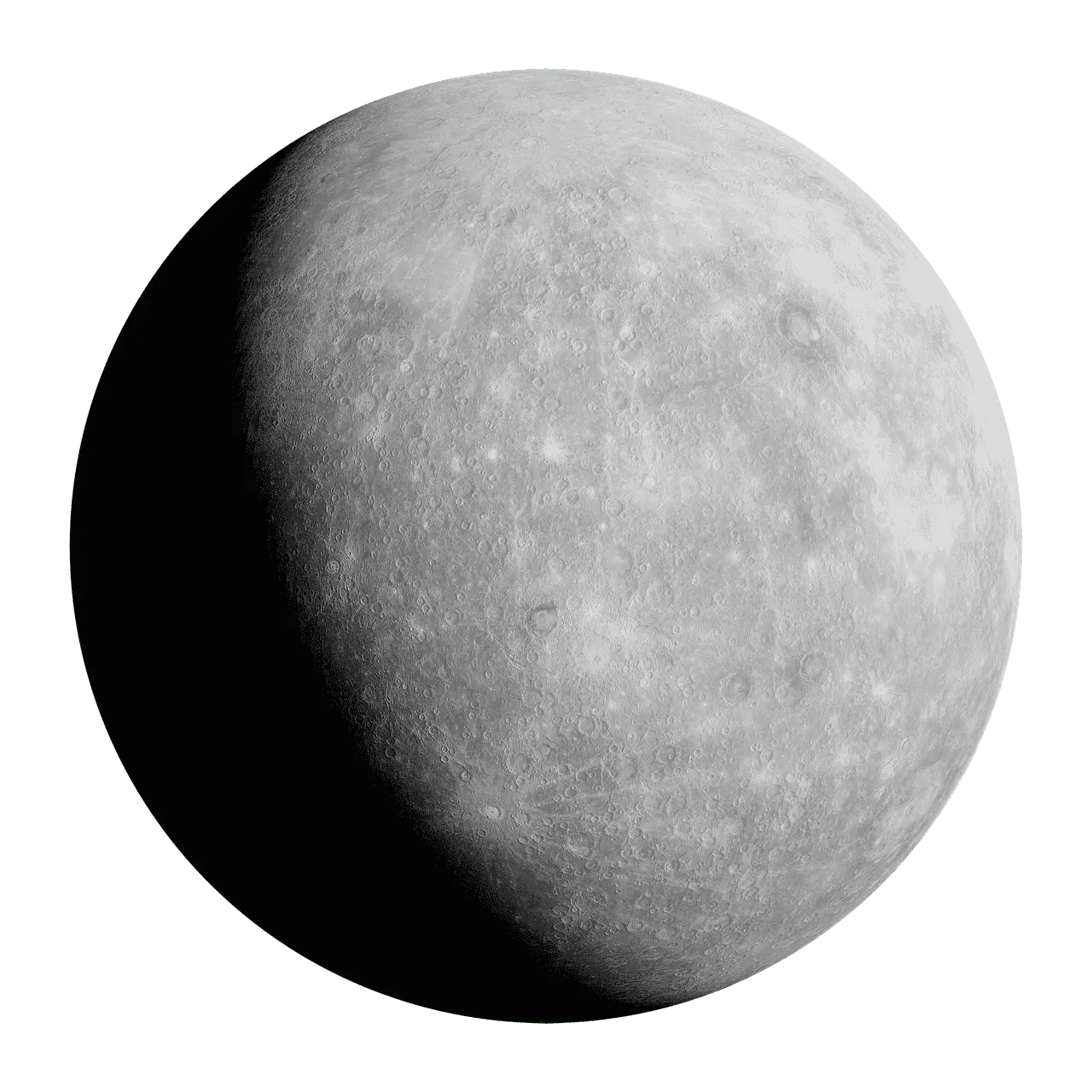
  • Mercury: Smallest, closest to Sun
  • Venus: Hottest due to thick atmosphere
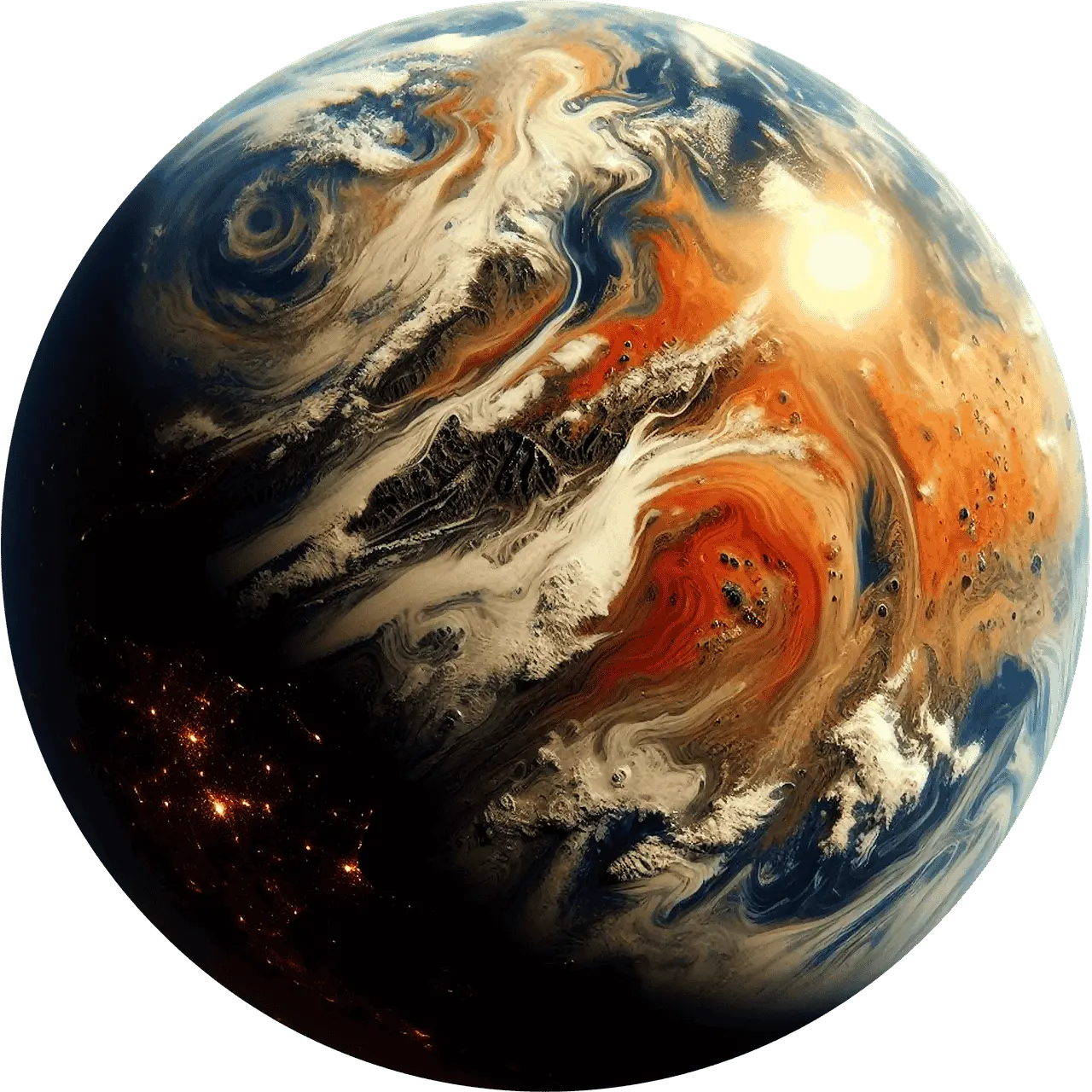
  • Earth: The only known habitable planet
  • Mars: Known as the Red Planet
  • Jupiter: Largest and gas giant
  • Saturn: Famous for its ring system
  • Uranus: Icy and tilted sideways
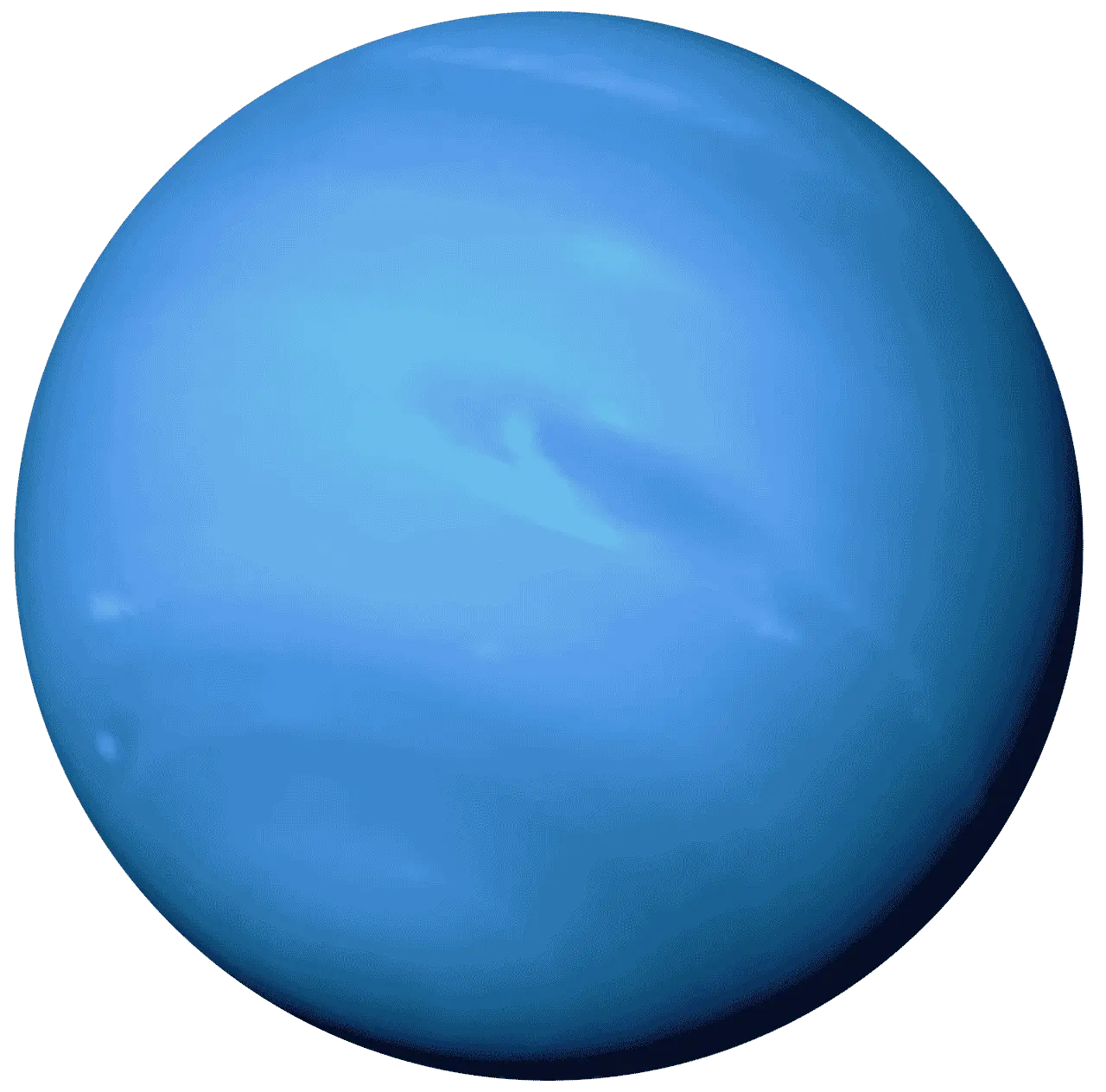
  • Neptune: Strongest winds, farthest known planet

Dwarf Planets (IAU Recognized)

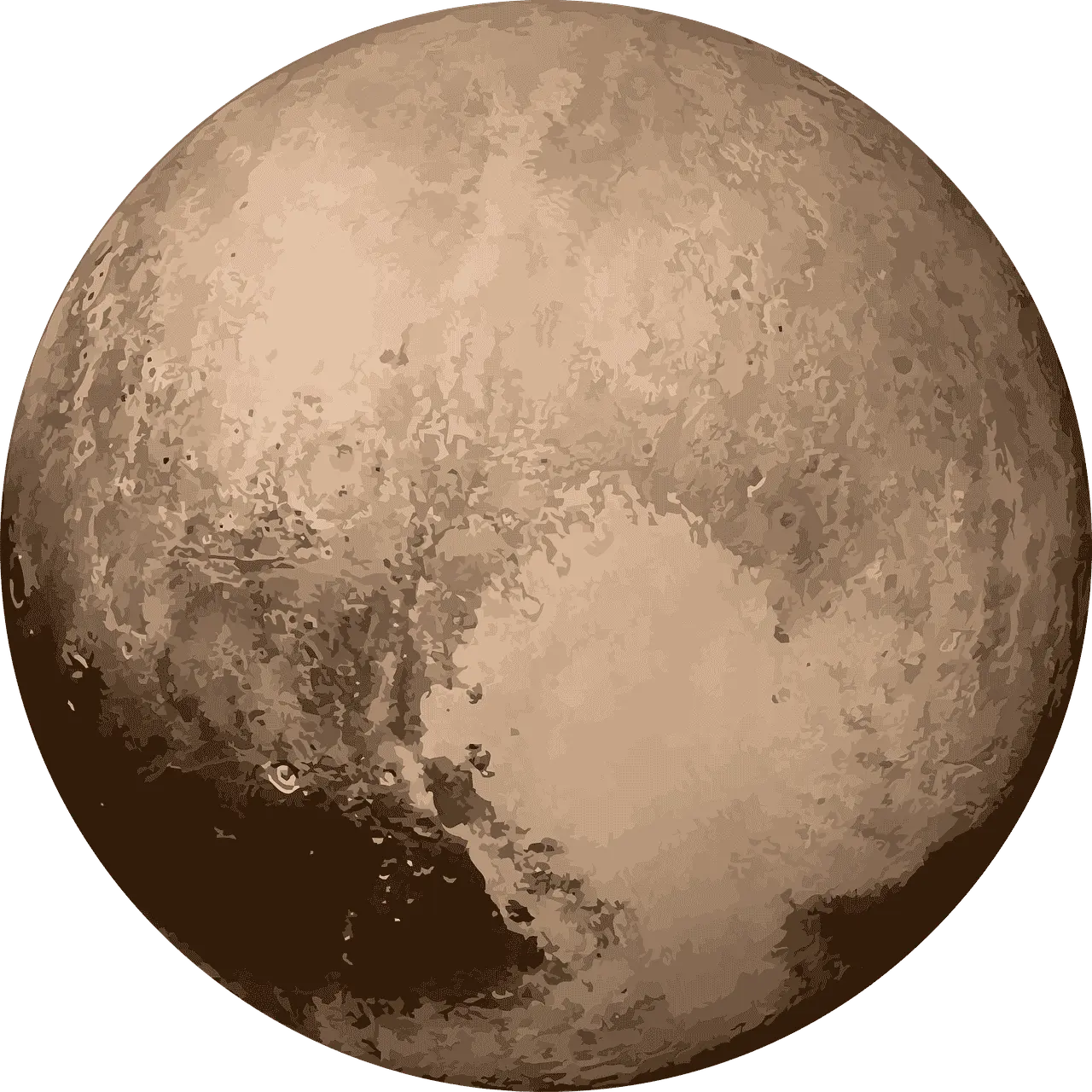
  • Pluto: Once a planet, now a dwarf
  • Eris: Slightly more massive than Pluto
  • Haumea: Oval-shaped due to rapid rotation
  • Makemake: Similar to Pluto, very bright
  • Ceres: Found in the asteroid belt

The 8 Planets & 1 Dwarf Planet

Explore detailed information about each planet by clicking the cards below.

Moons of the Solar System

Over 200 known moons orbit planets and dwarf planets in our solar system. They're not all the same, not even close.

Some are cratered rocks with no geology to speak of. Others are geologically active, harbor subsurface oceans, or rain organic chemistry from their atmospheres. A few are serious candidates in the search for life.

Jupiter's moons are a system unto themselves. Europa has a global saltwater ocean beneath its icy crust, kept liquid by tidal heating from Jupiter's gravity. It's one of the strongest candidates for extraterrestrial life in the solar system. Io, by contrast, is the most volcanically active body we've found anywhere, covered in hundreds of active volcanoes spewing sulfur hundreds of kilometers into space. Ganymede, Jupiter's largest moon, is bigger than Mercury and has its own magnetic field.

Saturn's Titan has a thick nitrogen atmosphere, rivers and lakes of liquid methane, and complex organic chemistry falling as rain. It's the only moon with a dense atmosphere and the only world besides Earth known to have stable surface liquids. The Huygens probe landed there in 2005 and sent back photos of a methane shoreline. Saturn's Enceladus shoots jets of water ice from cracks at its south pole into space, evidence of a liquid ocean below the ice.

Io, another of Jupiter’s moons, is the most volcanically active body in the solar system, with hundreds of erupting volcanoes spewing sulfur and molten lava across its surface.

Neptune's moon Triton orbits in the wrong direction, retrograde, opposite Neptune's spin, which means it was likely captured from the Kuiper Belt rather than formed alongside the planet. It has active nitrogen geysers and is slowly spiraling inward. In about 3.6 billion years, Neptune's tidal forces will tear it apart.

Earth's Moon is less exotic than some of these, but it's not unimportant. It stabilizes Earth's axial tilt, which stabilizes our seasons, drives the tides, and its unchanged surface preserves the impact record of the early solar system better than Earth's rock-recycling geology does.

Together, these moons are more than just companions to planets, they are dynamic worlds that hold clues to the solar system’s past and future.

Moon

Moon of Earth

The only natural satellite of Earth and the only moon visited by humans.

Ganymede

Moon of Jupiter

The largest moon in the Solar System, even bigger than Mercury.

Titan

Moon of Saturn

Has a dense atmosphere and liquid methane lakes on its surface.

Io

Moon of Jupiter

The most volcanically active body in the Solar System.

Europa

Moon of Jupiter

May contain a subsurface ocean beneath its icy crust.

Triton

Moon of Neptune

Retrograde orbit and potential cryovolcanoes make it unique.