Neptune planet serves as a chilling reminder of how violent and cold the outer reaches of our solar system can be. It’s the only world in our neighborhood that’s not visible to the naked eye from Earth. Standing nearly 2.8 billion miles from the Sun, this frozen giant remains shrouded in mystery despite decades of observation. When our team analyzed the 2022 near-infrared composites from the James Webb Space Telescope, the visibility of the narrow rings on the Neptune planet challenged every existing brightness model we had on file. You won’t find a more aggressive environment in our local star system than this.
Overview of Neptune Planet
This massive world is roughly 17 times the mass of Earth. Astronomers often call it an ice giant because most of its mass is a hot, dense fluid of icy materials. This slushy mix sits atop a small, rocky core about the size of our home planet. It’s a place where gravity is actually quite similar to Earth’s: only 14% stronger. If you could stand on its clouds, you’d feel slightly heavier, but the wind would likely tear you apart instantly.
Formation and Evolution of Neptune
Most researchers believe this giant formed much closer to the Sun about 4.5 billion years ago. It then migrated outward to its current position through gravitational interactions with Jupiter and Saturn. During this migration, it scooped up massive amounts of primordial gas and ice from the protoplanetary disk. This history explains its unique chemical signature compared to the inner rocky worlds. It also suggests that the early solar system was far more chaotic than the stable clockwork we see today.
Structure and Composition of Neptune
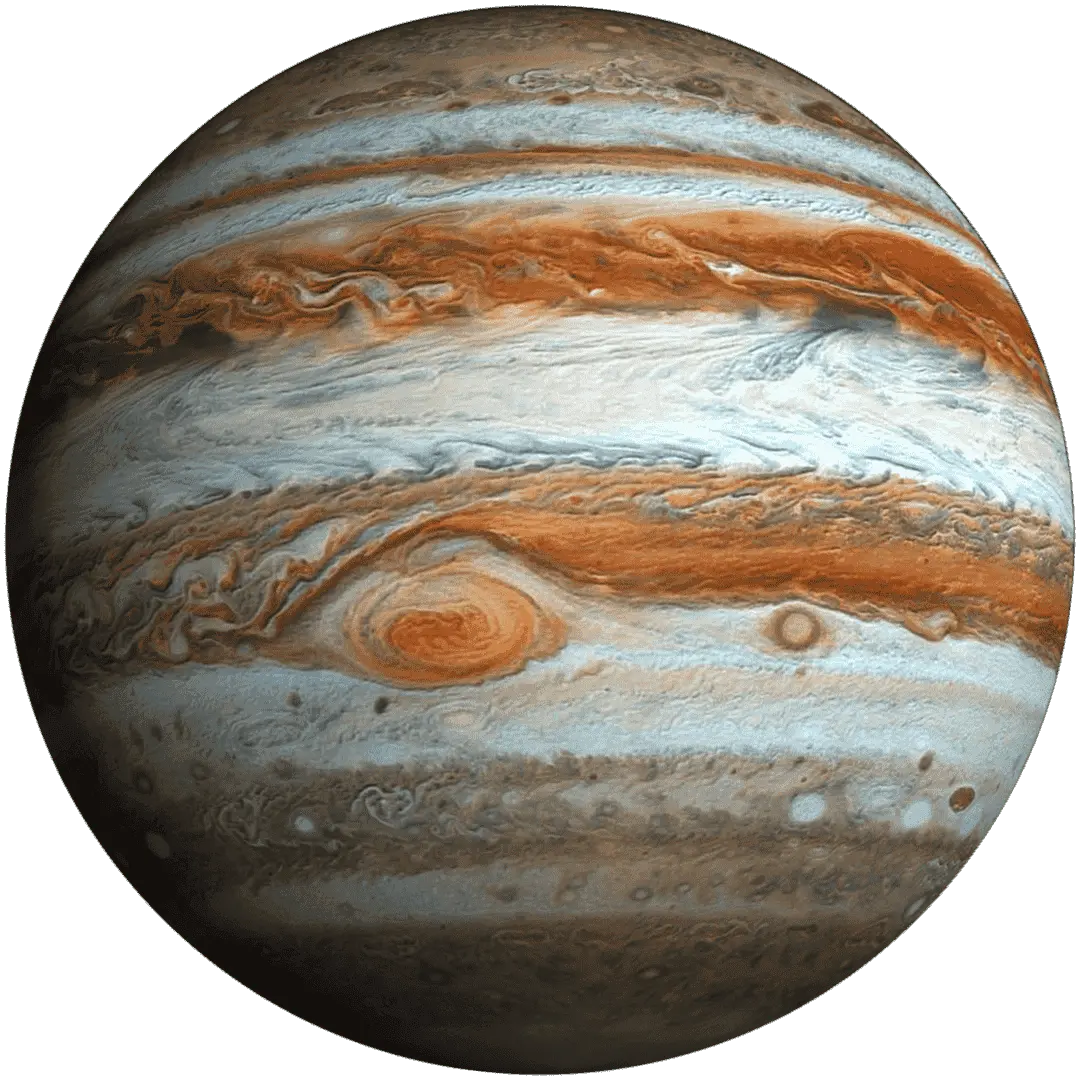
Neptune’s internal makeup is radically different from the gas giants Jupiter and Saturn. While they’re mostly hydrogen and helium, the Neptune planet consists primarily of water, methane, and ammonia. Deep within its mantle, the pressure becomes so extreme that it squeezes carbon atoms into solid crystals. We suspect it literally rains diamonds tens of thousands of miles beneath the visible cloud tops. These diamonds sink toward the core like heavy hailstones through a thick, superheated slush.
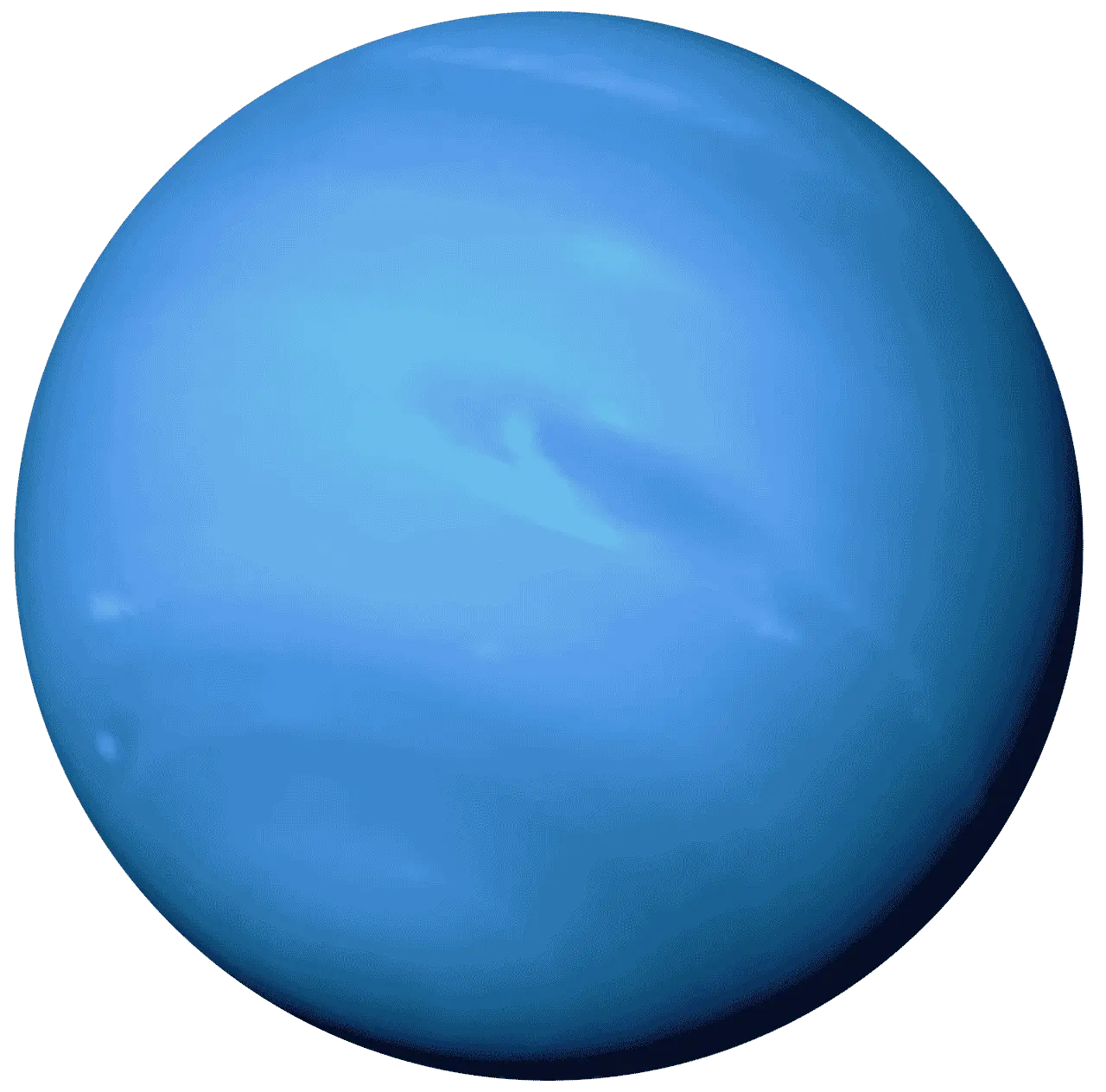
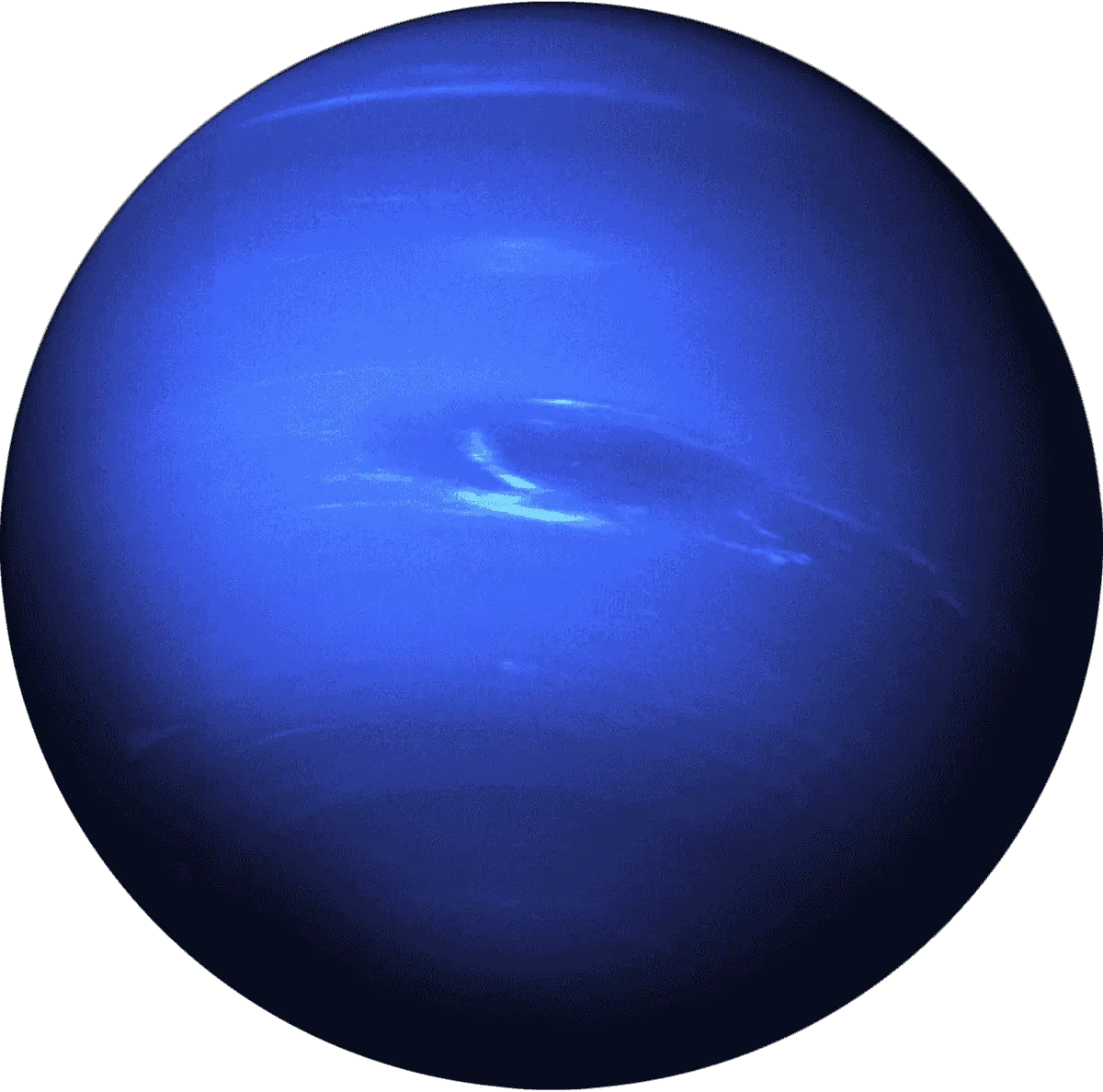
The outer atmosphere still contains plenty of hydrogen and helium, but it’s the trace methane that defines its look. This gas absorbs red light and reflects the blue wavelengths back into space. Many people ask why this world is so much bluer than its neighbor Uranus. We’ve found that Neptune has a thinner layer of hazy particles in its atmosphere, allowing its deep blue hue to shine through more clearly. NASA’s overview confirms that these dynamics remain a focal point for modern planetary science.
Rotation, Orbit, and Temperature Extremes on the Neptune Planet
One year on this distant world takes about 165 Earth years. Since its discovery in 1846, the Neptune planet has only finished a single orbit around the Sun. Despite this slow trek, its days are quite fast, and it rotates once every 16 hours. This rapid spin drives some of the most extreme weather in the cosmos. Temperatures at the cloud tops drop to -373 degrees Fahrenheit (-225 degrees Celsius). It’s an environment of total refrigeration and brutal speed.
Surface Features of Neptune
You can’t really walk on this planet because it doesn’t have a solid surface, and instead, you’d descend through layers of thickening gas until the pressure crushed you. High in the sky, astronomers have spotted ‘Great Dark Spots,’ which are essentially massive anticyclonic storms. These vortices come and go over years, unlike Jupiter’s Great Red Spot which has lasted centuries. White clouds of methane ice also zip across the blue background at supersonic speeds, driven by heat rising from the planet’s interior.
Exosphere and Magnetic Field of the Neptune Planet
The magnetic field here is a total mess. It’s tilted at 47 degrees relative to the planet’s rotation axis. Not only that, but the magnetic poles are shifted away from the center. This creates a wobbly, asymmetrical magnetosphere that changes constantly as the planet spins. We think this weird behavior stems from convective motions in a thin, electrically conducting layer of salty water within the mantle.
How Neptune Compares to Other Planets
It stands as the smallest of the four giant planets in our system. While it’s smaller in diameter than Uranus, it’s actually more massive. This indicates that it’s much denser and likely holds more heavy elements deep inside. In terms of wind, it’s the undisputed champion, and wind speeds on the Neptune planet can reach 1,200 miles per hour. That’s faster than the speed of sound on Earth, making even our worst hurricanes look like a light breeze.
Key Facts and Figures of the Neptune Planet
- Distance from Sun: 2.8 billion miles on average.
- Diameter: 30,599 miles (almost 4 Earths wide).
- Number of Moons: 14 known moons, with Triton being the largest.
- Rings: Five main rings made of dark dust and debris.
- Gravity: 11.15 m/s² (1.14 times Earth’s gravity).
- Discovery: Mathematically predicted by Urbain Le Verrier before it was seen.
Exploration and Latest Discoveries on the Neptune Planet
Only one spacecraft has ever visited this distant world. Voyager 2 flew past in 1989, giving us our first close look at the rings and the Great Dark Spot. Everything we knew for the next 30 years came from those few hours of data. But the tide is turning. Earth-based telescopes and orbital observatories now fill the gaps in our knowledge with fresh data every month.
The James Webb Space Telescope recently provided the clearest views of the rings in decades. By using infrared sensors, we’ve detected bright, high-altitude clouds that were previously invisible. These clouds likely track changes in Neptune’s 40 year long seasons, and plus, we’ve noticed that the planet’s brightness varies with the solar cycle. It’s a living, breathing weather system at the edge of the dark.
Why Neptune Matters
Studying this world helps us understand the thousands of ‘exo-Neptunes’ orbiting other stars. Most planets found outside our solar system fall into this size range. If we can figure out what makes the Neptune planet tick, we can better model the billions of other blue giants scattered throughout the Milky Way. It’s a laboratory for extreme physics that we can’t replicate on Earth.
FAQs About Planet Neptune
-
Is the Neptune planet a gas giant or an ice giant?
It’s technically an ice giant. While it has a thick atmosphere, the bulk of its mass is made of heavier ‘ices’ like water and methane rather than light gases.
-
How many rings does Neptune have?
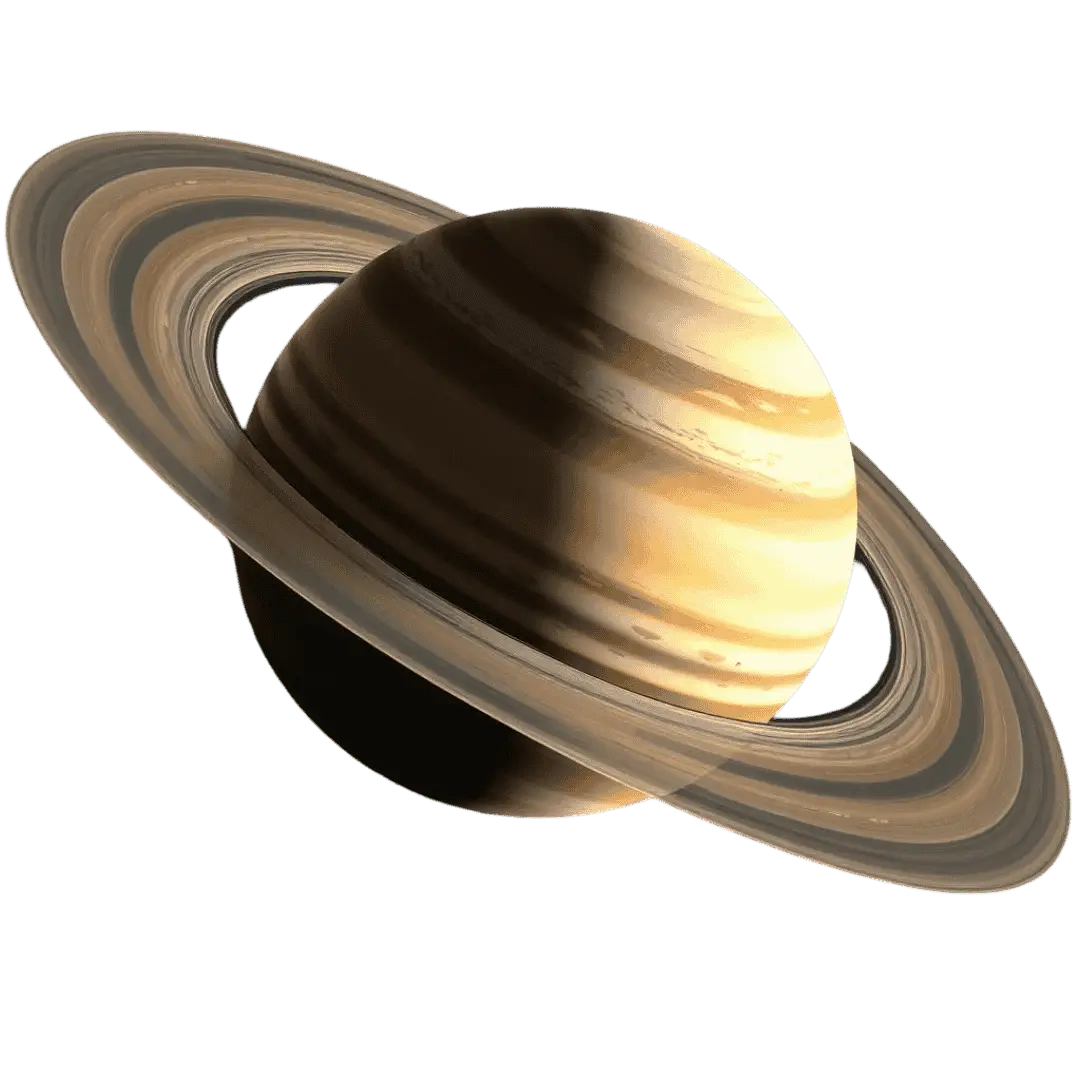
There are five primary rings: Galle, Le Verrier, Lassell, Arago, and Adams. They’re mostly clumps of dust rather than the broad ice sheets seen around Saturn.
-
Why is it so cold?
It sits incredibly far from the Sun, receiving only a tiny fraction of the sunlight Earth does. Its extreme distance makes it a deep freezer.
-
Can humans ever land on it?
No. There’s no solid ground to land on. The pressure and heat in the deeper layers would vaporize any known spacecraft materials.
-
Who discovered the Neptune planet?
Johann Gottfried Galle was the first to see it through a telescope. But the credit also goes to Urbain Le Verrier who predicted its position using math.
Final Thoughts
This blue world remains an alien frontier that challenges our understanding of fluid dynamics and heat. From its supersonic winds to the hidden diamond rain, the Neptune planet is a masterpiece of extreme planetary evolution. We’ve only scratched the surface. Future missions might finally reveal the secrets of its lopsided magnetic field and icy heart.