You might think Mercury would be the hottest world since it’s closest to the Sun. It isn’t. The title of the most scorching world belongs to the Venus planet, a place where lead melts on the ground. It shines bright in our evening sky, but don’t let that beauty fool you. Beneath those thick, yellow clouds lies a pressure cooker environment that’s hostile to every form of life we know. It’s a twin to Earth in size, yet its personality is purely hellish.
Overview of Venus Planet
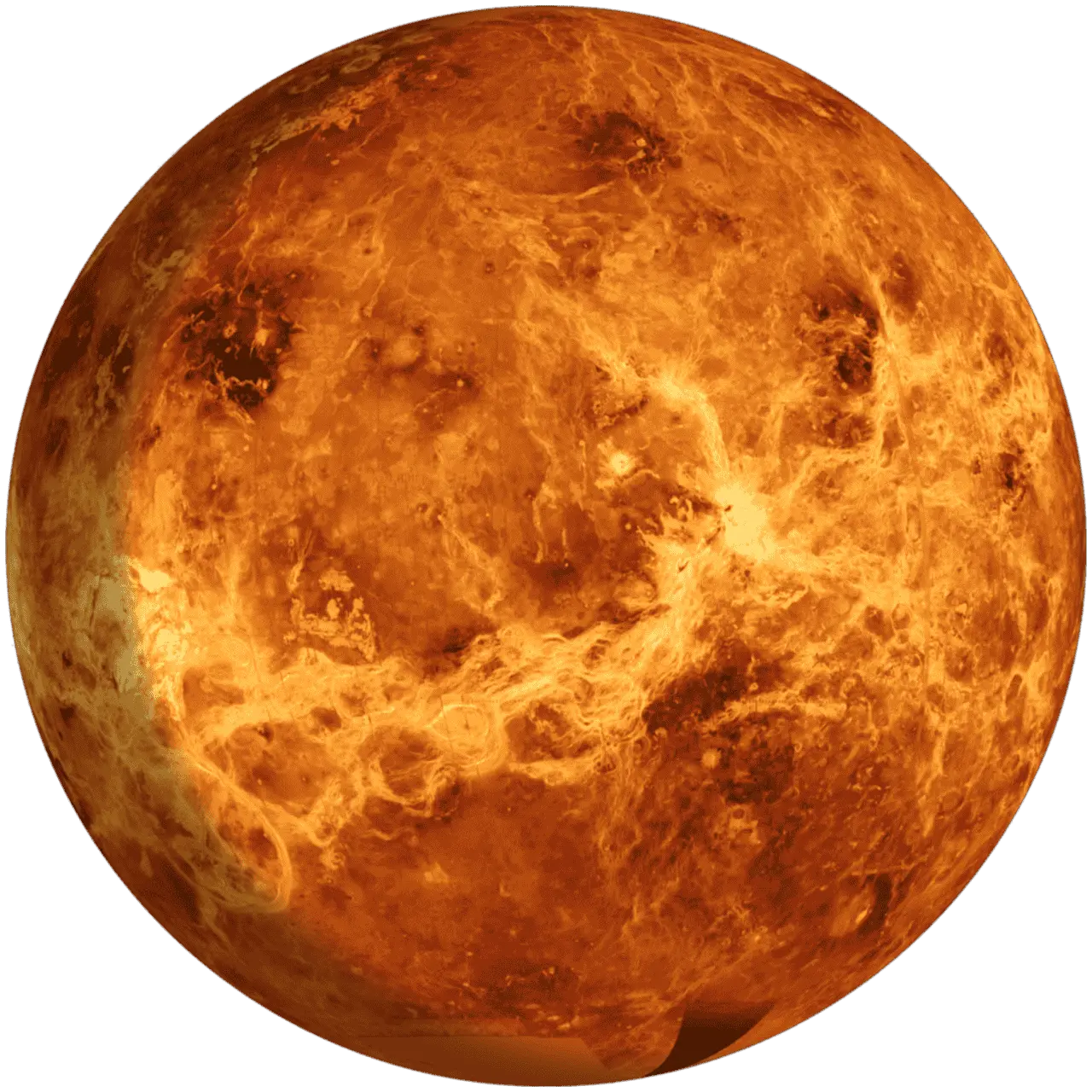
Venus is often called Earth’s sister world. This is because both worlds share similar gravity and composition, and still, the similarities end there. Venus has a thick atmosphere that traps heat in a deadly cycle. Surface temperatures stay around 900 degrees Fahrenheit (475 degrees Celsius) regardless of whether it’s day or night. It’s a dry, rocky desert wrapped in clouds of sulfuric acid. Sunlight can barely reach the ground through the haze.
Formation and Evolution of Venus Planet
Scientists believe Venus started much like Earth did 4.5 billion years ago. Both worlds likely had liquid water oceans on their surfaces. When I reviewed the thermal mapping data from old mission archives, it became clear how much water the planet lost. The young Sun grew brighter and hotter over millions of years. This extra energy evaporated the Venusian oceans, kicking off a cycle that couldn’t be stopped.
Once the water turned to vapor, it acted as a trap for heat. Carbon dioxide began to build up in the air because there were no oceans left to soak it up. The rocks baked and released even more gases, and this runaway greenhouse effect turned a once habitable world into a furnace. It serves as a stark warning about how quickly a planetary climate can shift toward extremes.
Structure and Composition of Venus Planet
The interior of this world is likely very similar to Earth’s internal layout, and it has an iron core that’s about 2,000 miles wide. Above that core sits a mantle made of hot, rocky material that moves slowly. The crust is a thin shell of silicate rock. Unlike Earth, this planet doesn’t have a global magnetic field generated by its core. It’s possible the core is solid, or it doesn’t move fast enough to create a dynamo effect.
Rotation, Orbit, and Temperature Extremes
Time works differently here, and one day on this planet lasts longer than its entire year. It takes about 243 Earth days to spin once on its axis. By contrast, it orbits the Sun in just 225 days. The planet also spins backward compared to most of its neighbors. This means the Sun rises in the west and sets in the east. It’s a slow, lethargic rotation that puzzles astronomers to this day.
The heat doesn’t care about day or night. Because the air is so thick, it moves heat around the planet like a giant blanket. You won’t find a cool breeze anywhere on the surface, and the atmospheric pressure is also crushing. Standing on the ground would feel like being 3,000 feet underwater in an Earth ocean. Your body would be flattened instantly by the weight of the air.
Surface Features of Venus Planet
The terrain is a mix of vast plains and giant mountains. Large volcanic shields dominate much of the geography. We’ve found evidence that some of these volcanoes might still be active today. There are very few impact craters on the surface, and this tells us that the ground is relatively young. Geological forces or lava flows likely erased the older scars left by asteroids. Huge rift valleys also stretch across the equator, showing that the crust has been pulled apart.
Exosphere and Magnetic Field
Venus lacks a protective magnetic shield. This makes it vulnerable to the solar wind, which is a stream of particles from the Sun. The upper atmosphere gets hit directly by these particles. Even so, the interaction creates a ‘pseudo-magnetosphere’ that helps keep some of the air from stripping away. It’s not as effective as Earth’s field, but it keeps the planet from losing its entire atmosphere to space.
How Venus Compares to Other Planets
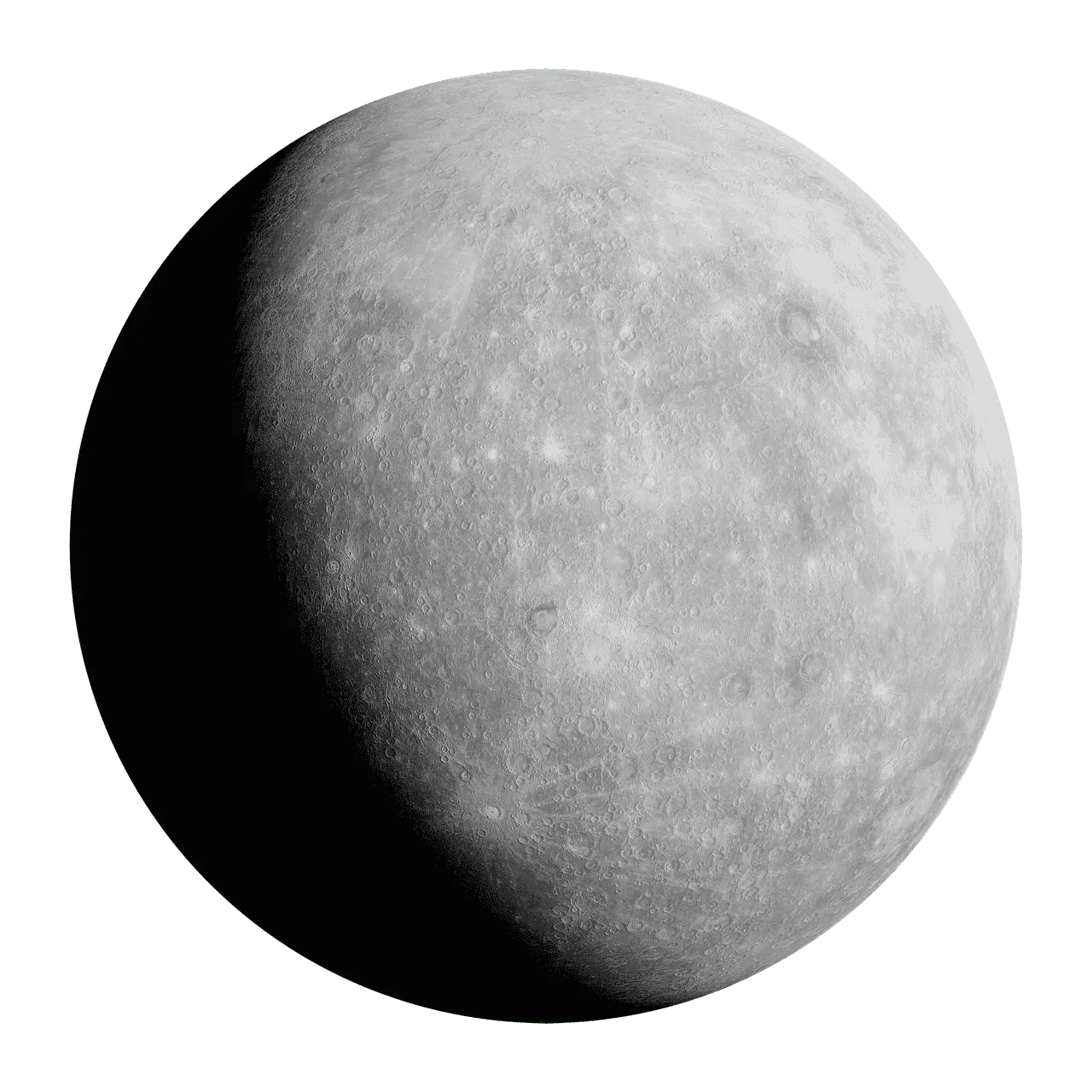
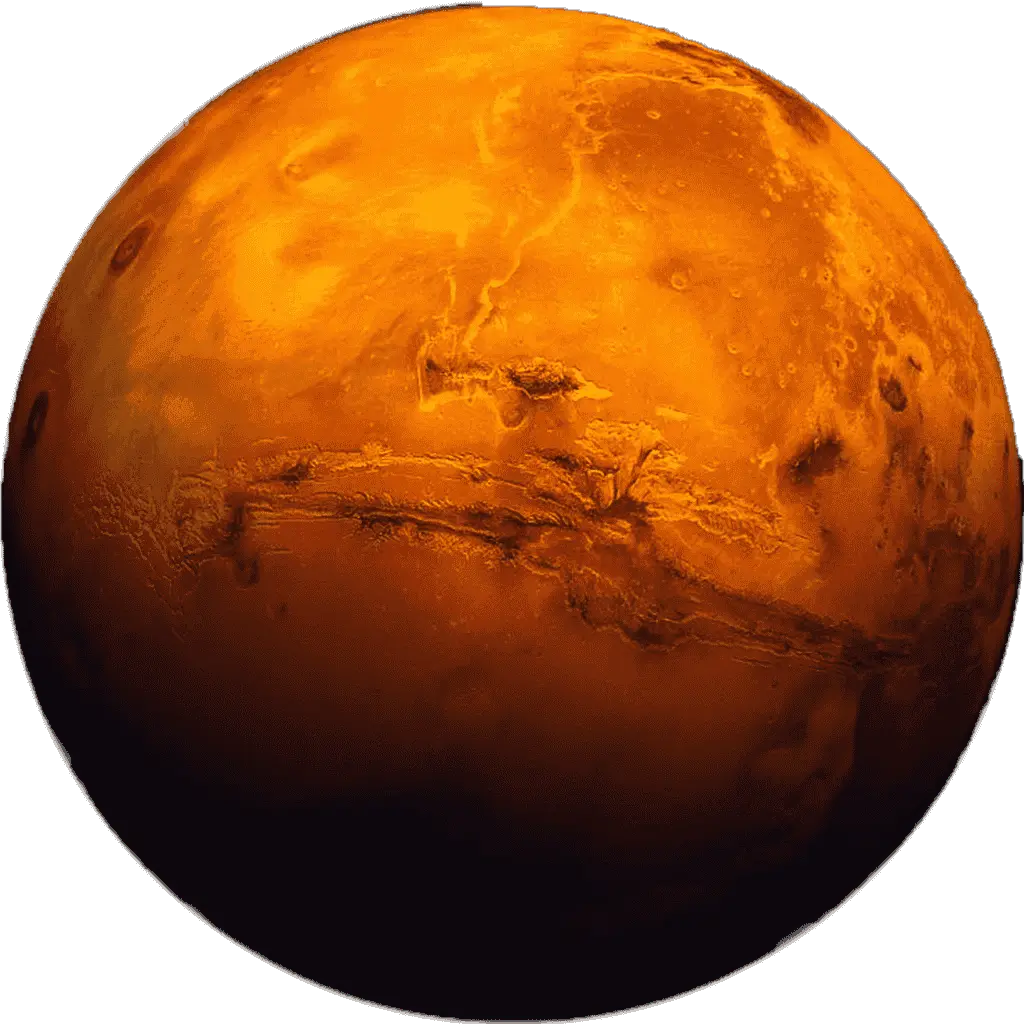
While Mercury sits closer to the fire, it lacks air to hold the heat. This is why Mercury’s night side drops to minus 290 degrees Fahrenheit. The Venus planet stays hot everywhere because of its carbon dioxide. Mars is cold and thin, whereas Venus is hot and thick. It’s the ultimate example of how an atmosphere dictates the rules of a planet’s environment more than distance from the Sun does.
Key Facts and Figures
- Surface Temperature: Constant 900°F (475°C).
- Atmospheric Pressure: 92 times heavier than Earth’s.
- Air Composition: 96% Carbon Dioxide.
- Clouds: Composed of Sulfuric Acid.
- Moons: Zero.
- Distance from Sun: 67 million miles.
Exploration and Latest Discoveries
Sending robots to the surface is a nightmare, and most landers only last for an hour or two before the electronics melt. The Soviet Venera missions gave us our first real look at the rocks in the 1970s and 80s. Recently, NASA and the ESA announced new missions called DAVINCI and VERITAS. These will map the surface and sniff the air with much better tools. They’ll help us see if there was truly an ocean in the distant past.
Recent data also sparked a debate about life. Researchers found hints of phosphine gas high in the clouds where the temperature is milder. On Earth, this gas is usually made by tiny organisms. We don’t have proof of life there yet, but it’s a mystery that demands more study. The clouds might be the only place where anything could survive.
Why Venus Matters
Studying this world helps us protect our own. It shows us what happens when carbon dioxide levels get out of control. We also use it to understand ‘Goldilocks zones’ around other stars, and if we want to find Earth 2.0, we have to know how to distinguish a blue marble from a scorched rock. Venus is the ‘evil twin’ that teaches us the limits of habitability.
FAQs About Venus Planet
-
Why is Venus hotter than Mercury?
The greenhouse effect is the reason. Thick clouds of carbon dioxide act like a thermal trap. Mercury has no air to hold the Sun’s energy, so it loses its heat to space at night.
-
Can humans live on the Venus planet?
Not on the ground. The pressure and heat are too high. Some scientists think we could live in floating ‘cloud cities’ about 30 miles up where the temperature is like Earth’s.
-
Does it rain on Venus?
Yes, but the rain is sulfuric acid. The heat is so intense that the acid evaporates before it ever touches the soil. It’s a cycle of perpetual, stinging mist.
-
What color is the sky?
If you stood on the surface, the sky would look orange or reddish-brown. This is because the thick air scatters the sunlight in a way that blocks blue colors.
-
Is there still volcanic activity?
Most likely. Recent radar data shows changes in heat signatures on the ground. These hot spots suggest fresh lava is flowing from active volcanic vents.
Final Thoughts
The Venus planet remains the most intense environment in our local solar neighborhood. It’s a world of extremes that challenges our technology and our understanding of physics, and every mission there reveals something new about how planets live and die. While it’s a terrifying place to visit, it’s a beautiful place to study from a distance. We’ll keep watching its golden clouds to learn more about our own future among the stars.