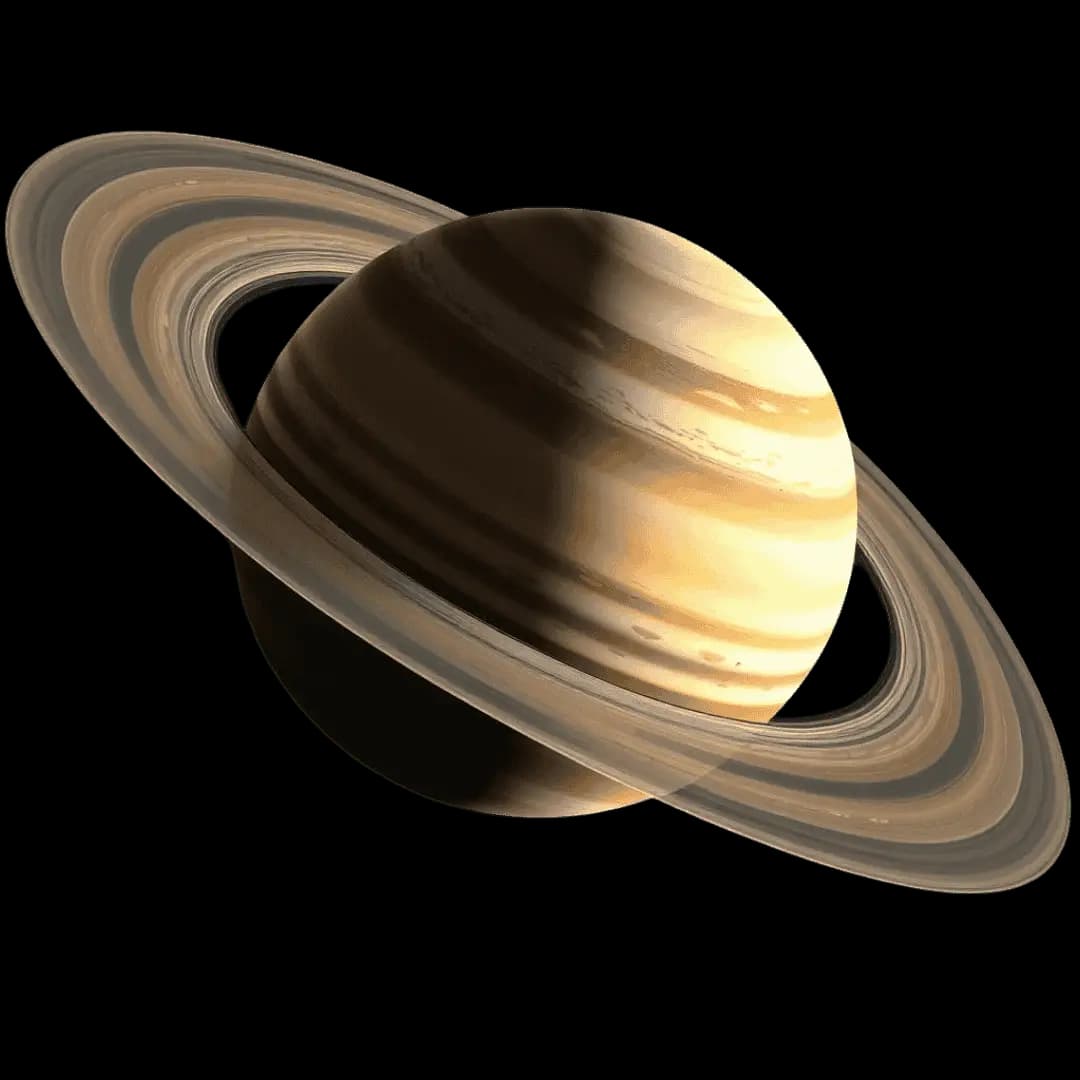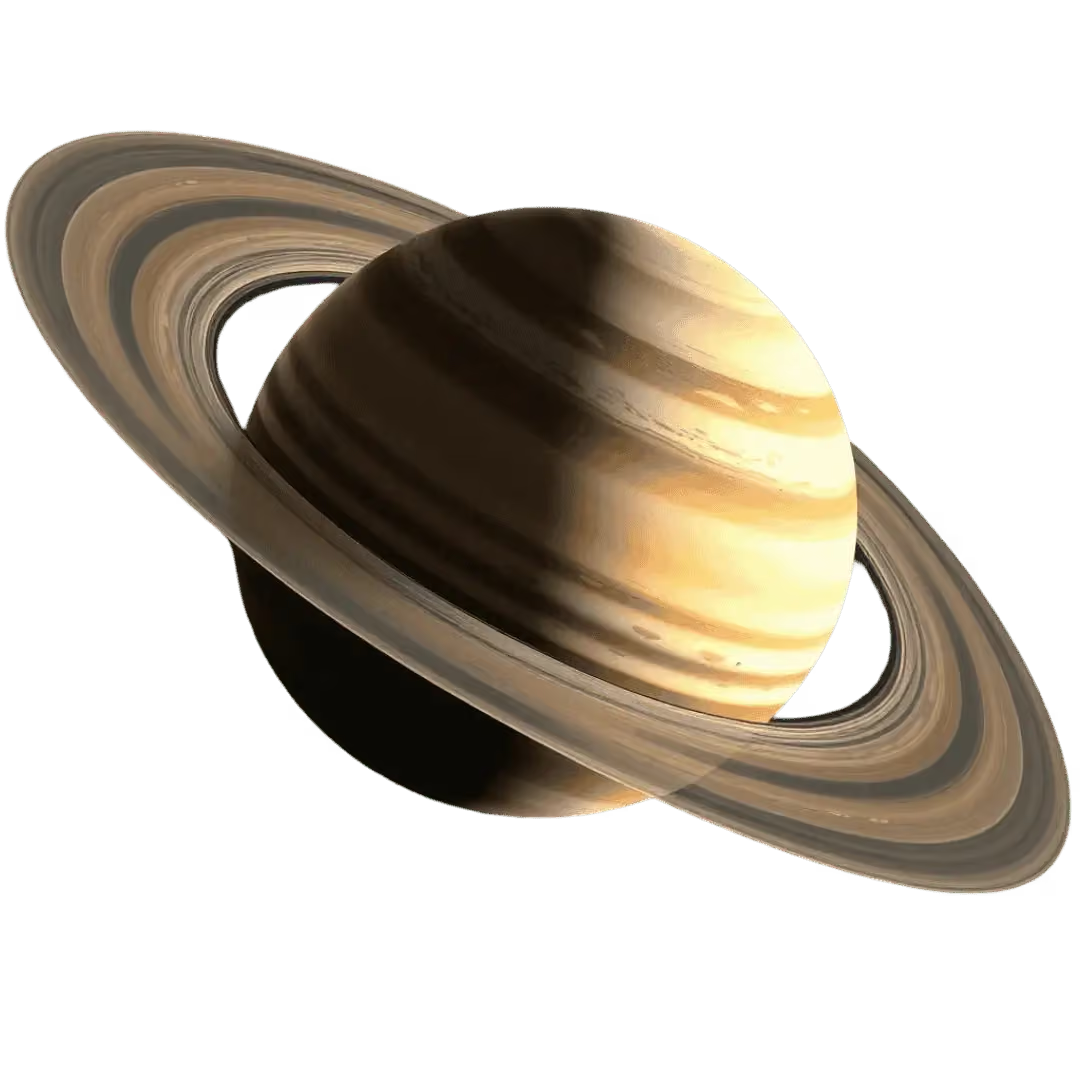
You haven’t truly seen space until you’ve pointed a telescope at the Saturn planet. I remember my first time looking through a glass lens from my porch. That golden ball, framed by its iconic rings, looked like a sticker someone pasted onto the night sky. It’s the kind of sight that turns kids into scientists and skeptics into dreamers, and most planets are just points of light: Saturn is a masterpiece.
Overview of Saturn Planet
This massive world ranks as the sixth planet from our sun. It’s a gas giant, sitting comfortably as the second largest object in the solar system after Jupiter. You won’t find a hard surface to walk on here. Scientists group it with the ‘outer planets,’ located far beyond the asteroid belt’s rocky debris. Because it’s so far out, a single year on this world lasts nearly three decades of Earth time.
Formation and Evolution of Saturn
Gravity started the show about 4.5 billion years ago. A massive cloud of gas and dust began to spin and collapse. Most of that matter formed the sun, but leftovers stayed behind in the cosmic disk. Saturn scooped up a huge share of hydrogen and helium from this neighborhood. It grew so fast that it grabbed enough gas to become a giant before the sun’s solar winds could blow the material away.
Early in its life, the planet might have drifted through the solar system. This movement shook up the orbits of smaller rocks and ice. But this chaotic period helped define the current layout of our cosmic backyard. Some experts believe its massive gravity helped clear out dangerous asteroids, and without that vacuum-cleaner effect, Earth might have faced more frequent collisions.
Structure and Composition of Saturn
Strip away the clouds, and you’ll find layers of intense pressure, and hydrogen makes up most of the volume, transitioning from a gas to a liquid. Deep down, the pressure becomes so extreme it turns hydrogen into a metal. This metallic state allows electricity to flow, creating a powerful magnetic field. At the very center lies a dense core of rock and ice, though it’s much hotter than any oven on Earth.
Rings and Moons of Saturn
The rings define the Saturn planet for everyone who sees them. These aren’t solid paths, but collections of billions of ice chunks. Some pieces are tiny like specks of dust, while others rival the size of mountains. Their shine comes from how well ice reflects sunlight, and recent data suggests these rings are temporary. They’re actually falling into the planet as ‘ring rain’ and might vanish in 100 million years.
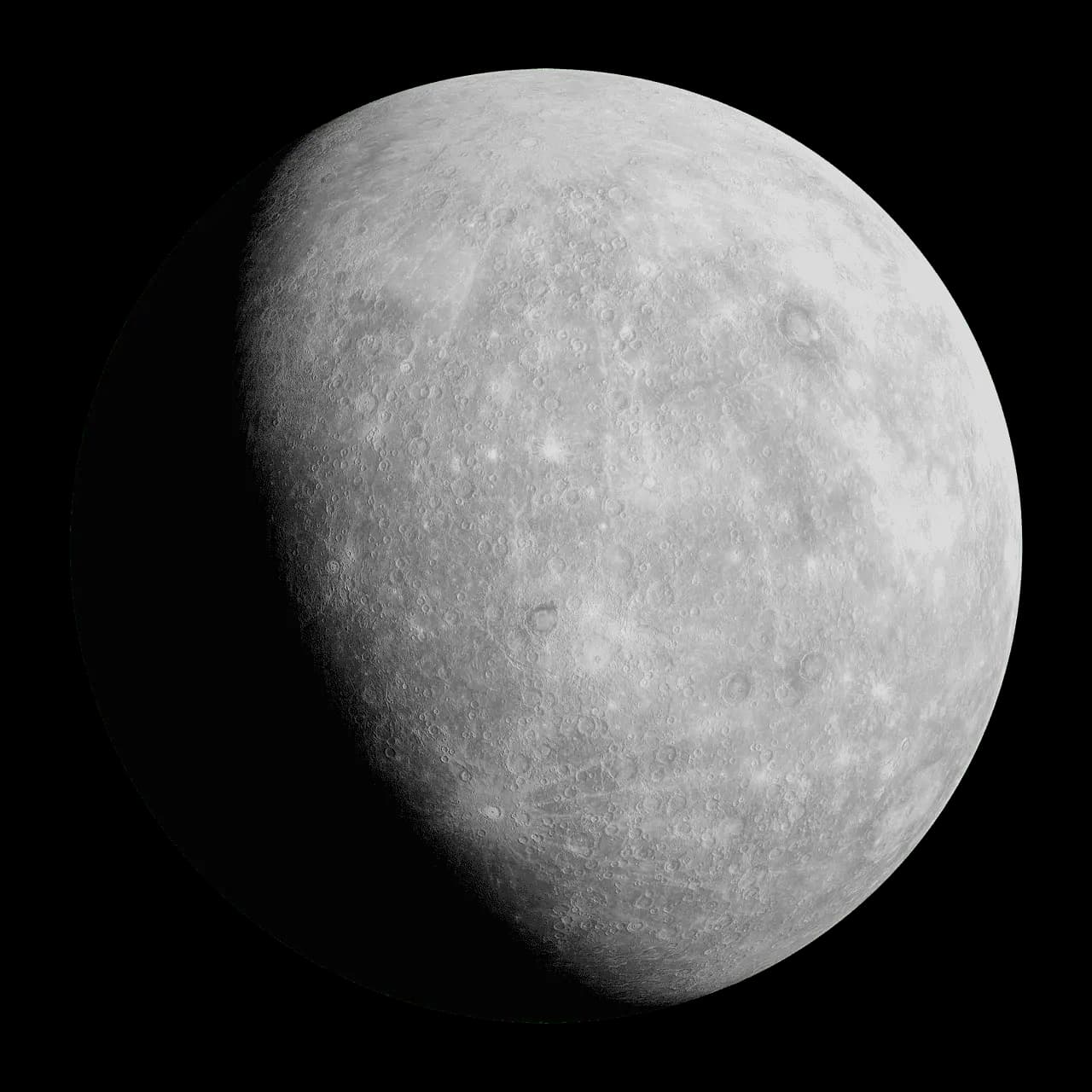
Saturn acts as a master of satellites with over 140 moons, and titan is the standout, being larger than the planet Mercury. It’s the only moon we know of that has a thick atmosphere and liquid lakes. Instead of water, those lakes are filled with liquid methane. Smaller moons like Enceladus hide oceans beneath their ice, shooting watery geysers out into the void.
Rotation, Orbit, and Temperature Extremes of Saturn Planet
Time behaves differently on this world. A single day passes in just ten and a half hours. This rapid spin causes the planet to bulge at its middle and flatten at its poles. If you stood at the clouds, you’d feel the bite of minus 280 degrees Fahrenheit. The winds move faster than a jet plane, reaching speeds of 1,100 miles per hour near the equator.
Surface Features of Saturn Planet
Technically, it lacks a traditional surface, and you’d find layers of yellow and gold clouds made of ammonia crystals. A strange hexagon shape sits at the north pole: a six-sided storm bigger than our planet. High-altitude clouds create long-lasting bands that wrap around the sphere. These streaks are visible even from Earth with a basic telescope setup.
Exosphere and Magnetic Field
Magnetic forces here are massive but weaker than Jupiter’s. The field creates brilliant auroras that glow in ultraviolet light at the poles. It acts as a protective bubble, trapping high-energy particles from the sun. This ‘magnetosphere’ stretches out far into space, engulfing all the major moons, and inside this zone, the environment is harsh and radioactive.
How Saturn Planet Compares to Other Planets
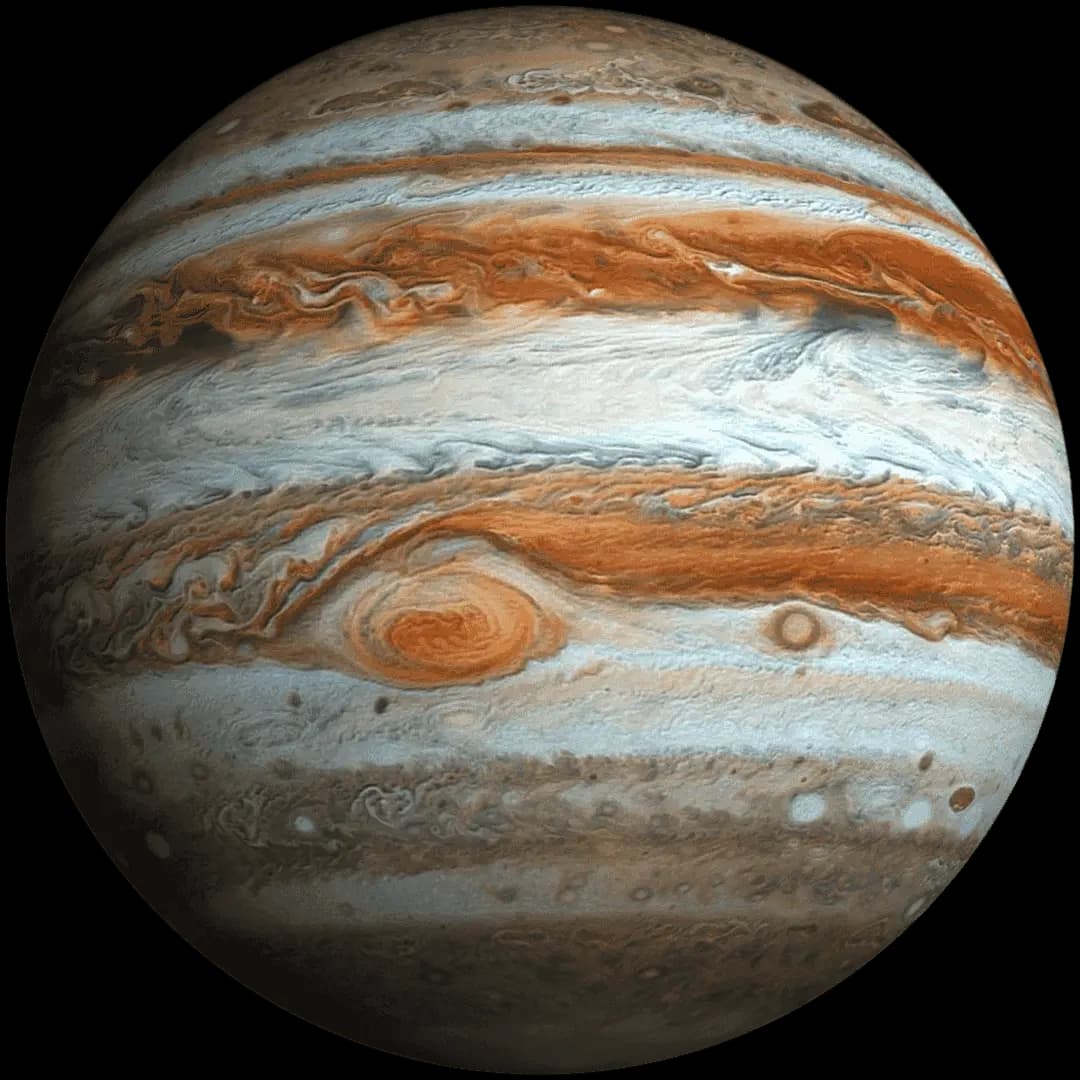
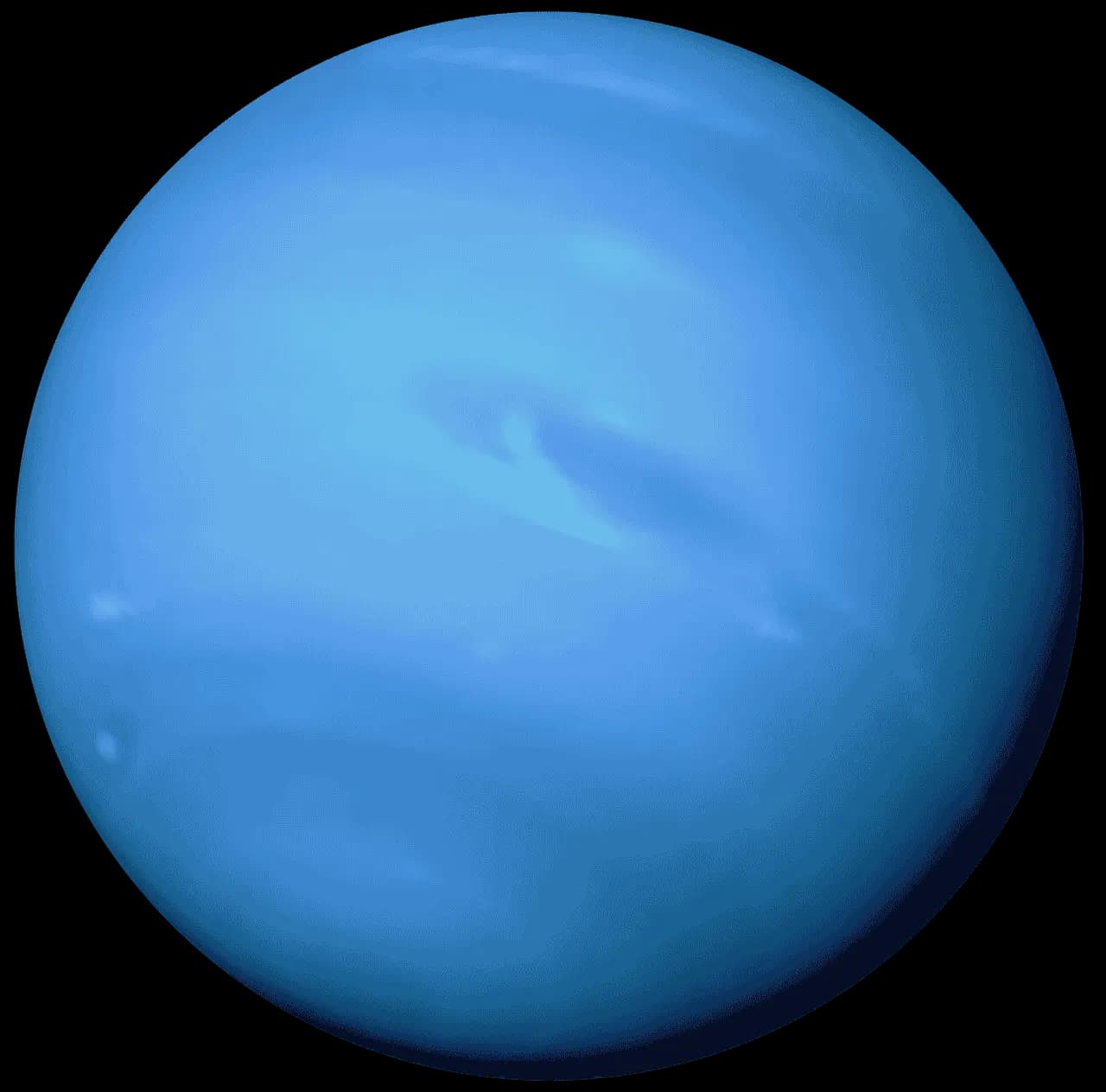
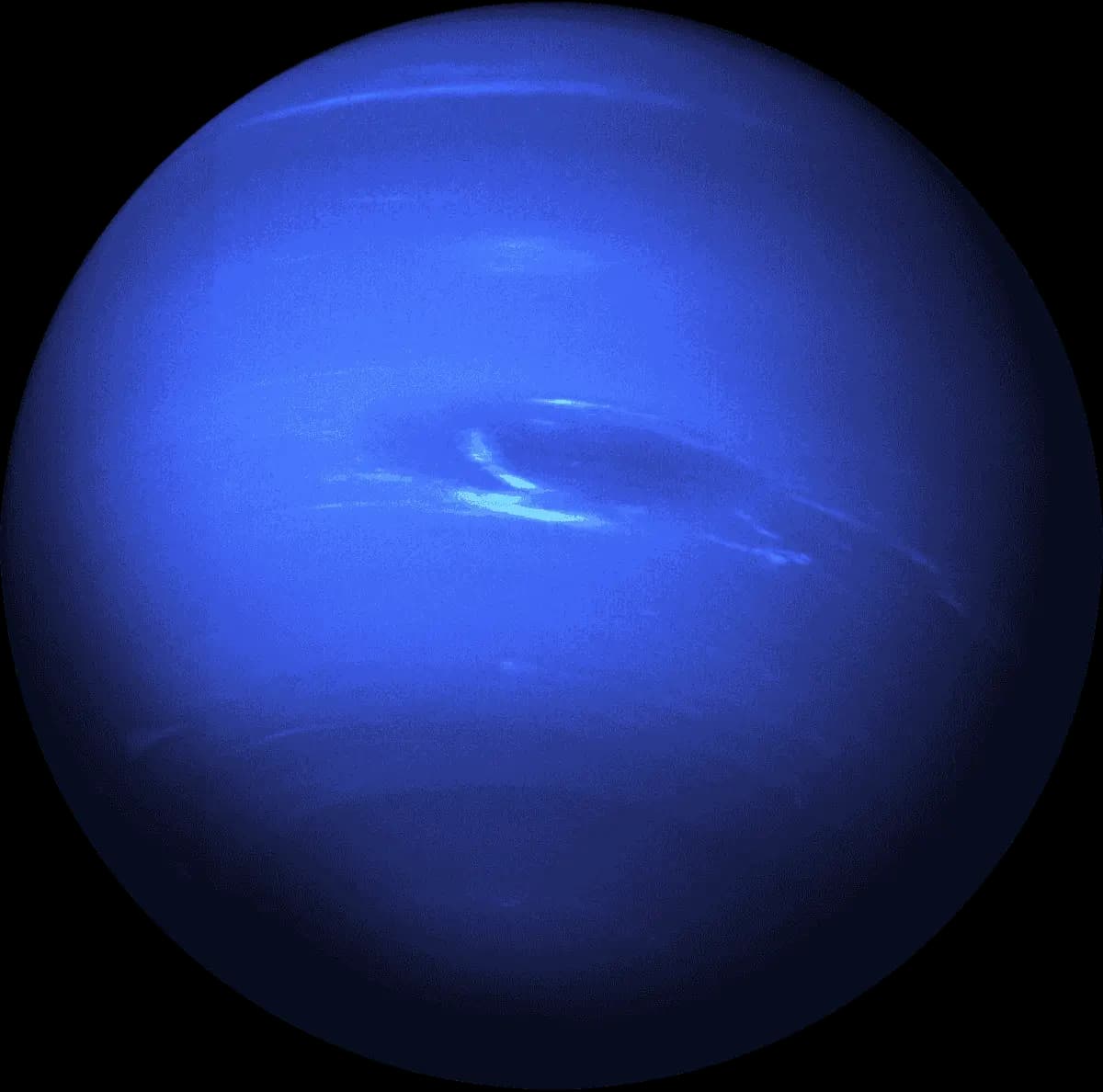
It stands out as the solar system’s least dense member, and picture a bathtub big enough to hold the planets: Saturn would actually float. It’s less dense than water, unlike the heavy, rocky Earth. While Jupiter is much bigger, Saturn’s rings make it a much wider target for visual observation. Uranus and Neptune are colder and smaller, earning them the title ‘ice giants’ instead.
Key Facts and Figures of Saturn Planet
- Distance from Sun: 886 million miles.
- Diameter: 72,367 miles.
- Gravity: Roughly 107% of Earth’s gravity.
- Year Length: 29.4 Earth years.
- Atmosphere: Mostly hydrogen and helium.
- Moons: 146 confirmed as of 2023.
Exploration and Latest Discoveries regarding Saturn Planet
Pioneer 11 gave us our first close look in 1979, and then, the Cassini-Huygens mission changed everything starting in 2004. Cassini spent 13 years orbiting the planet before diving into the atmosphere to end its life. This mission proved that some moons have the chemical ingredients for life. NASA currently plans new missions to explore Titan using a drone-like craft called Dragonfly.
Why Saturn Planet Matters
Understanding this giant helps us read the history of the entire solar system, and it keeps our neighborhood stable with its massive gravitational pull. Plus, studying its moons provides clues about where else life might exist in the dark. It serves as a laboratory for extreme physics and weather. Plus, its sheer beauty inspires the next generation of explorers every time it rises in the night sky.
FAQs About Planet Saturn
-
Can you see the Saturn planet with the naked eye?
Yes, it looks like a bright yellow-gold star to the unaided eye. You’ll need a small telescope or powerful binoculars to resolve its rings clearly.
-
Does it rain diamonds on Saturn?
Some theories suggest that high-pressure lightning storms turn methane into soot. This carbon then hardens into diamonds as it falls through the hot, dense atmosphere.
-
Is there oxygen on the Saturn planet?
The atmosphere lacks breathable oxygen. It’s composed of hydrogen, helium, and small amounts of methane and ammonia, making it toxic to humans.
-
How many people have landed on Saturn?
None. It has no solid surface to land a ship on. Robots have dived into the atmosphere, but the pressure and heat destroyed them quickly.
-
How long would it take to fly there?
A typical robotic mission takes about seven years to reach the planet. New propulsion technologies might shorten that trip in the coming decades.
Final Thoughts
The Saturn planet remains the most recognizable world in our cosmic neighborhood, and it’s a land of extremes, from icy rings to metallic liquid centers. Whether you’re an amateur sky-watcher or a professional physicist, this world offers endless mysteries. Don’t miss your chance to spot it when it’s at opposition: there’s nothing quite like it. Look up at the stars tonight; the king of rings is waiting for you.