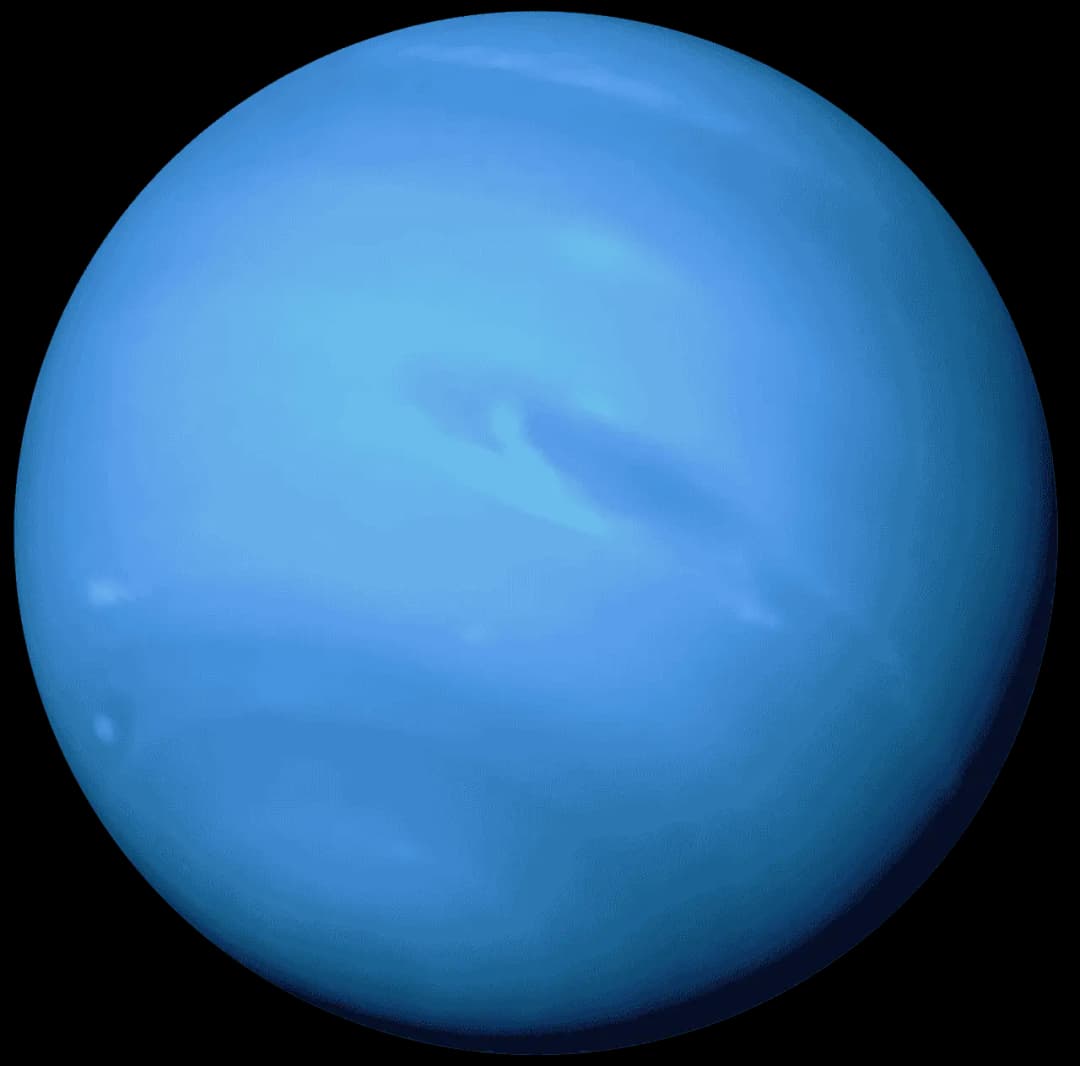
You’ll find it nearly two billion miles from the sun, glowing with a soft, cyan light. The Uranus Planet stands out as a rebel in our cosmic neighborhood because it doesn’t spin like the others. It rolls on its side. This weird orientation makes it a mystery that scientists are still trying to solve today.
Overview of Uranus Planet
This world is the seventh planet from the sun. It’s often grouped with its neighbor, Neptune, under the ‘ice giant’ category. Don’t let its calm appearance fool you. While it looks like a peaceful blue ball, it’s a massive world with four times the diameter of Earth. You’d find that it’s mostly made of hot, dense fluid rather than solid rock.
Formation and Evolution of Uranus
Most researchers believe the Uranusformed about 4.5 billion years ago. It began as part of the swirling disk of gas and dust that orbited our young sun. Heavy elements and ices collected together, pulling in gasses as the gravity grew stronger. Some think it actually started closer to the sun before migrating outward during a period of planetary chaos.
A massive collision likely changed its history forever, and it’s hypothesized that an object twice the size of Earth slammed into it. This impact didn’t just dent the planet: it knocked the entire system over. Still, this explains why the rings and moons also orbit at a sharp angle. It’s a remnant of a violent past that we can still see today.
Structure and Composition of Uranus Planet
You can’t stand on this world because there’s no solid ground. The interior is divided into three main layers, and at the center sits a small, rocky core. Surrounding that core is a vast mantle made of water, methane, and ammonia ices. Scientists call this a ‘diamond-making’ slush because the intense pressure might literally turn carbon into rain.
Above that slushy mantle sits an outer envelope of hydrogen and helium. Methane gives the Uranus Planet its signature color. When sunlight hits the atmosphere, the methane absorbs red light and reflects the blue and green parts of the spectrum back to our eyes. It’s a chemical recipe that creates a stunning visual, even if the environment is extremely hostile.
Rotation, Orbit, and Temperature Extremes.
One year on this ice giant lasts about 84 Earth years. Because of its 98-degree tilt, the seasons are incredibly strange. For nearly a quarter of its orbit, one pole points directly at the sun. This means if you lived at the north pole, you’d experience 21 years of direct summer sun followed by 21 years of total winter darkness.
It also happens to be the coldest spot in the entire solar system. You might expect Neptune to be colder because it’s further away, but that’s not the case. Uranushas a weirdly low internal heat signature. While other giants radiate more heat than they receive from the sun, this world barely lets off any energy at all.
Surface Features of Uranus
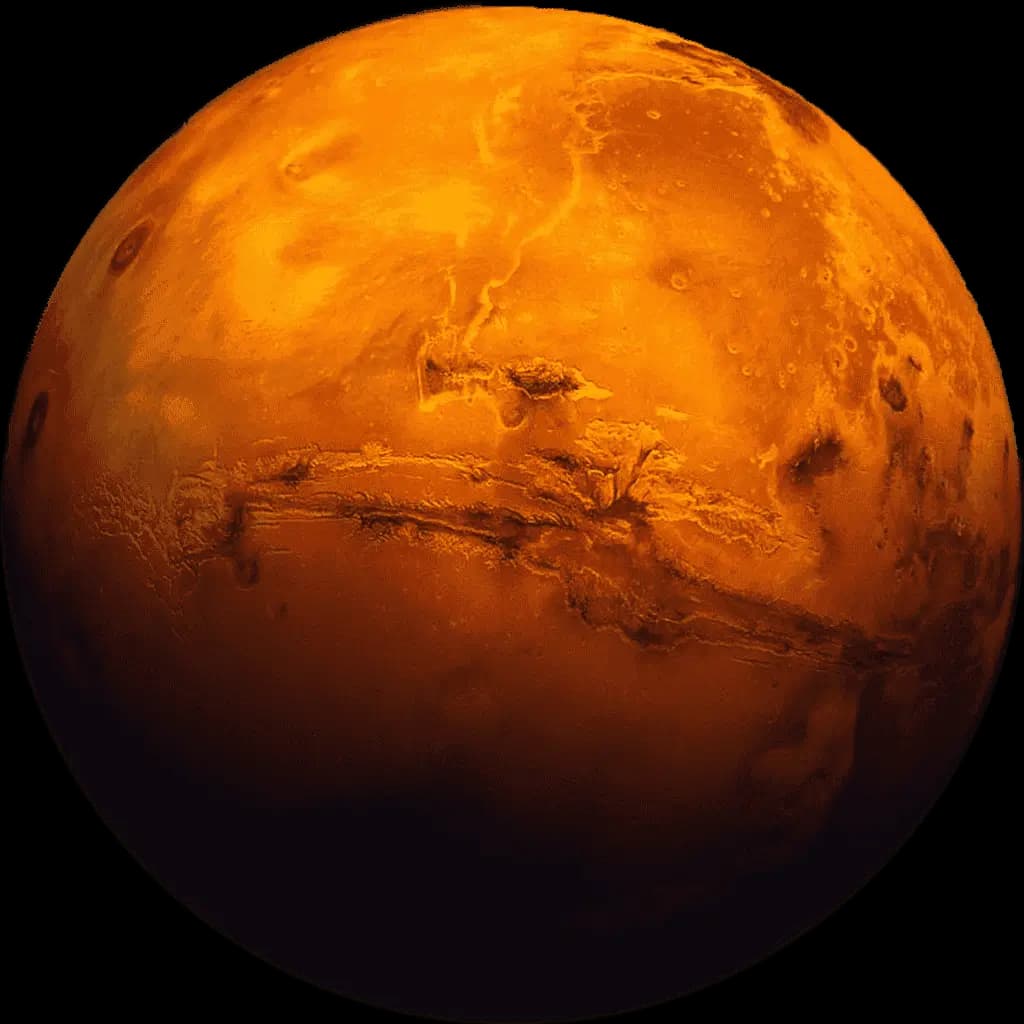
Naming ‘surface features’ is tricky when talking about a fluid world. Most of what we see are just clouds. You won’t find mountains or canyons like you do on Mars. Instead, you’ll see faint bands of clouds and occasional bright spots that represent massive storms. Winds here can reach speeds of over 500 miles per hour, pushing methane clouds around the planet in a rapid dance.
Exosphere and Magnetic Field of the Uranus Planet
The atmosphere consists mainly of hydrogen and helium, but it also contains plenty of ices. Higher up, you’ll find clouds of hydrogen sulfide, and that’s the same chemical that makes rotten eggs smell terrible. If you could somehow descend into the atmosphere, the odor would be unbearable. It’s a toxic soup that’s completely unfriendly to any known form of life.
Magnetism on this world is equally bizarre, and on Earth, our magnetic field lines up pretty well with our rotation. But on the Uranus, the magnetic field is tilted 59 degrees away from the axis. It doesn’t even pass through the center of the planet. This creates a wobbly, irregular magnetosphere that traps radiation in strange pockets.
How Uranus Planet Compares to Other Planets
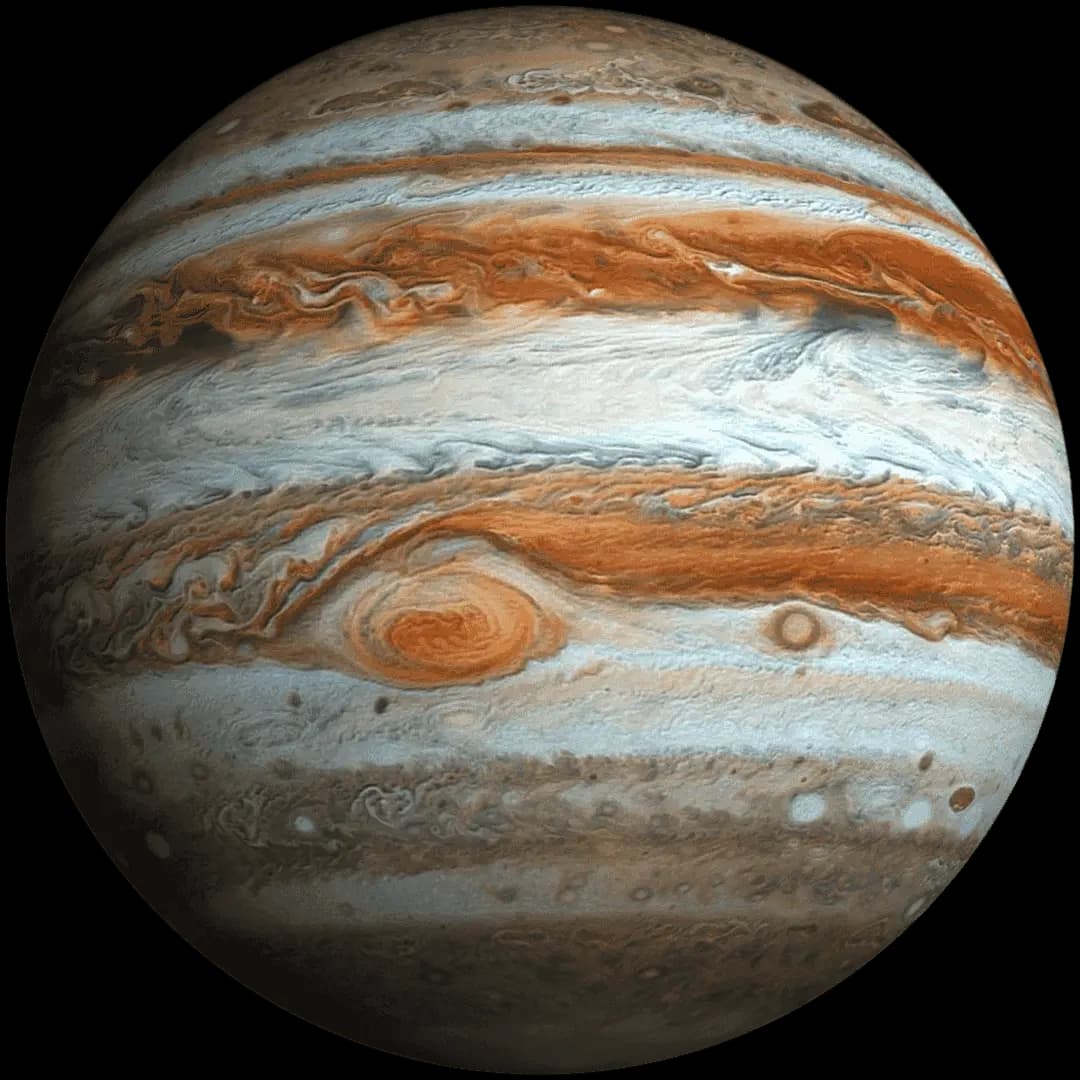
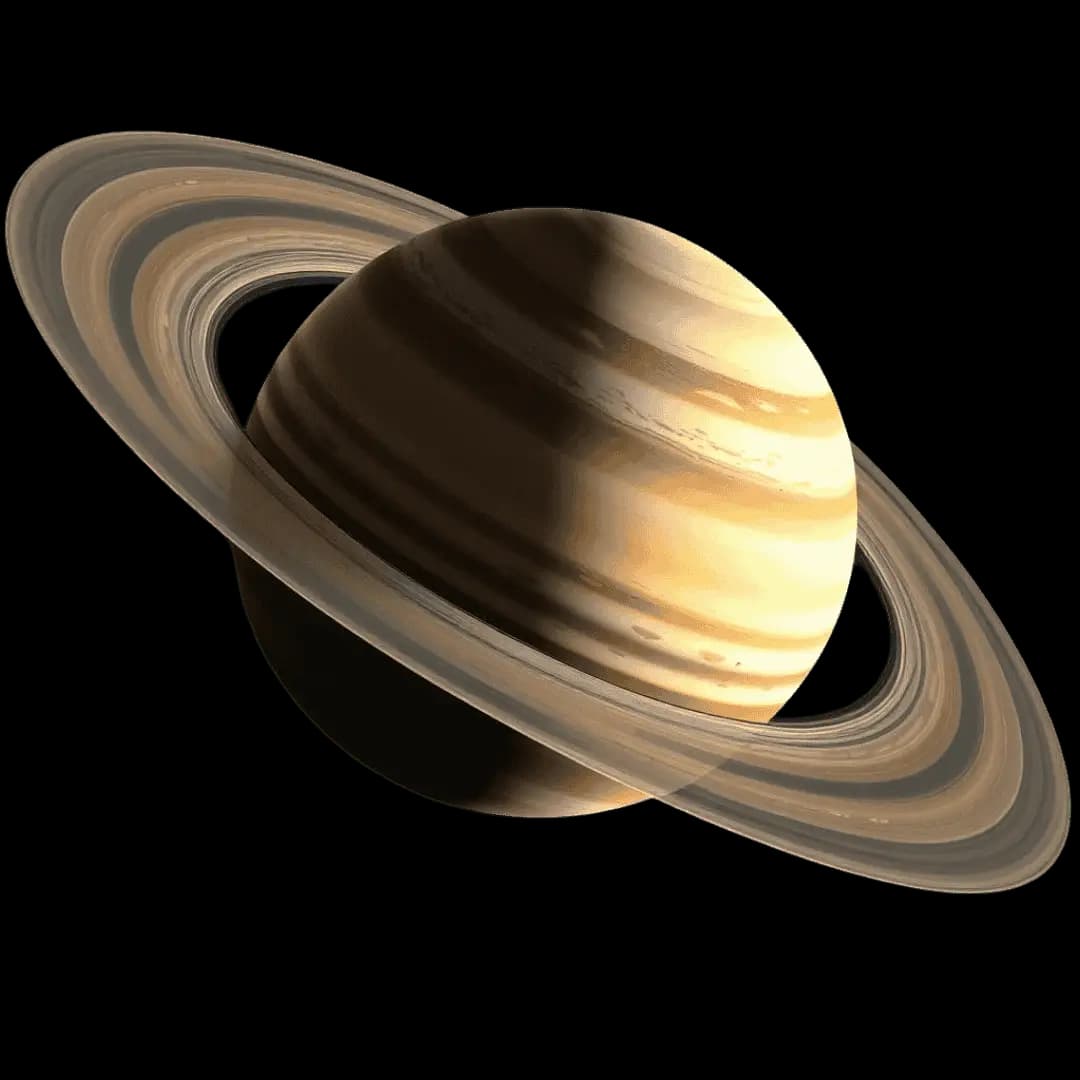
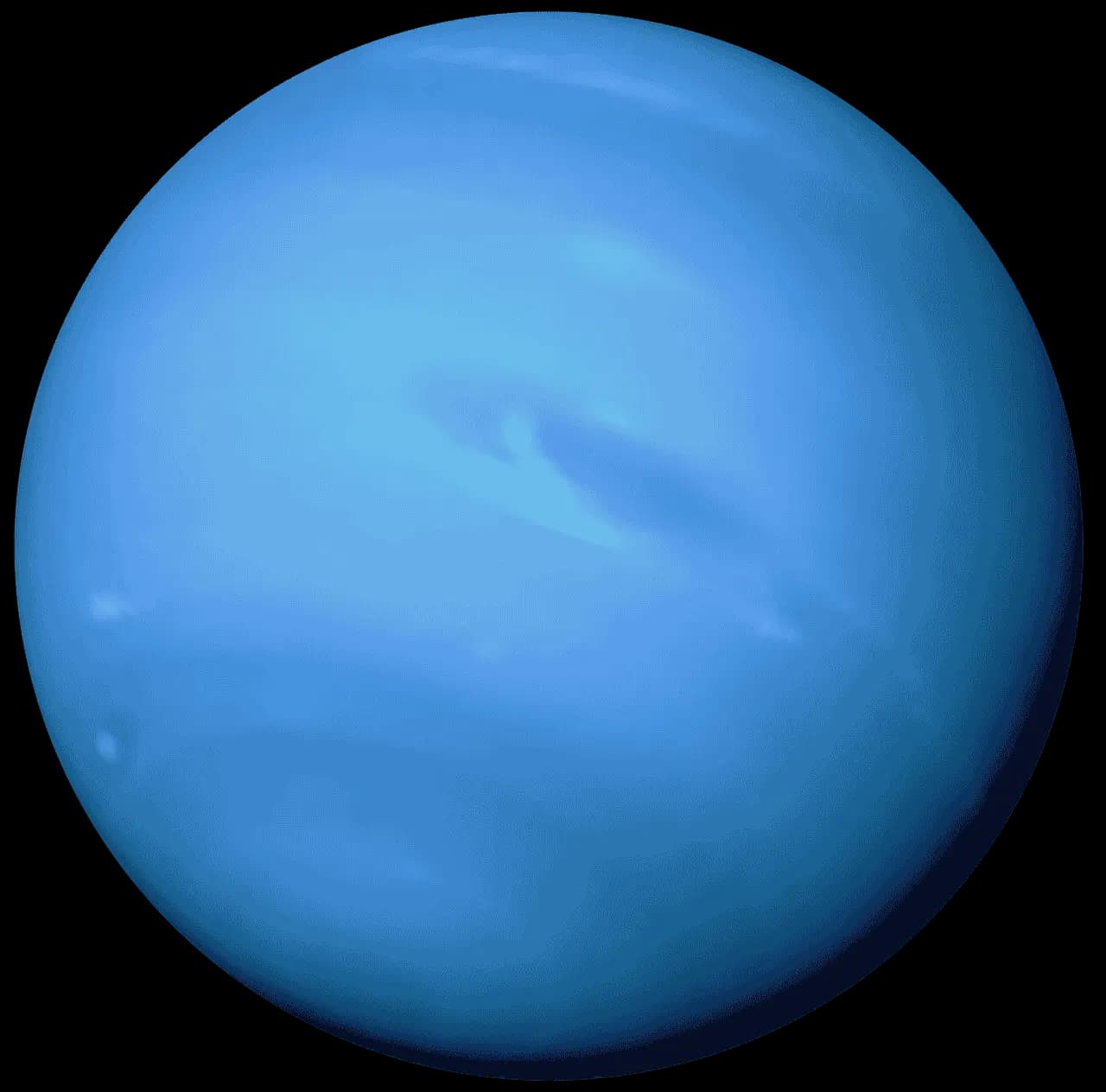
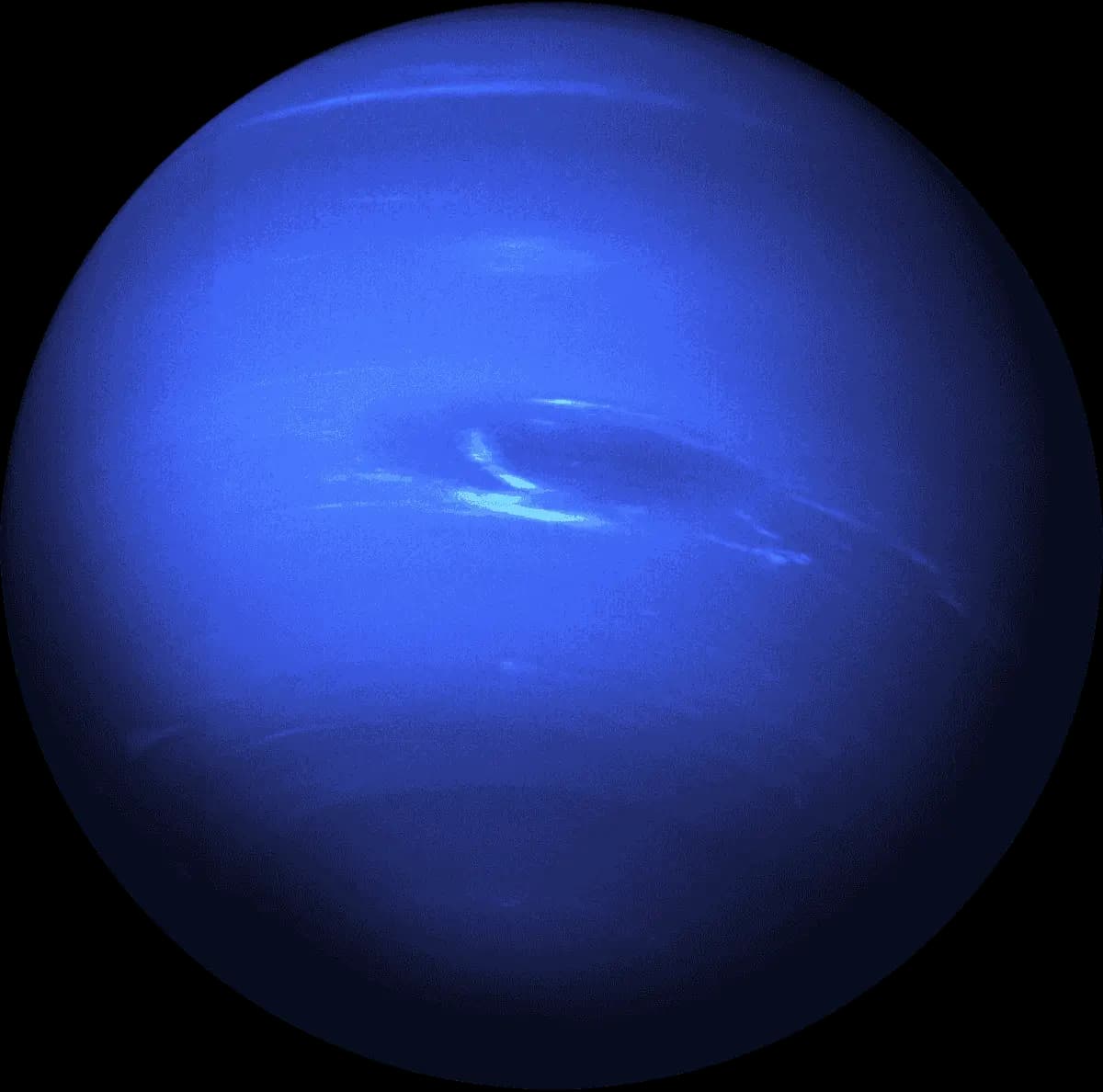
When you look at Jupiter or Saturn, you see gas giants. Those worlds are mostly hydrogen and helium gas. In contrast, Planet Uranus is an ice giant. It’s smaller than the gas giants and has a much higher percentage of heavy elements like oxygen, carbon, and nitrogen. This chemical makeup puts it in a class of its own alongside Neptune.
Size wise, it sits in the middle. It’s bigger than the inner rocky planets but smaller than the two giants. Its gravity is actually weaker than Earth’s. If you could stand on the cloud tops, you’d weigh about 10% less than you do right now. It’s a reminder that mass and volume are very different things in the world of planetary physics.
Key Facts and Figures.
- Orbit Period: 84 years.
- Number of Moons: 27 known moons.
- Ring System: 13 faint, narrow rings.
- Average Temperature: -353 degrees Fahrenheit.
- Discovery Date: March 13, 1781, by William Herschel.
- Mass: 14.5 times the mass of Earth.
Exploration and Latest Discoveries.
Humanity has only visited this world once. The Voyager 2 spacecraft flew past in 1986. It sent back thousands of images and a wealth of data about the rings and moons. Since then, we’ve relied on the Hubble Space Telescope and the James Webb Space Telescope to keep an eye on it. These modern tools have revealed that the rings are much more active than we first thought.
Why Uranus Planet Matters.
Understanding this world helps us understand the rest of the universe. Thousands of planets discovered around other stars look very similar to the Uranus Planet in size and mass. If we can figure out how our own ice giant formed, we’ll know more about how systems across the galaxy come together. It’s a vital piece of the puzzle for anybody studying the birth of solar systems.
FAQs About Planet Uranus
-
Can you see the Uranus Planet from Earth without a telescope?
Under perfect conditions with zero light pollution, it’s just barely visible to the naked eye. It looks like a very dim star, and most people need binoculars or a telescope to spot it clearly.
-
What are the rings of the Uranus Planet made of
The rings are mostly made of dark, dusty debris. Unlike the bright icy rings of Saturn, these are quite thin and dark. They’re likely formed from shattered moons that got too close to the planet.
-
Who discovered the Uranus Planet?
William Herschel discovered it in 1781. He originally wanted to name it after King George III, but other astronomers pushed for a mythological name to match the other planets.
-
Why is the Uranus Planet on its side
The most accepted theory is a massive collision. A giant protoplanet probably hit it during the early formation of the solar system. This crash was so big it tipped the planet nearly 90 degrees.
-
Does it rain diamonds on the Uranus Planet?
Models suggest it’s possible. Deep within the mantle, the pressure and heat are high enough to split methane apart. This forces the carbon atoms to crystallize into diamonds that sink toward the core.
Final Thoughts
The Uranus Planet remains one of the most mysterious places in our reach. It’s a cold, tilted, smelly world that breaks almost every rule we expect from a planet. While we’ve only sent one probe to visit, the data we’ve gathered shows it’s a dynamic place. Studying it doesn’t just satisfy our curiosity: it expands our knowledge of how worlds form and survive in the deep dark of space.