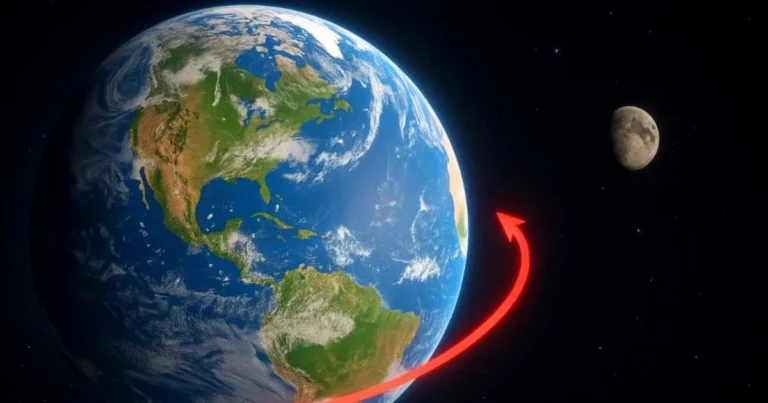
Look up at the stars and you’ll see tiny dots, but we live on a lively, spinning marble. The Earth Planet serves as the third world from the sun and remains the only spot we know that hosts life. It’s more than just a ball of dirt: it’s a dynamic system of water, gas, and fire. Science shows us that its presence isn’t just luck; it’s a result of perfect physics and billions of years of change.
Overview of Earth Planet
Earth Planet is a terrestrial world with a solid surface and a deep ocean. Its name comes from old English and Germanic words meaning ‘the ground.’ Unlike other planets in our system, about 71% of our world is covered by water. It isn’t a perfect sphere, since the spin causes a slight bulge at the equator. This unique shape makes it an ‘oblate spheroid.’
Formation and Evolution of Earth Planet
Our world started about 4.5 billion years ago. It began as a chaotic cloud of gas and dust spinning around the young sun. Gravity pulled these pieces together, creating a molten mass that eventually cooled. Constant volcanic eruptions created an early atmosphere, though it didn’t have oxygen yet. During this time, small planets likely crashed into us, including one event that probably created the Moon.
Geologists suggest that the appearance of life changed the chemistry of the entire world. Early microbes began producing oxygen, which shifted the air from toxic to breathable. Massive tectonic shifts pushed continents together and pulled them apart over eons. Scientists use NASA’s Earth Science Division to track how these ancient movements still affect our weather and climate today.
Structure and Composition of Earth Planet
Underneath the grass and cities, our world has four main layers. The inner core is a solid ball of iron and nickel that’s nearly as hot as the sun’s surface. Surrounding it’s the outer core, a liquid layer that creates our magnetic shield. Heat here is so intense that the metal flows like water.
The mantle sits above the core and makes up most of the volume. It’s not quite solid but moves like thick syrup or hot plastic. Finally, we have the crust, the thin outer shell where we live, and most of the crust is oxygen, silicon, aluminum, and iron. While it feels solid, this layer is actually broken into giant plates that float and move constantly.
Rotation, Orbit, and Temperature Extremes
A day on this world lasts about 24 hours. This spin keeps the heat distributed so one side doesn’t freeze while the other burns. It takes roughly 365 days to finish one trip around the sun, which we call a year. Because the axis is tilted, we get changing seasons. Some regions get more light, and some get less, creating the cycle of summer and winter.
Temperature varies wildly based on where you stand, and the hottest spot on record reached 134 degrees Fahrenheit in Death Valley. On the flip side, Antarctica has seen lows near minus 128 degrees. These extremes exist because our atmosphere traps just enough heat to keep most of the world habitable. Without this balance, we’d be a frozen rock or a boiling desert.
Surface Features of Earth Planet
The terrain of our world is incredibly varied. Deep underwater trenches plunge miles down, while mountains like Everest reach high into the thin air. We have deserts that see no rain for decades and jungles that are always wet. Most of the dry land sits on tectonic plates that are always pushing, pulling, and sliding.
Exosphere and Magnetic Field
Earth Planet has a shield that blocks deadly solar wind. Our liquid outer core acts like a giant generator, creating a magnetic field that stretches into space. This field keeps our air from being blown away by the sun. Above the surface, several layers of gas protect us: the troposphere, stratosphere, and beyond. These gases trap oxygen and block ultraviolet light.
How Earth Compares to Other Planets
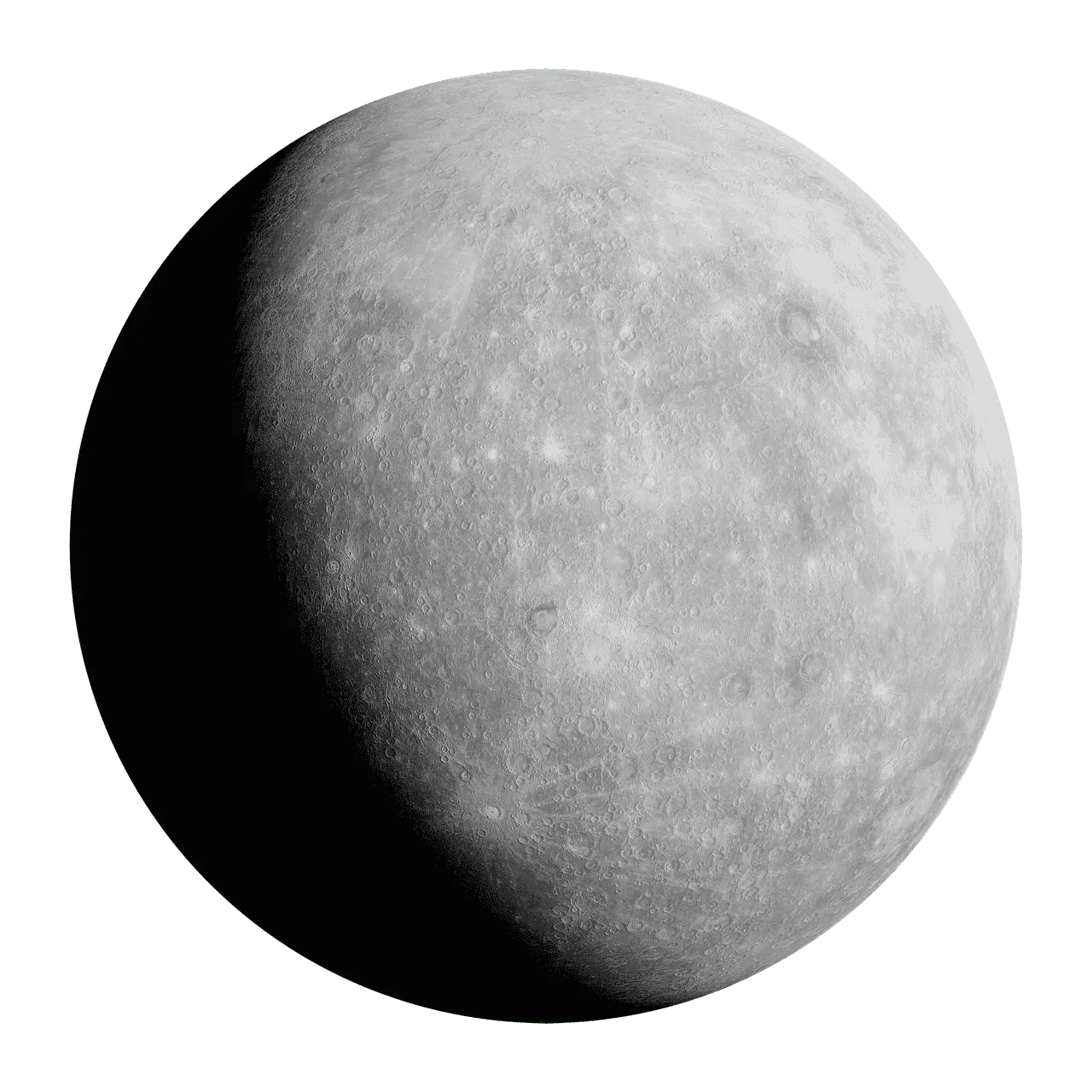
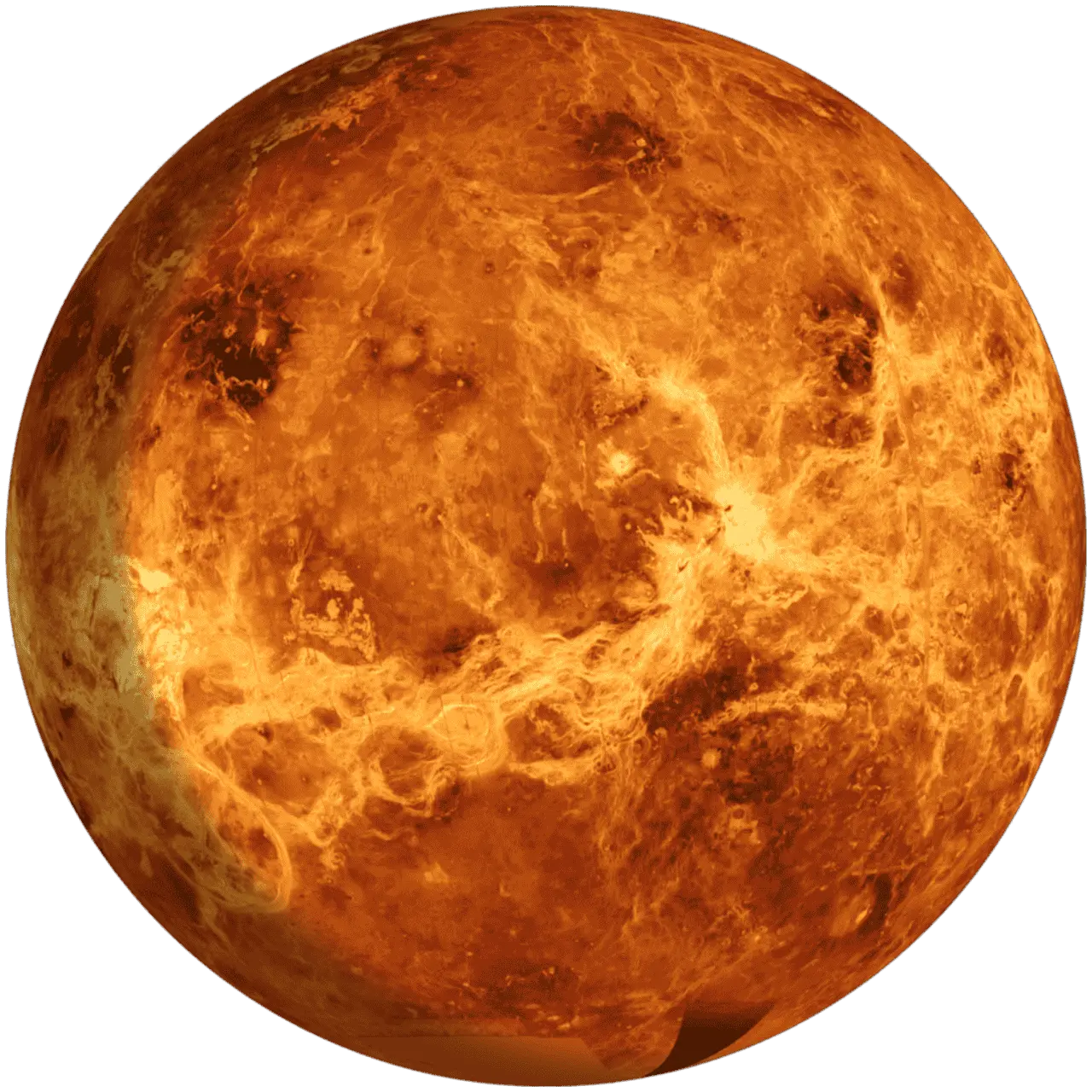
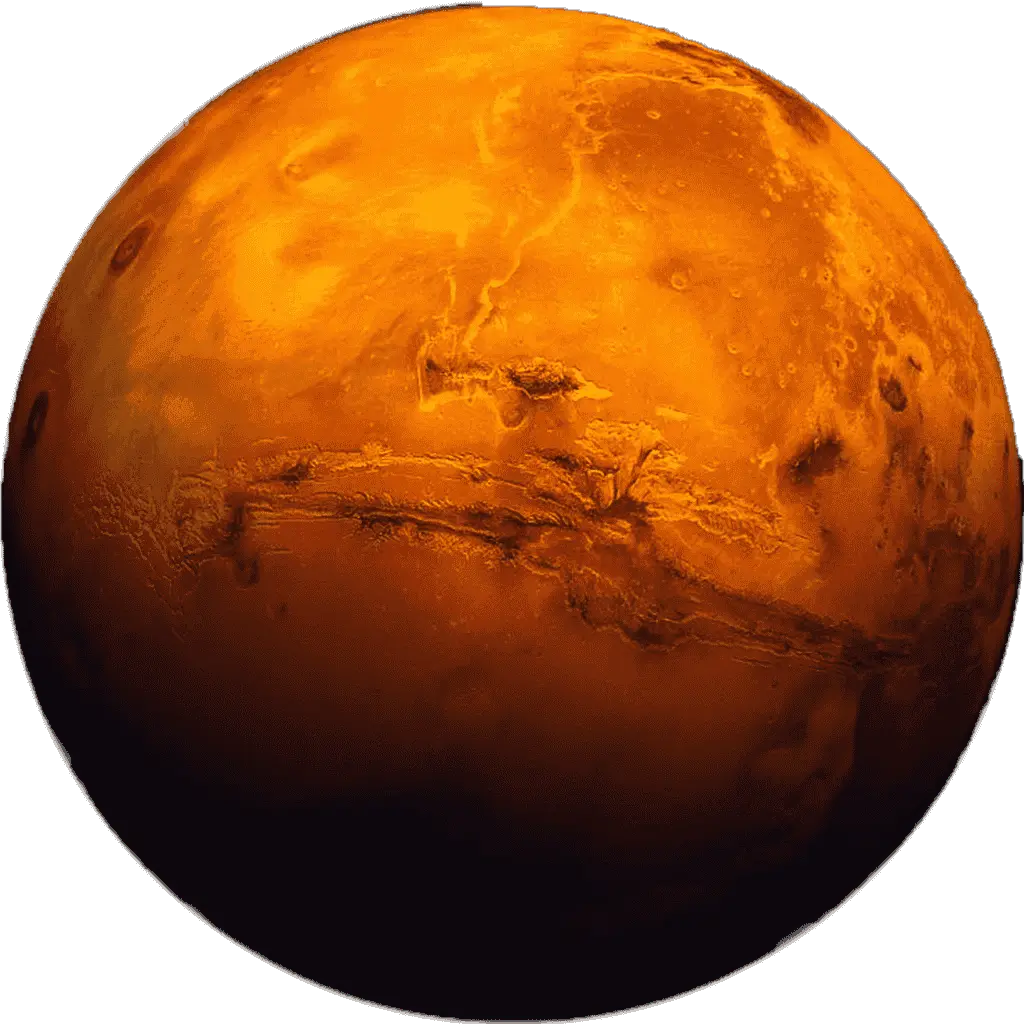
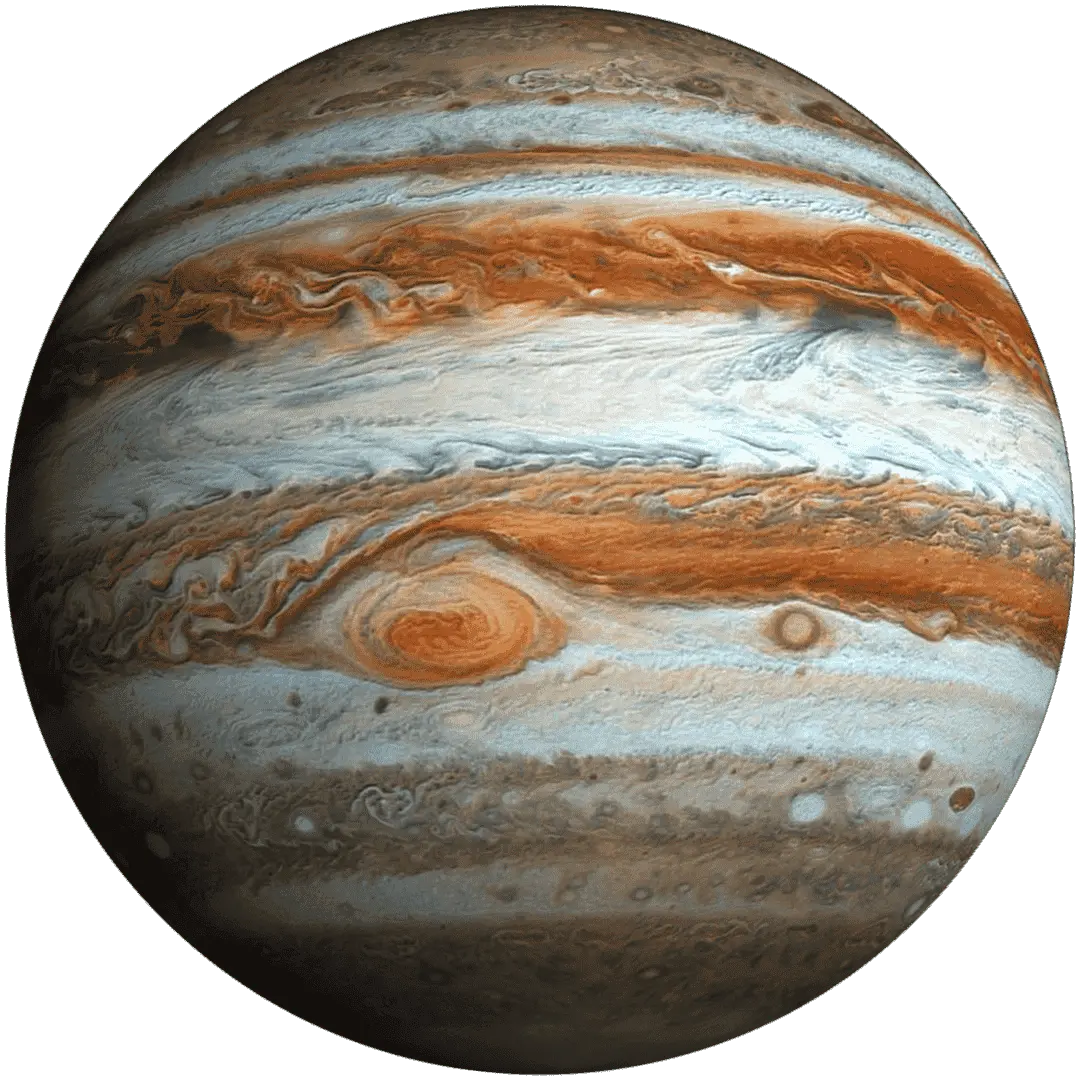
Among its neighbors, our world is a medium-sized player. It’s much larger than Mercury or Mars, but tiny compared to gas giants like Jupiter. Unlike Venus, which has a crushing atmosphere of acid clouds, our air is stable and clear. We’re the only world in the solar system known to have liquid water on its surface.
Key Facts and Figures
- Diameter: 7,917 miles.
- Surface Area: 196.9 million square miles.
- Gravity: 9.8 m/s².
- Atmospheric Composition: 78% Nitrogen, 21% Oxygen.
- Age: Roughly 4.54 billion years.
Exploration and Latest Discoveries
Scientists haven’t stopped looking for new data about our home. I’ve consistently noticed that modern satellite imaging reveals movements in the crust that we couldn’t see ten years ago. We’re now finding underground ‘oceans’ trapped in minerals hundreds of miles deep. These discovery efforts help us predict quakes and understand how our water cycle stays balanced.
Why Earth Matters
This world isn’t just a platform for life: it’s a living system. Every part of it relies on every other part. If the core cooled down, our magnetic shield would vanish. If the oceans warmed too much, the air would change. Protecting the balance of our world is the only way we ensure our own future.
FAQs About Planet Earth
-
How many people live on Earth Planet?
Around 8 billion people live on the world today. This number grows every year, putting more pressure on resources.
-
What’s the thickest part of the world?
The mantle is the thickest layer. It makes up about 84% of the total volume.
-
Why is our world blue?
The oceans reflect blue light from the sun. Also, the way the atmosphere scatters sunlight makes the sky and the water appear blue to our eyes.
-
Could life survive without the magnetic field?
Probably not. The sun’s radiation would strip away our air and burn the surface.
-
Does the world’s rotation speed ever change?
Yes. Friction from the moon’s gravity is very slowly braking our spin. Days become slightly longer over millions of years.
Final Thoughts
Earth Planet is a rare gem in a cold universe. Its complex systems work together to keep us alive every second. Understanding how it formed and how it works helps us respect the ground we walk on. We’ve only got one world, so we should probably pay attention to the science behind it. Not every planet gets a second chance if its systems fail. It’s up to us to keep it stable.