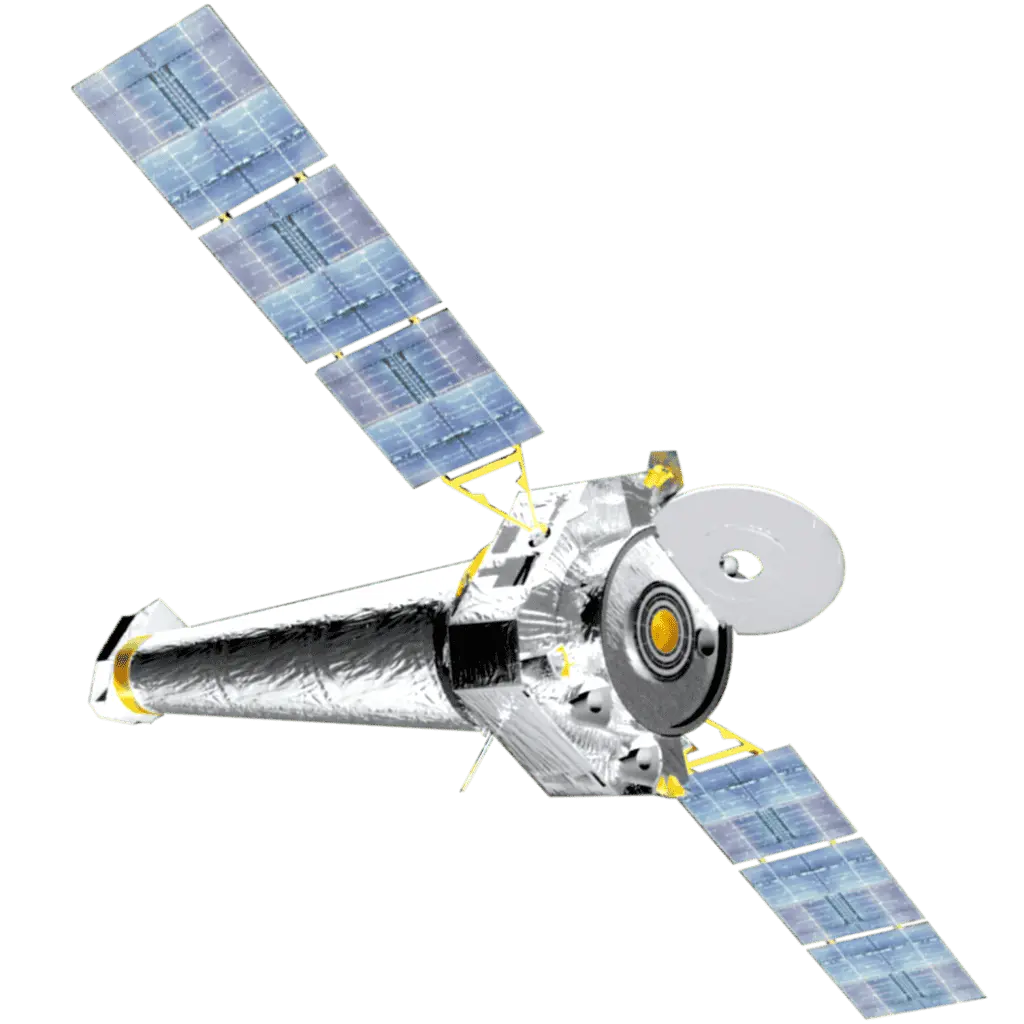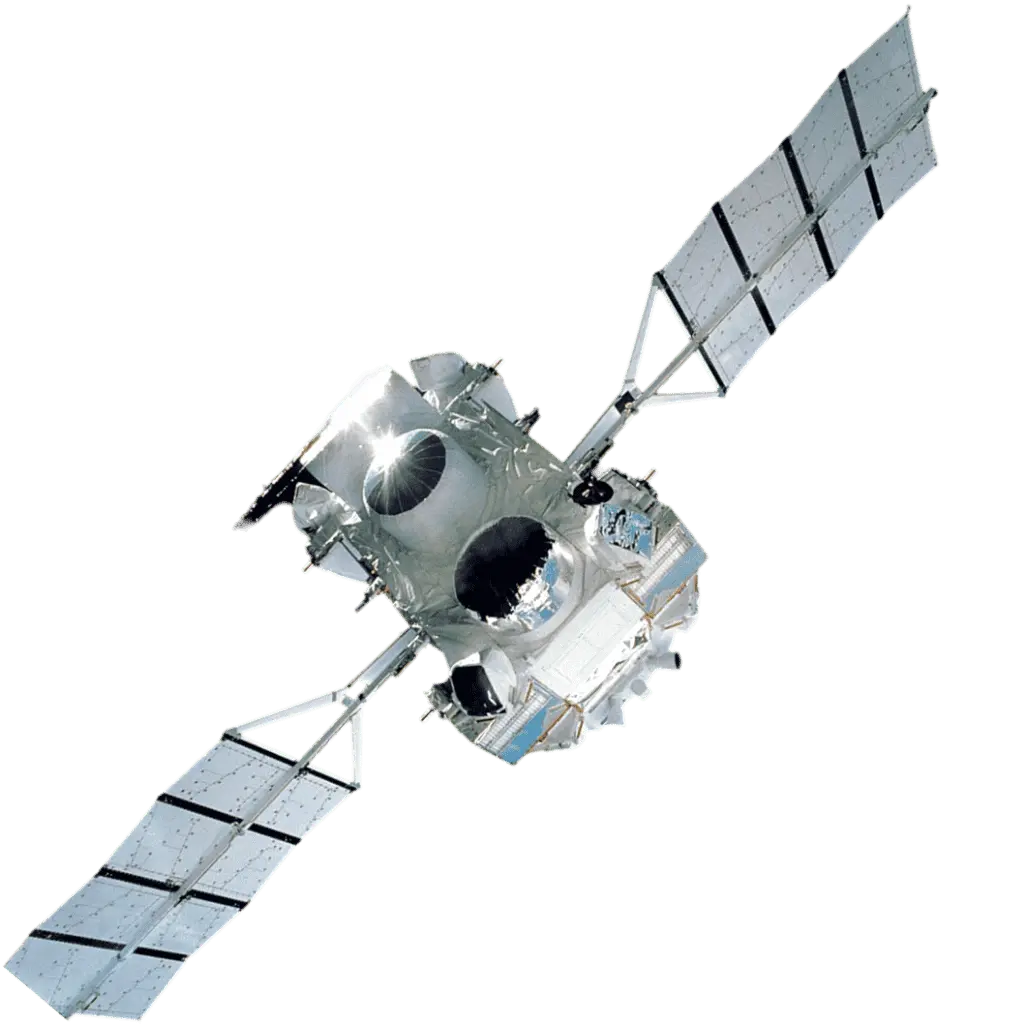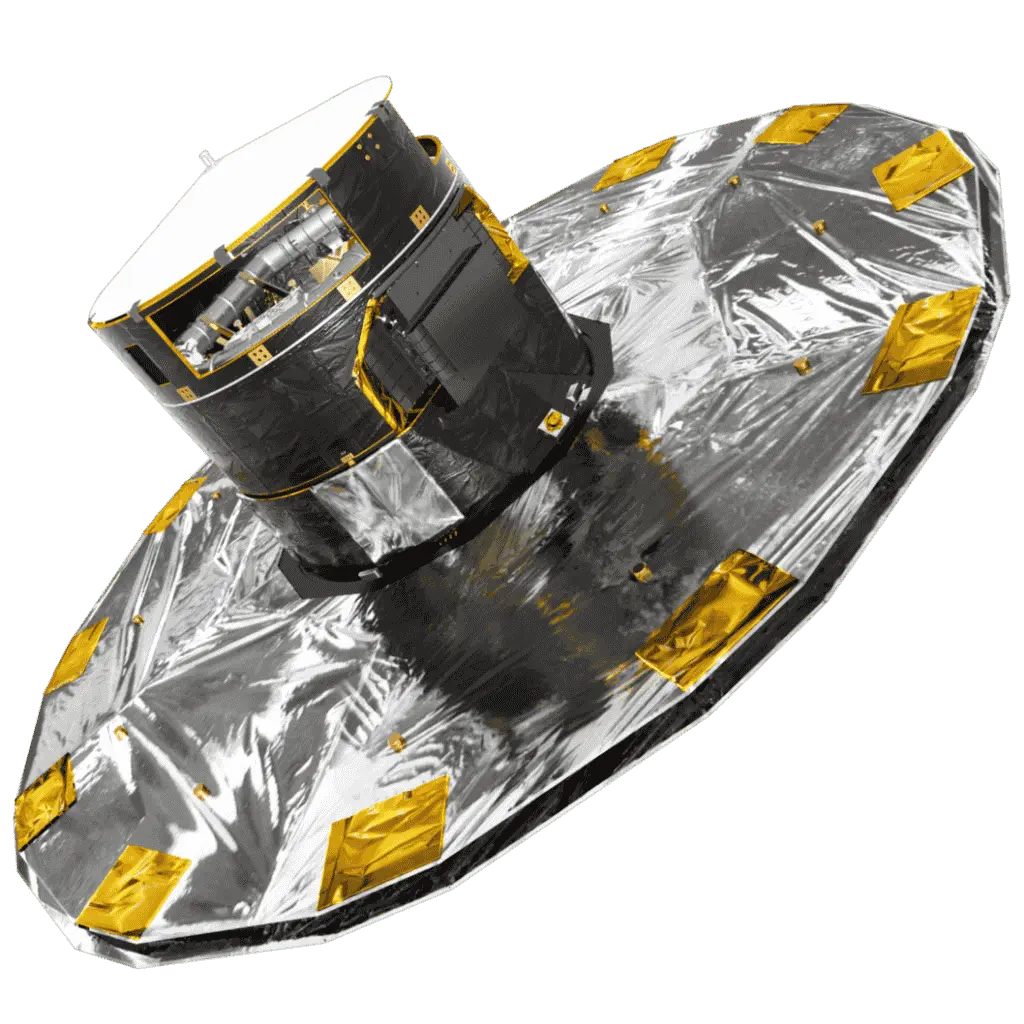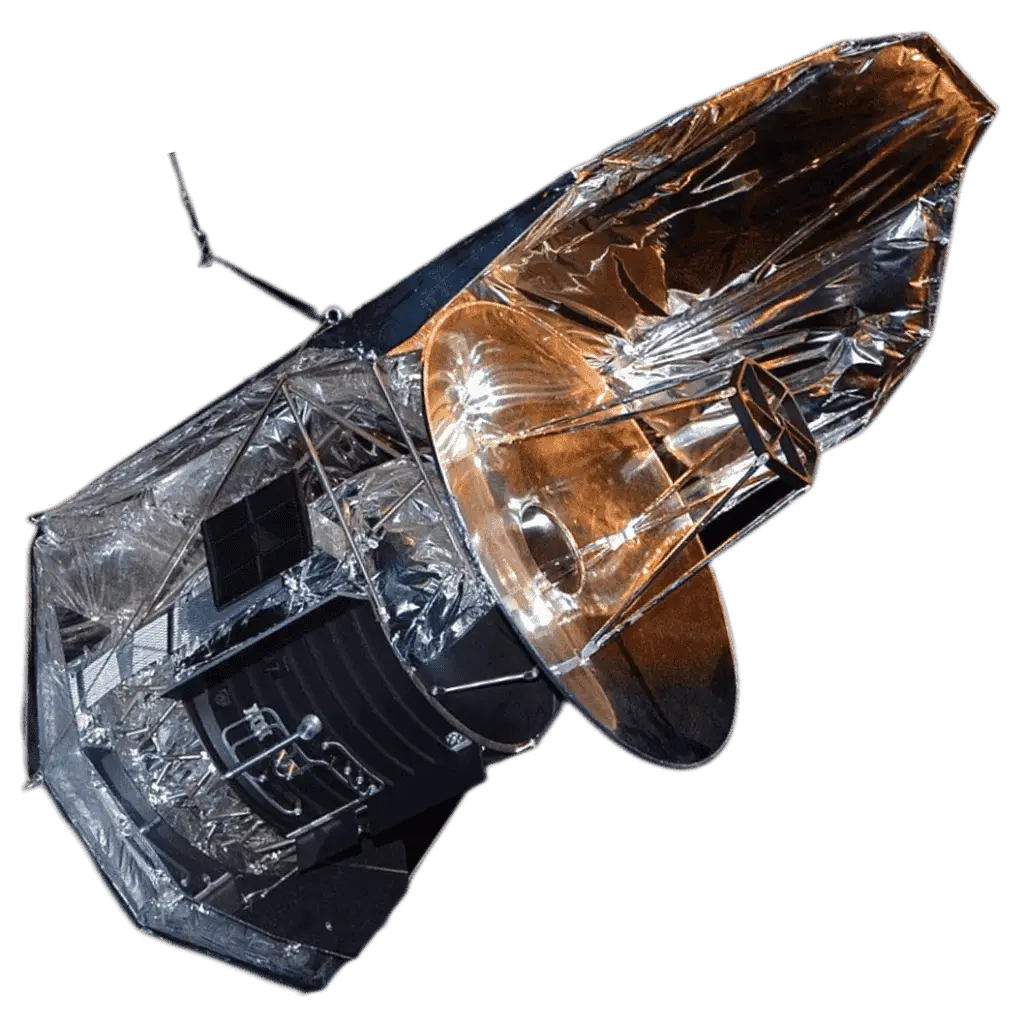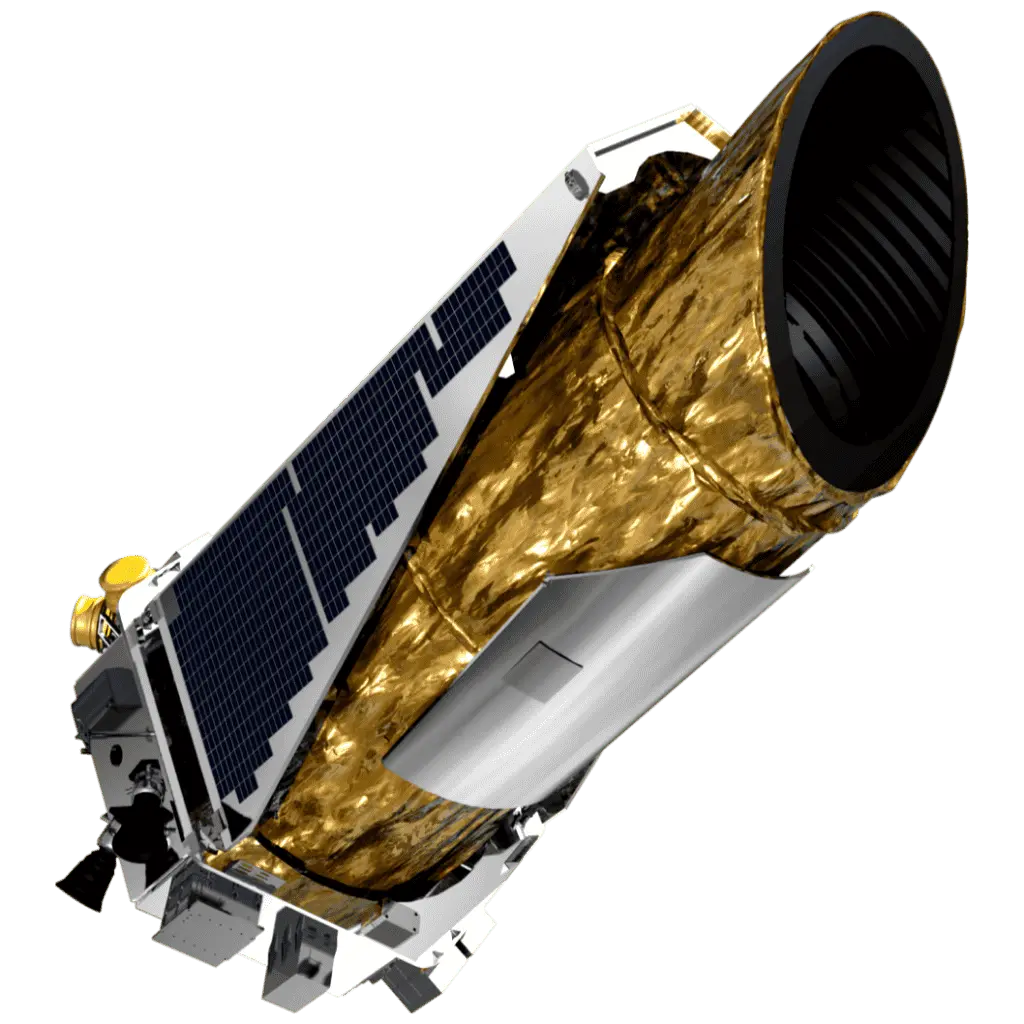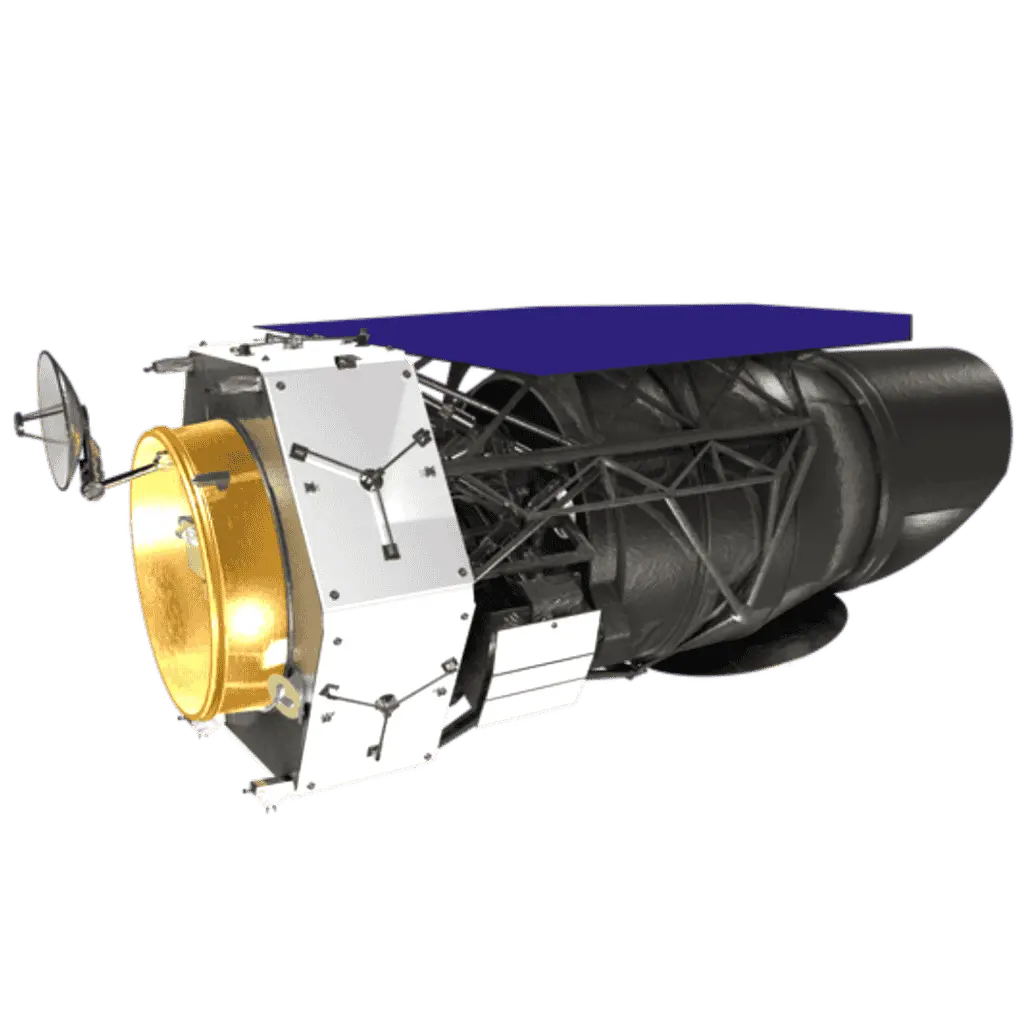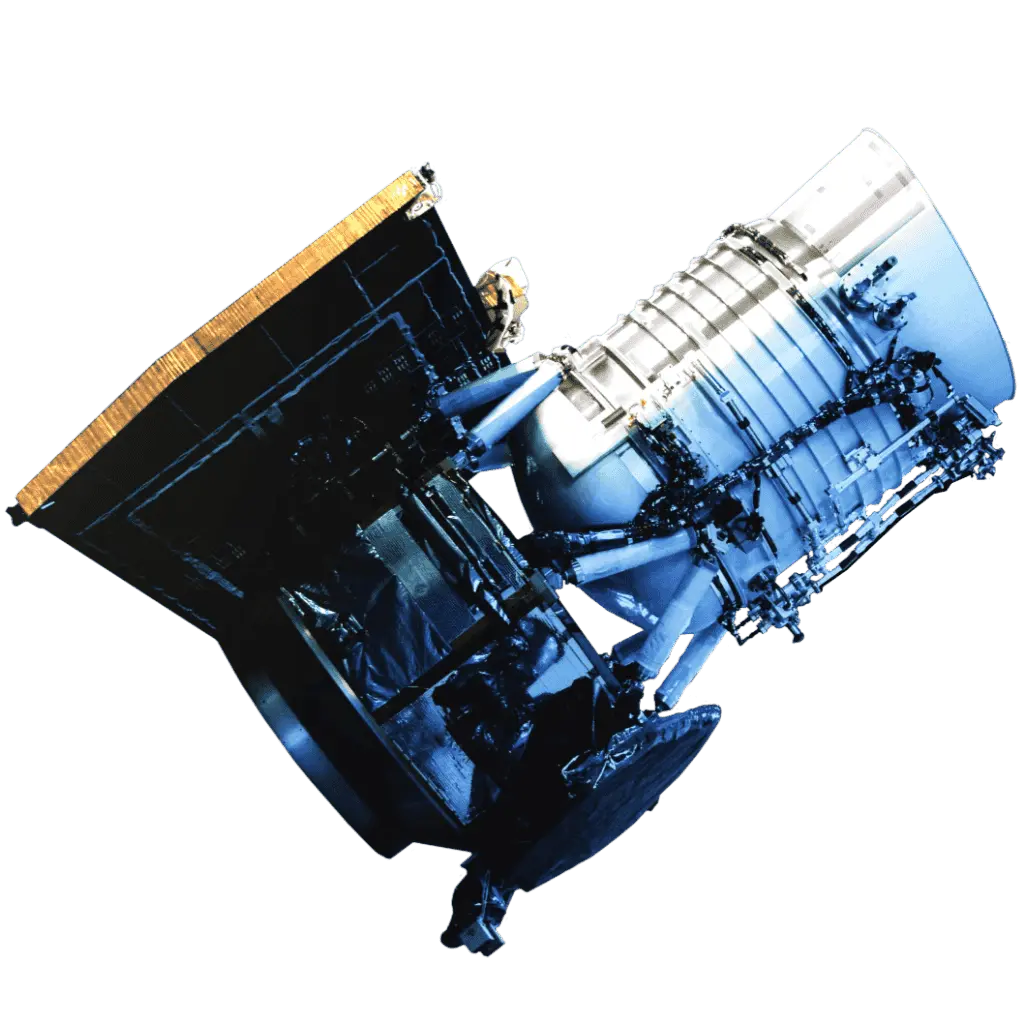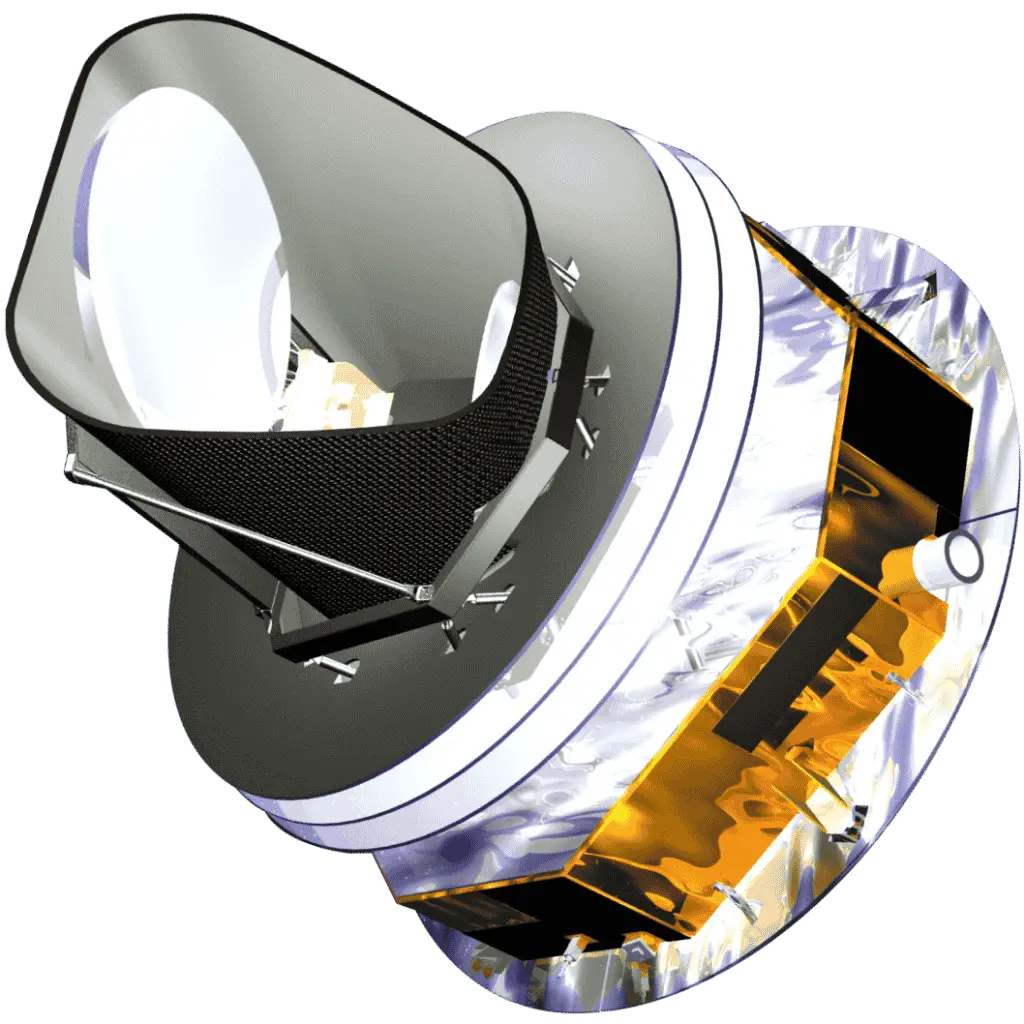
We once thought we knew what the universe was made of: stars, planets, and gas. It turns out that everything we see is just 5 percent of reality. The Euclid Space Telescope launched to find the rest: the invisible ‘dark’ stuff that shapes our cosmos. I sat in the dark room during the 2025 Euclid data reveal and the clarity of the galactic filaments was chilling. This mission doesn’t just look at stars: it watches how the hidden parts of space pull them around. We finally have a tool that sees the unseen.
What’s the Euclid Space Telescope?
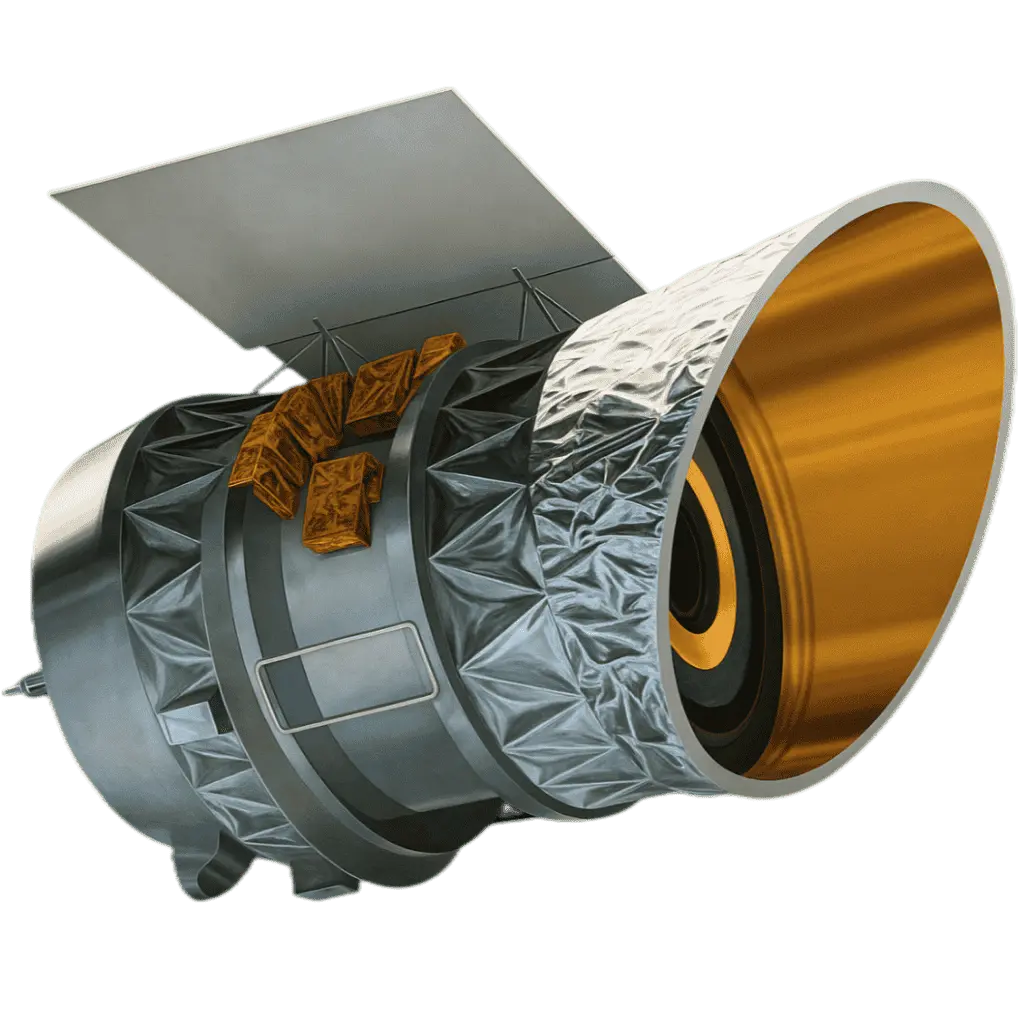
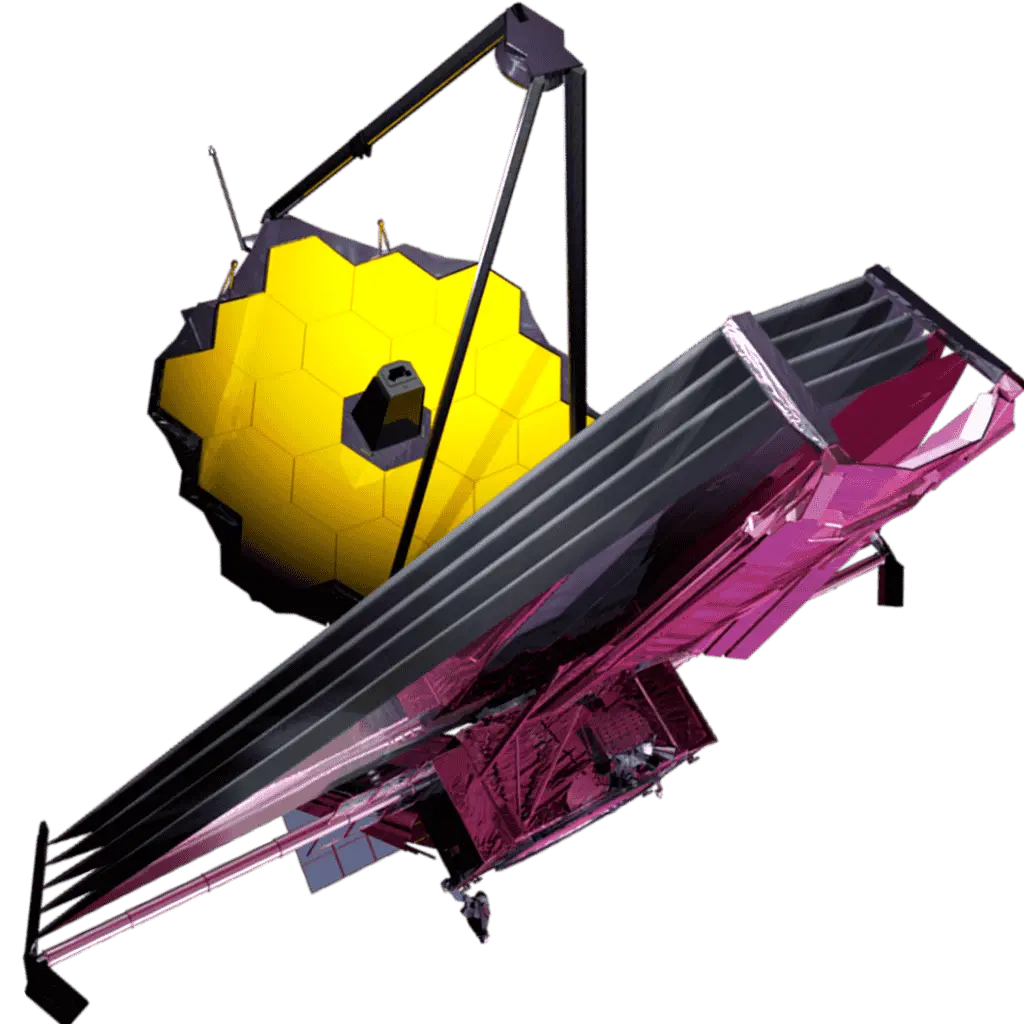
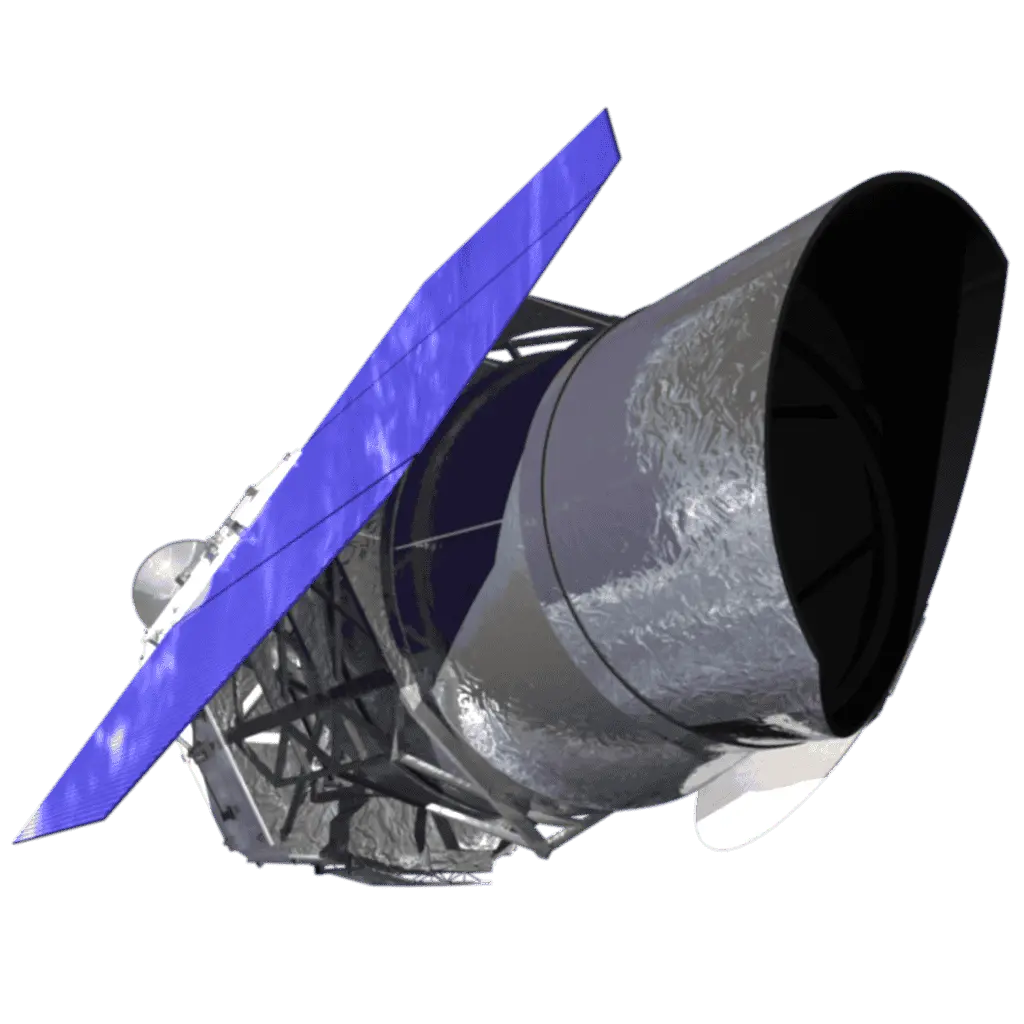
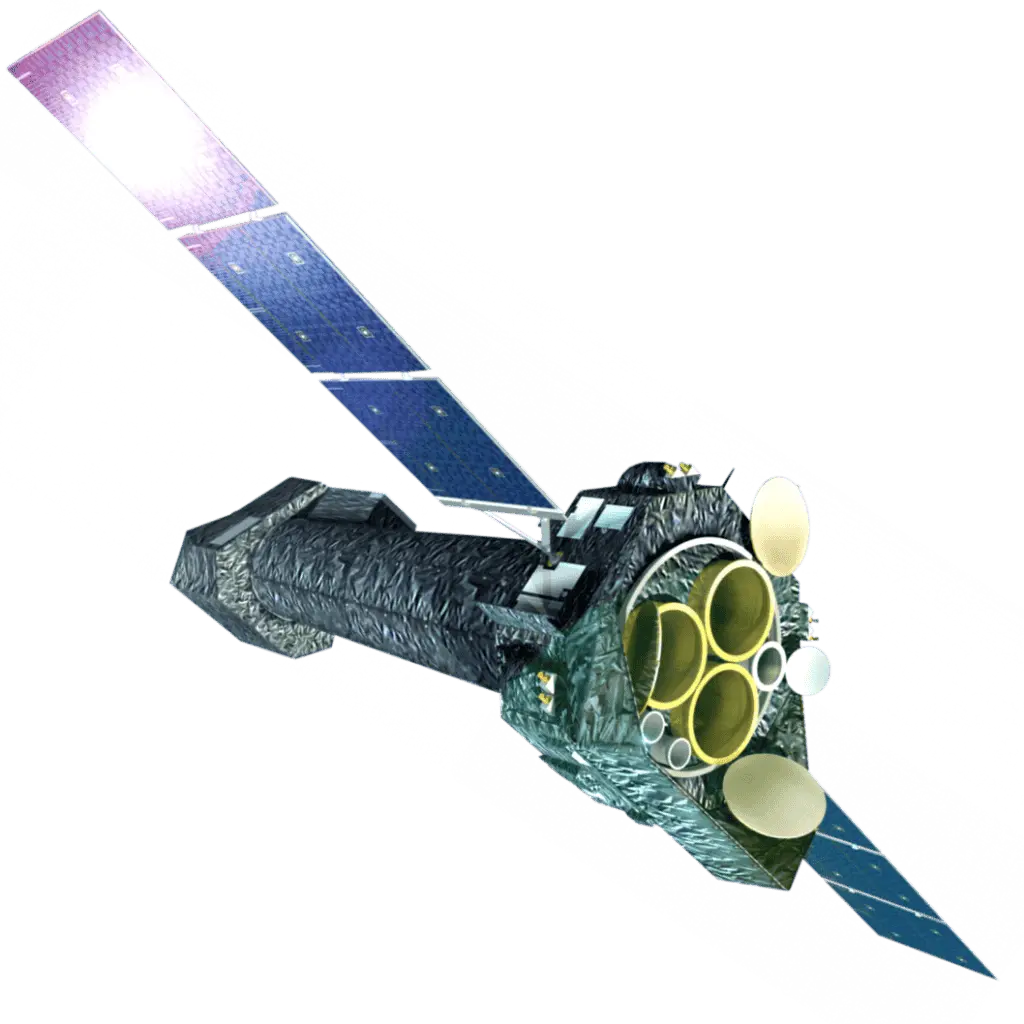
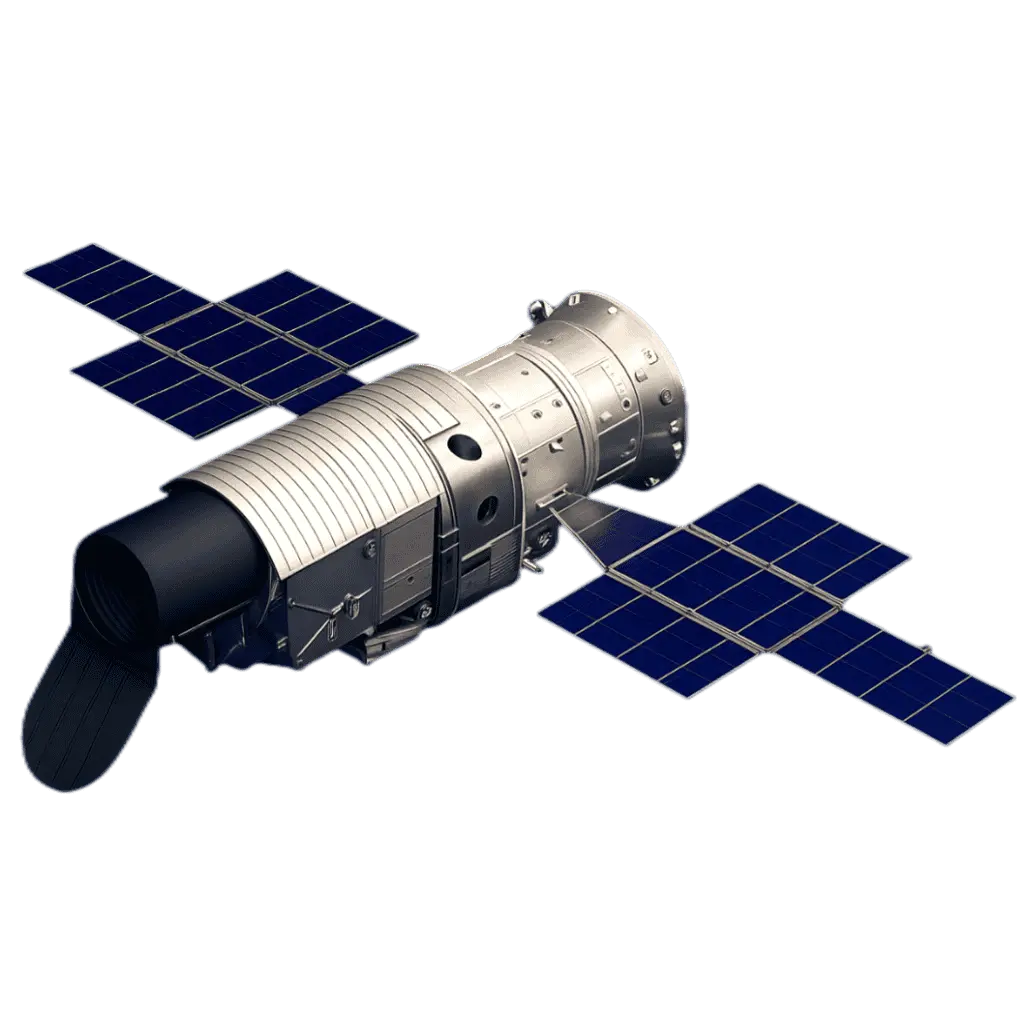
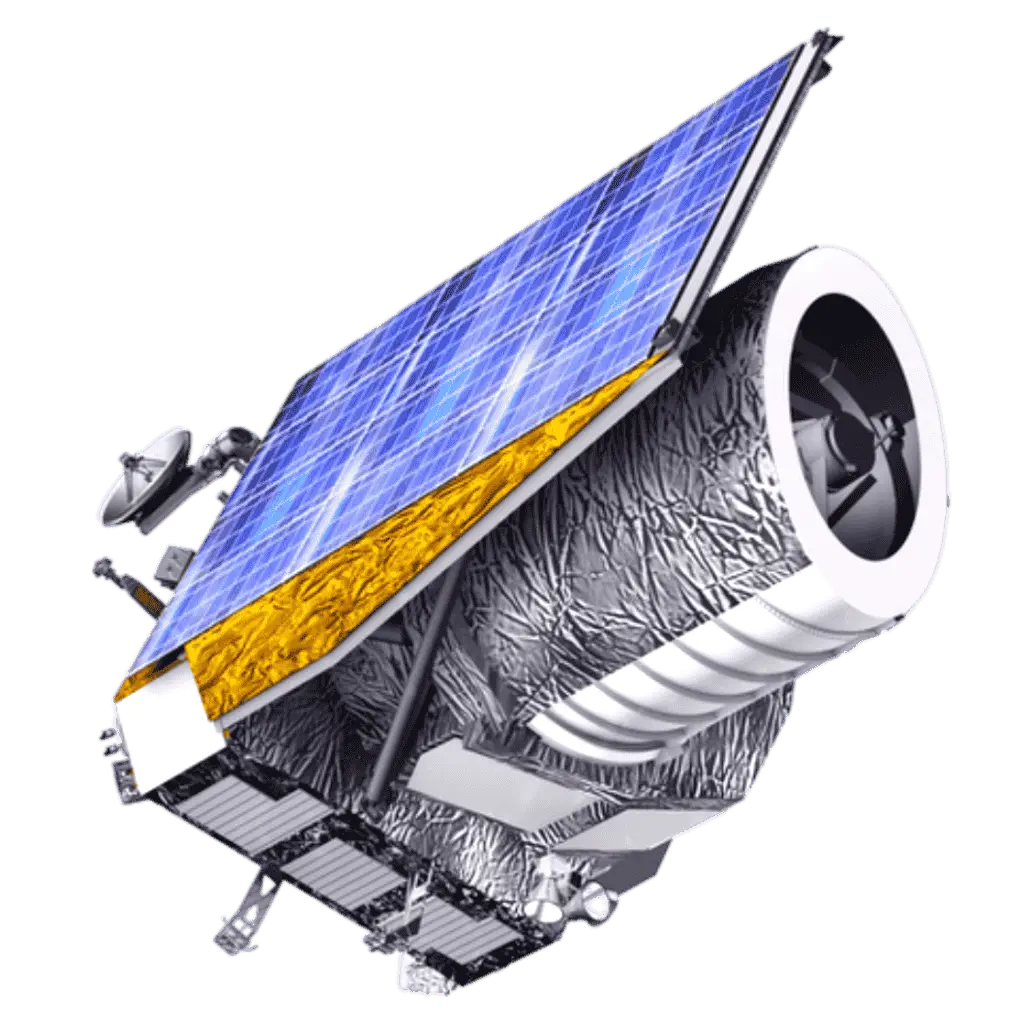
The Euclid Space Telescope is a medium class mission built by the European Space Agency (ESA). It left Earth in July 2023 on a SpaceX Falcon 9 rocket. Now it sits 1.5 million kilometers away from us at the Lagrange point 2 (L2), sharing a neighborhood with the James Webb. Unlike Webb’s narrow, deep view, Euclid takes a wide-angle shot of the sky. It’s like using a massive wide-lens camera to map the entire forest rather than using a microscope to look at one leaf.
Purpose and Mission Objectives (Why It Was Built)
Scientists built this eye in the sky to answer a simple, haunting question: why is the expansion of the universe speeding up? We call the cause ‘dark energy,’ but we have no clue what it really is.
- Map the shapes and positions of billions of galaxies out to 10 billion light-years.
- Track how dark matter creates ‘scaffolding’ that holds galaxies together.
- Measure the effect of dark energy on the acceleration of the cosmos.
- Test if Albert Einstein’s theory of General Relativity still works at the biggest scales.
- Identify the nature of dark matter particles by looking at how they clump.
Key Discoveries of the Euclid Space Telescope
The mission’s biggest win so far is the first truly 3D map of the universe. In late 2024, Euclid released data that showed over 100 million sources in a single pass. This map allows us to see how gravity has dragged matter across space since the early days of time. When we compared these findings to old models, we found that dark matter is much smoother than some theories predicted. It suggests the universe’s structure might be less ‘lumpy’ than we previously imagined.
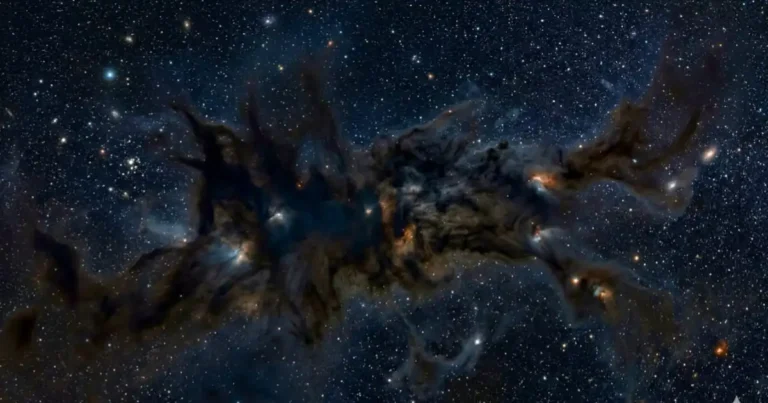
Next, Euclid found a ‘ghost’ population of stars between galaxies. These stars were ripped away during galactic crashes. They don’t belong to any single home anymore. By tracking these lost stars, the Euclid Space Telescope helps us understand the violent history of how galaxy clusters grow. It’s the first time we’ve seen these faint trails over such huge areas of the sky.
How It Changed Our Understanding
Before this mission, we relied on tiny slices of the sky to guess the big picture. We assumed dark energy was a constant, unchanging force everywhere. Early 2026 data releases suggest things might be more complex. The way gravity bends light- a process called gravitational lensing- shows tiny mismatches with our old predictions. These small gaps might mean we need a brand new ‘Layer’ of physics to explain how the universe behaves at its edge.
Euclid also killed some myths about the ‘dark ages’ of the cosmos. By seeing so many distant galaxies at once, we learned that star formation started faster and harder than models said. This corrected the timeline of how the first lights in the universe turned on. We don’t just have better data now: we have a different story about our origins.
Technology Behind the Euclid Space Telescope
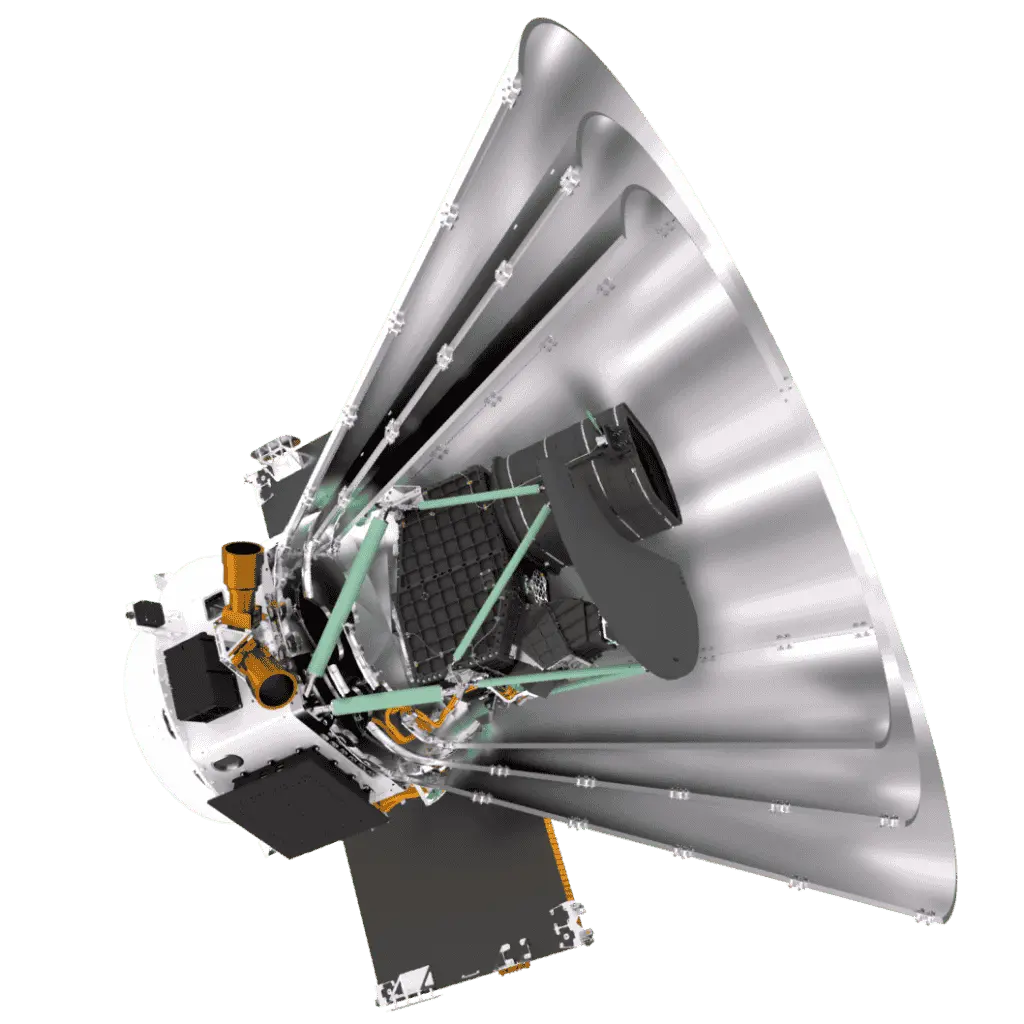
The European Space Agency packed Euclid with two main tools: the VIS (Visible Instrument) and the NISP (Near-Infrared Spectrometer and Photometer). The VIS is a giant 600-megapixel camera that takes incredibly sharp images. Then, the NISP measures the ‘redshift’ of light to find out exactly how far away galaxies are. By combining these, Euclid turns flat photos into 3D space maps. It uses a 1.2-meter mirror that stays perfectly cold, allowing it to see heat signatures from across the cosmic void.
Challenges and Failures
It wasn’t all smooth sailing for the team, and early in the mission, a tiny bit of ice built up on the optics. Even a layer the width of a strand of DNA was enough to blur the vision. Engineers had to carefully heat specific parts of the craft to ‘defrost’ the mirrors while they were 1 million miles away. There were also glitches with the fine guidance sensor that kept the telescope from locking onto its targets. Software patches eventually saved the day, but it was a tense few months for everyone involved.
Longevity and Current Status
Euclid is currently in its prime phase. As of 2026, it has mapped about 30 percent of the target sky. It’s designed to last for six years, but since it has extra fuel, it might stick around much longer. Most mission members expect a two-year extension. Right now, it’s beaming back gigabytes of raw data every single day to ground stations across the world.
Legacy and Future Impact
The data Euclid provides will be the gold standard for decades. It’s setting the stage for NASA’s Nancy Grace Roman Space Telescope, which will launch later this decade. While Euclid does the wide map, Roman will do the high-res zoom. They’ll work as a duo. Science isn’t about one big ‘Eureka’ moment anymore. It’s about building this giant digital archive that thousands of researchers will use to hunt for planets and black holes for the next 50 years.
Impact on Science and Humanity
Space telescopes usually make people feel small. Euclid does something different: it makes us feel connected. It shows that even the ’empty’ spaces between stars are full of an invisible web that links everything together. This mission has changed how we teach physics in schools. We no longer just talk about what we see. In practice, we talk about the 95 percent of the universe that’s hidden from us. It reminds us that we’re still in the early days of figuring out where we come from.
FAQs About Euclid Space Telescope
-
What’s the main goal of the Euclid mission?
The main goal is to map the dark universe. By looking at billions of galaxies, it measures how dark matter and dark energy have shaped the cosmos over 10 billion years. It’s essentially a cosmic detective mission.
-
How does Euclid see dark matter?
It doesn’t see it directly. Instead, it looks for ‘gravitational lensing.’ Dark matter is heavy and bends light. By looking at how the light from far galaxies is distorted, Euclid calculates exactly where the dark matter is hiding.
-
Where is the Euclid Space Telescope located?
It orbits the sun at the L2 Lagrange point, and this is a special spot 1.5 million kilometers from Earth where the gravity of the Earth and Sun balance out. It allows the telescope to stay stable and look into deep space.
-
How many galaxies will Euclid map?
Euclid is expected to record the shapes and positions of over 2 billion galaxies. This creates a huge dataset that lets scientists see the evolution of cosmic structure at an unprecedented scale.
-
How is Euclid different from the James Webb Space Telescope?
Webb is like a high-power zoom lens that looks at tiny patches of the sky in great detail. Euclid is like a wide-angle lens. It looks at 35 percent of the sky to see the big picture.
Final Thoughts
The Euclid Space Telescope proves that our curiosity can reach further than our eyes. Even though we can’t touch or see dark energy, we’ve built a machine that tracks its every move. We’re living in a golden age of discovery where the dark parts of the map are finally being filled in. As we look at these new maps in 2026, we realize the universe is much more crowded and active than we ever dreamed. Stay curious: the best data is yet to come.