Imagine a pair of eyes that see a hundred times more of the sky than the Hubble Space Telescope ever could. We’re currently in 2026, and the countdown to the Nancy Grace Roman Space Telescope launch is hitting a fever pitch. NASA’s next heavy hitter isn’t just a sequel to past missions: it’s a wide-angle lens for the entire universe. Scientists expect this satellite to rewrite what we know about the invisible forces pulling the cosmos apart. By this time next year, Roman should be heading to its permanent home in deep space.
What’s the Nancy Grace Roman Space Telescope?
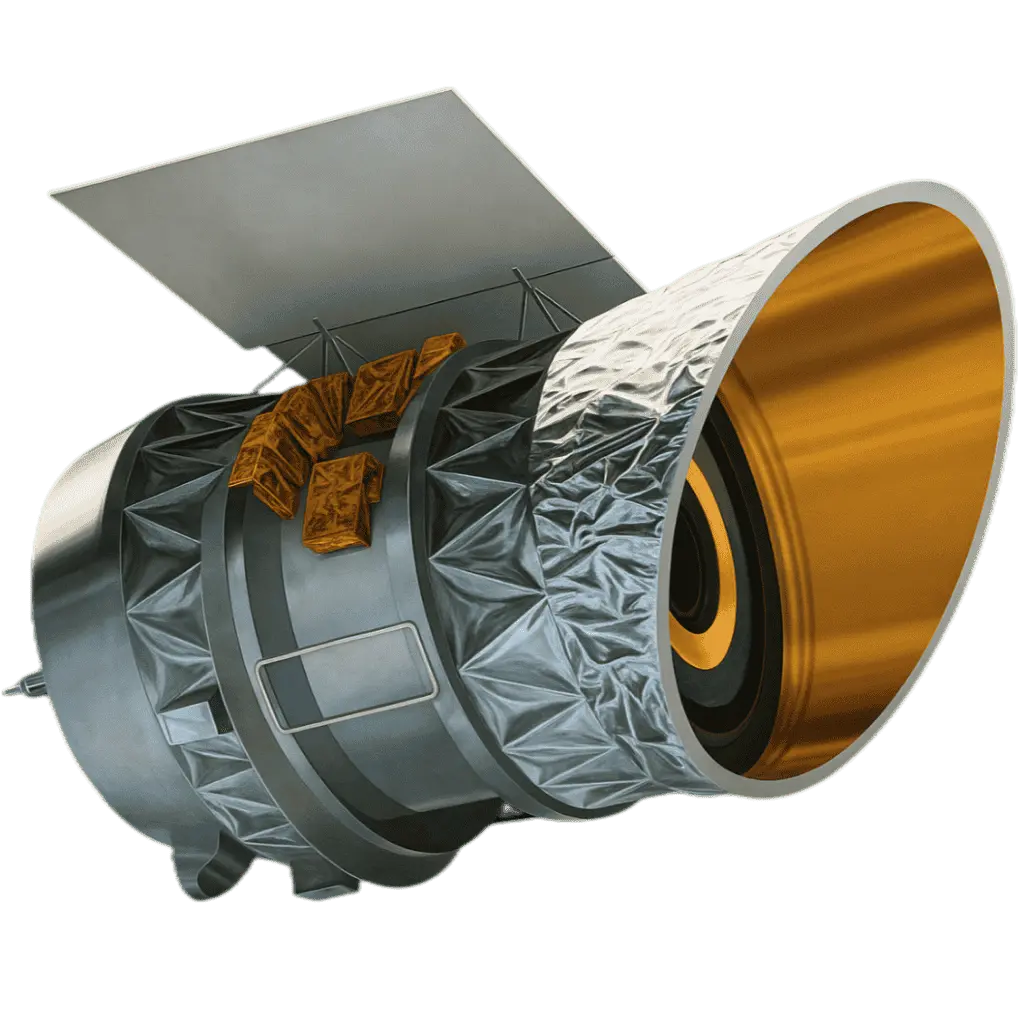
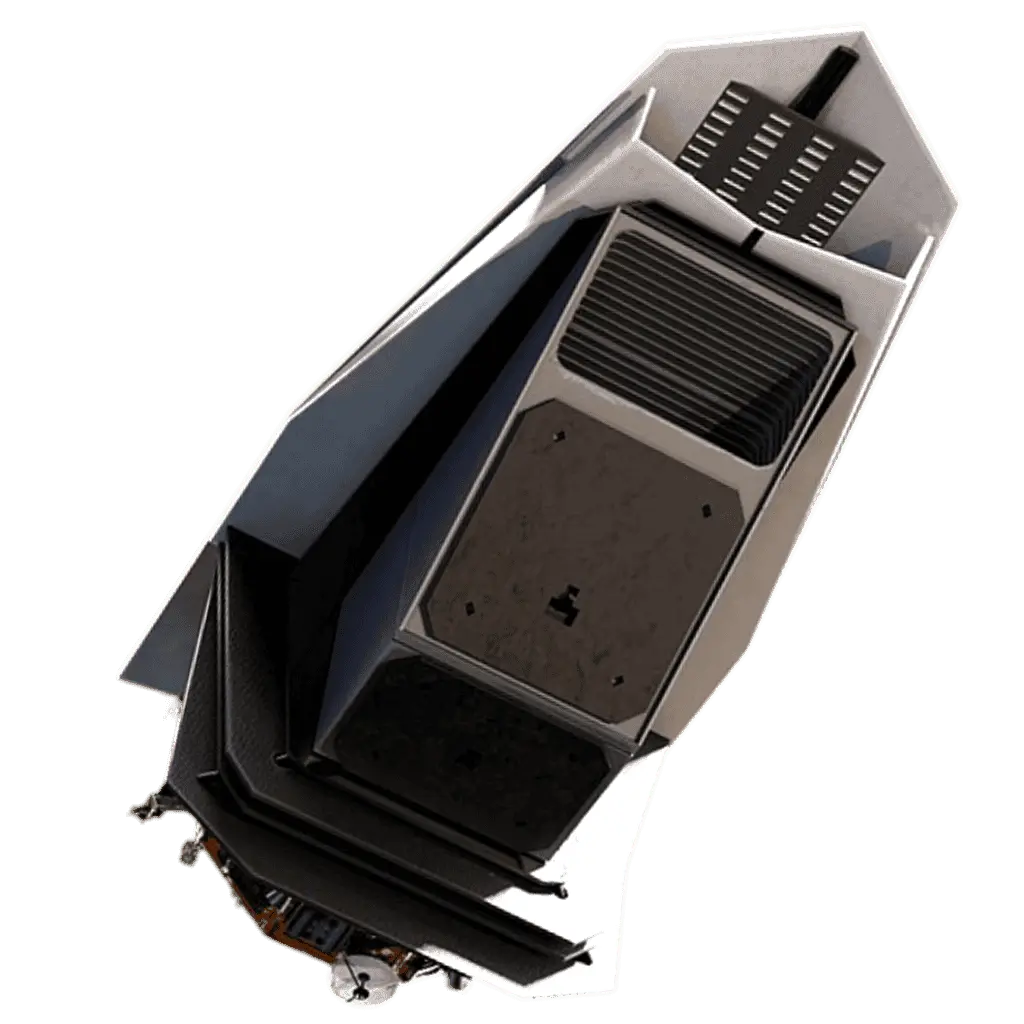
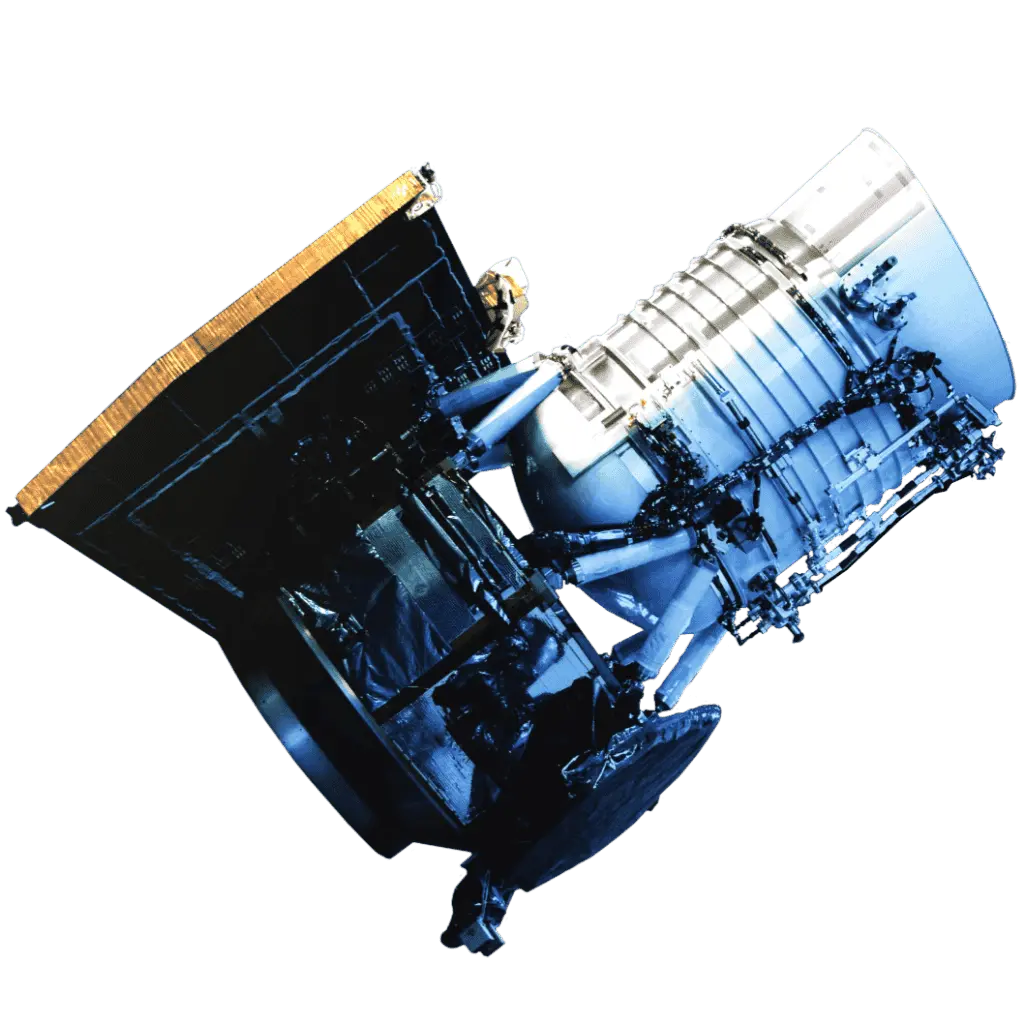
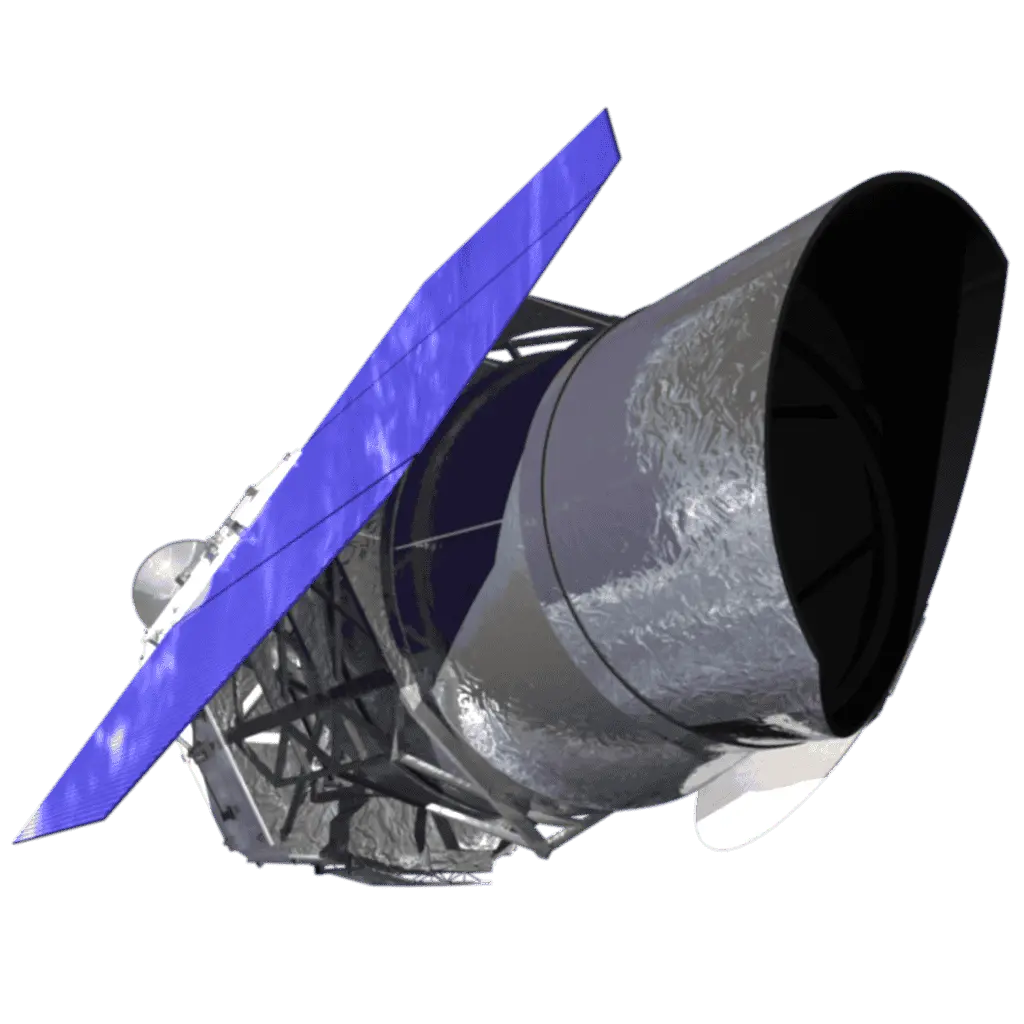
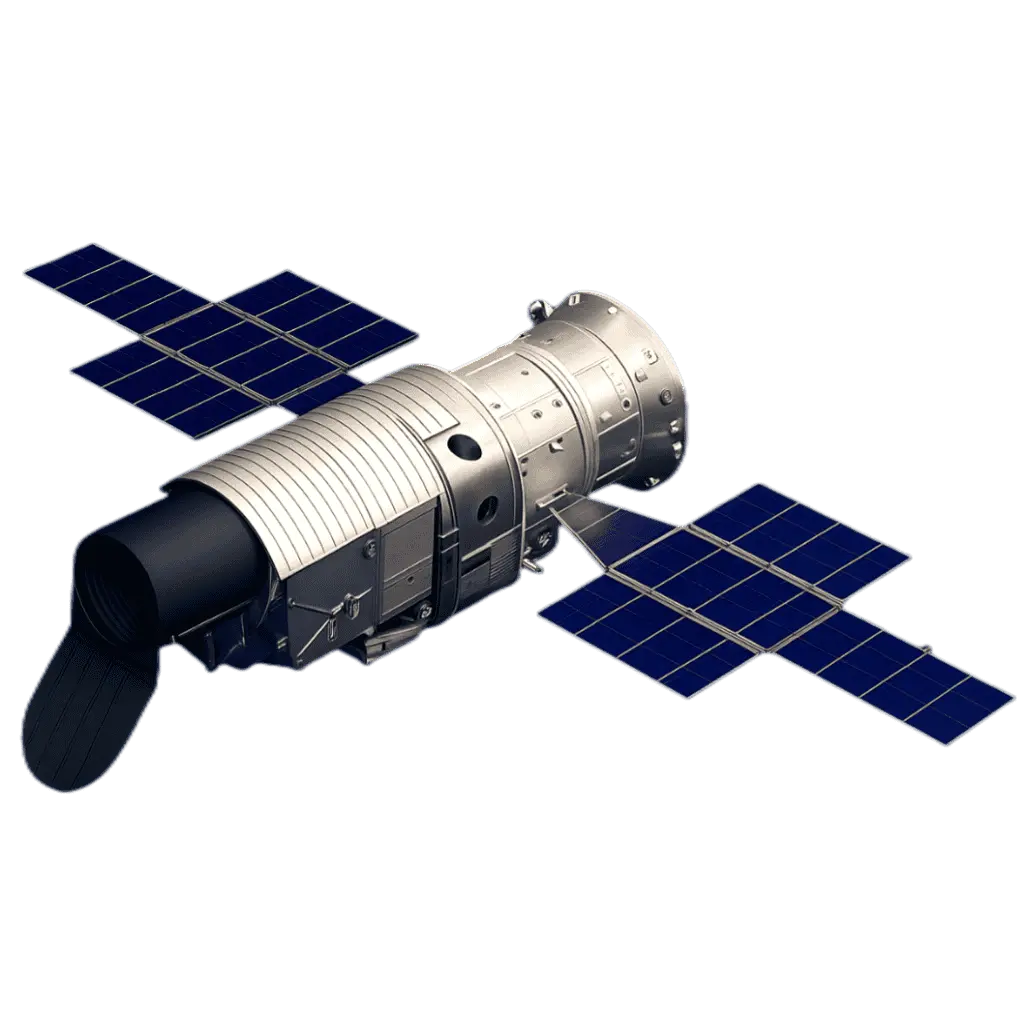
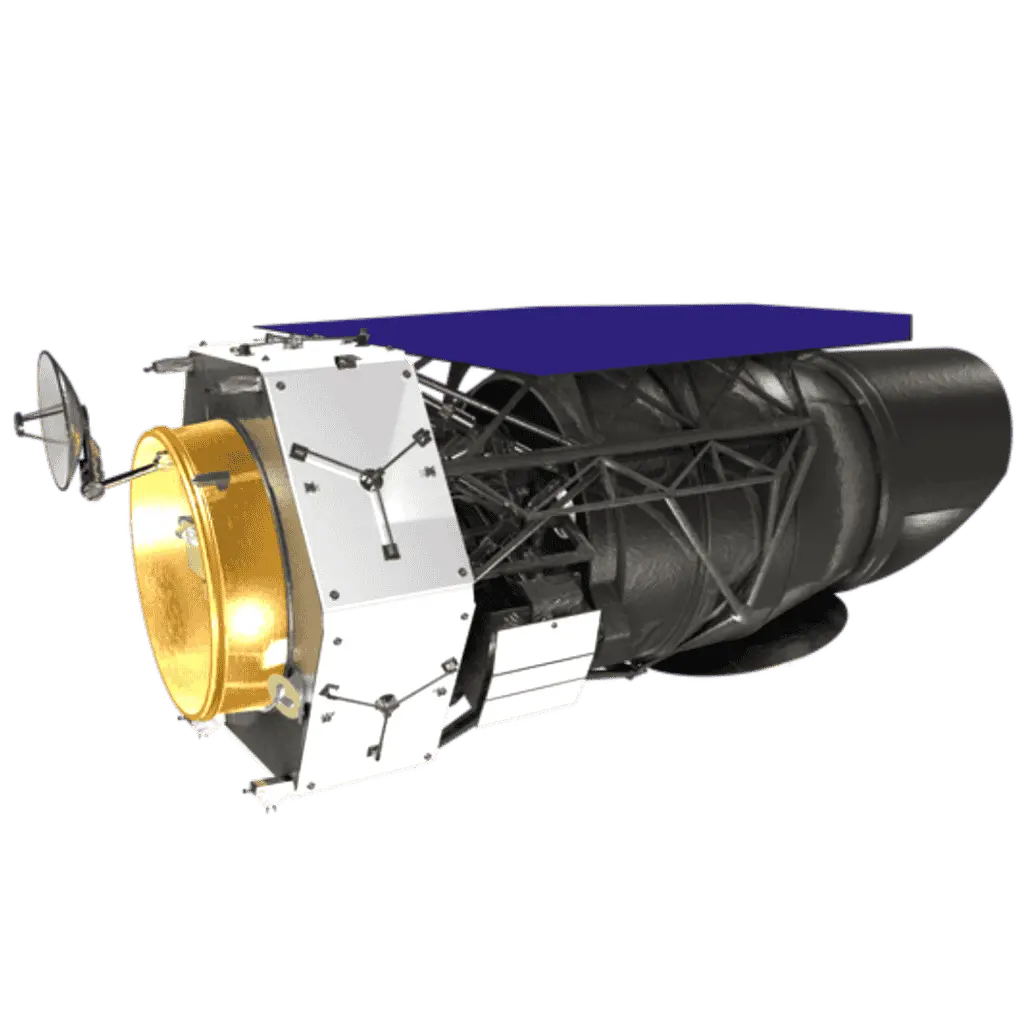
NASA built this powerhouse at the Goddard Space Flight Center with help from international partners. It’s officially scheduled for launch in May 2027, making 2026 the year of final vacuum chamber testing. This observatory won’t orbit Earth like the International Space Station. Instead, it’s destined for the L2 Lagrange point, a stable spot a million miles away. Think of it as a 2.4-meter mirror that acts as a panoramic camera for the dark side of the Milky Way.
Nancy Grace Roman Space Telescope Mission Objectives
The primary mission for the Roman satellite involves two massive cosmic mysteries. It wants to find out what’s causing the universe’s expansion to speed up, a force we call dark energy. While the James Webb Space Telescope looks deep and narrow, Roman will look wide and far.
- Map dark energy: Measure the distribution of galaxies over cosmic time.
- Exoplanet census: Detect thousands of new worlds using gravitational microlensing.
- Coronagraphy: Test tech that can block out starlight to see planets directly.
- Galactic history: Trace how our home galaxy grew and changed over billions of years.
During my visit to the Goddard cleanroom last month, I saw the team finishing the Wide Field Instrument. It’s a massive piece of hardware that handles the telescope’s incredible data load. On that note, it’s designed to snap photos that are as sharp as Hubble’s but cover a patch of sky 100 times larger.
Key Nancy Grace Roman Space Telescope Discoveries and Targets
While the telescope hasn’t launched yet, the ‘Pathfinder’ simulations and 2026 ground data have already changed the game. Scientists used Roman’s pre-flight sensitivity charts to refine our hunt for ‘rogue’ planets. These are worlds that don’t orbit stars. Recent model data suggests Roman will find more of these lonely planets than we ever thought possible.
This matters because rogue planets might be the most common type of world in the galaxy. We can’t see them easily now because they’re dark. Roman’s ability to sense tiny dips in light from background stars will solve this mystery. It’s a scientific impact that shifts our focus from ‘solar systems’ to ‘galactic populations.
How It Changed Our Understanding
Before the Nancy Grace Roman Space Telescope, astronomers had to choose between seeing big areas or seeing detail. It was like looking through a straw or looking through a foggy window. This mission ends that trade-off. We’ve shifted from studying individual stars to studying the ‘cosmic web’ as a whole.
This shift corrected the assumption that dark energy behaves the same way everywhere. New 2026 simulations, based on Roman’s hardware specs, suggest we’ve missed huge structures in the distant universe. We aren’t just looking for new things anymore, and we’re trying to figure out why the ’empty’ space between galaxies is so active.
Technology Behind the Nancy Grace Roman Space Telescope
The hardware inside this satellite is a marvel of 2020s engineering, and it uses a 2.4-meter primary mirror, which is the same size as Hubble’s mirror but weighs much less. The standout tech is the Wide Field Instrument (WFI), a 288-megapixel camera. Each image it takes is equivalent to 100 Hubble photos stitched together perfectly.
It also carries an ultra-advanced Coronagraph Instrument. This piece of tech acts like a pair of high-tech sunglasses. It blocks out the blinding light of a star so the telescope can see the dim glow of a planet nearby. No other space telescope has managed this level of contrast before. It’s a leap over anything on NASA’s current active fleet.
Challenges and Failures
Every great space mission faces hurdles. The Nancy Grace Roman Space Telescope was almost canceled multiple times due to budget concerns under the name WFIRST. Keeping the mission alive required a massive effort from the scientific community. The project also dealt with supply chain issues during its early construction phases.
Technical failures during vibration testing in 2024 forced engineers to redesign part of the sensor housing. They fixed it by using new vibration-damping materials. Those delays pushed the launch into 2027, but the result is a more resilient spacecraft. It proves that even when the metal breaks, the science moves forward.
Longevity and Current Status
Right now, Roman is in the final stages of thermal testing, and engineers are baking it and freezing it to simulate the harsh environment of L2. It’s currently active in the sense that its brain is awake, but its eyes haven’t opened to the stars yet. The mission is designed to last at least five years, though NASA expects it to run for ten or more.
Extension plans are already being discussed at NASA HQ. They want to use Roman as a communication relay for other deep-space probes. Because the hardware is so modern, its ‘legacy’ phase might involve things we haven’t even thought of yet. It’s a living project.
Legacy and Future Impact
Roman sets the stage for the Habitable Worlds Observatory in the 2030s. It’s the bridge between finding planets and finding life. By proving that wide-field surveys work at this scale, Roman makes it possible to map the entire sky in high resolution. It’s a foundation for every mission that comes after it.
Scientists are already building ‘data pipelines’ to handle the flood of info Roman will send back. We’re talking about petabytes of images, and this is training the next generation of AI to look at stars. It’s a technological hand-off that will define 21st-century astronomy.
Impact on Science and Humanity
The Nancy Grace Roman Space Telescope brings the universe to the public in a way Hubble couldn’t. Its wide-field images will be beautiful enough to serve as wallpapers and classroom posters for decades. It makes space feel accessible, not just a collection of tiny, lonely points of light.
Culturally, Roman honors a woman who was instrumental in making Hubble happen. It inspires young students to look at the stars as a place where they belong. The educational influence is already visible in 2026 university curricula around the globe, and we aren’t just learning facts: we’re learning how to see the big picture.
FAQs About Nancy Grace Roman Space Telescope
-
When does the Nancy Grace Roman Space Telescope launch?
NASA plans to launch the mission in May 2027, and it’s currently in final assembly and pre-launch testing. 2026 is a vital year for ensuring the hardware can survive the trip to the L2 point.
-
How does Roman compare to the James Webb Space Telescope?
Webb looks at small areas in incredible detail with infrared light. Roman has the same resolution as Hubble but views 100 times more sky at once. They’re built to work together, not replace one another.
-
Why is dark energy a priority for this mission?
Dark energy makes up about 68% of the universe, but we don’t know what it’s. Roman will measure the positions of millions of galaxies to see how dark energy pushes them apart.
-
Can the Roman telescope see alien life?
Not directly. It’s designed to find planets and analyze their orbits. It tests the tech needed to find life, but its primary job is a cosmic census of worlds.
-
Where will the telescope be located?
It will sit at the L2 Lagrange point. This is 1, and 5 million kilometers from Earth. It’s a spot where the gravity of Earth and the Sun balance out perfectly.
Final Thoughts
The Nancy Grace Roman Space Telescope is our ticket to the vast unknown, and it represents a shift from curiosity to high-definition discovery. As we wait for the 2027 launch, the tension is real, but the excitement is bigger. We’re about to see the universe in wide-screen for the first time, and nothing will ever look the same. Stay curious: the best views are yet to come.