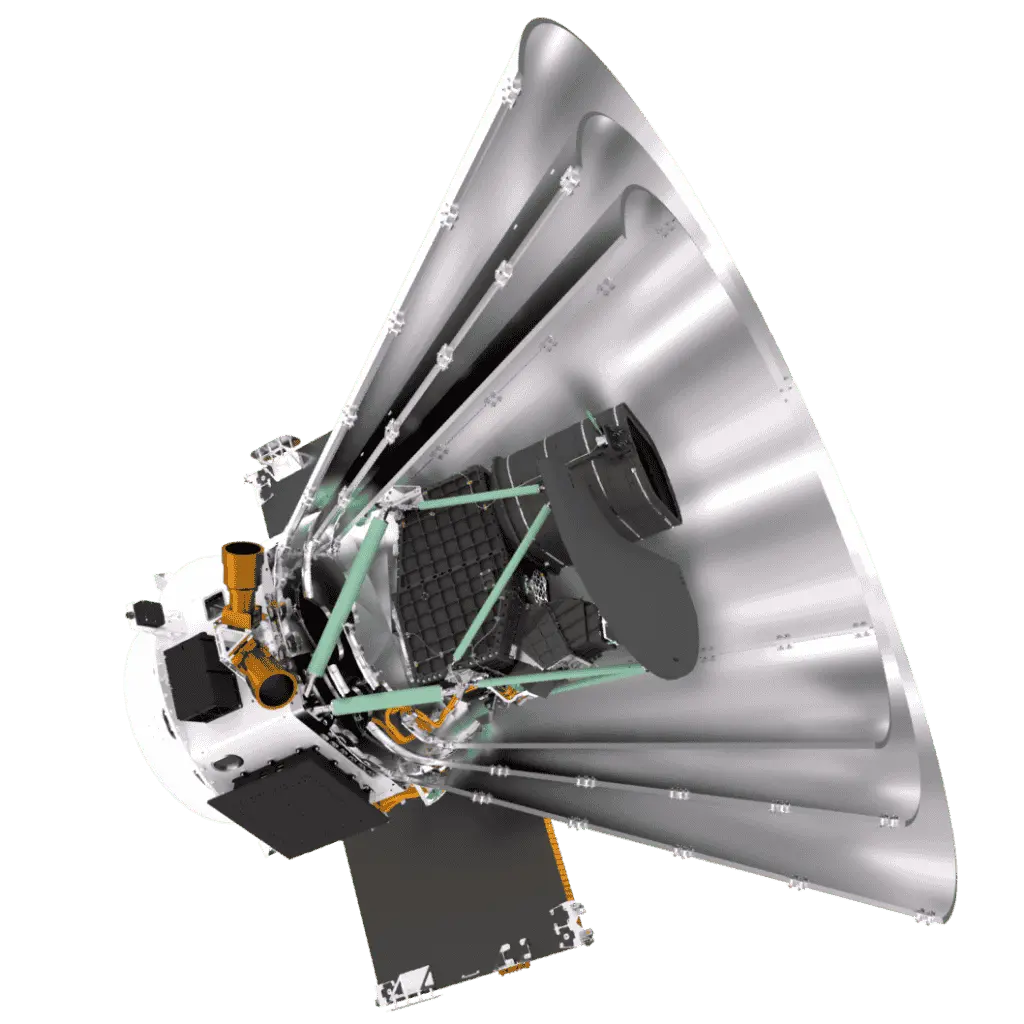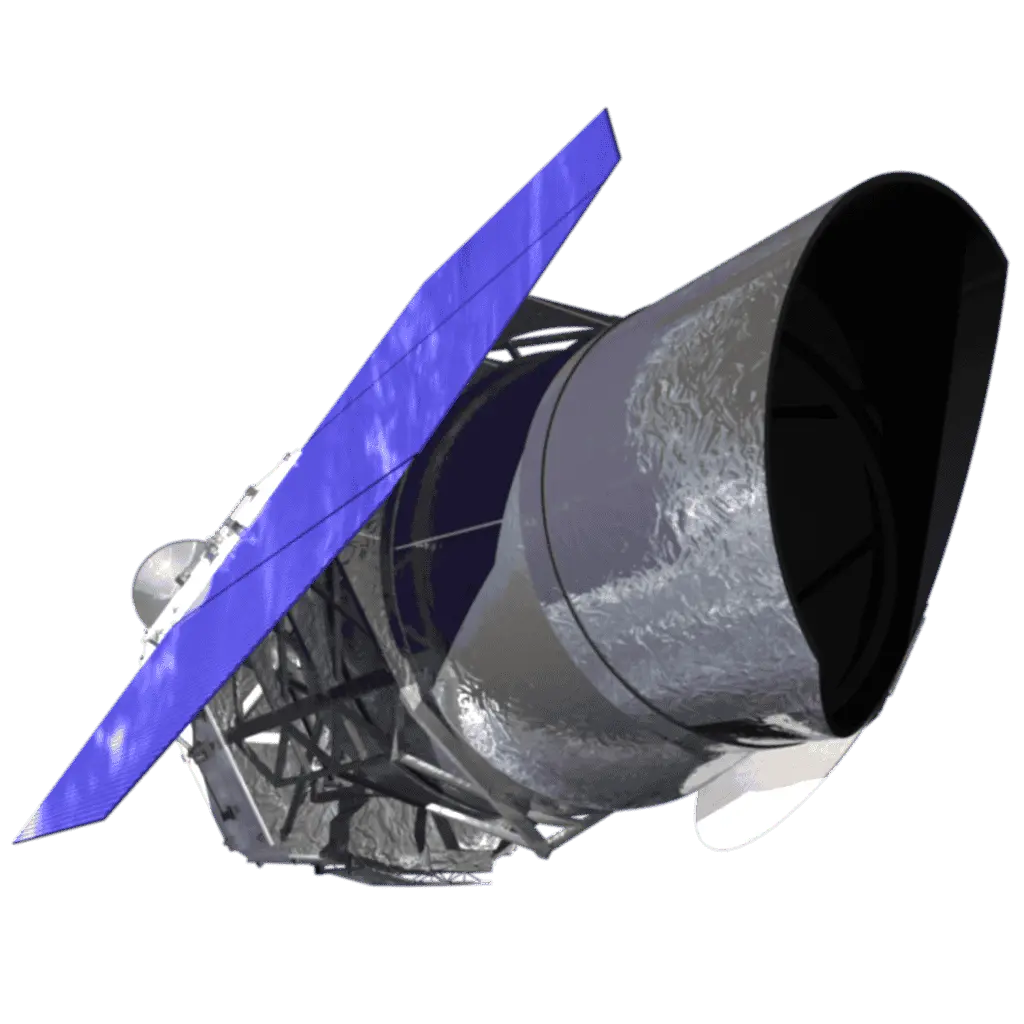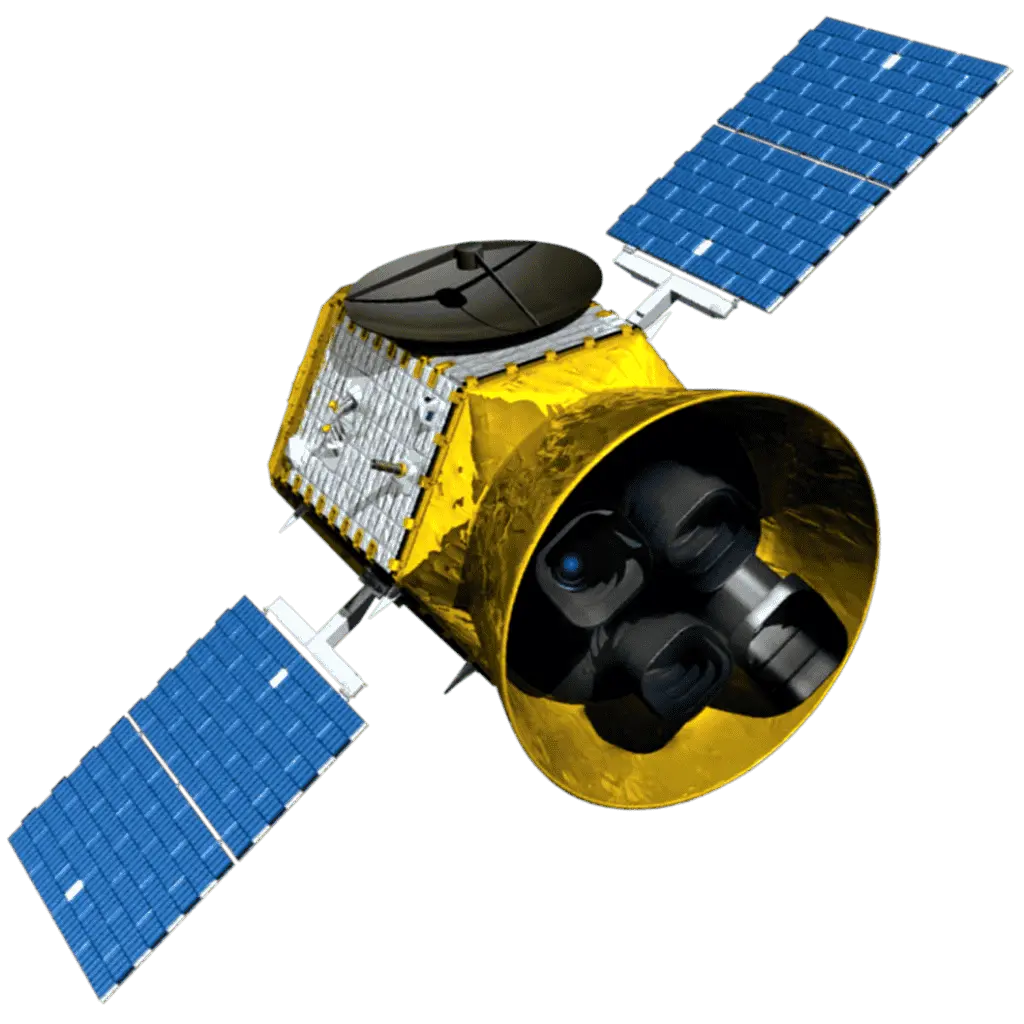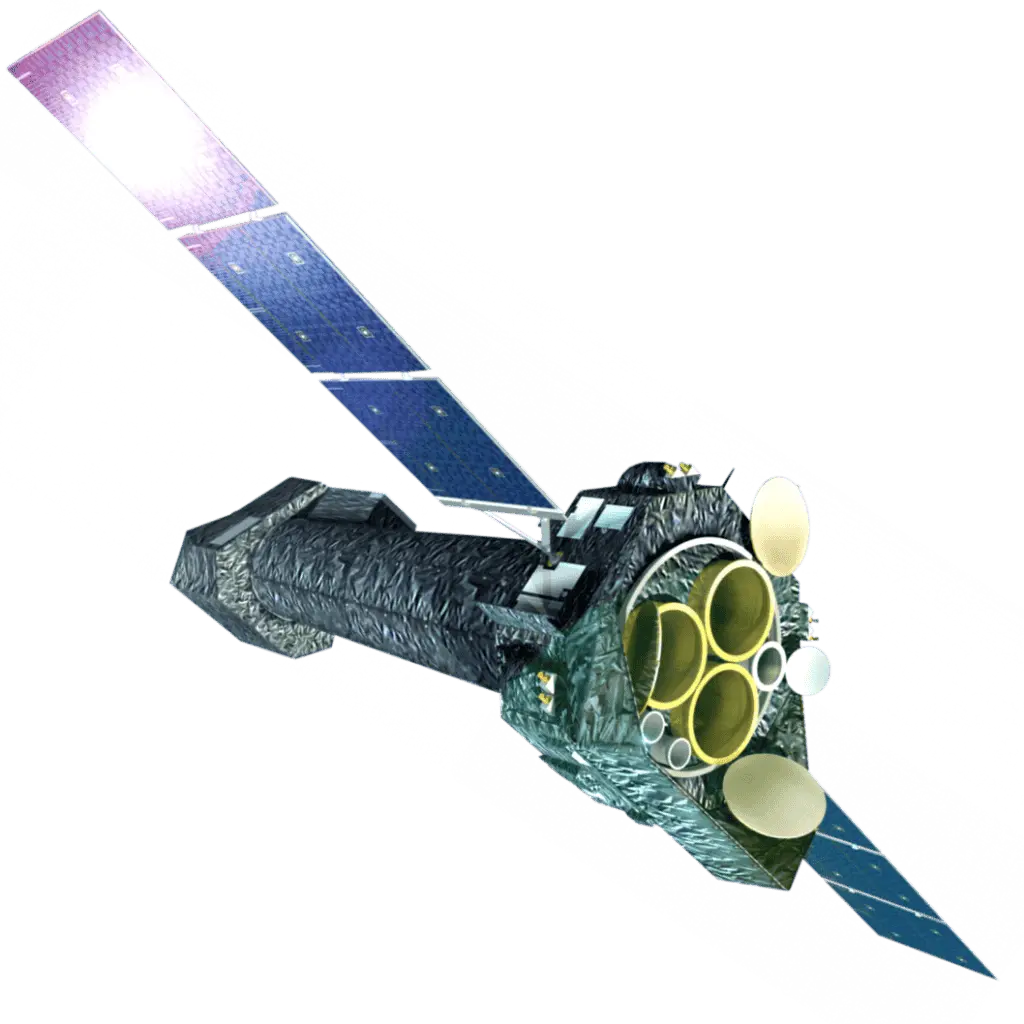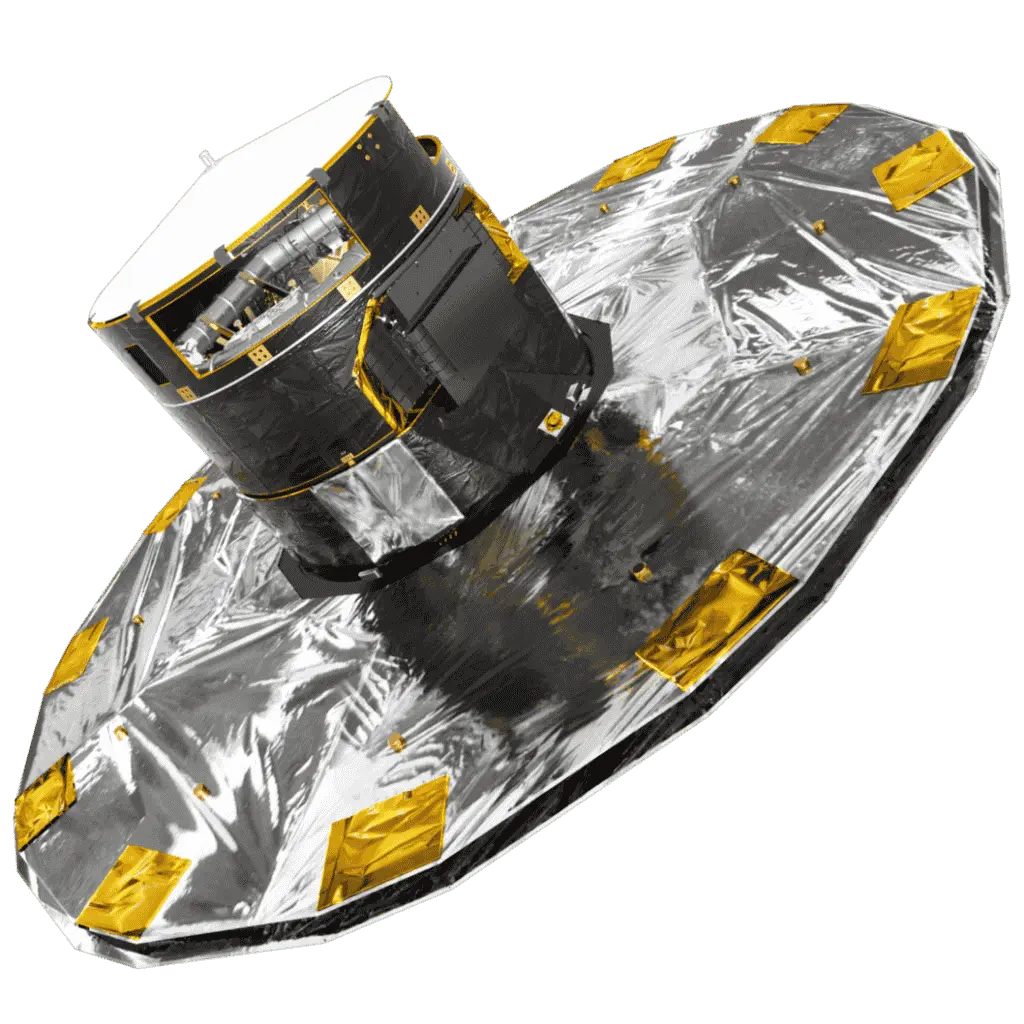
Imagine a billion-pixel camera sitting one million miles from Earth. Gaia is currently floating in that deep-space silence, recording every single star in our galaxy. This mission isn’t just about taking photos; it’s about making the most accurate map humans have ever seen. Astronomers rely on this data to track where we come from and where the Milky Way’s heading. It remains the most important tool for understanding our stellar backyard today. Future generations will look back at this satellite as the spark that turned astronomy from a guessing game into a precision science.
What’s the Gaia Satellite?
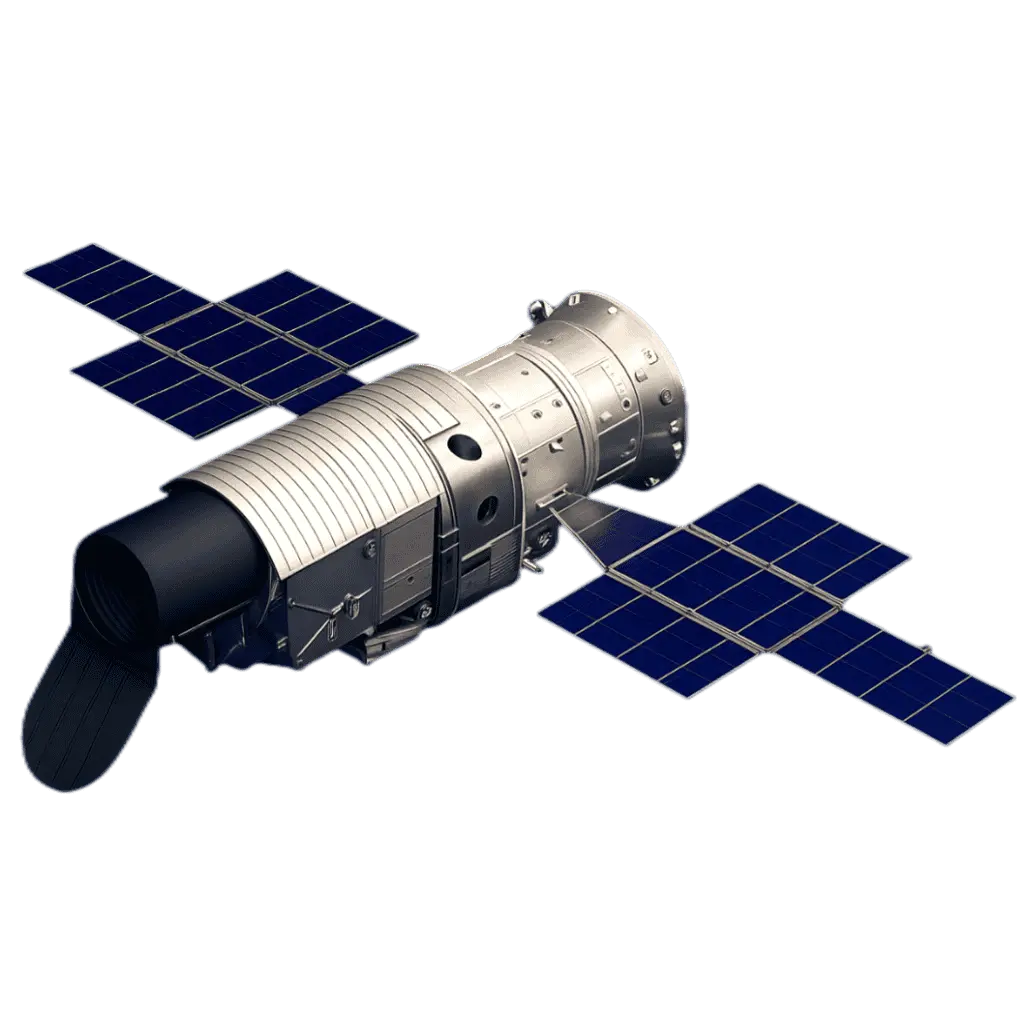
GAIA stands for Global Astrometric Interferometer for Astrophysics. The European Space Agency built this ambitious probe to measure the positions of over a billion stars. It launched in December 2013 on a Soyuz rocket and currently sits at the Lagrange point L2. This stable spot in space lets it stay perfectly still while it scans the heavens. Unlike older satellites, it captures the distance, motion, and color of stars with incredible clarity. Think of it as a galactic GPS system that works for the entire Milky Way rather than just one planet.
Purpose and Gaia Mission Objectives
The team behind this probe had very clear goals from the start. They didn’t just want pretty pictures of the cosmos. Instead, they built the satellite to solve the biggest mysteries of our local universe.
- Create a 3D map of nearly two billion stars.
- Track the speed and direction of stars to see how the galaxy moves.
- Measure the brightness and temperature of celestial objects.
- Detect thousands of new exoplanets and asteroids within our system.
- Test the limits of general relativity through precise light measurements.
Key Gaia Discoveries
One of the most shocking finds happened during the second data release. I’ve often seen how astronomers shift from doubt to awe when they first plot this parallax data. We learned that the Milky Way isn’t a peaceful place; it’s a graveyard of dead galaxies. It showed us the ‘Gaia-Enceladus’ collision, a massive event ten billion years ago that reshaped our galactic structure. This single discovery changed every model of galactic history we previously held.
But the satellite didn’t stop with history. It also found that the Milky Way is currently ‘wobbling.’ This ripple effect comes from a nearby dwarf galaxy passing through our disc like a stone in a pond. It proves that the galaxy is much more dynamic and responsive to outside forces than we thought. These findings help us predict how our home will eventually merge with the Andromeda galaxy in the far future.
How It Changed Our Galactic Understanding
Before this mission, our view of the Milky Way was mostly static. We had two-dimensional snapshots, but we didn’t truly understand the depth or speed of most stars. Gaia added the third dimension and the element of time. Now, we can rewind the orbits of stars to see exactly where they were millions of years ago. It’s like watching a movie of the galaxy’s birth instead of looking at a blurry still photo.
We also learned that our current assumptions about the mass of the Milky Way were wrong. Previous estimates fluctuated wildly because we couldn’t measure the outer edges of the disc well. With better distance data, researchers corrected these numbers, giving us a clearer picture of dark matter’s role. It solved old arguments and gave us a common ground for future physics research.
Technology Behind the Gaia Telescope
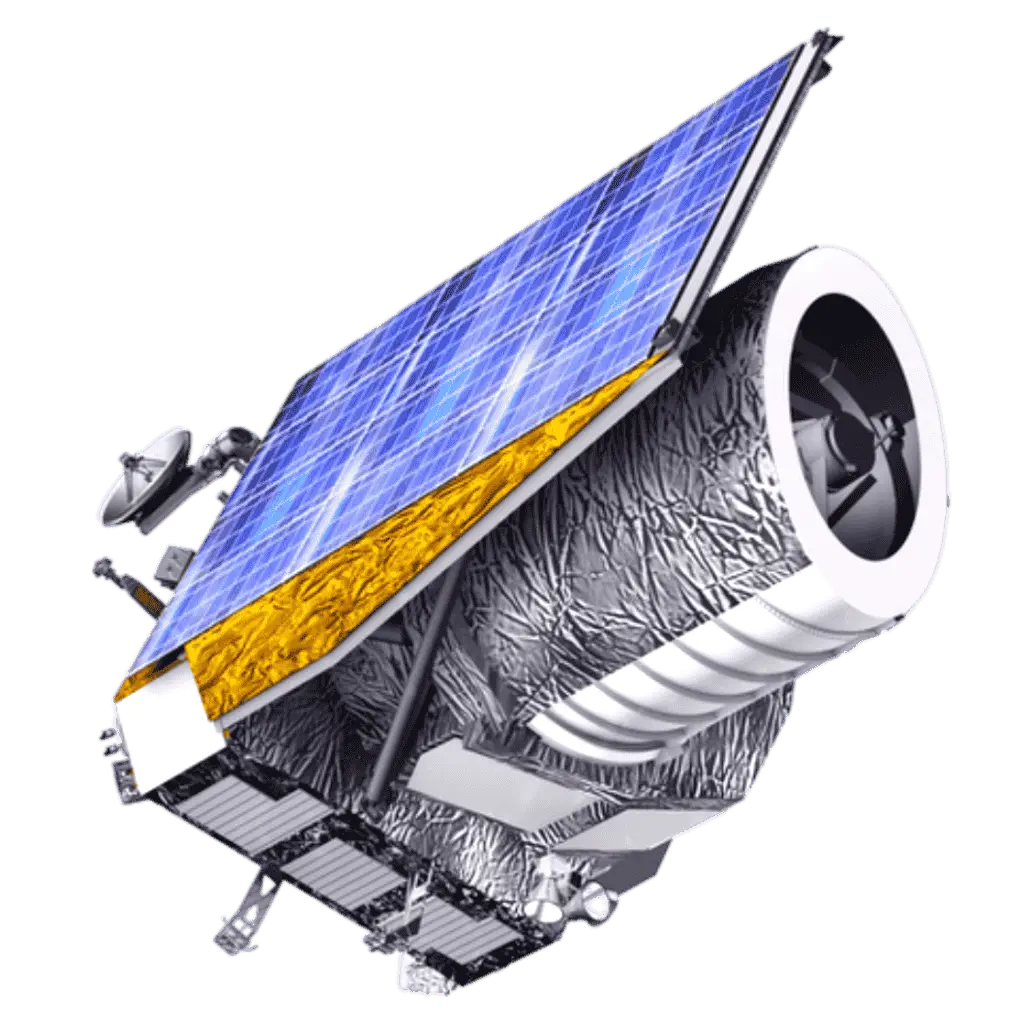
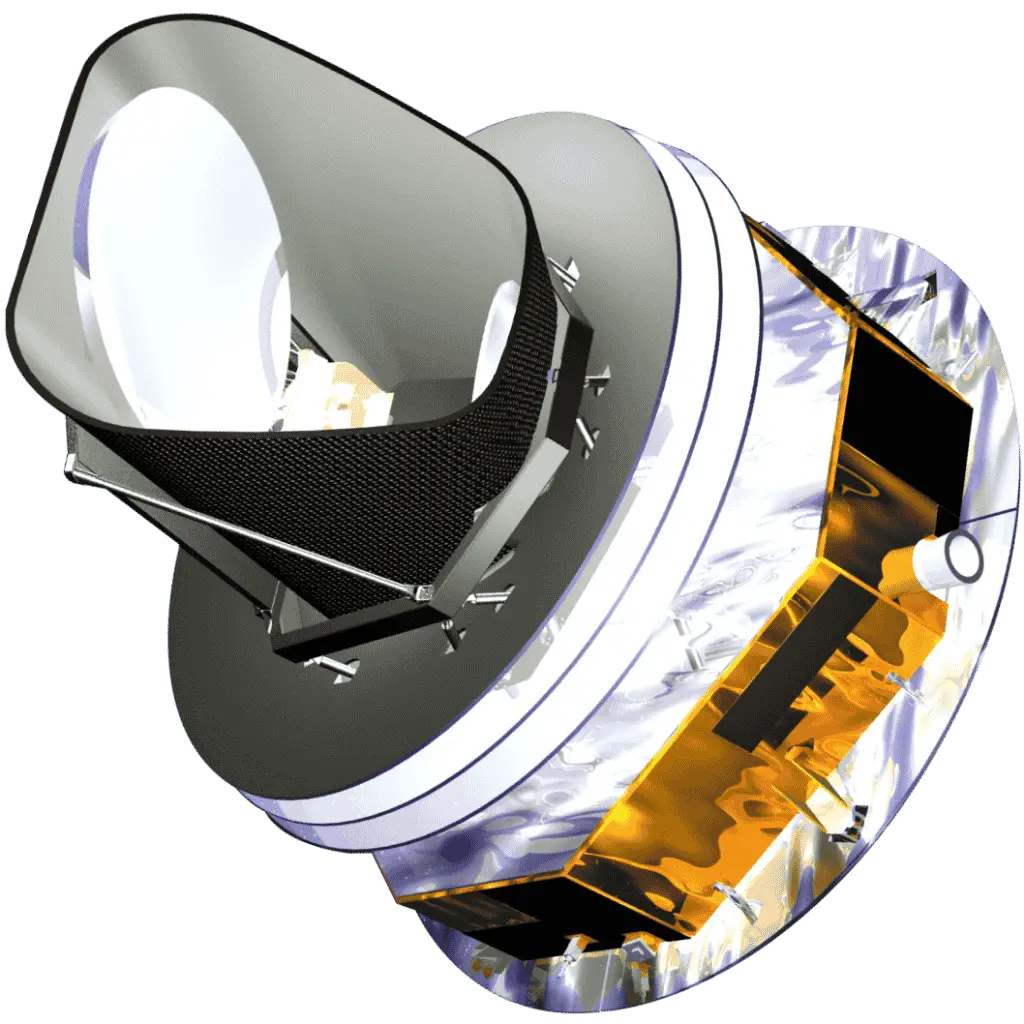
This machine uses a massive focal plane with 106 separate CCD sensors. Still, this setup forms a camera with nearly a billion pixels, which is far beyond what you’ll find in any earth-bound observatory. Two telescopes focus light onto this sensor array at the same time to create a stereo view. This dual-eye system is what allows for such precise measurements of distance through parallax.
Inside the craft, an atomic clock keeps time to a fraction of a nanosecond, and every measurement depends on the timing of when a star crosses the camera’s path. Engineers had to build a shield that protects the instruments from the sun’s heat to prevent any expansion or contraction. Even a tiny shift the size of an atom would ruin the high-precision results.
Challenges and Failures
Life in space is rarely easy, and this mission faced major hurdles shortly after launch. Scientists noticed more ‘stray light’ hitting the detectors than they expected. Small dust particles on the optics scattered sunlight into the sensors, threatening to drown out faint stars. The team had to spend months recalibrating software to ignore this noise.
A second issue involved micro-meteoroid impacts. Tiny pieces of space debris hit the craft, causing small vibrations that messed with the pointing system. While the shielding held up, the mission operators had to develop new ways to compensate for these ‘galactic speed bumps.’ They adapted the stabilization thrusters to fix these micro-wobbles in real-time.
Gaia Longevity and Current Status
Most missions die within five years, but this craft is still going strong. ESA has extended its stay at L2 multiple times because the fuel supply is better than expected. We recently saw the Full Data Release 3, which provided even more details on stellar chemistry and binary stars. The satellite continues to scan the sky every single day, refining its previous data points.
There’s enough gas left in the thrusters to keep it active until 2025. Once the cold gas runs out, the satellite will eventually lose its ability to point accurately at stars. At that point, it’ll likely be moved into a ‘graveyard orbit’ to stay clear of future missions. Until then, every second of its life is being used to collect more observations.
Legacy and Future Impact
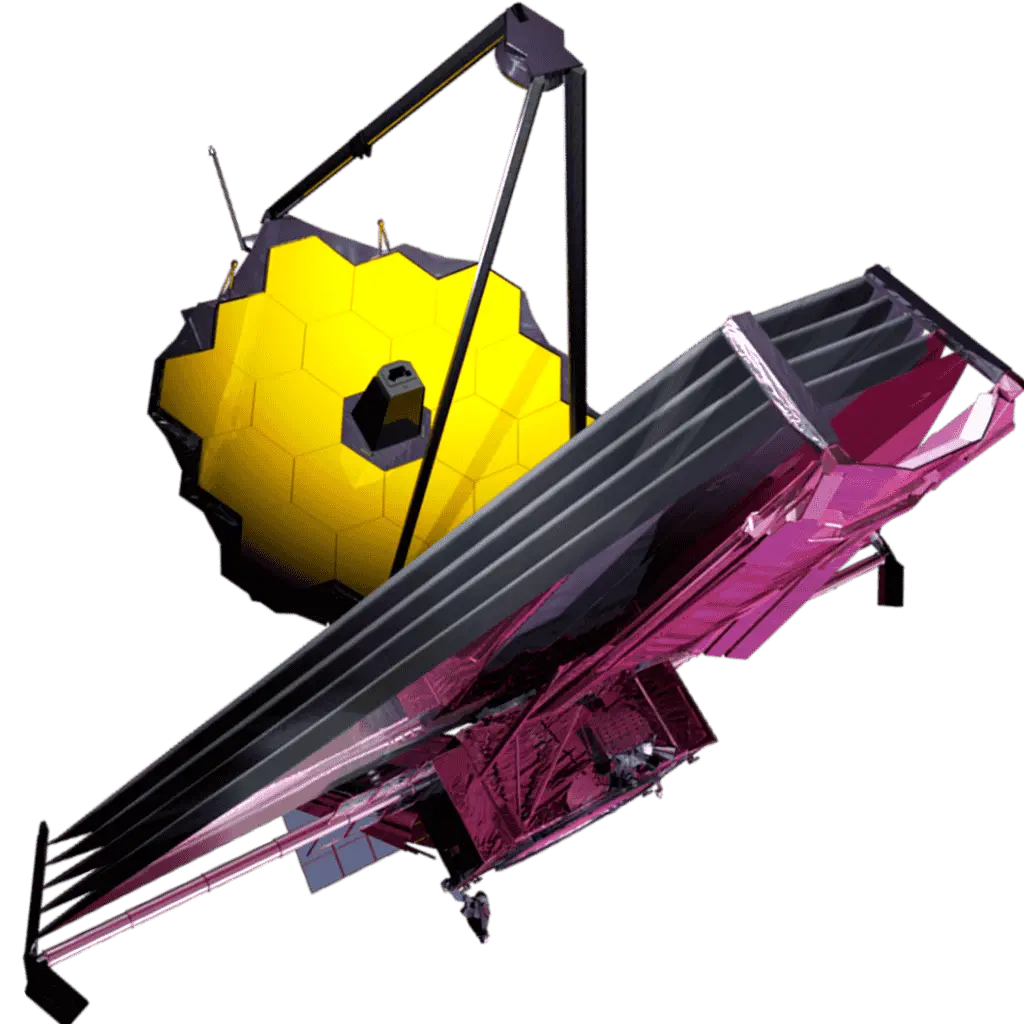
This mission serves as the foundation for everything coming next in astronomy. When the James Webb Space Telescope looks at a target, it often uses Gaia’s coordinates to know where to point. This satellite provided the map that all other telescopes now follow. It didn’t just find a few stars; it organized the entire neighborhood for everyone else.
Data from this mission will be used by researchers for the next fifty years. It’s creating a treasure hunt for future astronomers who will use these star movements to find hidden black holes. The mission proved that wide-area surveys are just as important as deep-field images of single objects. We’ve moved away from looking at one star at a time and toward studying the galaxy as a living system.
Impact of Gaia on Science
The scientific output from this one satellite is staggering, and it produces more peer-reviewed papers than almost any other space mission in history. This happens because ESA makes the data public to everyone on the planet at the same time. Students in small towns have the same access to galactic maps as top professors at Ivy League schools.
Beyond physics, it has a massive cultural reach. For the first time, we can show people exactly where our Sun sits in the spiral arms of the Milky Way. This perspective helps us feel more connected to the cosmos. It turns the night sky from a random collection of lights into a coherent, moving structure.
FAQs About Global Astrometric Interferometer for Astrophysics (GAIA)
-
What exactly is the Gaia mission doing right now?
The satellite is currently rotating in a stable orbit, scanning the sky to record star positions. It tracks light from over a billion objects and measures how they move through space. This data helps create a detailed 3D model of the galaxy.
-
Is Gaia better than the Hubble Space Telescope?
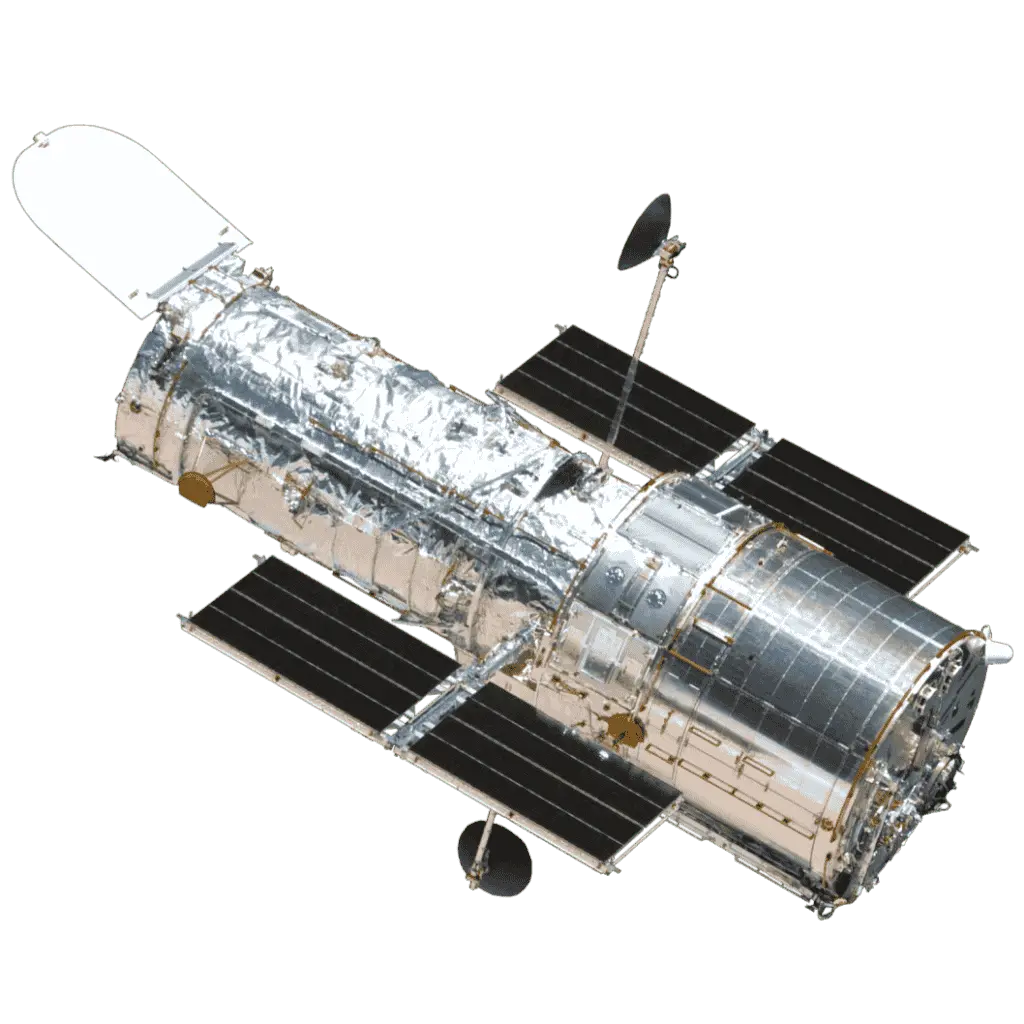
They do different jobs. Hubble takes deep, high-resolution photos of specific targets like distant nebulae. Gaia focuses on the wide-scale measurement of star positions and movements across the whole sky. They complement each other perfectly.
-
How does Gaia measure the distance to a star?
It uses a method called parallax. By looking at the same star from different positions as it orbits the sun, the satellite sees the star ‘shift’ against the background. Scientists use geometry to calculate the distance based on that tiny shift.
-
Why is the 3D map of the Milky Way so vital?
We live inside the galaxy, which makes it hard to see its complete shape. Mapping it in 3D allows us to see spiral arms and hidden structures. It helps us understand the evolution of our cosmic home over billions of years.
Final Thoughts
The story of the Milky Way is still being written, and this satellite is providing the ink. We’ve moved from seeing the sky as a mystery to seeing it as a predictable, moving engine. Keep looking up, because the stars are no longer just distant lights; they’re coordinates in a map that we’re finally learning to read. This mission proves that when we look far enough into the dark, we eventually find the way home.