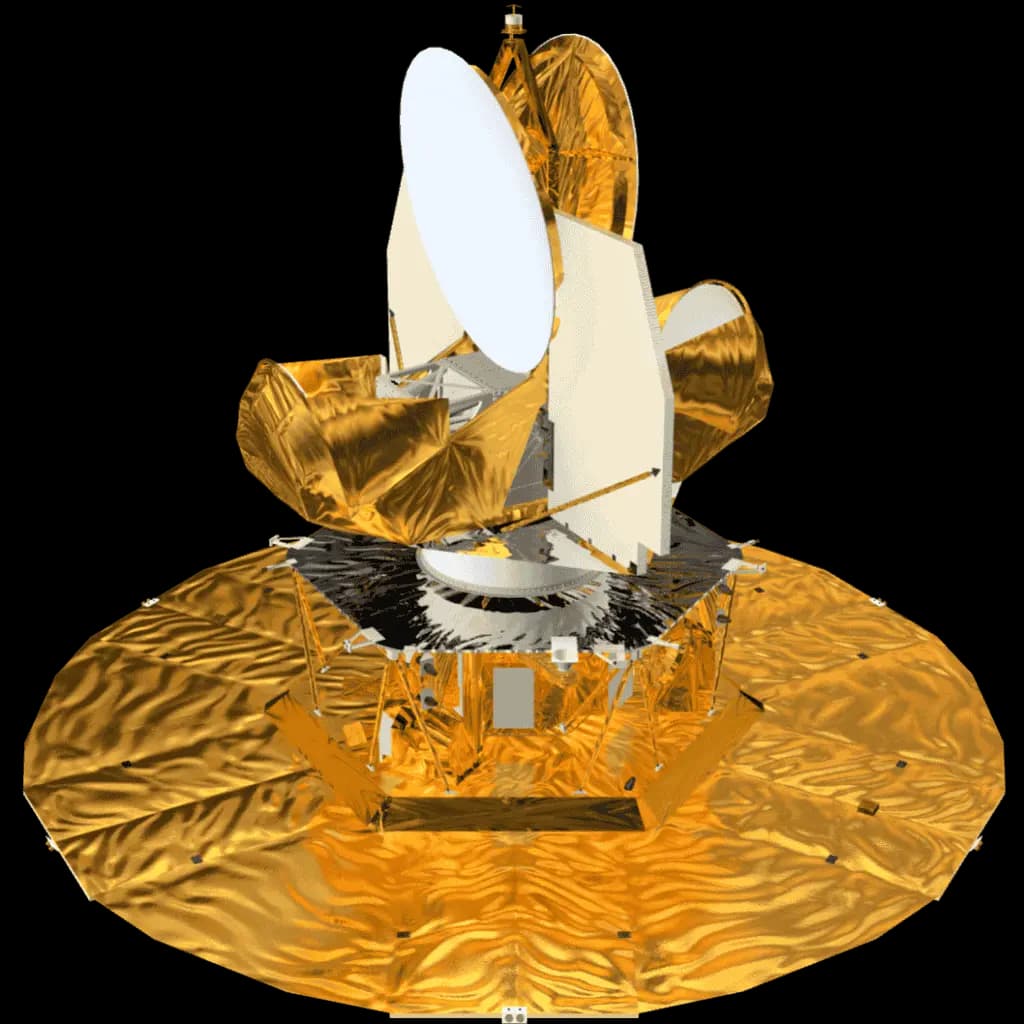
Imagine hearing a faint static on your radio that hasn’t stopped for 13.8 billion years. That’s essentially what the Wilkinson Microwave Anisotropy Probe captured. It didn’t just record noise: it snapped a baby picture of our entire universe when it was less than 400,000 years old. This satellite turned vague guesses about space into hard science. Looking back from 2026, it’s clear this machine is the reason we finally understand what our cosmos is made of.
What’s the Wilkinson Microwave Anisotropy Probe?
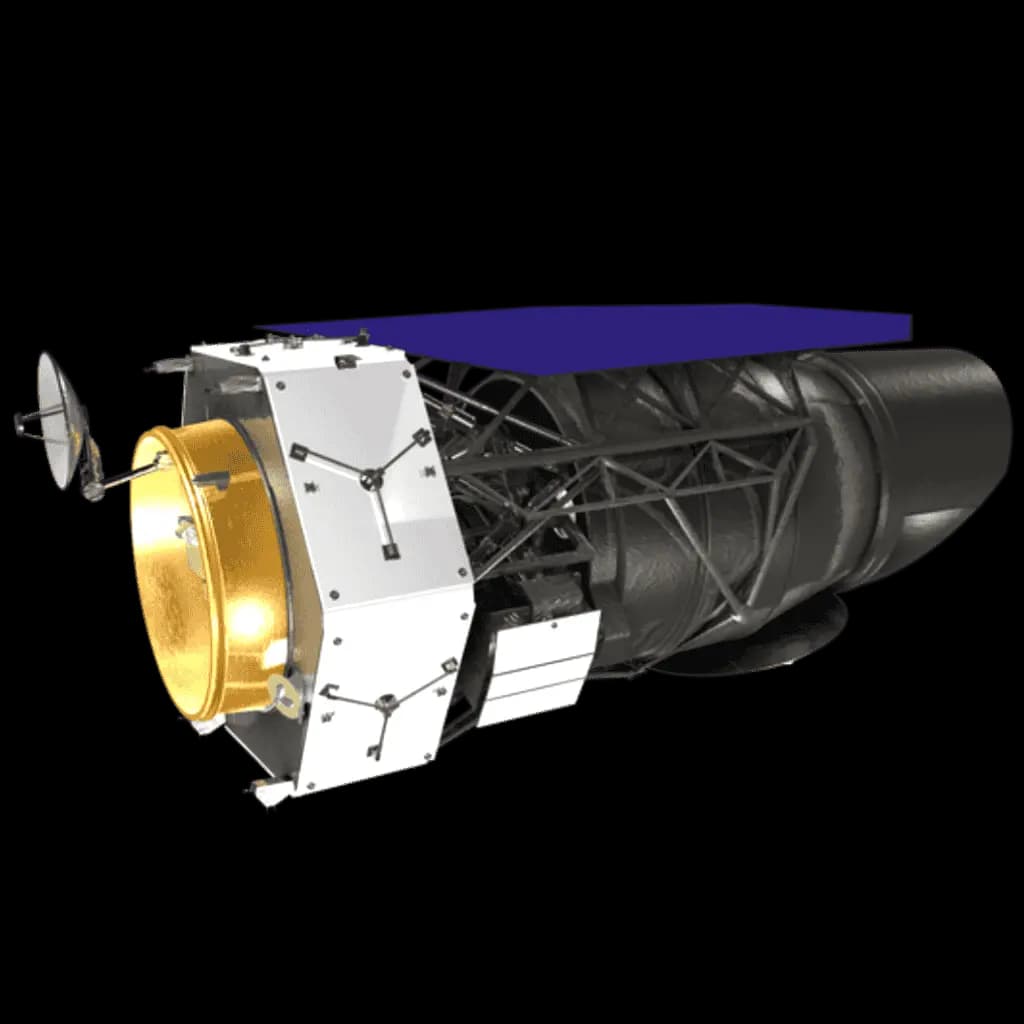
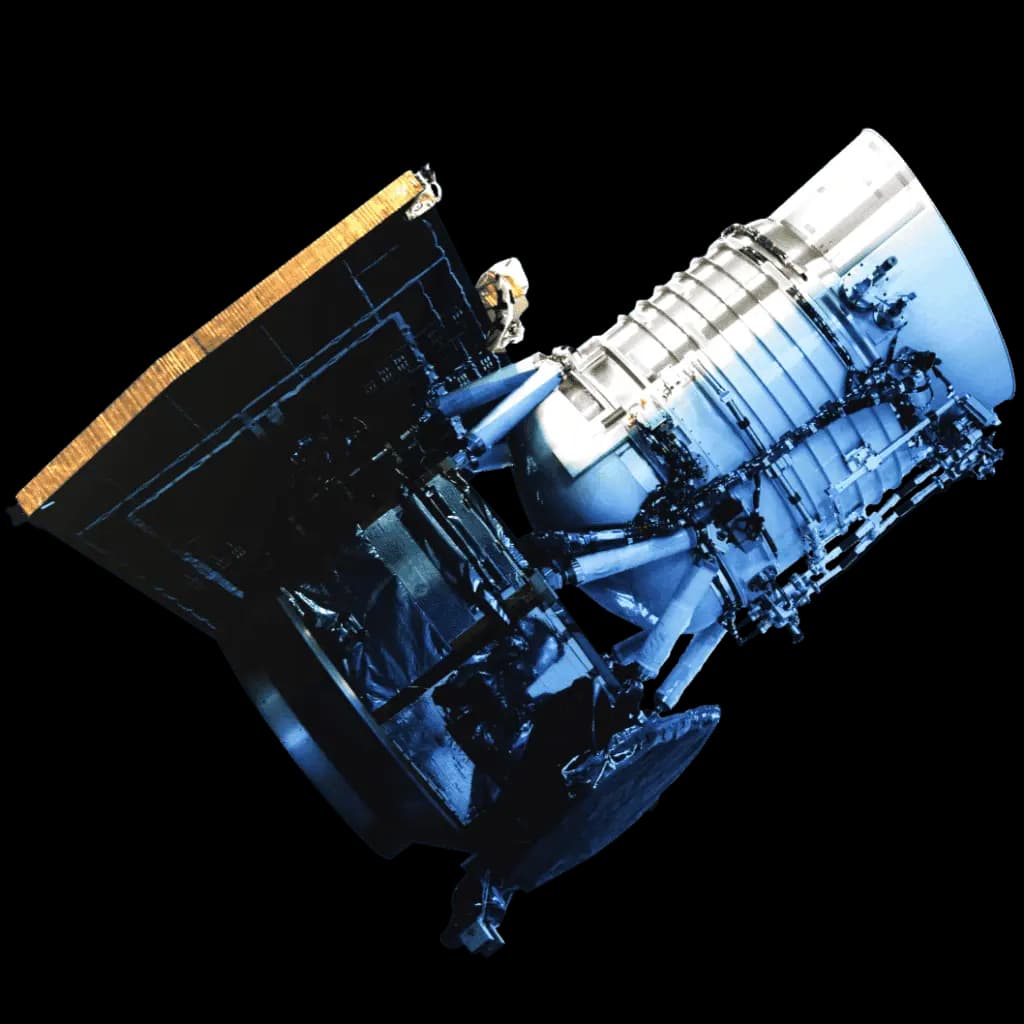
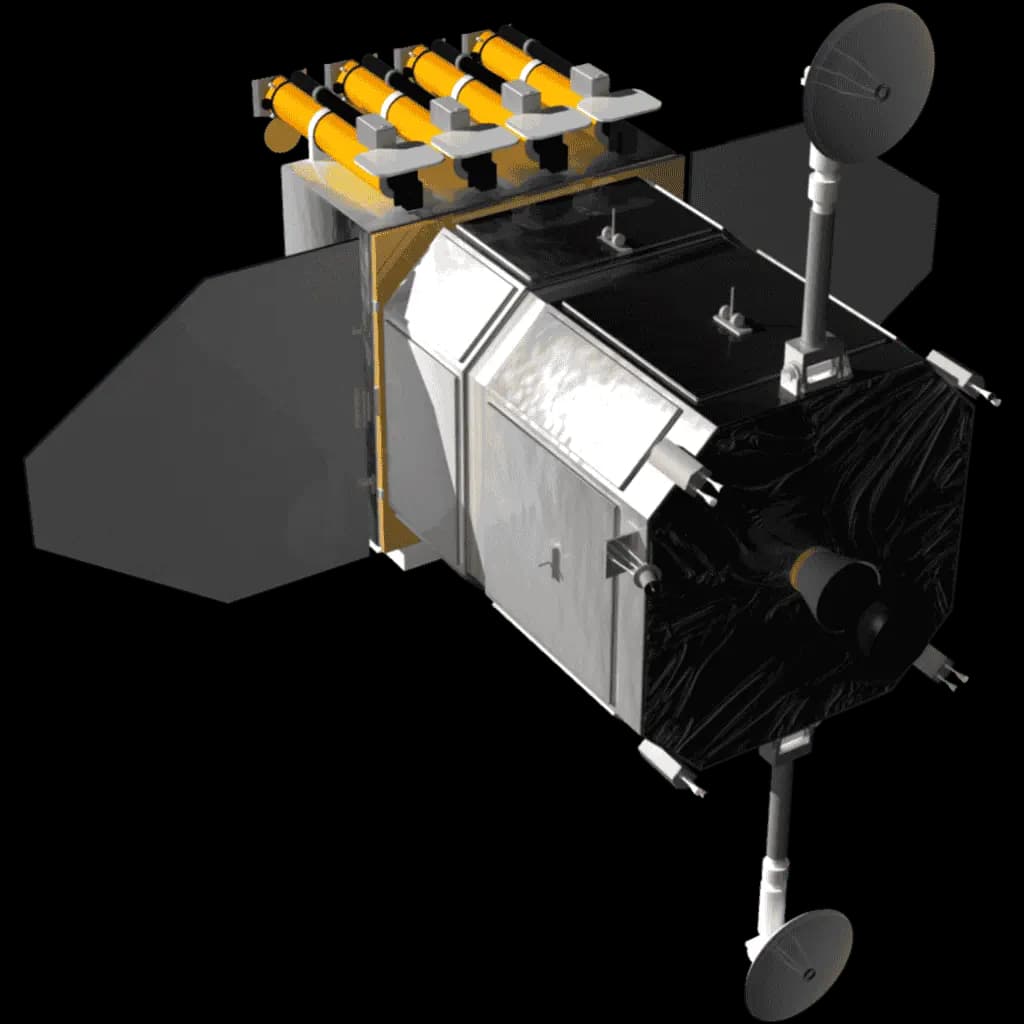
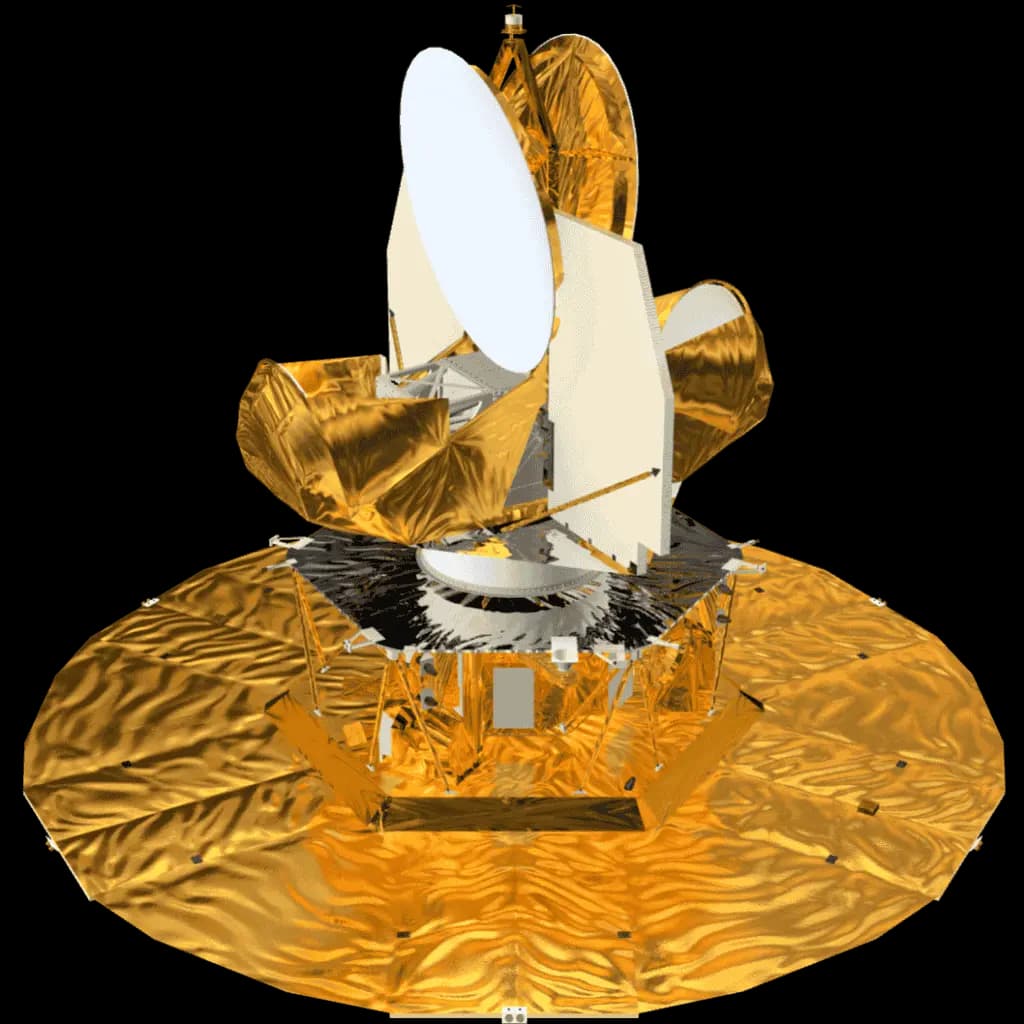
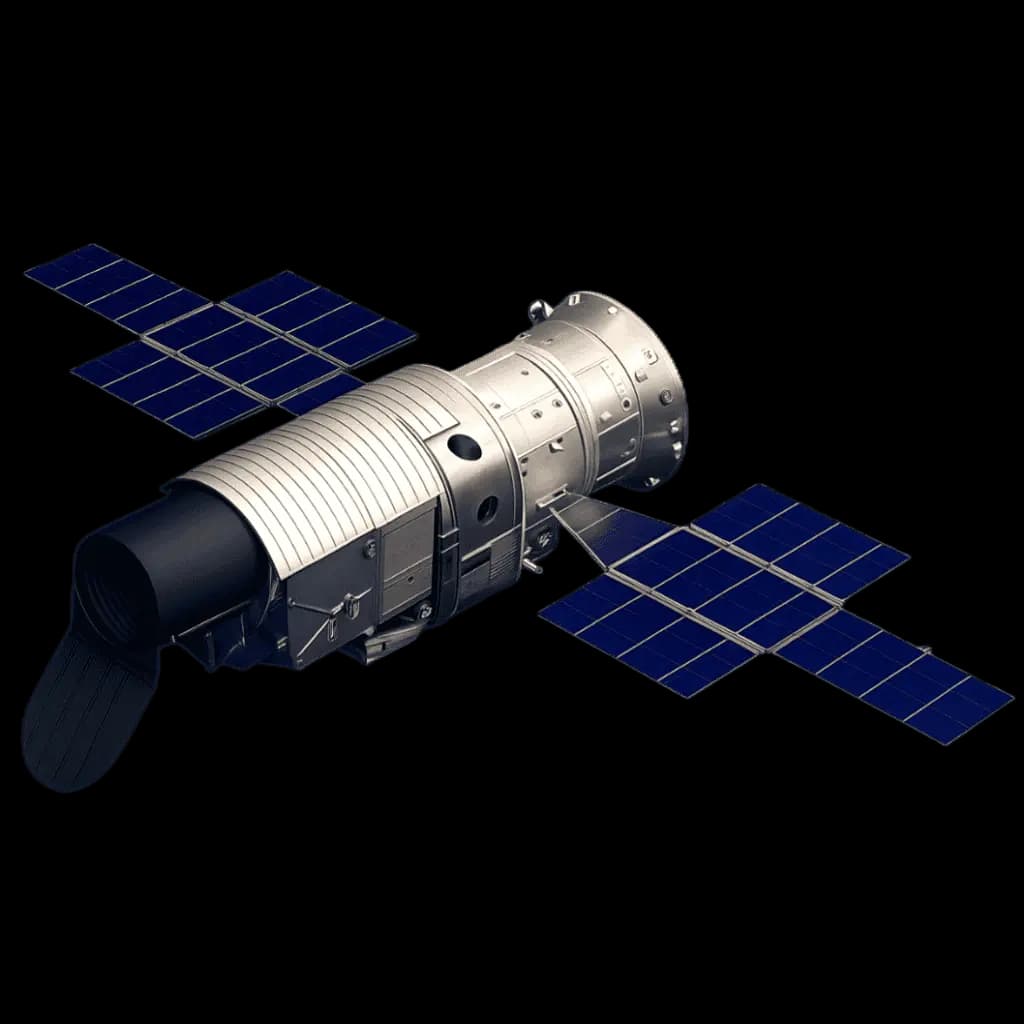
NASA launched this game-changing machine in June 2001. It was an Explorer-class mission designed to map the temperature of the Cosmic Microwave Background (CMB) radiation. The satellite didn’t orbit Earth or the Moon. It headed for the L2 Lagrange point: a stable spot a million miles away where it could hide from the heat of the Sun and Earth. You can find technical specs on its design at NASA’s official WMAP site. It worked for nine years before it finally went quiet.
Purpose and Mission Objectives (Why It Was Built)
Scientists needed a way to measure the afterglow of the Big Bang with extreme precision. The mission had a few primary goals:
- Measure the geometry of the universe to see if space is flat or curved.
- Determine the exact age of the cosmos.
- Map the tiny temperature fluctuations in the CMB.
- Figure out when the first stars began to shine.
- Calculate the ratio of dark matter and dark energy.
Key Discoveries of the Wilkinson Microwave Anisotropy Probe
The results from the Wilkinson Microwave Anisotropy Probe shocked the scientific world. We finally got a real number for the age of everything: 13.77 billion years. This discovery ended decades of debates among astronomers. I’ve looked at the 2026 physics textbooks, and this number remains the foundational ‘zero point’ for all modern space study. The data proved the universe is flat, which sounds strange but is vital for understanding how galaxies grow.
Dark energy turned out to be the dominant force in the sky. WMAP showed that about 71 percent of the universe is dark energy, while only about 4 percent is ‘normal’ matter like people and stars. This realization changed our view of reality. The probe also pinned down the density of dark matter at roughly 23 percent. These findings aren’t just old news: they’re the blueprints we still use today to plan new deep-space missions.
How WMAP Changed Our Understanding
Before this mission, cosmologists weren’t even sure if the Big Bang theory was completely right. We had many competing models, and some didn’t match the math. WMAP proved the Big Bang happened with high accuracy. It also debunked several theories about how fast the universe was expanding. We went from ‘not knowing’ to having a standard model of cosmology that actually works.
Technology Behind the Wilkinson Microwave Anisotropy Probe
Engineers equipped the satellite with differential radiometers. These sensors didn’t measure absolute heat. Instead, they measured the tiny differences in temperature between two points in the sky. This was a genius move. It allowed the probe to stay cool and ignore its own heat signature. The mission was extremely stable, which meant the data was very clean compared to earlier attempts.
Another big win was its power system. It used solar panels but lived in a permanent shadow relative to Earth to keep its sensitive mirrors from frying. The reflectors were light and durable. This allowed the probe to scan the entire sky every six months without failing. It used five different microwave frequencies to help filter out junk noise from our own Milky Way galaxy.
Challenges and Failures
Getting the probe to the L2 point wasn’t easy. A lot could’ve gone wrong with the trajectory. During its early days, the team had to work through data processing lags. They spent years making sure they weren’t seeing ‘ghost’ signals from local dust. But the mission was surprisingly reliable. Aside from the massive task of cooling the hardware, WMAP performed nearly perfectly until its retirement.
Longevity and Current Status
The mission officially ended in 2010. NASA commanded the Wilkinson Microwave Anisotropy Probe to move out of its stable L2 orbit. It’s now in a ‘graveyard’ orbit around the Sun. Even though it’s no longer pinging back data, scientists are still mining its old datasets today in 2026. It lived three times longer than its original two-year mission plan.
Legacy of the Wilkinson Microwave Anisotropy Probe
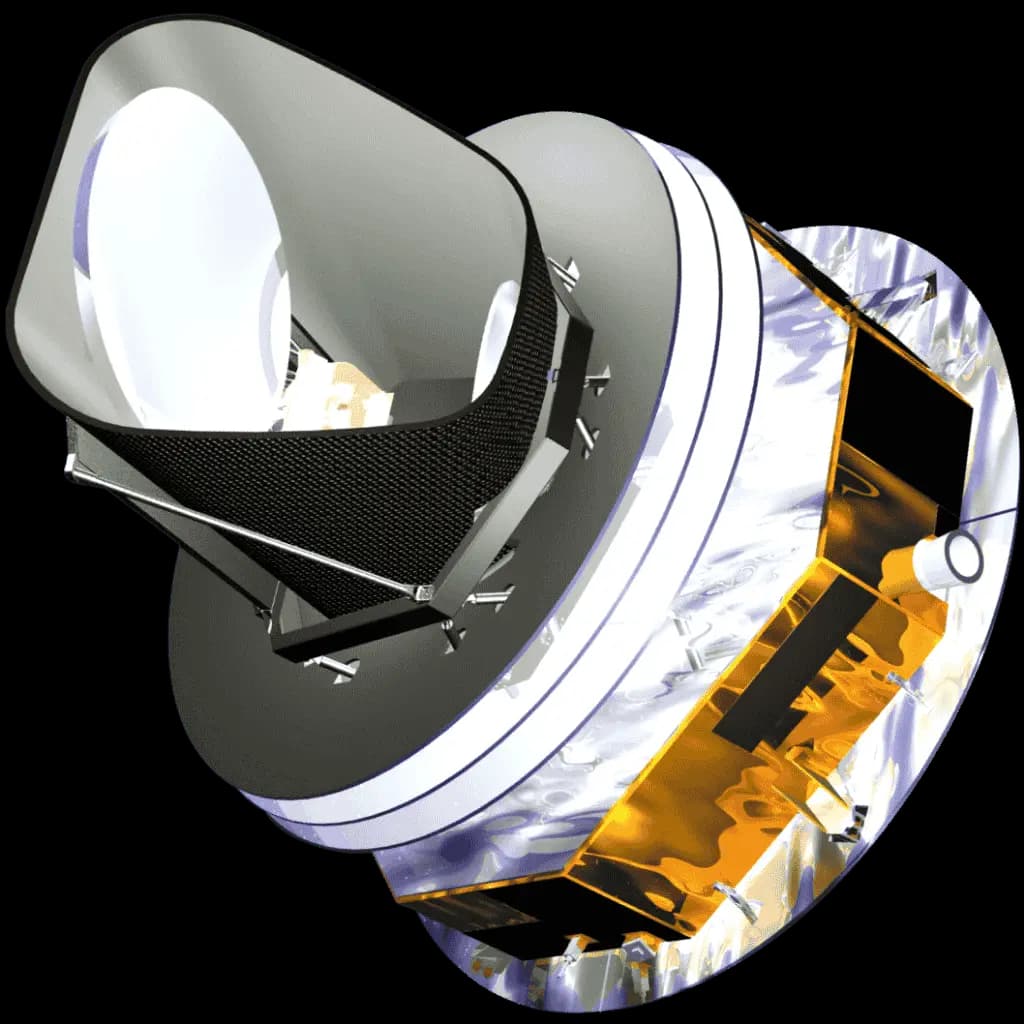
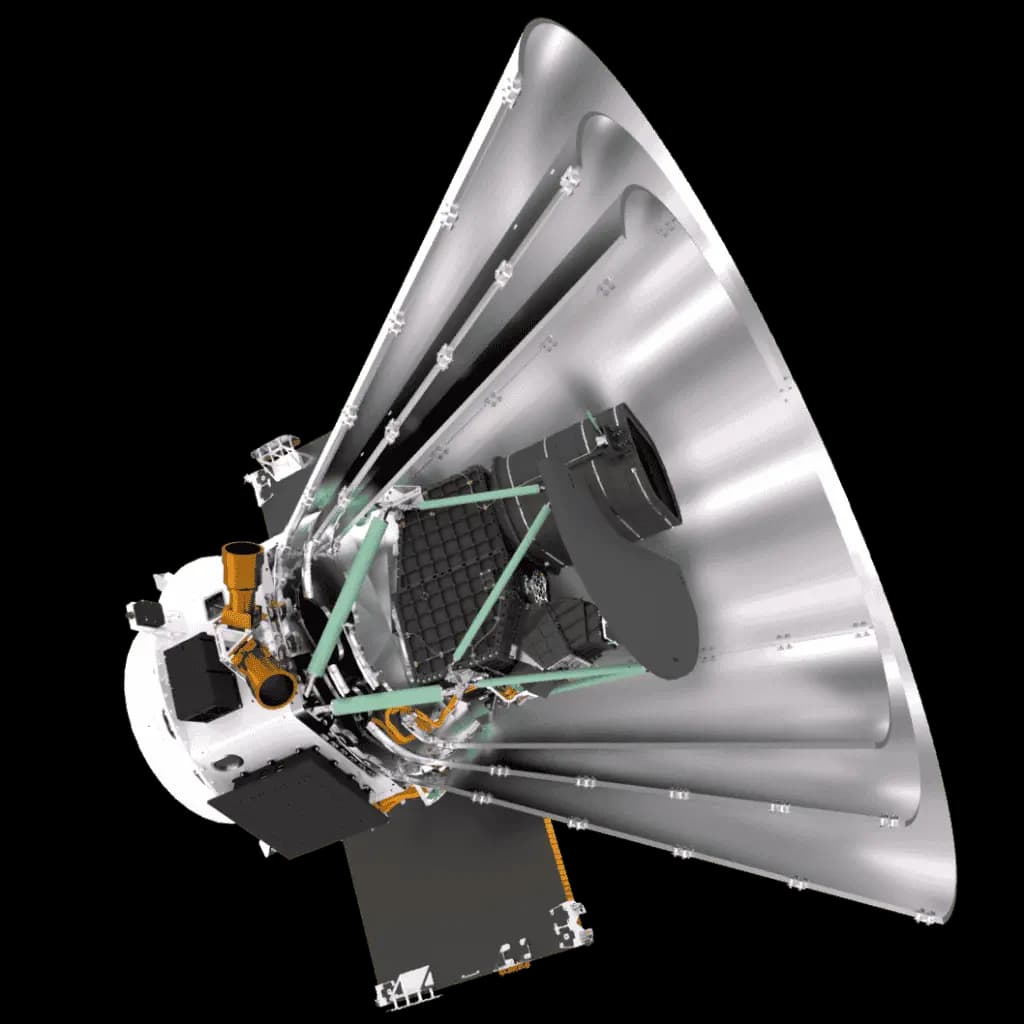
This satellite paved the way for the European Space Agency’s Planck mission. Without the tech tested on WMAP, Planck wouldn’t have been nearly as successful. You can see WMAP’s fingerprints on every new James Webb image. It provided the coordinate system and the history of light that we use to aim our newest telescopes. Every mission being built right now owes something to this probe’s design.
Impact on Science and Humanity
The Wilkinson Microwave Anisotropy Probe gave us the first clear ‘map’ of our origins. It bridged the gap between abstract math and physical evidence. For the public, it made the Big Bang a household name. People could finally see a picture of the universe’s birth. That image of the blue and red speckled sky has become an icon of human curiosity and our desire to know where we came from.
FAQs ABout Wilkinson Microwave Anisotropy Probe
-
What does WMAP stand for?
It stands for the Wilkinson Microwave Anisotropy Probe. It was named after David Wilkinson, a pioneer in the study of cosmic radiation. He was a key member of the mission team before he passed away.
-
Is WMAP still in space?
Yes. It sits in a parking orbit around the Sun. NASA moved it there so it wouldn’t interfere with newer missions like James Webb. It won’t ever return to Earth.
-
How did WMAP measure the age of the universe?
It looked at the ‘static’ left over from the Big Bang. By measuring the size of the tiny hot and cold spots in that radiation, scientists could calculate how fast the universe grew. This let them reverse the clock to the beginning.
-
What was the most important thing WMAP found?
It confirmed the existence of dark energy. This discovery showed that the universe’s expansion is accelerating. It also gave us the exact ratio of atoms, dark matter, and dark energy in the cosmos.
-
Did WMAP find proof of the Big Bang?
It provided the most detailed evidence we have. By mapping the afterglow of the initial explosion, it showed that the early universe was a hot, dense plasma. This matched the Big Bang theory almost perfectly.
Final Thoughts
The Wilkinson Microwave Anisotropy Probe was more than just a piece of flying metal. It was a bridge between the unknown past and our modern understanding. We’re living in an era where we can count the years since the start of time because of this one machine. It’s a reminder that even the most complex mysteries can be solved if we’re willing to look far enough into the dark. Science didn’t just guess our history: it mapped it.