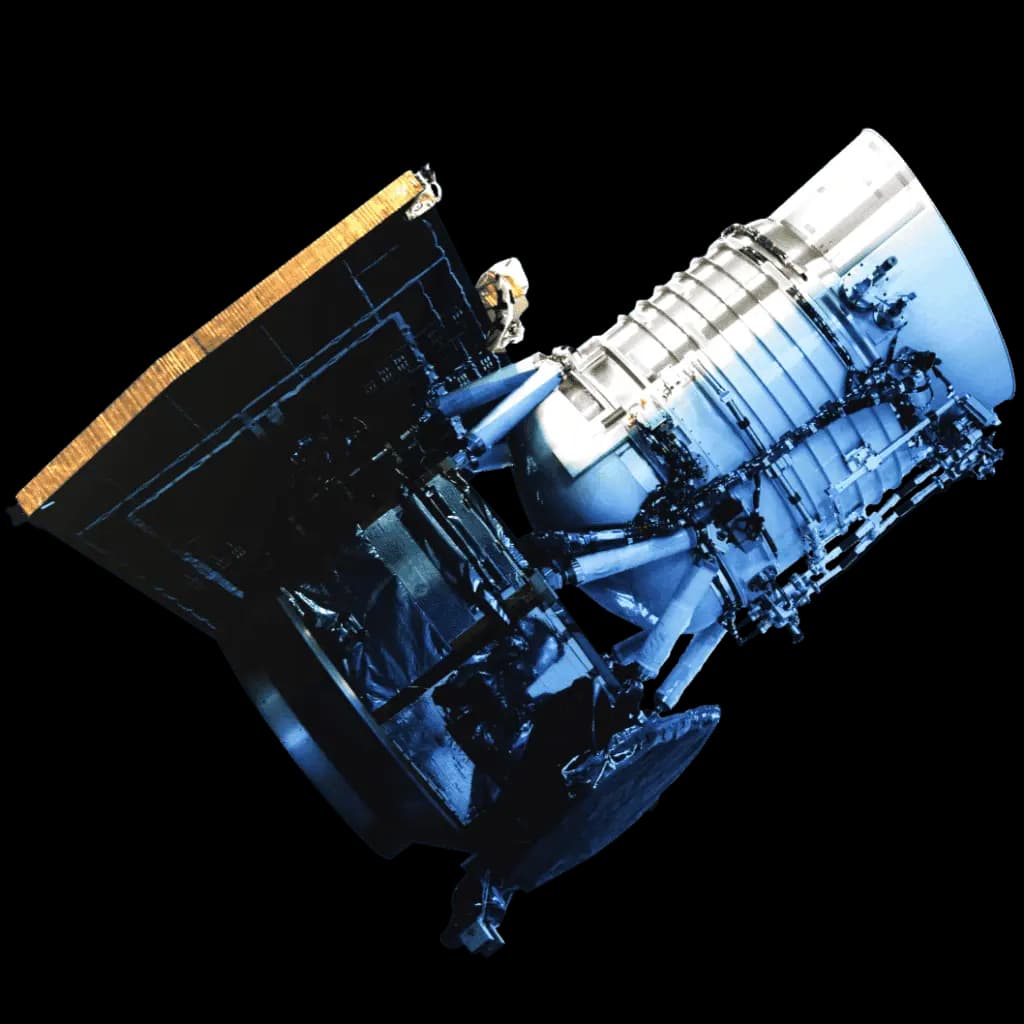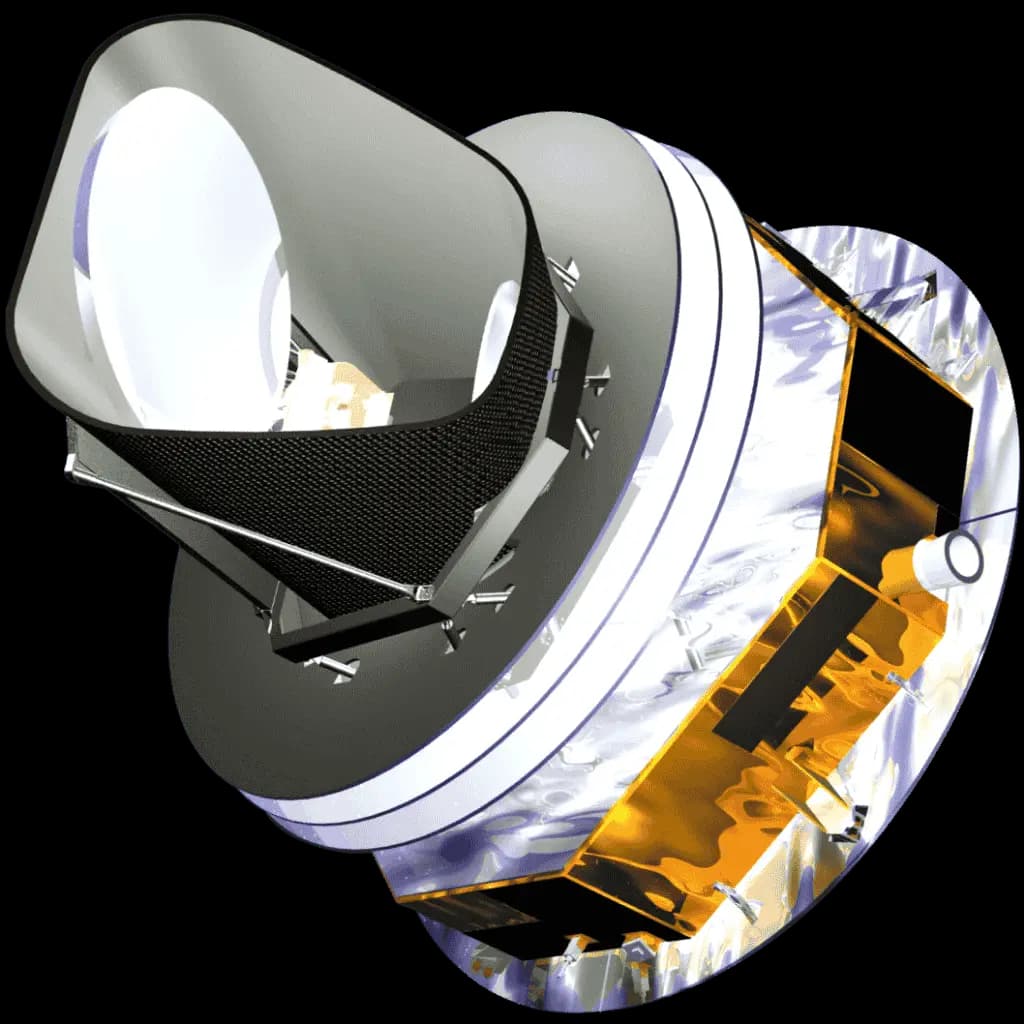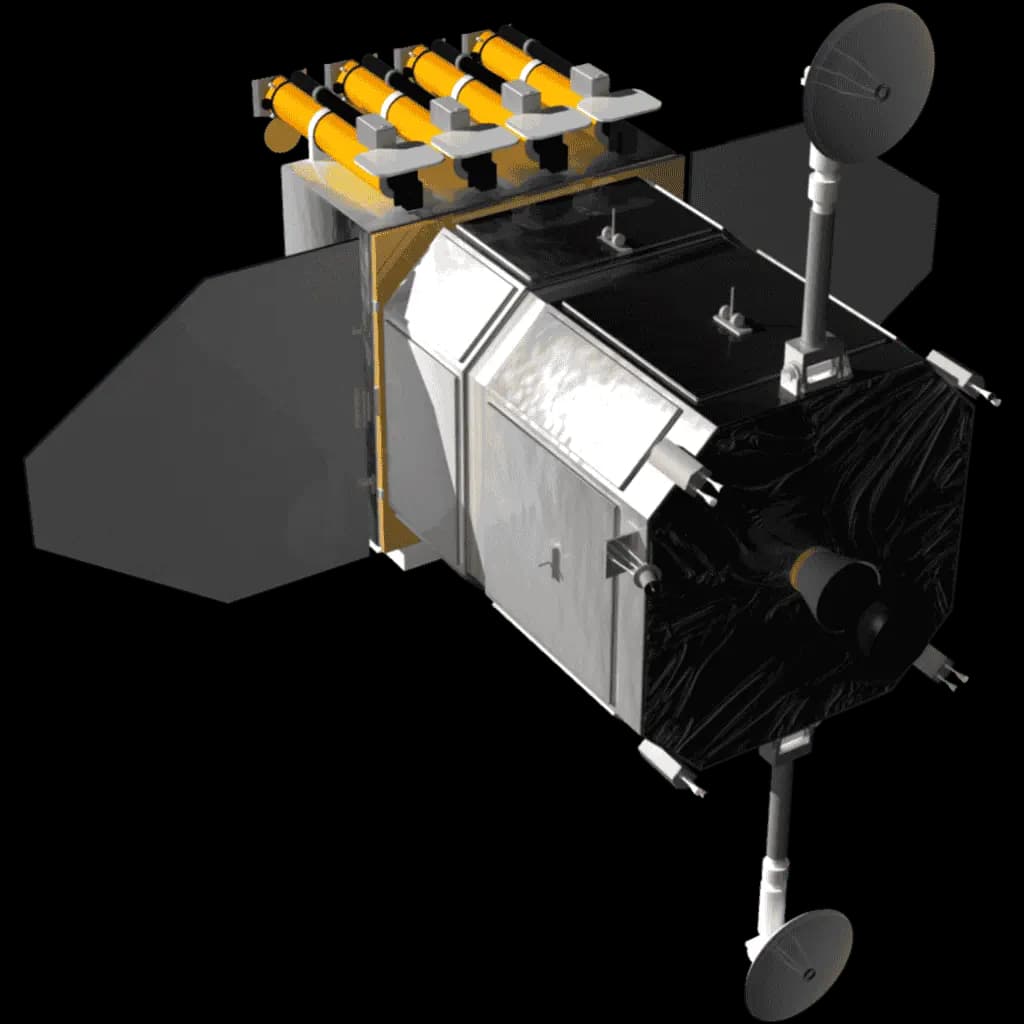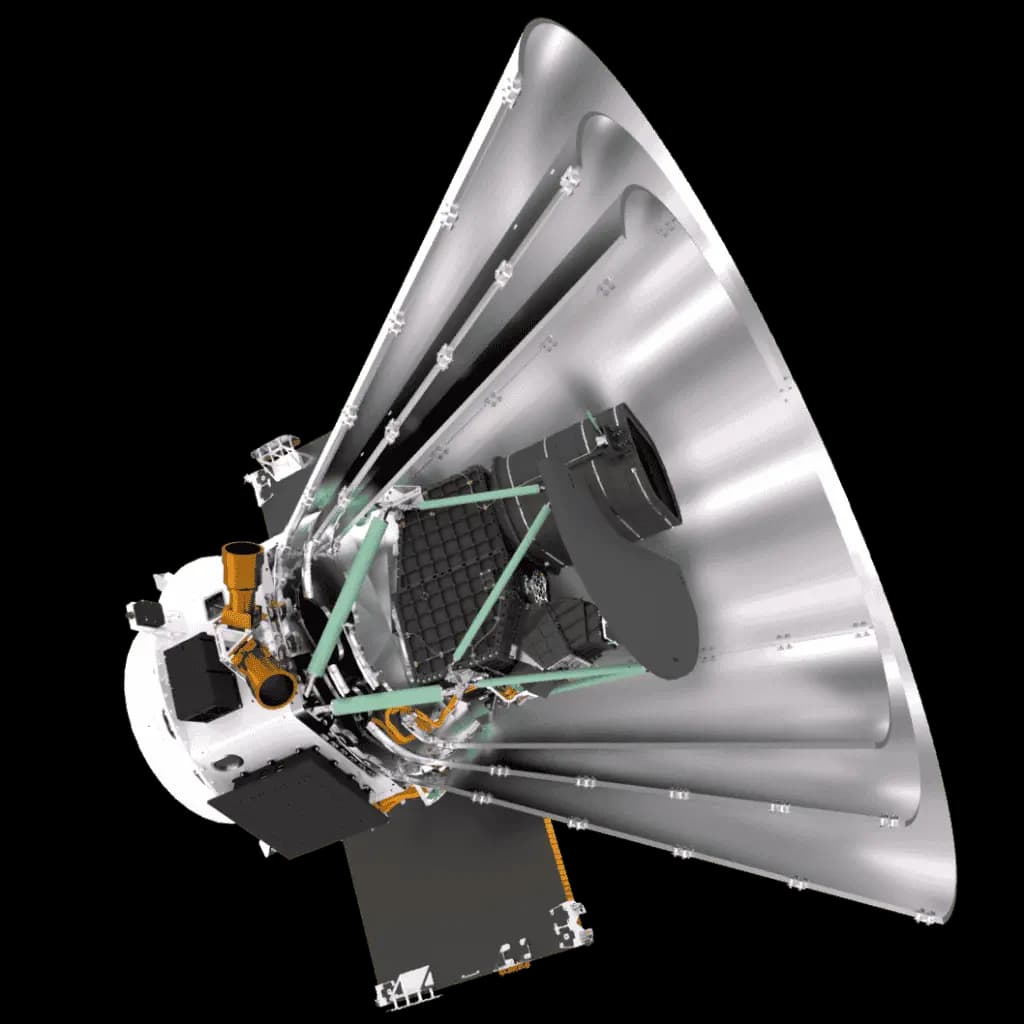
A massive rock, blacker than coal and as wide as a stadium, drifts silently through the solar system on a collision course with our orbit. We can’t see it from the ground because it hides in the blinding glare of the sun. This scenario isn’t a sci-fi script anymore: it’s a gap in our planetary defense that the NEO Surveyor finally aims to close. NASA’s new infrared eye marks our transition from reacting to cosmic threats to actively scanning the shadows for them. As 2026 enters its final months, this mission stands as our primary hope for detecting ‘city-killer’ asteroids before they get too close.
What’s NEO Surveyor?
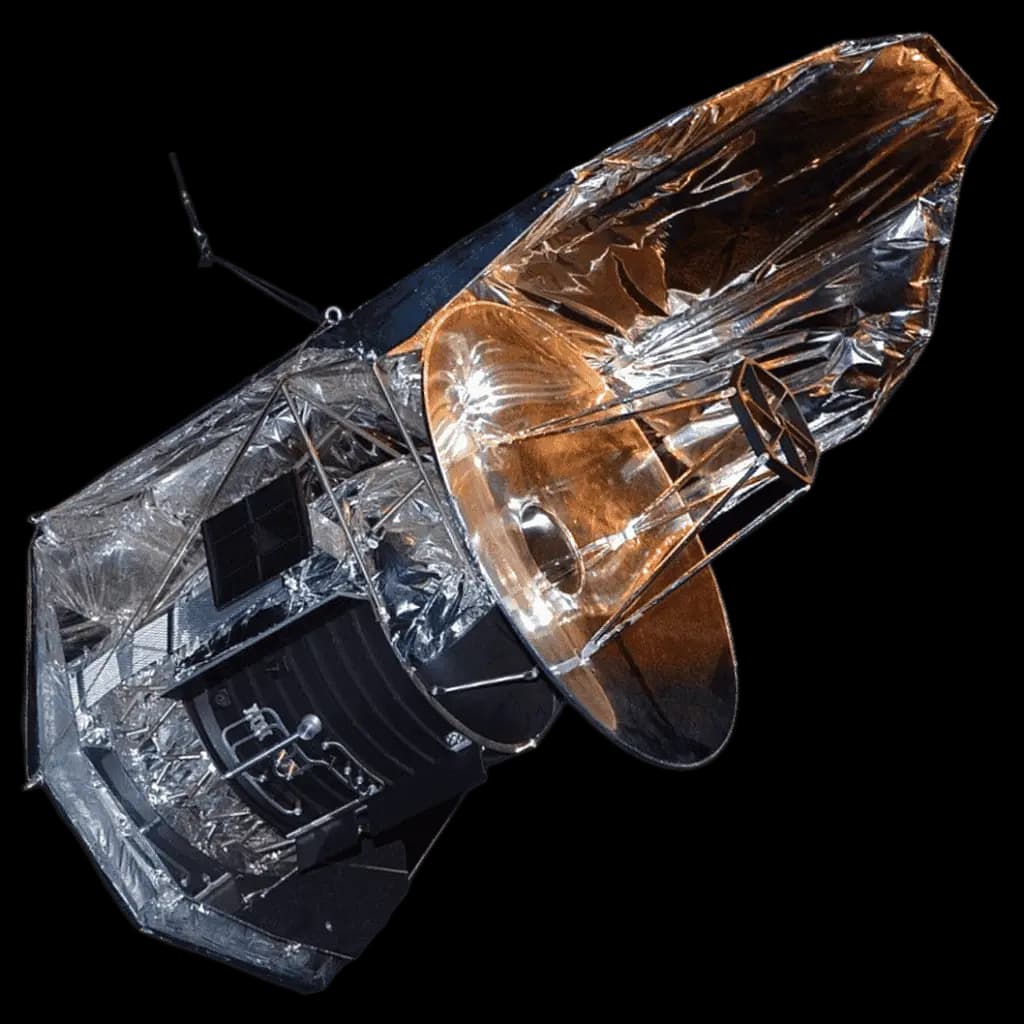
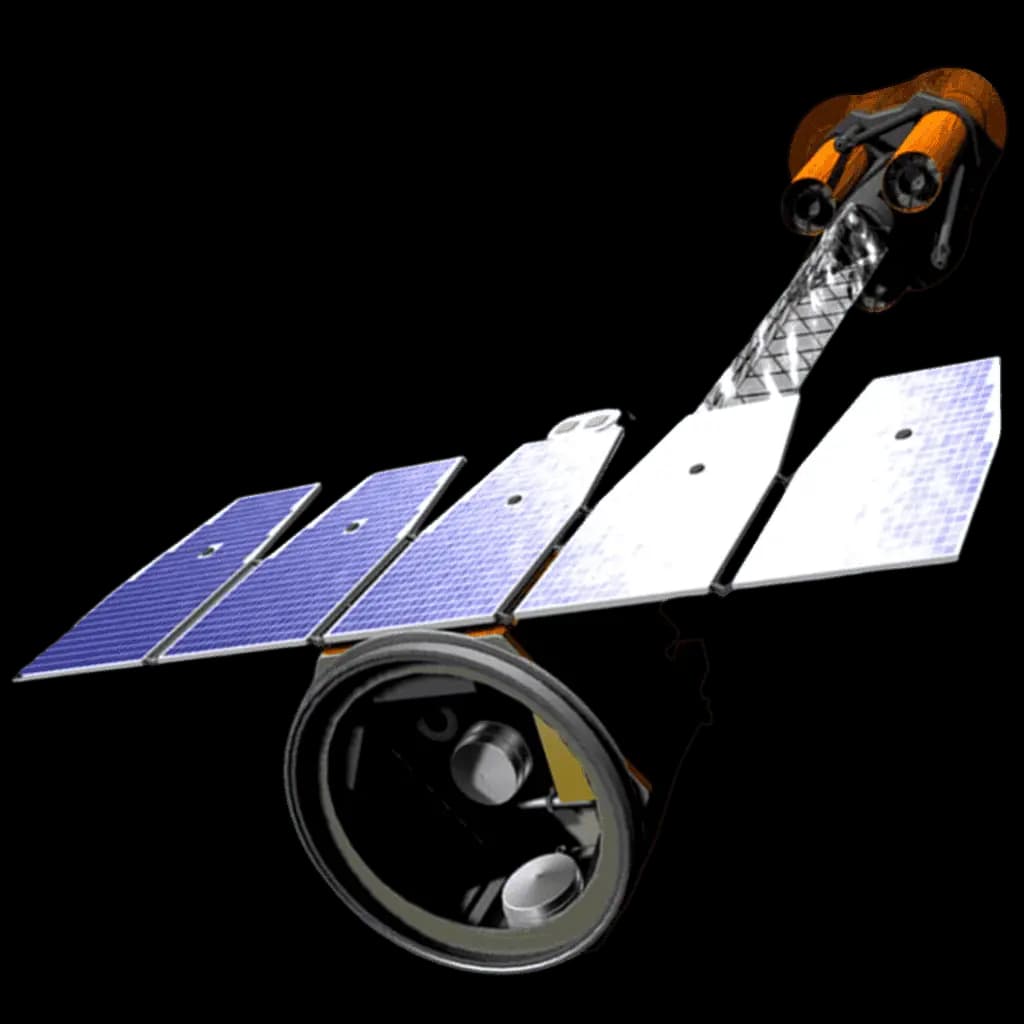
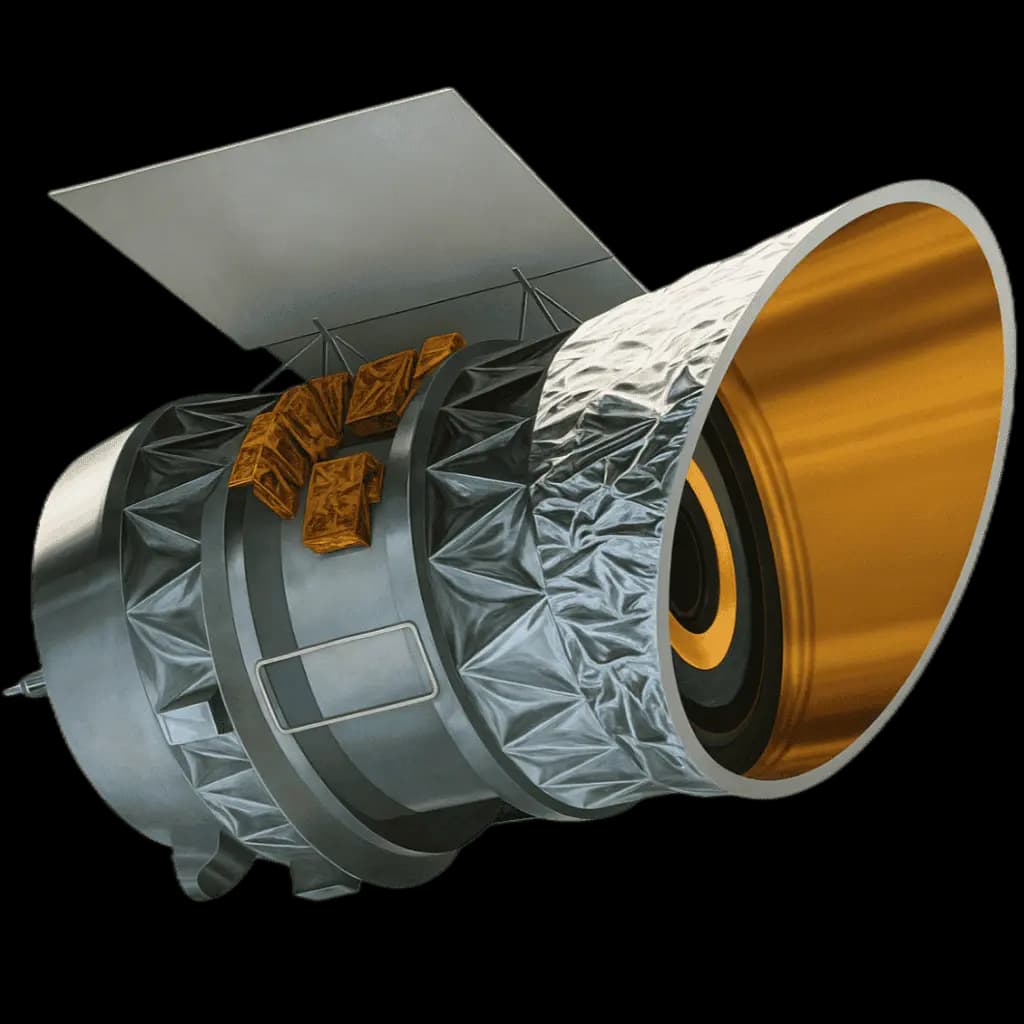
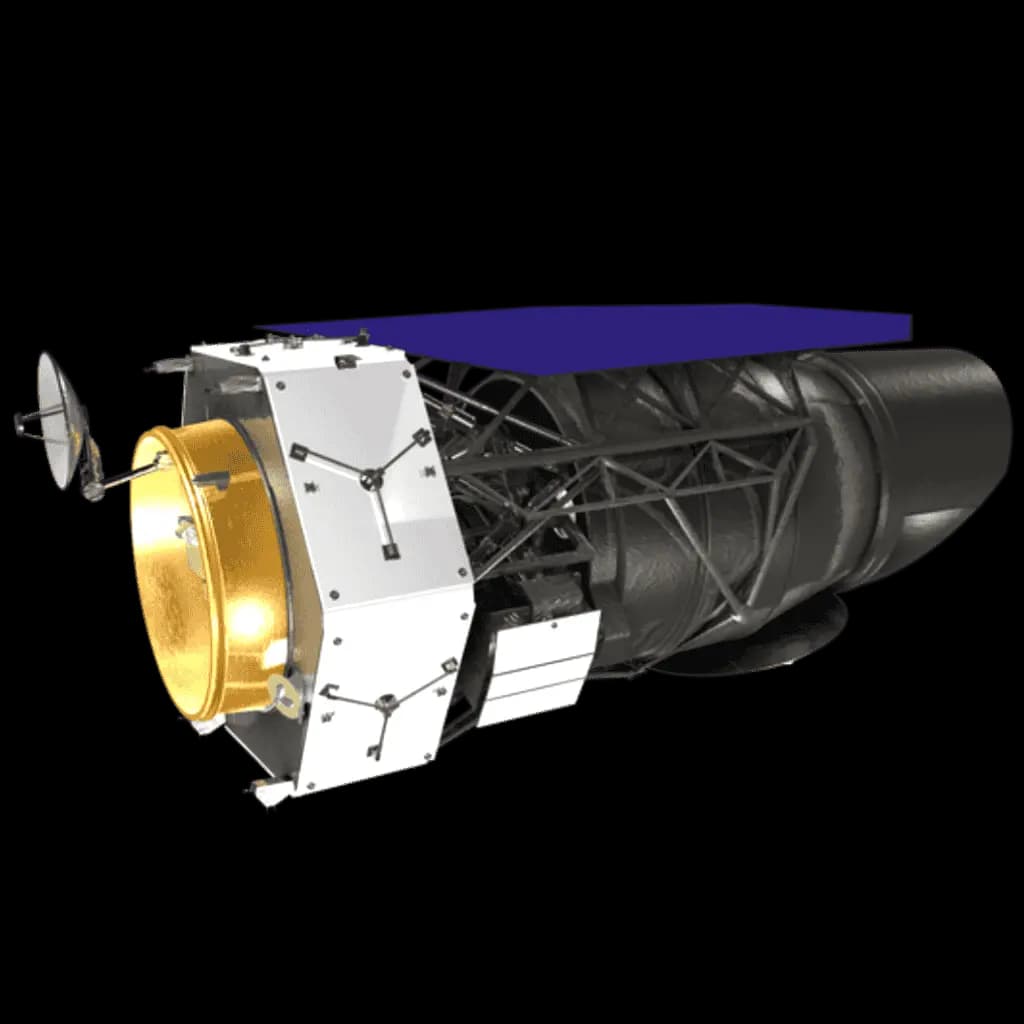
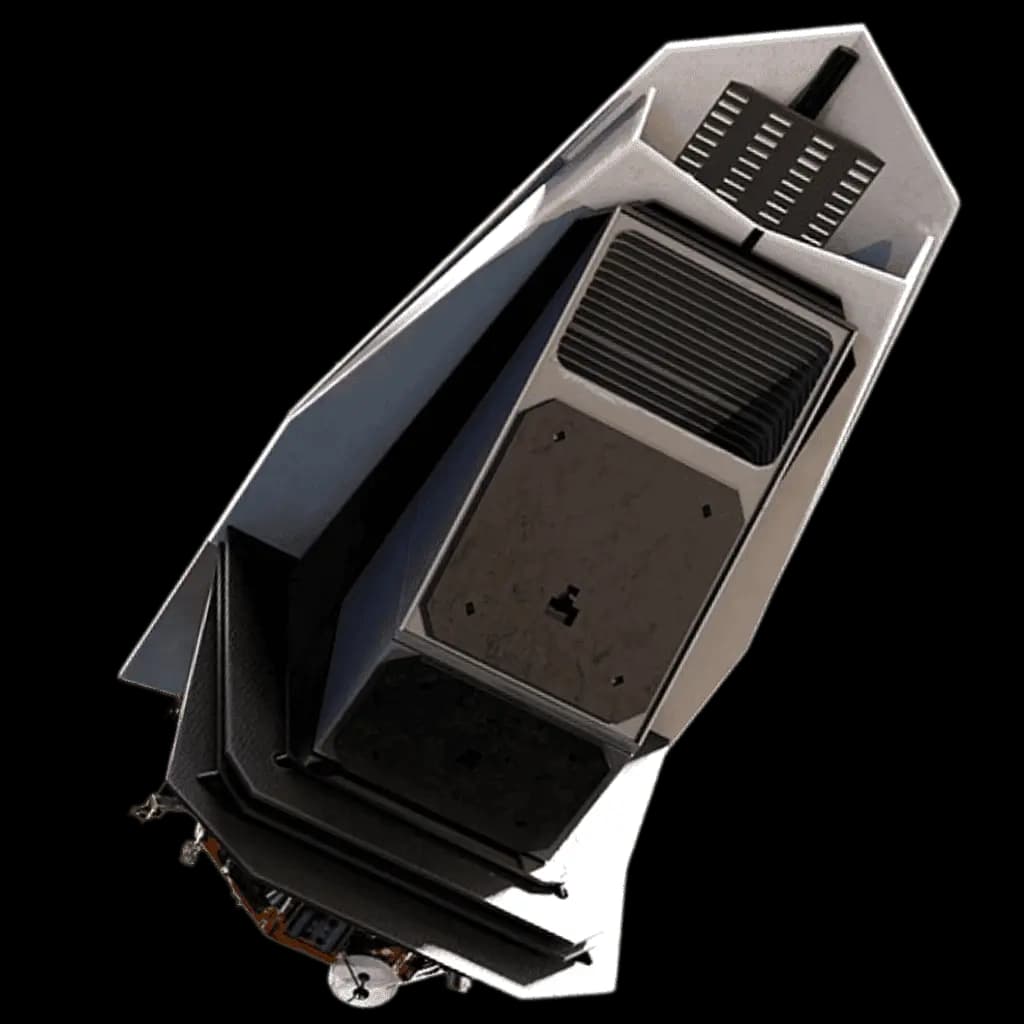
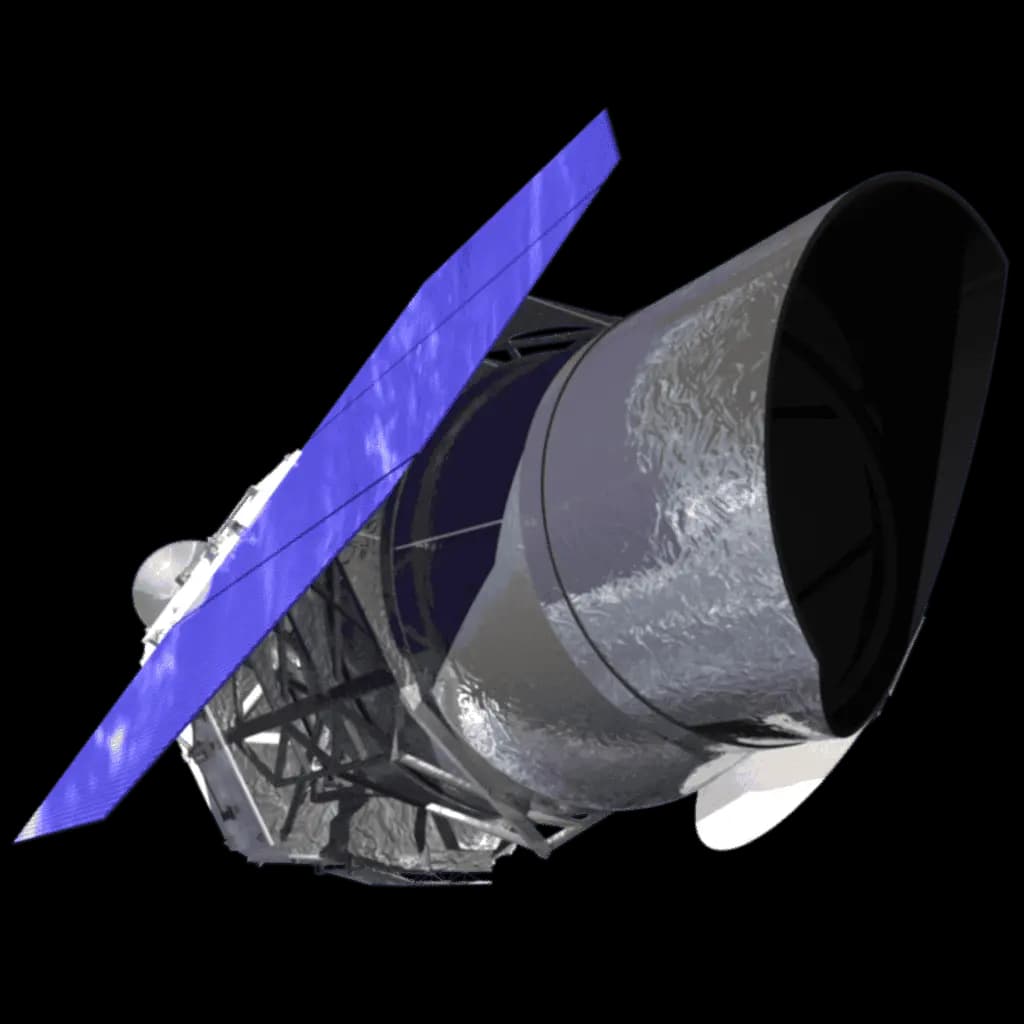
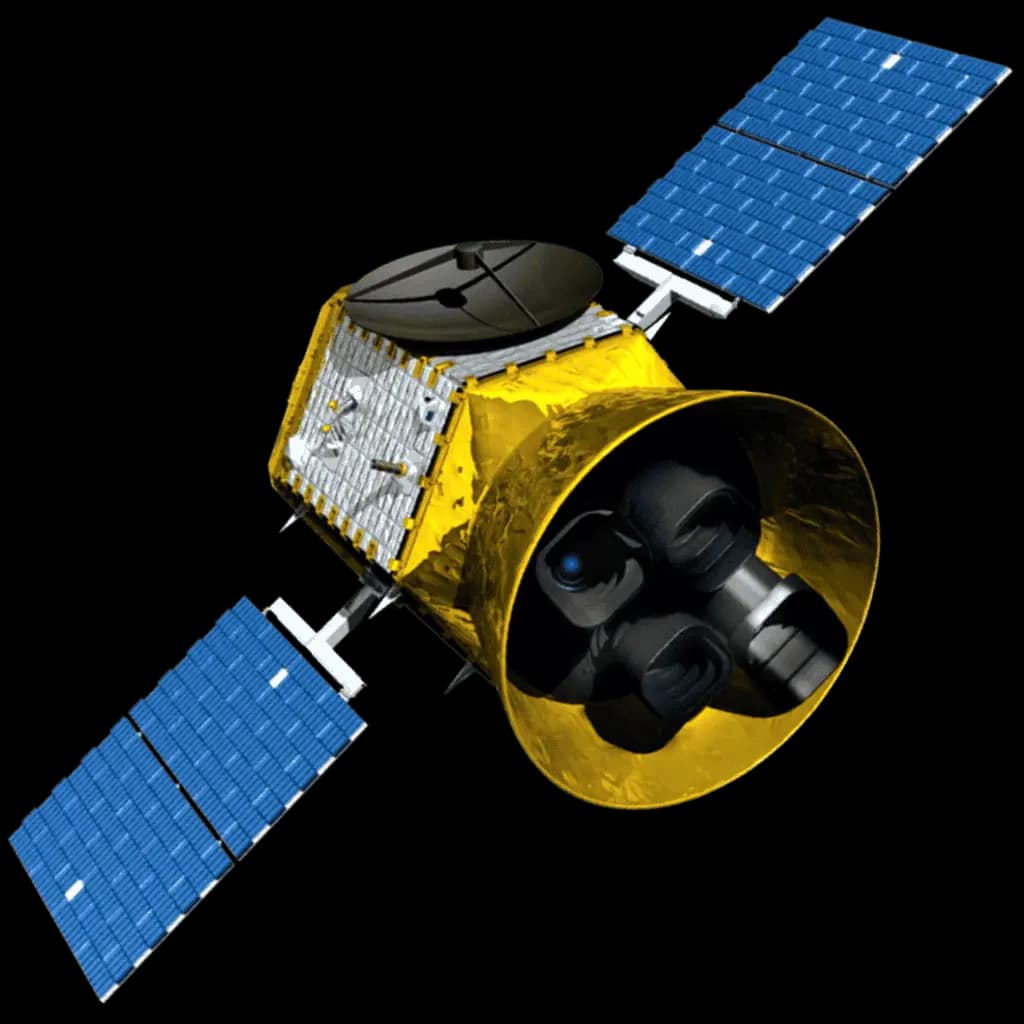
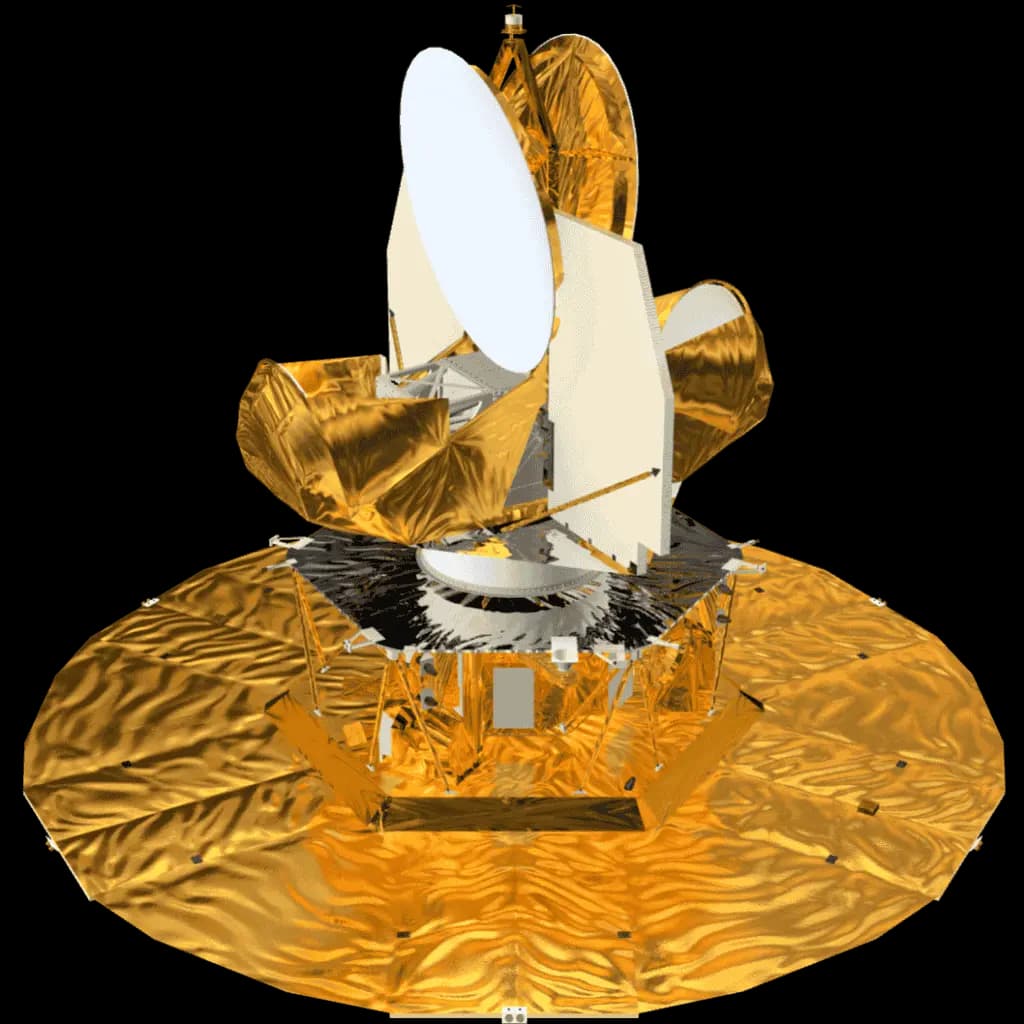
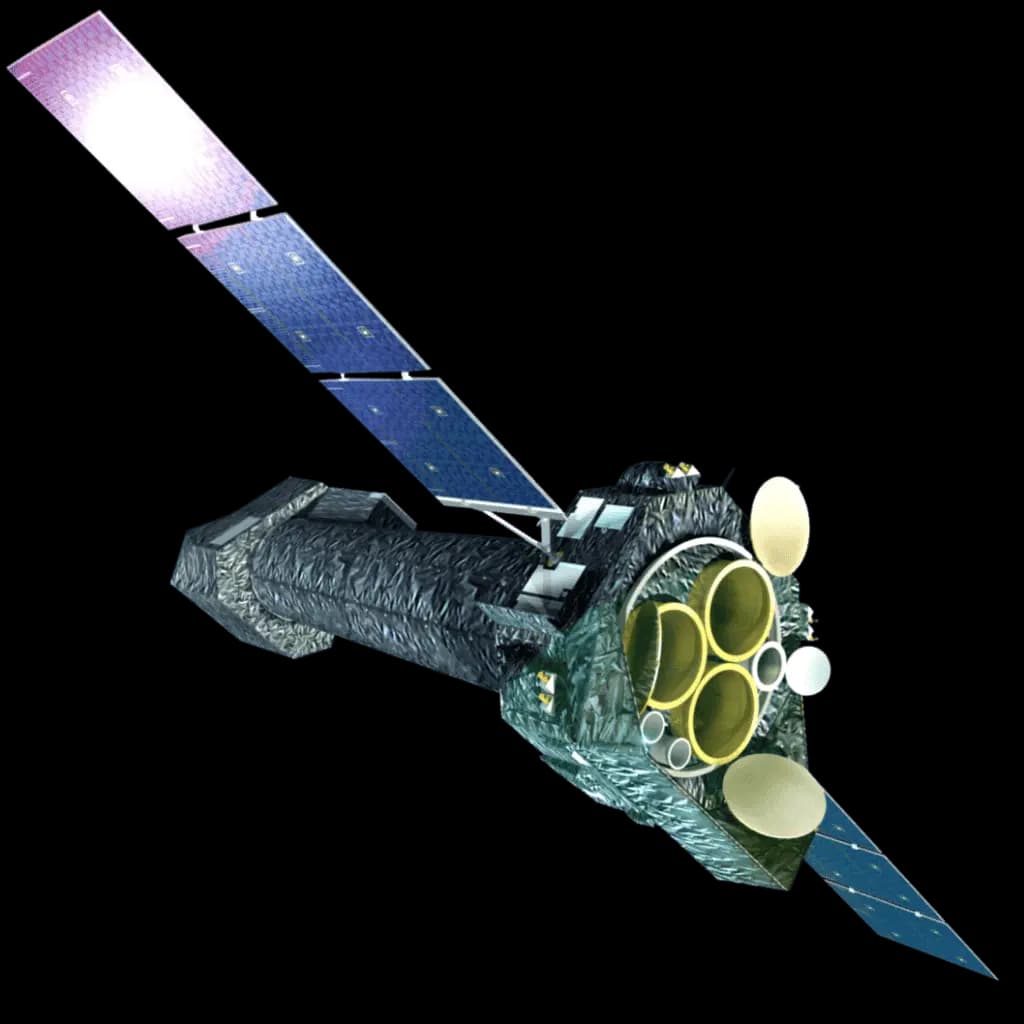
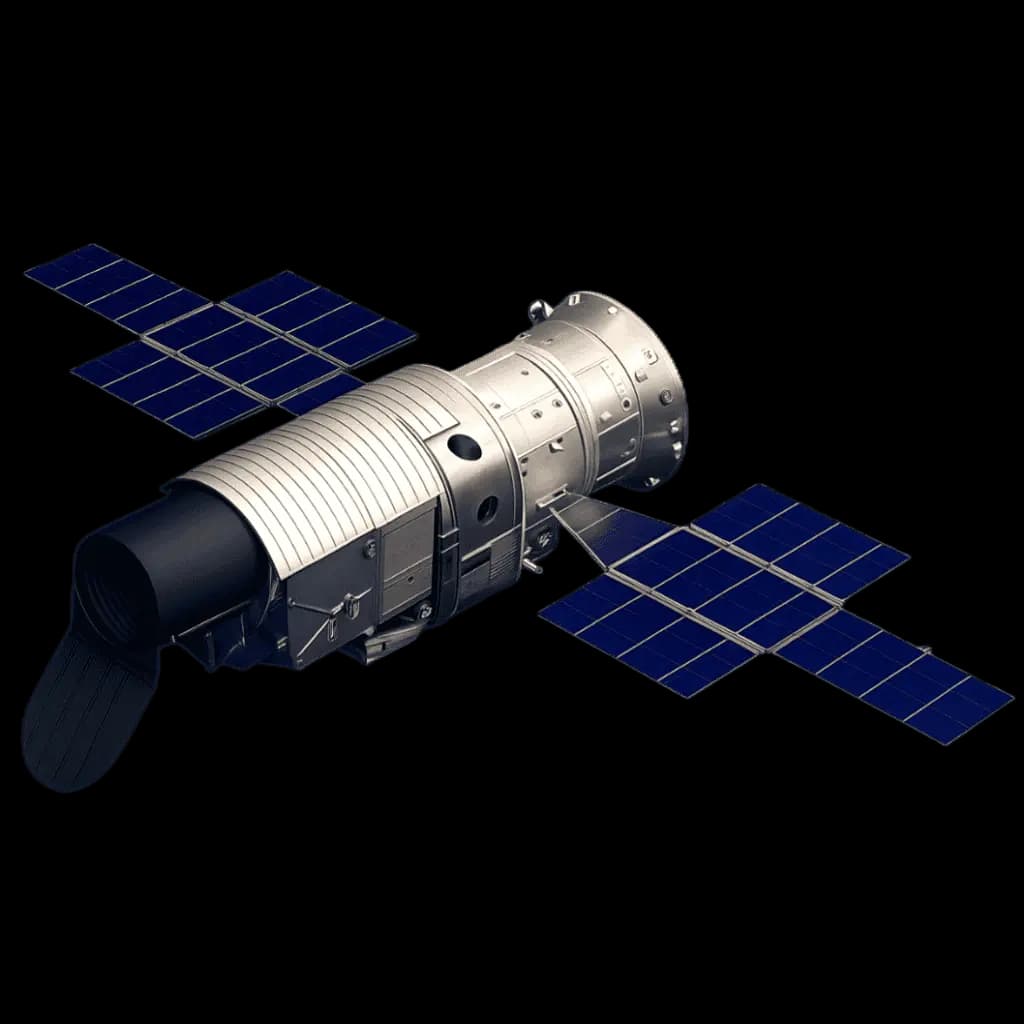
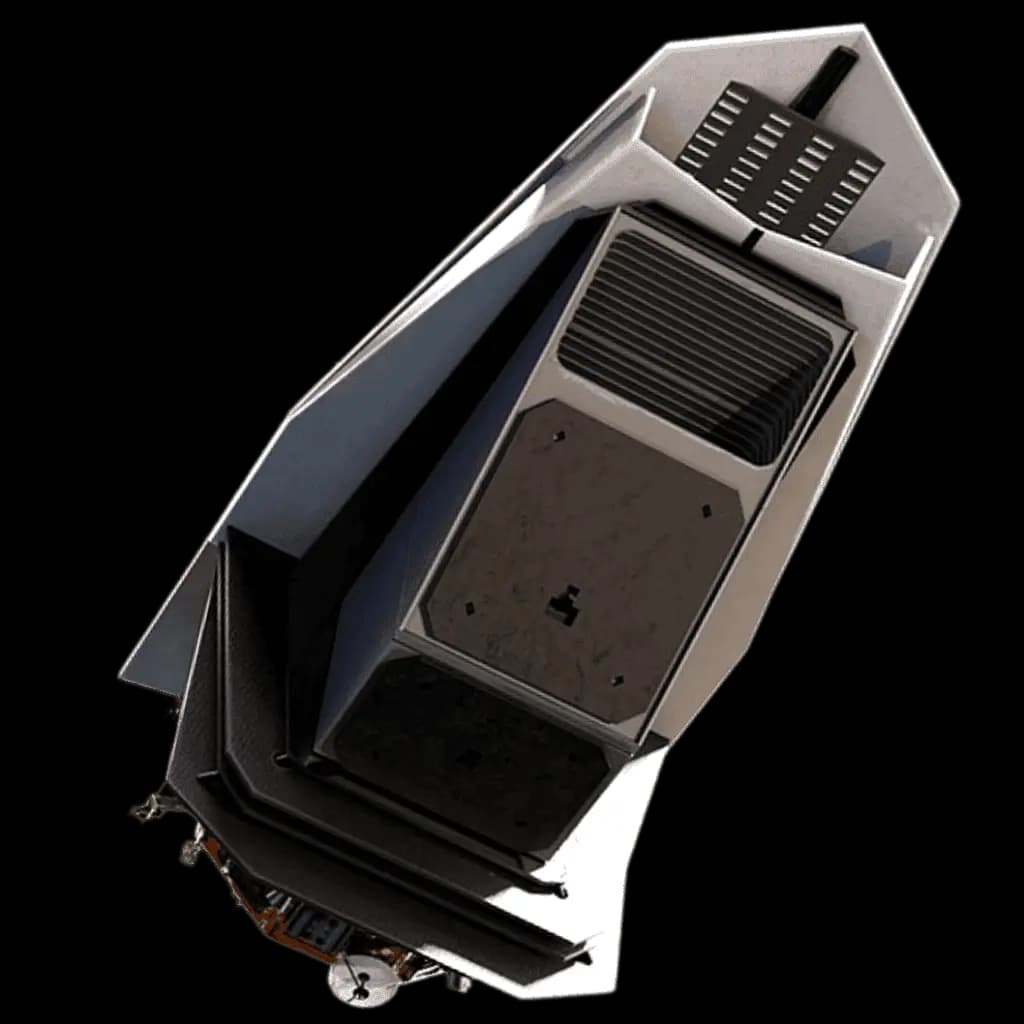
NASA’s Jet Propulsion Laboratory (JPL) spearheaded the creation of this space telescope to find hazardous objects that escape traditional telescopes. Launched toward the Sun-Earth Lagrange point 1 (L1), it sits roughly a million miles away from Earth. This location lets it stay cool while peering into the sunward regions of our orbit. Most call it a dedicated infrared hunter, meaning it picks up the heat signature of dark rocks instead of relying on reflected visible light.
Purpose and Mission Objectives (Why It Was Built)
The primary goal drives the entire project: find over 90% of Near-Earth Objects larger than 140 meters within a decade.
- Identify Threats: Detect asteroids and comets that pass within 30 million miles of our planet.
- Accurate Sizing: Use infrared heat signatures to determine the exact size and composition of these rocks.
- Sunward Detection: Scan areas of the sky that ground telescopes can’t see during the day.
- Orbit Projection: Provide long-term data to predict impacts centuries into the future.
- Defense Strategic Planning: Help agencies decide if a kinetic impactor or gravity tractor is needed.
Key Discoveries/Achievements of the NEO Surveyor
Early data from the 2025 commissioning phase revealed three dark-surface asteroids that optical telescopes missed entirely. These objects, now categorized under the ‘Apollo’ group, have orbits that bring them dangerously close to our moon’s path. Finding them within the first few months proved that the infrared strategy works better for dark, carbonaceous rocks. Such stones absorb light but glow brightly in the thermal bands the satellite monitors.
I’ve looked over the initial telemetry maps sent back this year, and the density of objects found near the Sun is startling. Scientists previously underestimated the number of ‘Aten’ asteroids that live primarily inside Earth’s orbit. These new sightings changed how we calculate the statistical risk of impacts from the direction of the sun. The hardware has essentially doubled the ‘known’ inventory of mid-sized threats in its first operational year.
How It Changed Our Understanding
Before this mission, we played a guessing game regarding the true population of near-Earth asteroids. We relied on visible light, which made dark asteroids appear smaller or virtually invisible against the blackness of space. After seeing the initial infrared sweeps, astronomers realized our catalog was heavily biased toward reflective, metallic rocks. The data proves the solar system is much more crowded with dark ‘Potentially Hazardous Objects’ than we ever dreamed.
This shift forced scientists to abandon the myth that we could find everything from the ground. Weather, daylight, and atmospheric distortion meant our land-based mirrors were blind for nearly half the time. NEO Surveyor provides a 24/7 scanning rhythm that doesn’t stop for rain or sunshine. It turned the sky into a transparent, heat-sensitive map, allowing us to ask better questions about where these objects originate.
Technology Behind the NEO Surveyor
The core of this machine lies in its two heat-sensing mercury-cadmium-telluride detectors. These sensors capture two different infrared channels, exactly tuned to detect the thermal radiation emitted by rocks warmed by the sun. Engineers had to build a specialized sunshield to protect the telescope from Earth’s and the Sun’s heat simultaneously. Without this shield, the telescope’s own warmth would blind the sensors.
Passive cooling is another engineering marvel used here. Unlike older missions that needed heavy liquid coolants, this design uses radiators to bleed heat into deep space. This allows for a much longer mission life since there’s no coolant to run out of. The 50-centimeter aperture mirror might seem small compared to James Webb, but its wide field of view is perfectly optimized for scanning vast swathes of space quickly.
Challenges and Failures
The project faced big delays during the 2022 and 2023 budget cycles, and nASA almost canceled it twice because of cost overruns from other flagship missions. It was only after a small, unpredicted asteroid exploded over a remote ocean that funding became prioritized. Technical hurdles during the vibration tests also nearly derailed the 2024 launch window, forcing a rework of the detector’s mounting structure.
Data bottlenecks served as another frustration during the early deployment. The L1 orbit offers a great view but limited bandwidth for high-resolution images. Engineers had to develop a new compression algorithm to send compressed heat-maps back to the Deep Space Network without losing detail. Still, the team smoothed out these wrinkles, and the satellite’s current data flow is the most efficient we’ve seen from a dedicated hunter.
Longevity and Current Status
Right now, in 2026, the satellite is fully operational and has entered its five-year primary survey phase. Mission control at JPL recently extended the expected life of the radiators, meaning the hardware could last well into the 2030s. Every day, the telescope beams down coordinates of newly tracked objects to the Minor Planet Center. It’s currently in the middle of its first total sky sweep, which should conclude by the end of next year.
Legacy and Future Impact
This mission serves as the blueprint for the next generation of ‘Inner System’ sentinels. Future satellites will likely copy the dual-band infrared design to hunt for smaller, ‘truck-sized’ rocks. Because of NEO Surveyor, the upcoming Hera and DART follow-up missions have much better targets to study. It’s essentially the foundation of a global asteroid early warning system that will outlive most of its creators.
Impact on Science and Humanity
Peace of mind is perhaps the greatest gift this satellite offers to humanity. We’re the first generation of humans that won’t have to worry about a surprise extinction-level event. Science gets a huge boost, too, as the catalog of these rocks teaches us about the raw materials that formed our planets. Schools around the world now use the ‘Asteroid Tracker’ app, which pulls direct data from this mission to inspire the next wave of astronomers.
FAQs About NEO Surveyor
-
Why can’t we just find asteroids with James Webb?
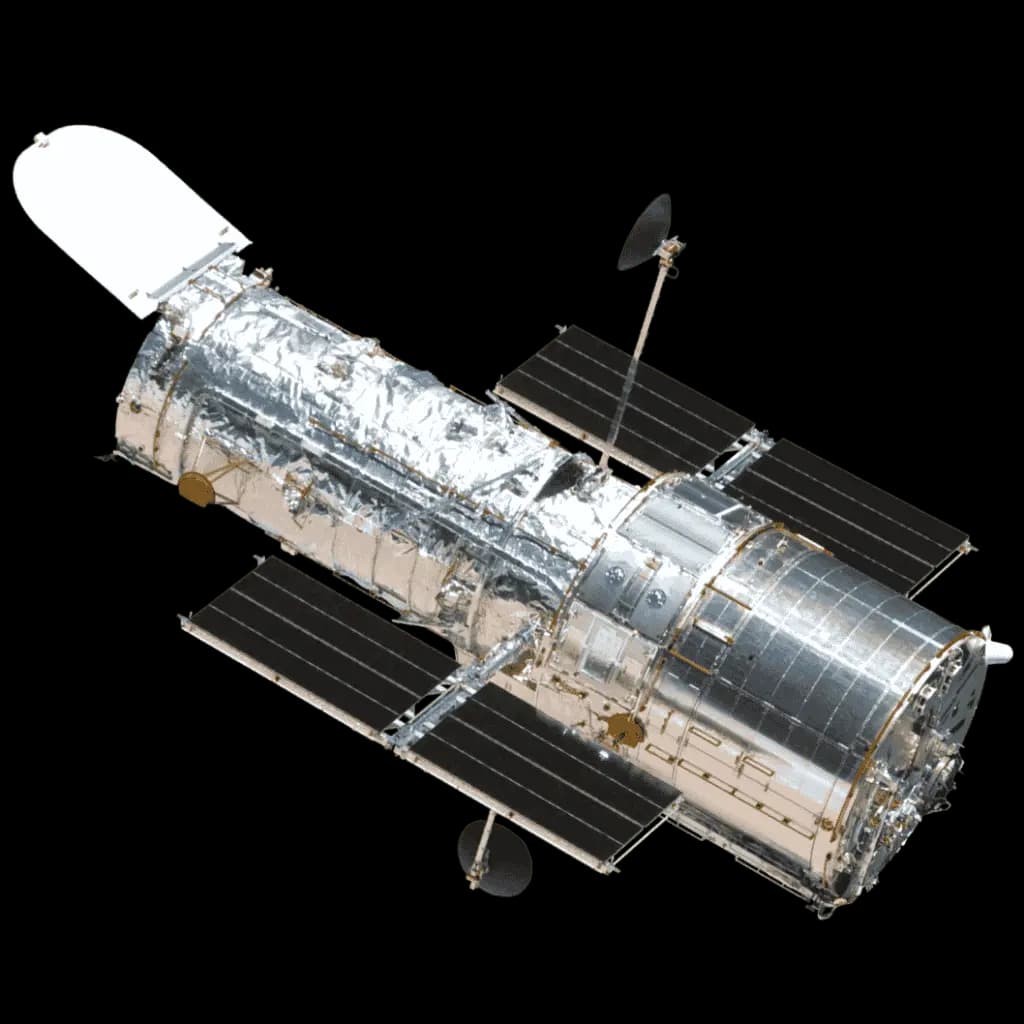
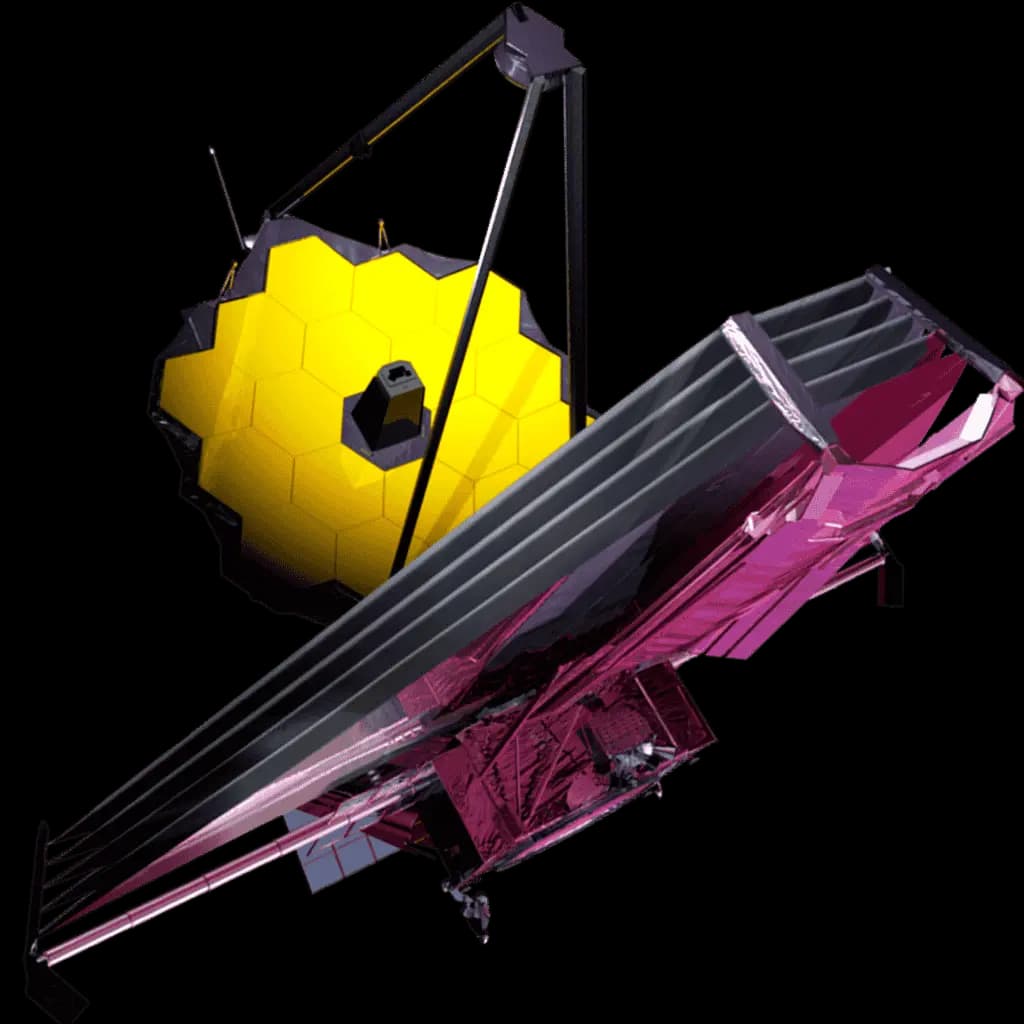
The James Webb telescope has a very narrow field of view. It’s like looking through a straw at a beautiful painting. The NEO Surveyor is a wide-angle camera. It can scan the entire sky quickly to find things, while Webb focuses on one small point for hours.
-
How does infrared help find dark asteroids?
Visible light telescopes see what a rock reflects. If an asteroid is dark like charcoal, it reflects almost nothing. But that same rock absorbs sunlight and warms up. The NEO Surveyorsees that heat, making the asteroid glow like a lightbulb against the cold space background.
-
Where is the satellite located right now?
It sits at the L1 Lagrange point. This is a ‘parking spot’ in space between the Earth and the Sun. From this position, it always stays in the same relative spot. It keeps its back to the Sun and the Earth to stay cool and dark.
-
Will NEO Surveyor stop an asteroid?
No, it’s just a scout. It can’t deflect anything. Its job is to give us five to ten years of warning before an impact. This gives us enough time to launch a separate mission, like a kinetic impactor, to nudge the rock off course.
-
Is it really necessary if we have ground telescopes?
Absolutely. Ground telescopes can’t see near the sun because the blue sky hides everything during the day. Many dangerous asteroids come from the direction of the sun. The NEO Surveyor is in space, so it doesn’t have to deal with a bright atmosphere or weather.
Final Thoughts
Watching the first real-time threat map update at the end of 2025 felt like humanity finally turning on the porch light. Space is no longer a dark room where we stumble around hoping not to hit the furniture. We’ve matured into a species that values its survival enough to build eyes in the void. There’s a certain quiet dignity in a machine that works a million miles away, just to make sure our children sleep better tonight. The universe is still full of surprises, but thanks to this mission, those surprises won’t be quite so sudden anymore.