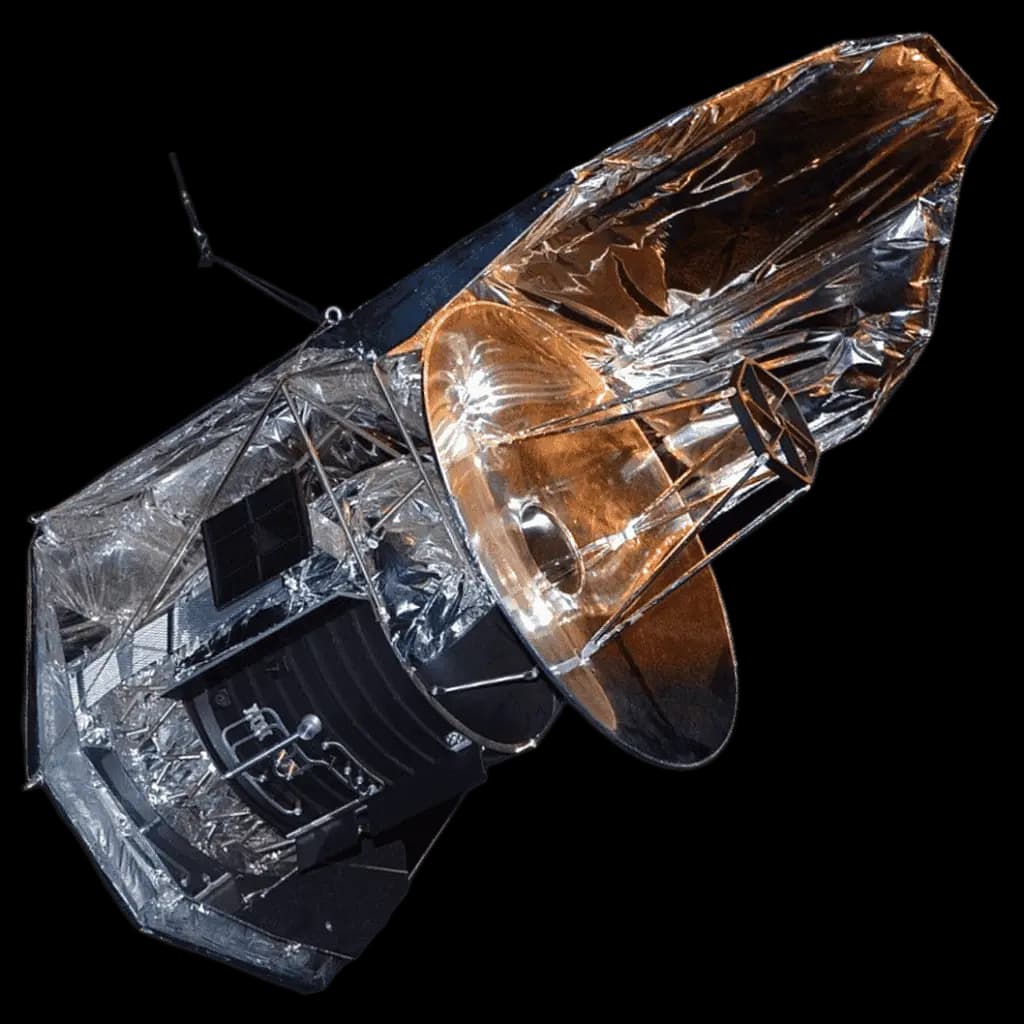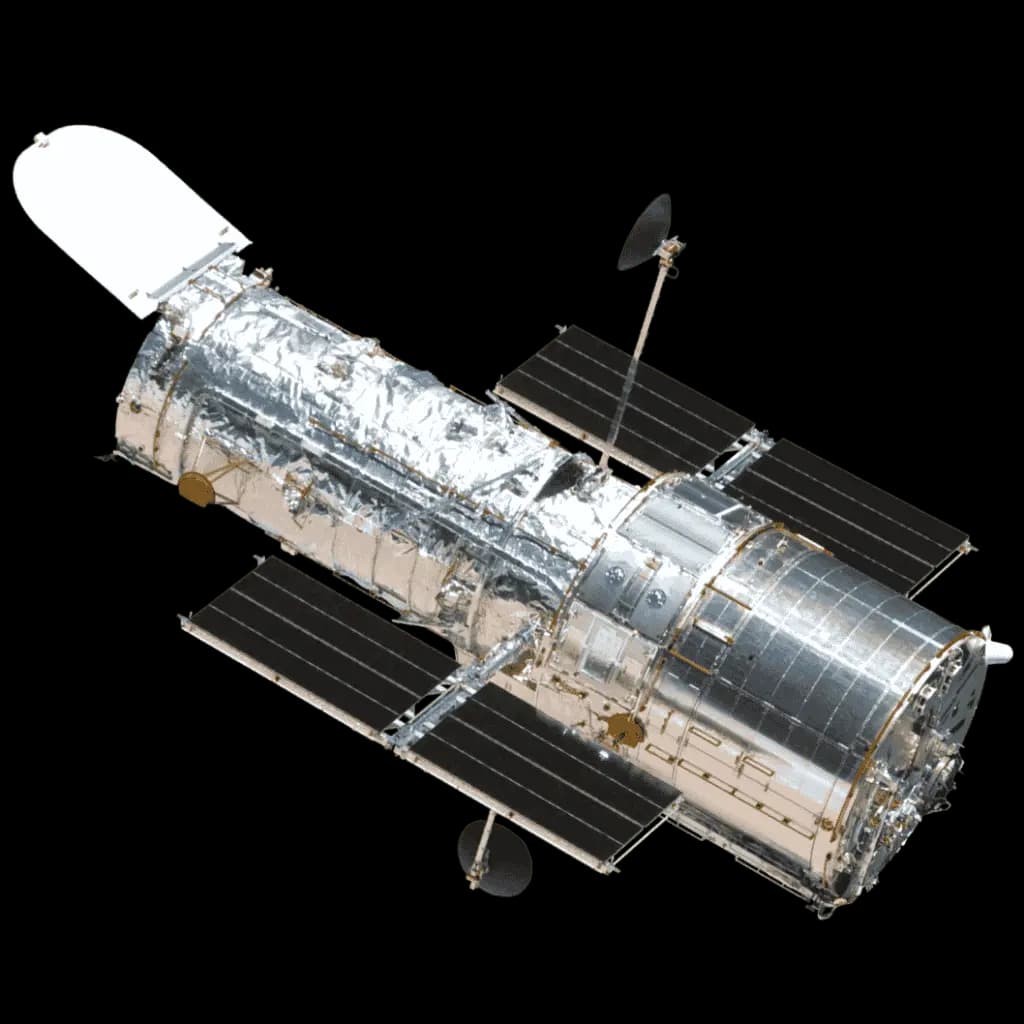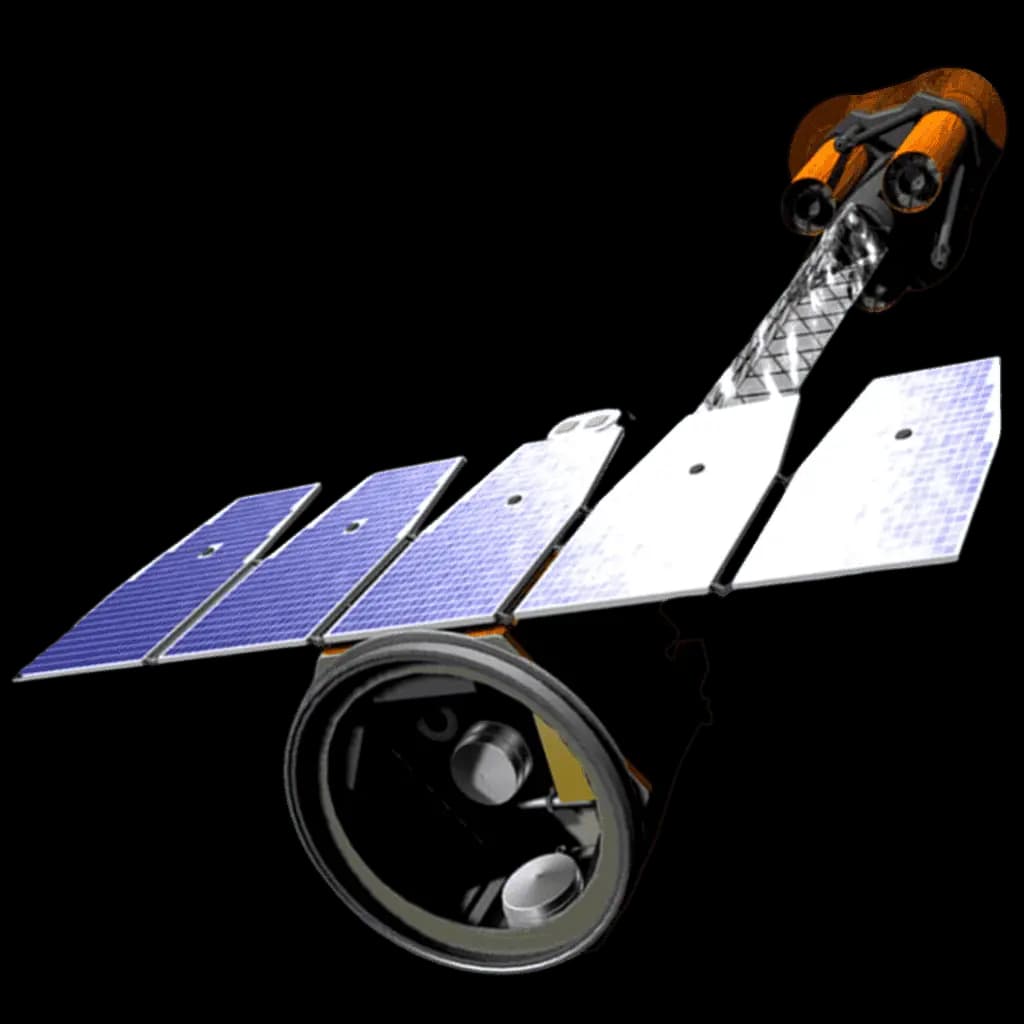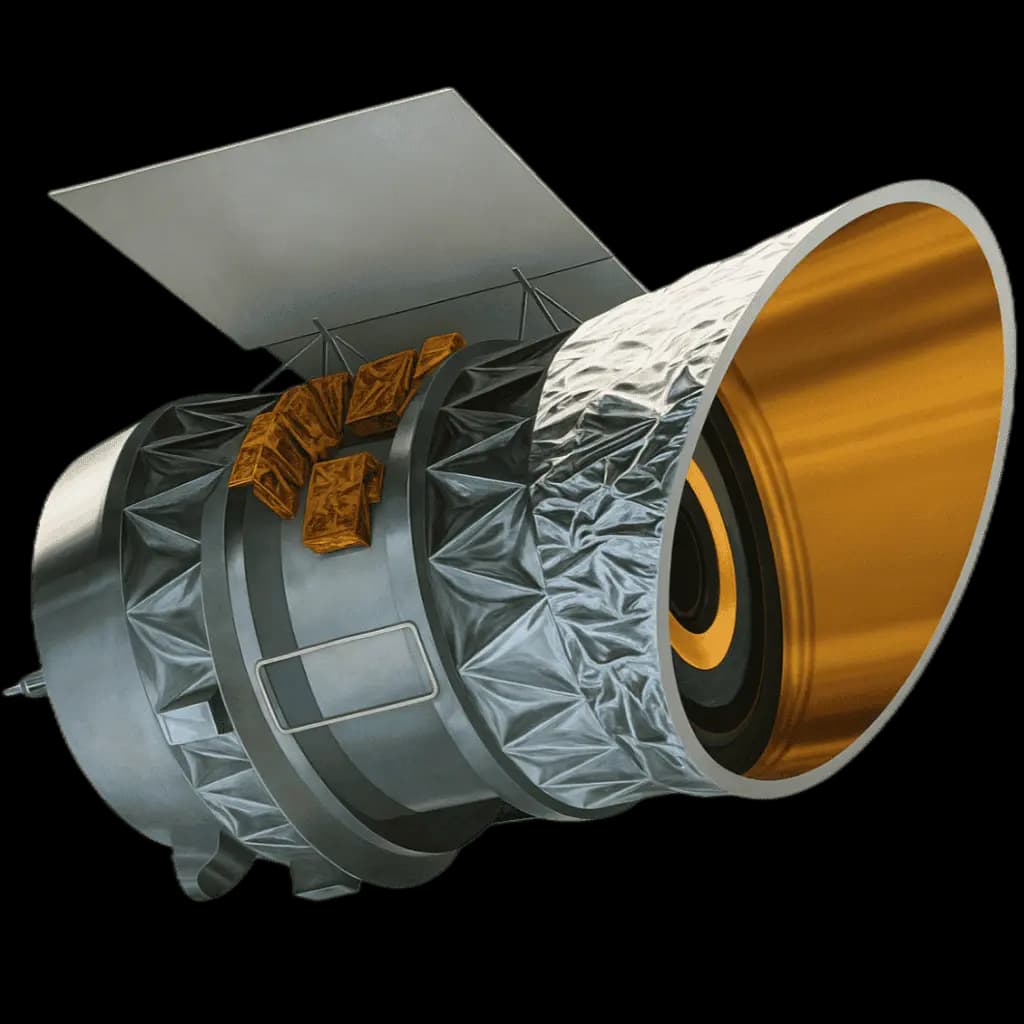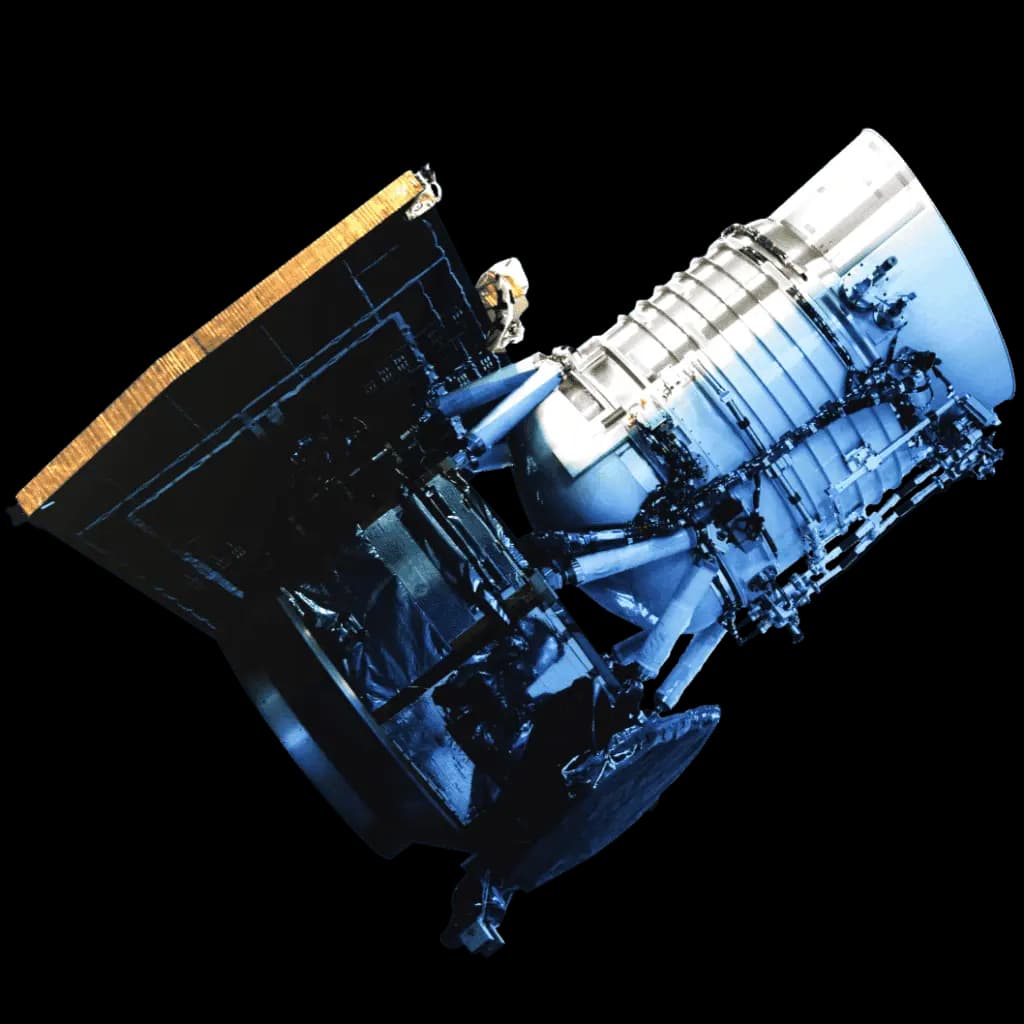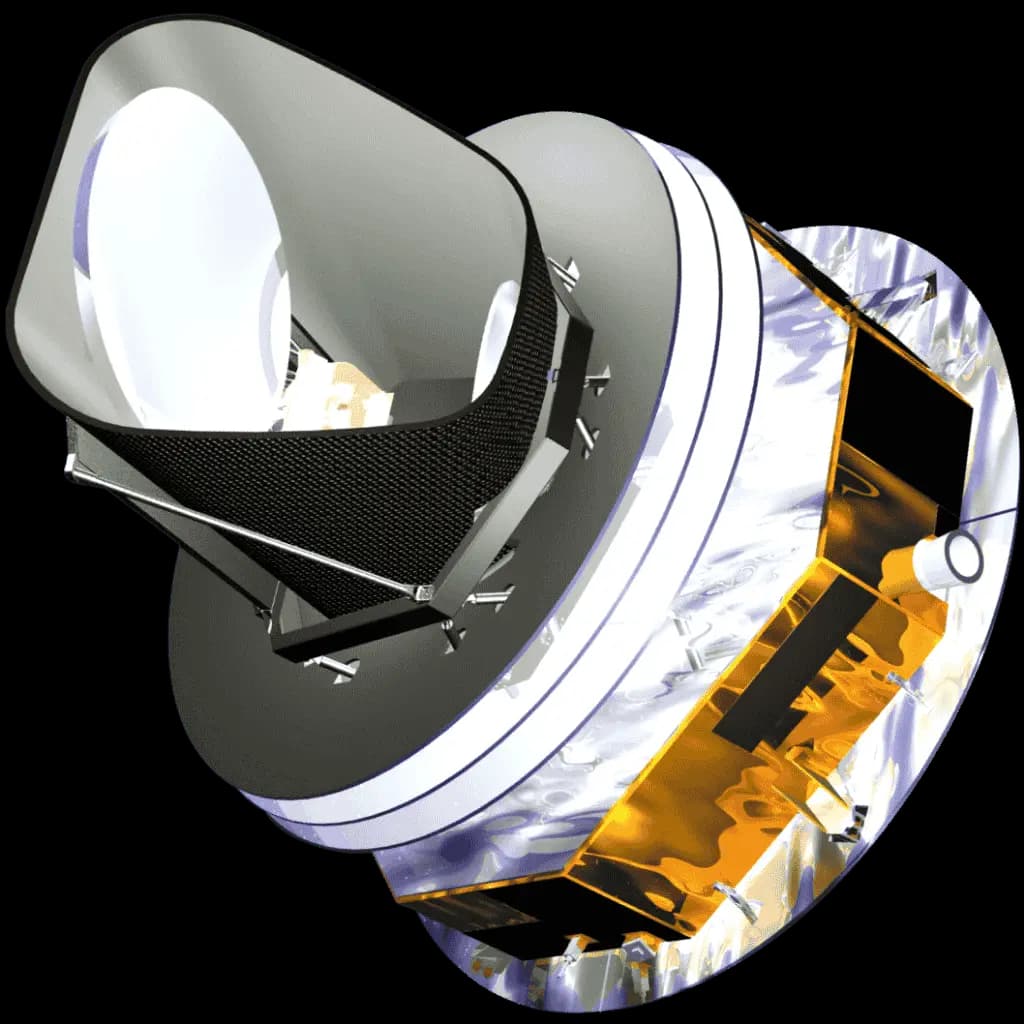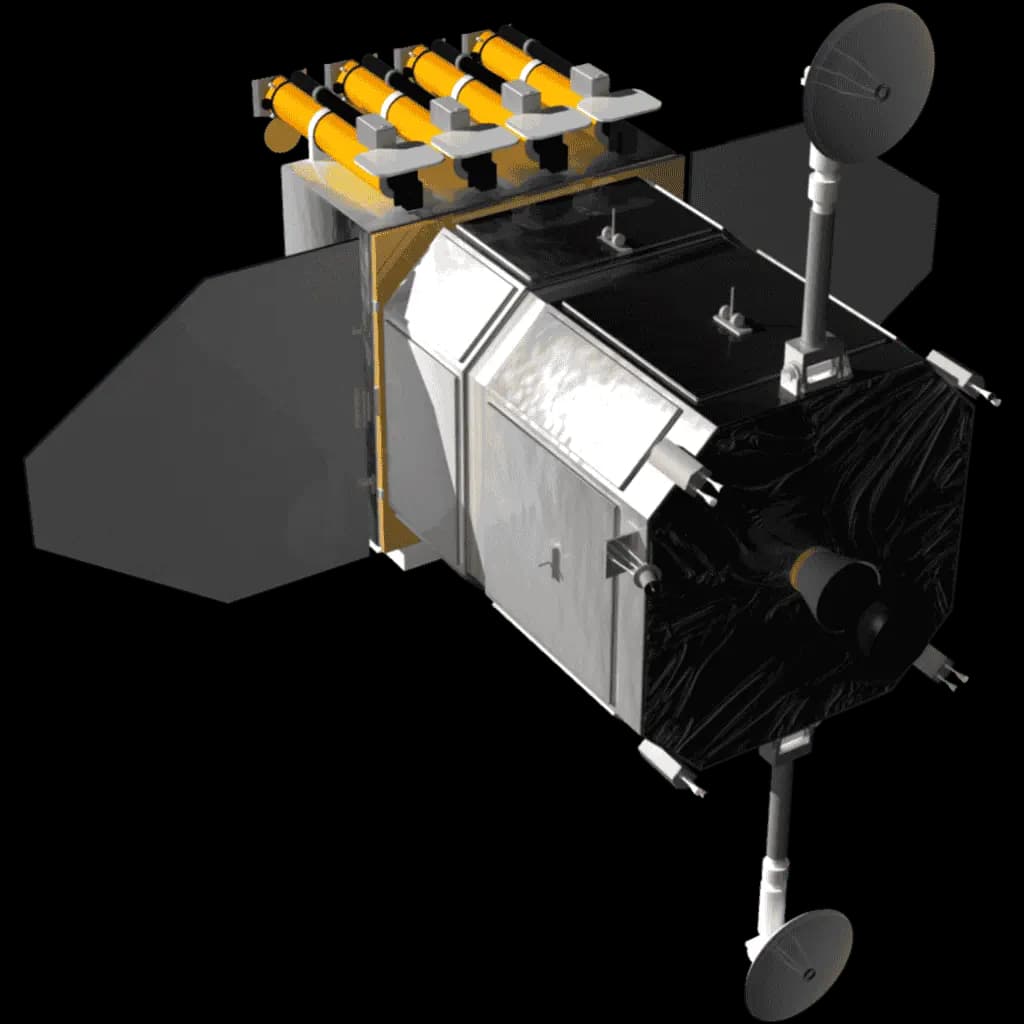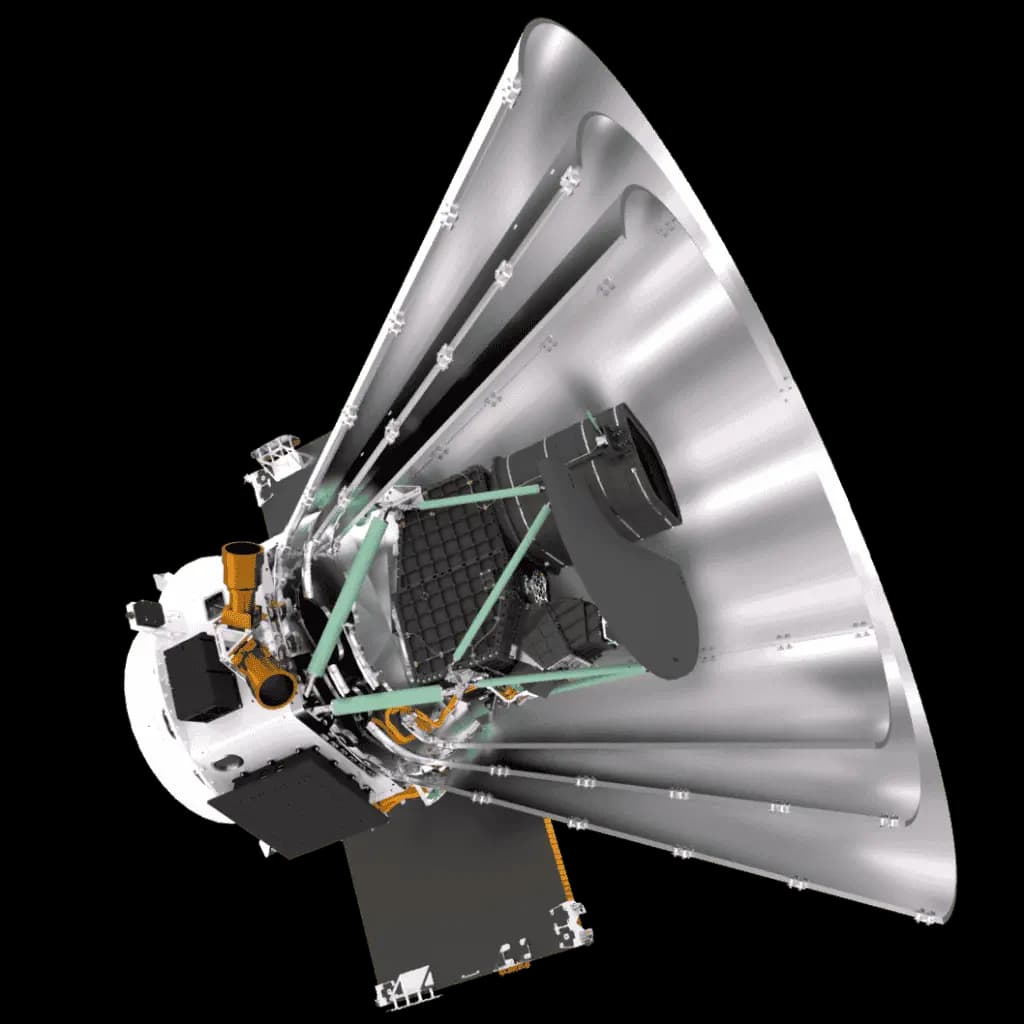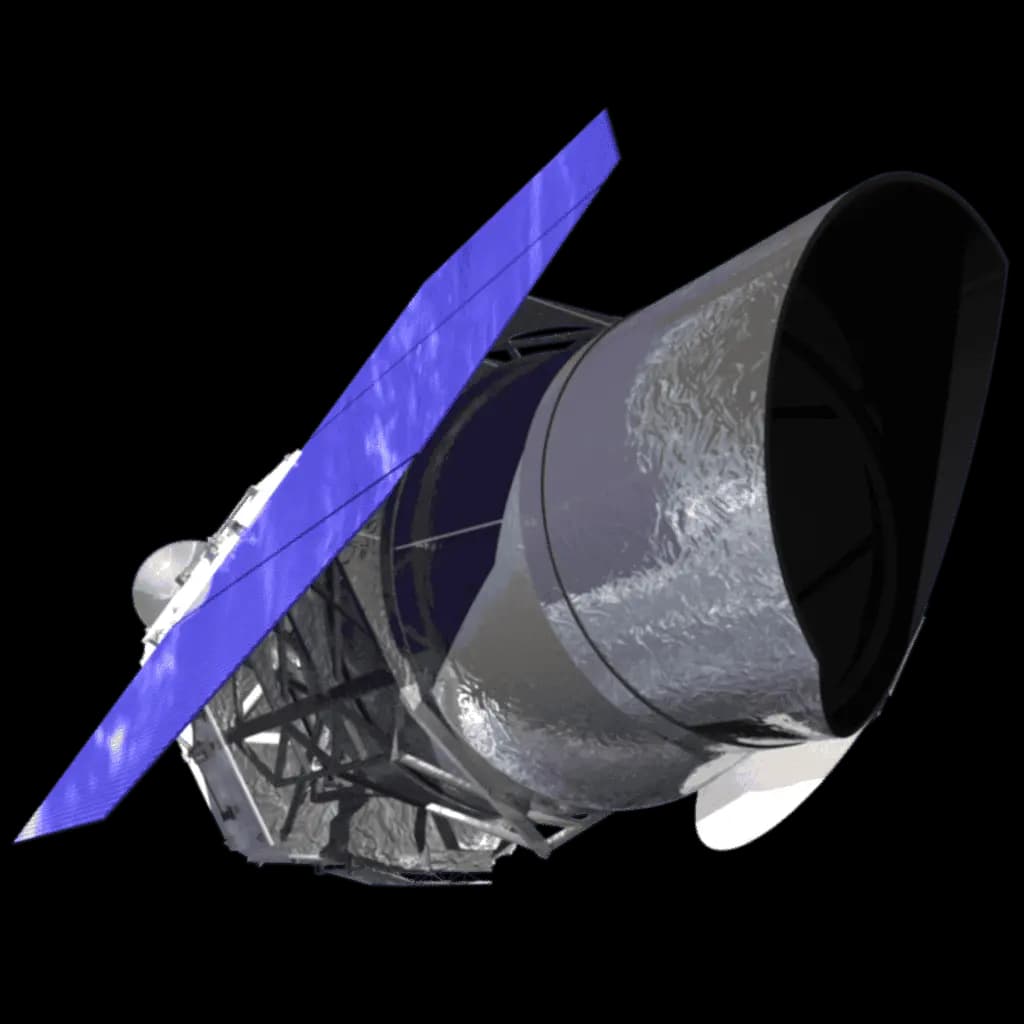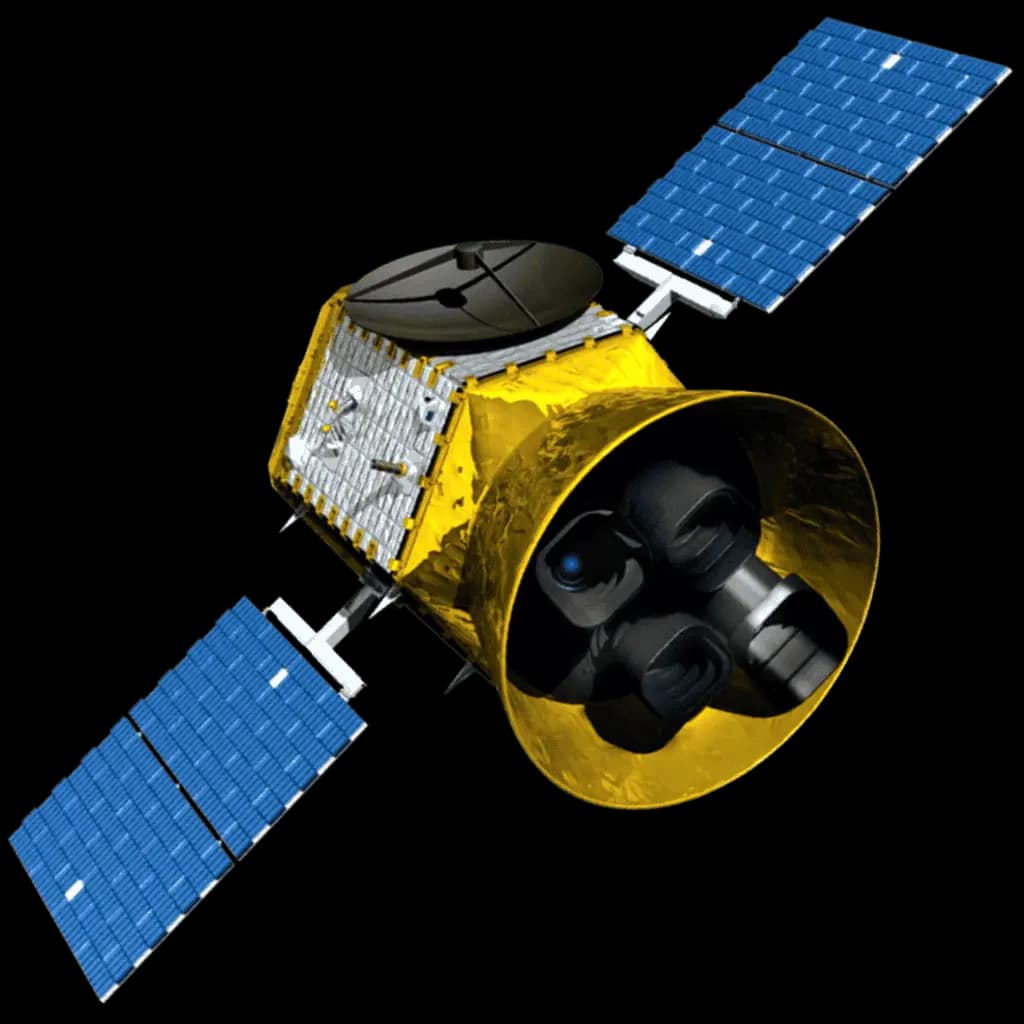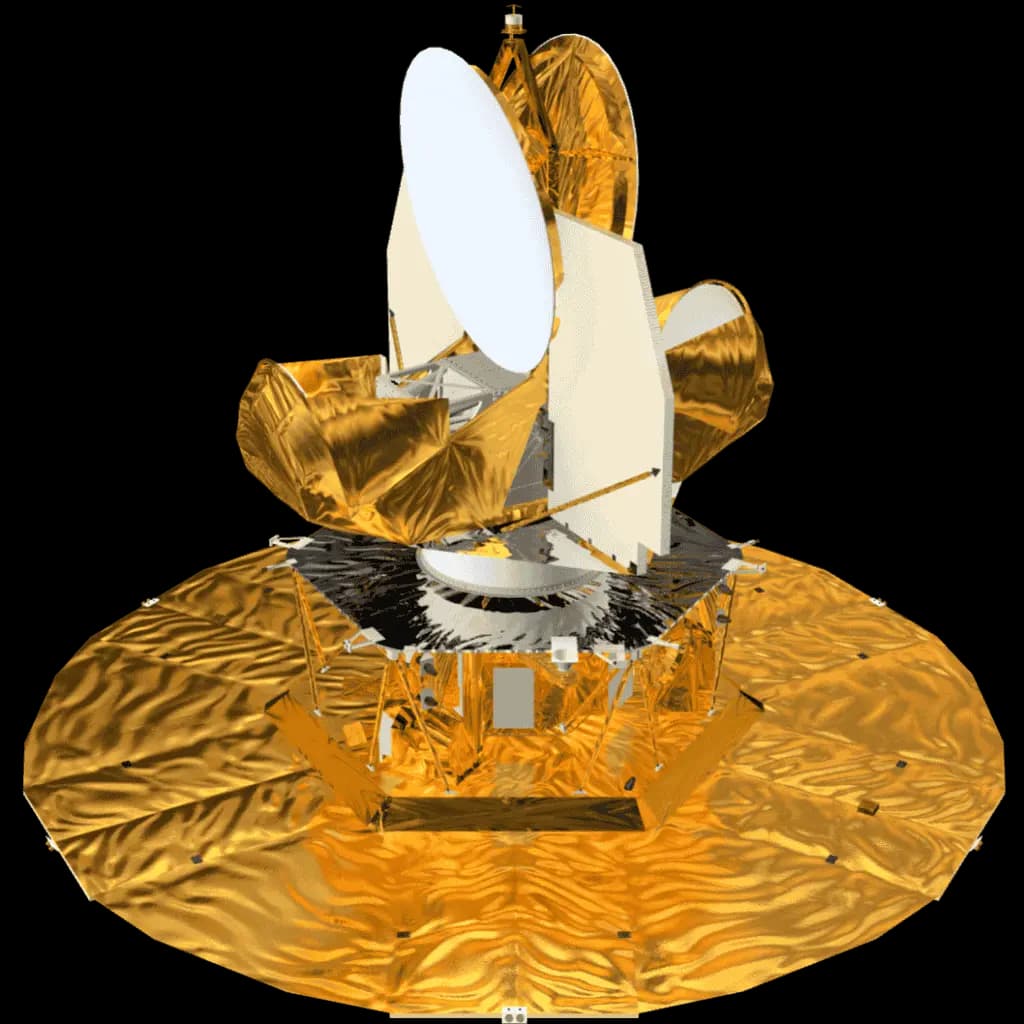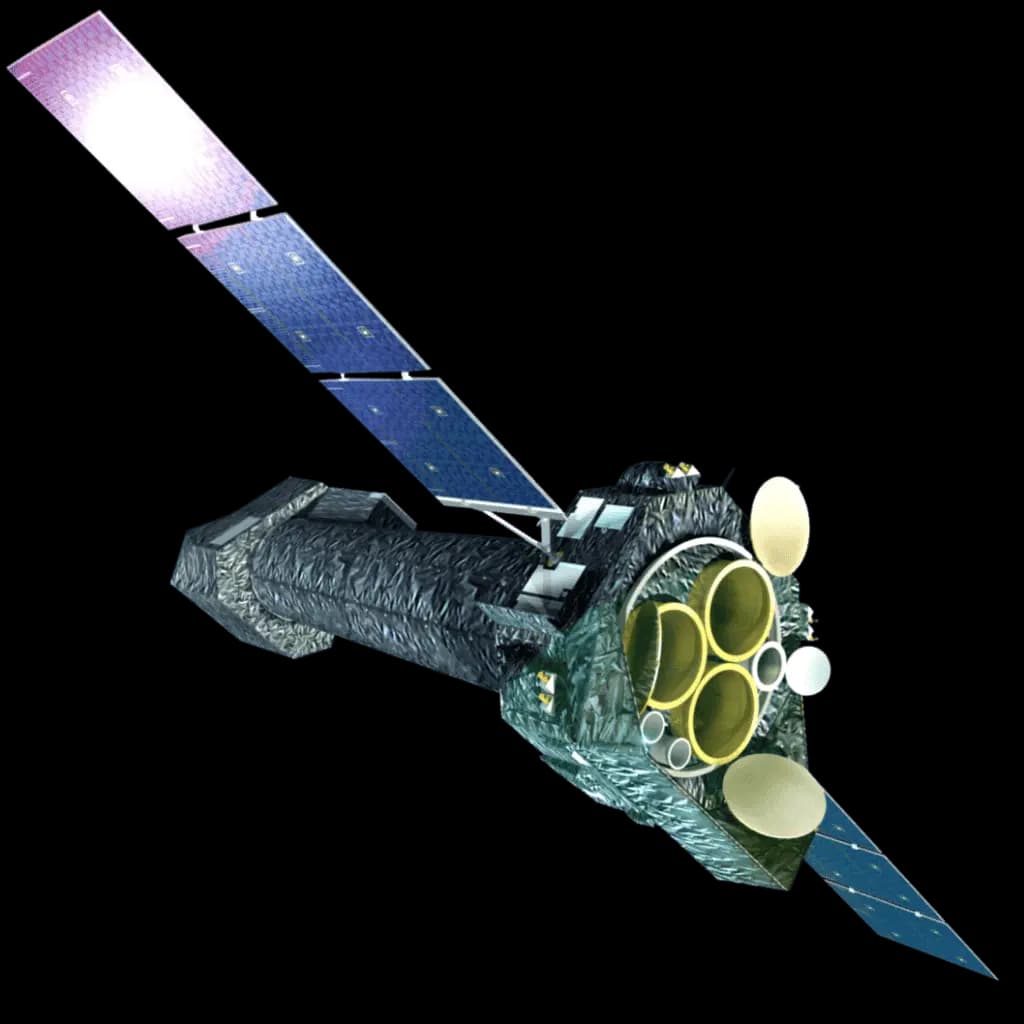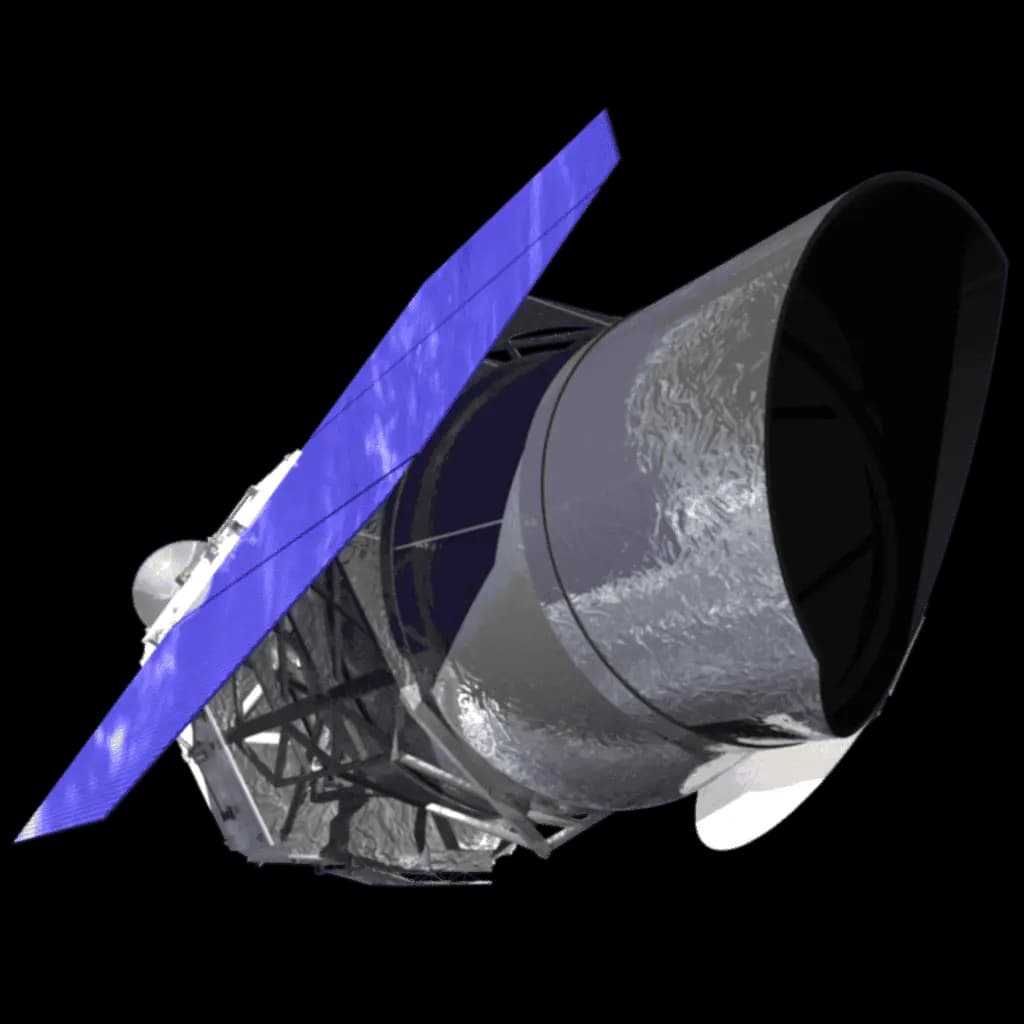
Space became a much warmer place once we started looking at it through the Spitzer Space Telescope. While most telescopes hunt for the light we see with our eyes, this one searched for heat. It’s the reason we can see through thick clouds of space dust that hide baby stars. This satellite matters today because it paved the way for the giant James Webb Space Telescope. We wouldn’t know nearly as much about alien planets or the birth of galaxies without its help. You’ll see its influence in every deep-space image we analyze in 2026.
What’s the Spitzer Space Telescope?
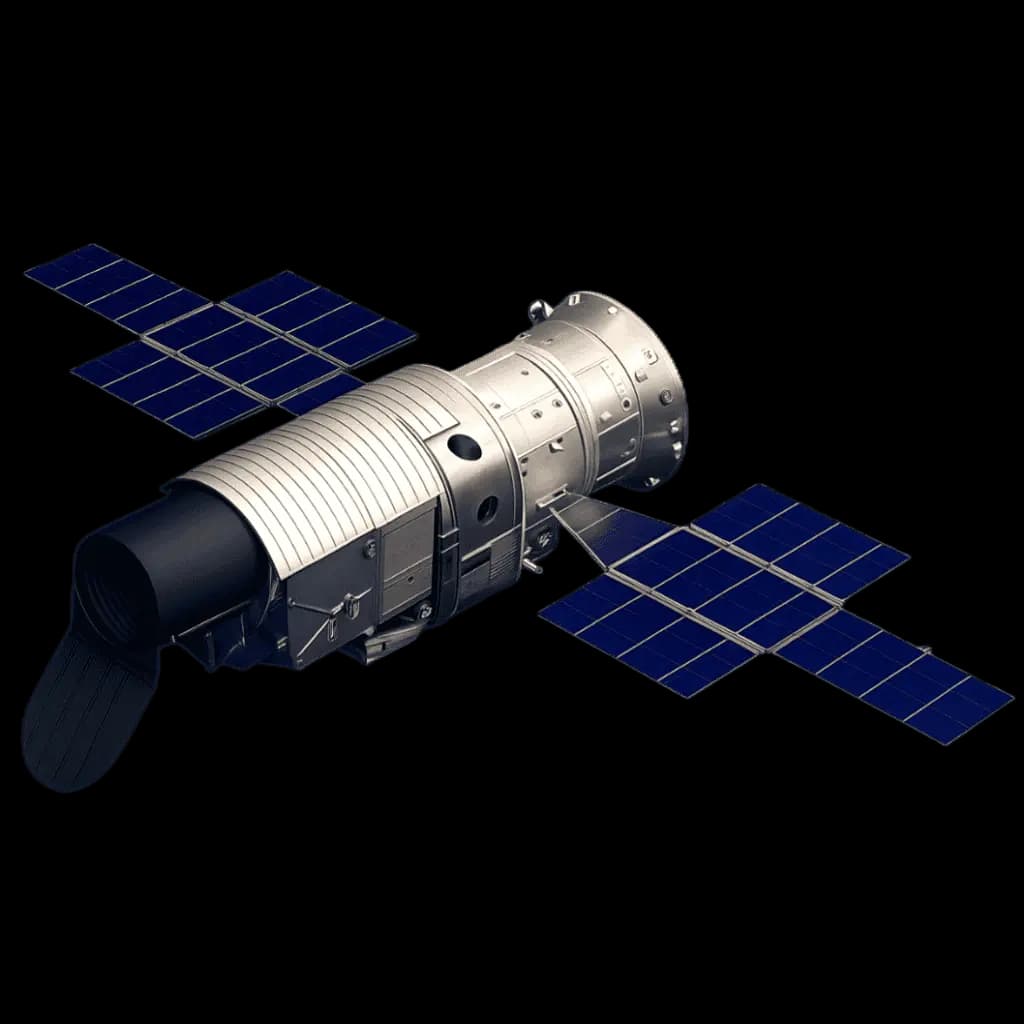
NASA built the Spitzer Space Telescope as the final piece of the Great Observatories program. It launched in August 2003 on a Delta II rocket to study the universe in infrared light. Unlike most satellites that orbit Earth, Spitzer followed our planet in an Earth-trailing solar orbit. This kept the craft away from our planet’s own heat, which was vital for its sensitive sensors. NASA managed the mission, though thousands of scientists from across the globe contributed to its long life in space.
Purpose and Mission Objectives
The main goal was to peek into regions where light is blocked. Visible light doesn’t pass through dust, but heat does. This made the craft a perfect tool for specific tasks.
- Find and study brown dwarfs: cold objects that are too big to be planets but too small to be stars.
- Look at ‘protoplanetary disks,’ which are the rings of debris where new planets are born.
- Analyze the most distant galaxies in the known universe to see how they grew.
- Detect the chemical composition of gas clouds in the Milky Way.
- Search for liquid water indicators on distant worlds by studying their atmosphere.
Key Discoveries and Spitzer Space Telescope Milestones
One major achievement was the discovery of the ‘TRAPPIST-1’ system. Spitzer revealed seven Earth-sized planets orbiting a single star, some of which might even be temperate. We didn’t just find these worlds; we saw they were rocky and potentially capable of holding water. Scientists used the infrared eyes of the Spitzer Space Telescope to measure the tiny dips in starlight as these planets passed by. It changed the way we search for habitable zones across the galaxy.
Another highlight was the massive Saturn ring discovery. I’ve worked with the data from this period, and it was shocking to find a ring so big it could fit a billion Earths. It consists of cold dust that no visible light telescope could ever find. This discovery solved an old mystery about why one of Saturn’s moons, Iapetus, looks half-dark and half-light. The telescope saw the dust from the ring was actually hitting the moon and staining it.
How the Spitzer Space Telescope Changed Our Understanding
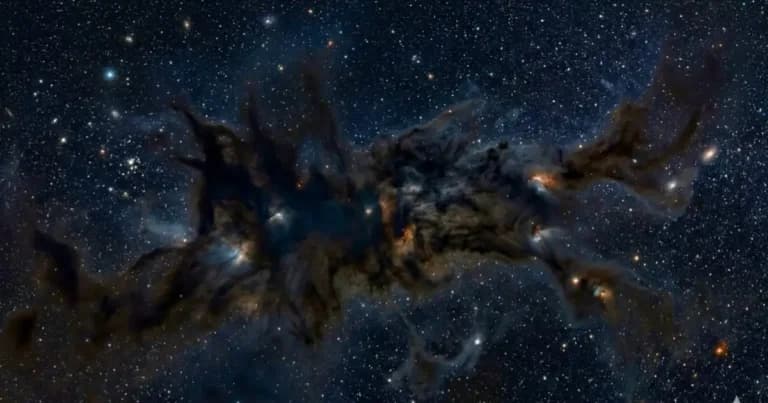
Before this mission, we thought some regions of space were empty because they looked dark. After Spitzer, we realized those ’empty’ spots were actually filled with nurseries of thousands of stars. It corrected the myth that we could understand the life cycle of a sun using only visible light. We saw that the ‘dust’ in space isn’t just a nuisance; it’s the raw material for everything we know.
It also shifted how we think about the age of the universe. By looking at ancient galaxies, Spitzer showed that the first stars formed much earlier than we originally thought. This created new questions for physics that we’re still trying to answer in 2026, and the data basically rewrote the timeline of cosmic history.
Technology Behind the Spitzer Space Telescope
Engineers used an unusual cooling system to keep the sensors at near-absolute zero, and it carried a tank of liquid helium to freeze the mirrors and instruments. This was necessary because the telescope’s own heat would otherwise blind its infrared detectors. Without this cryogenic cooling, the mission wouldn’t have been able to detect the faint warmth of a planet millions of light-years away.
The design featured three main instruments: a camera, a spectrograph, and a photometer. Each was built to handle different wavelengths of light. Most people don’t know the telescope’s mirror was made of lightweight beryllium. This material stays strong even when it gets extremely cold, which is why the images stayed so sharp throughout its flight.
Challenges and Failures
Keeping the telescope cool was the hardest part. In 2009, the liquid helium ran out as expected, which meant the mission entered a ‘warm’ phase. People thought the telescope was done. Instead, the team adapted and kept using the two shortest wavelength channels of the camera for another decade. They turned a potential failure into one of the longest mission extensions in space history.
Longevity and Current Status
Spitzer lasted far longer than anyone hoped, operating for over 16 years. NASA finally turned it off in early 2020 because its orbit drifted too far from Earth. This distance made it hard for the solar panels to catch the sun while simultaneously pointing the antenna at home. It’s now drifting in a graveyard orbit around the Sun, forever silent.
Legacy and Future Impact
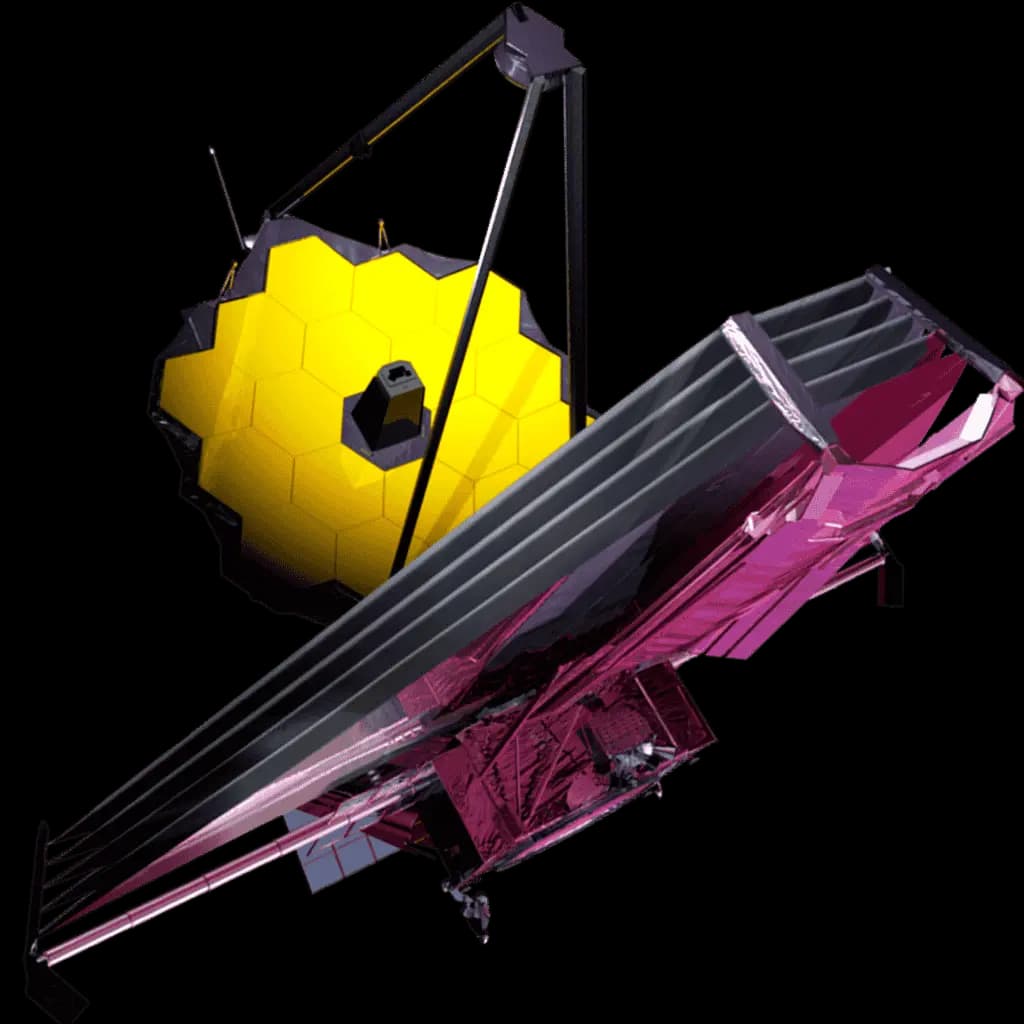
Every time you see a clear picture from the James Webb Space Telescope (JWST), you’re seeing Spitzer’s legacy. This craft served as the ‘pathfinder’ for everything Webb does today, and it showed us which targets were worth a closer look. Most of the famous infrared images we love today started as fuzzy blobs in Spitzer’s early logs.
Impact on Science and Humanity
Spitzer made space feel less distant and more like a physical reality we can measure. It grabbed the public’s attention by showing us the ‘Pillars of Creation’ in a way that looked ghostly and clear. Schools used its data to teach kids about the parts of the spectrum we can’t see. It turned the invisible parts of our universe into something beautiful and understandable.
FAQs About the Spitzer Space Telescope
-
Why was the Spitzer Space Telescope retired?
It drifted too far from Earth to communicate and charge at the same time. The orbit meant its solar panels couldn’t stay pointed at the Sun while its antenna pointed at our planet. NASA shut it down in January 2020 to end the mission safely.
-
Is it still in space?
Yes, it’s still out there. It follows Earth in a solar orbit, getting further away every single year. It won’t crash into anything for millions of years. It’s basically a permanent monument to human curiosity.
-
What’s the difference between Hubble and Spitzer?
Hubble mostly sees visible light, which is what human eyes see. Spitzer sees infrared light, which is basically heat energy. Spitzer can see through dust clouds that look like solid walls to the Hubble telescope.
-
Can Spitzer see planets?
It doesn’t see them like a photo of Earth. Instead, it senses their heat signature. This allows scientists to figure out what the weather is like or if there’s gas in the planet’s atmosphere.
-
How did it stay cold?
It used liquid helium to stay just above absolute zero. When that ran out, it used a ‘passive’ cooling system by staying in the shade. Even in its ‘warm’ phase, it stayed around minus 400 degrees Fahrenheit.
Final Thoughts
The Spitzer Space Telescope wasn’t just a machine; it was an expansion of our senses. It proved that the universe is far more active than our eyes suggest. As we look toward new deep-space missions, we’ll always owe a debt to the little telescope that saw the heat. Space is no longer a dark void – it’s a glowing, energetic masterpiece.