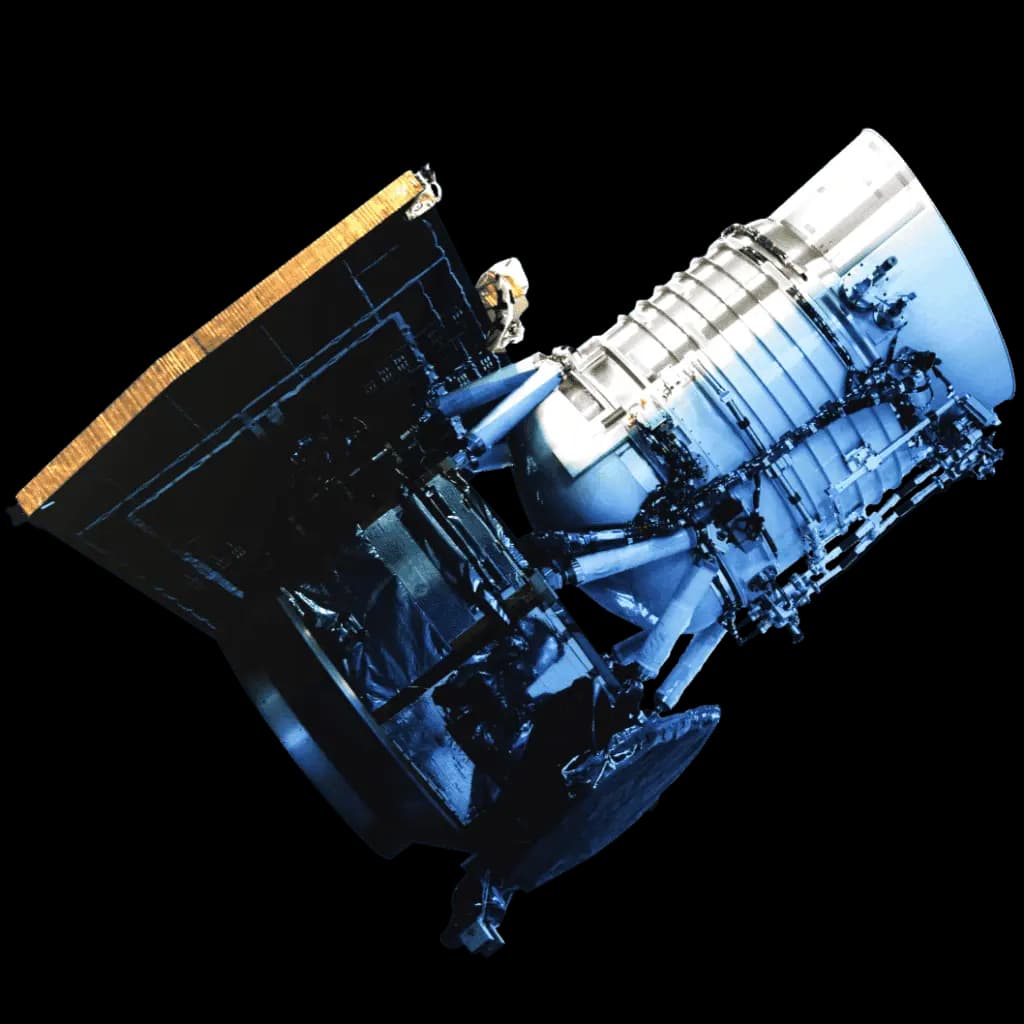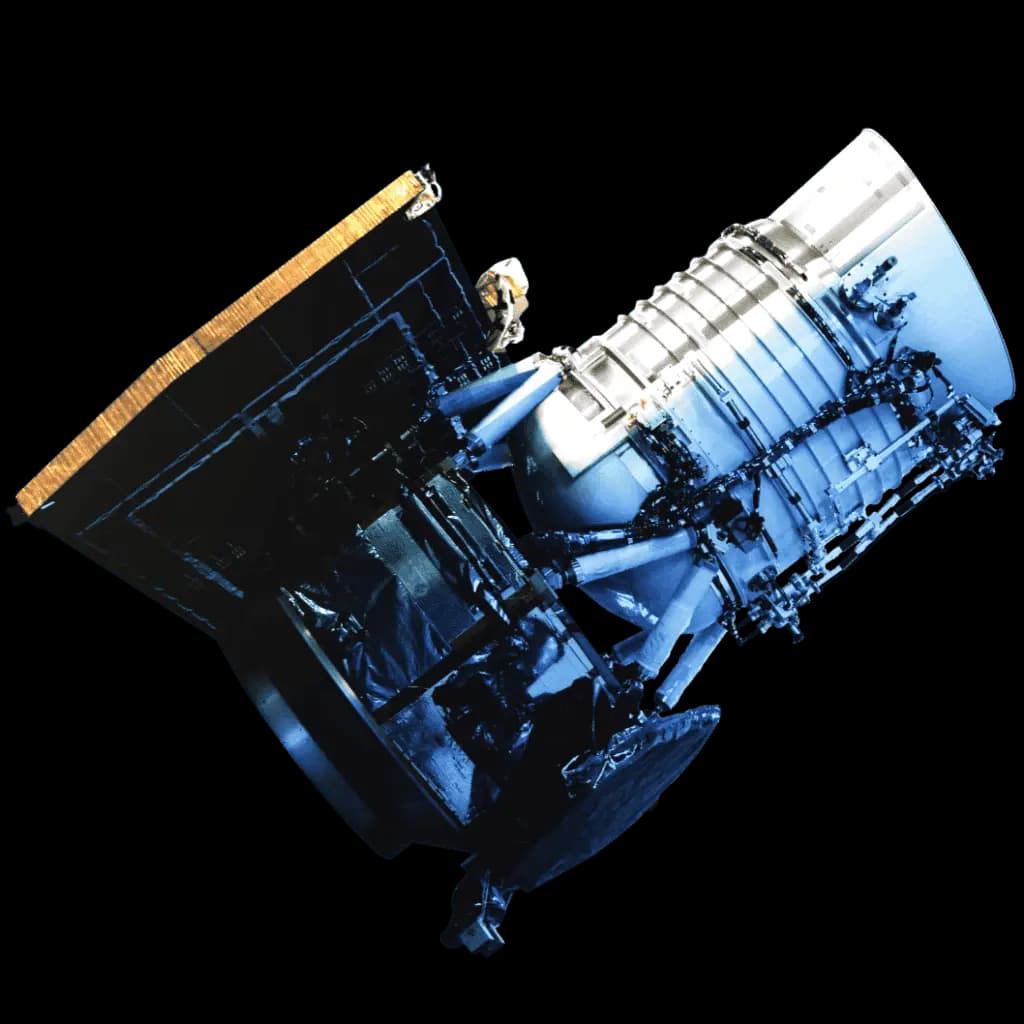
In late 2024, a silent guardian of the skies finally met its fiery end. For over a decade, the NEOWISE Telescope served as Earth’s premier infrared sentinel, scanning the darkness for rocks that might bump into our planet. Its descent into the atmosphere marked the close of one of the most successful ‘second acts’ in NASA history. We’ve spent years relying on its thermal data to map the threats lurking in the solar system. Now, looking back from 2026, it’s clear that this recycled satellite fundamentally changed how we track cosmic intruders.
What’s the NEOWISE Telescope?
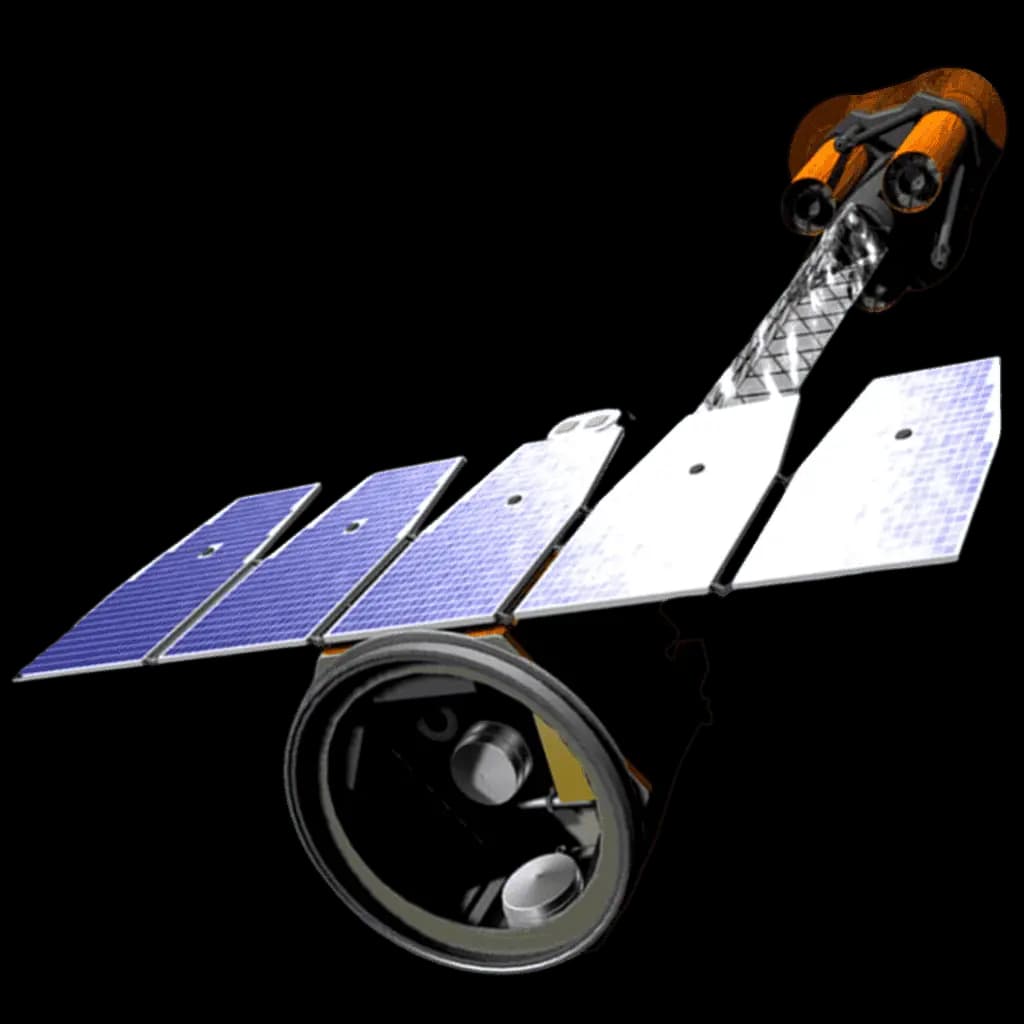
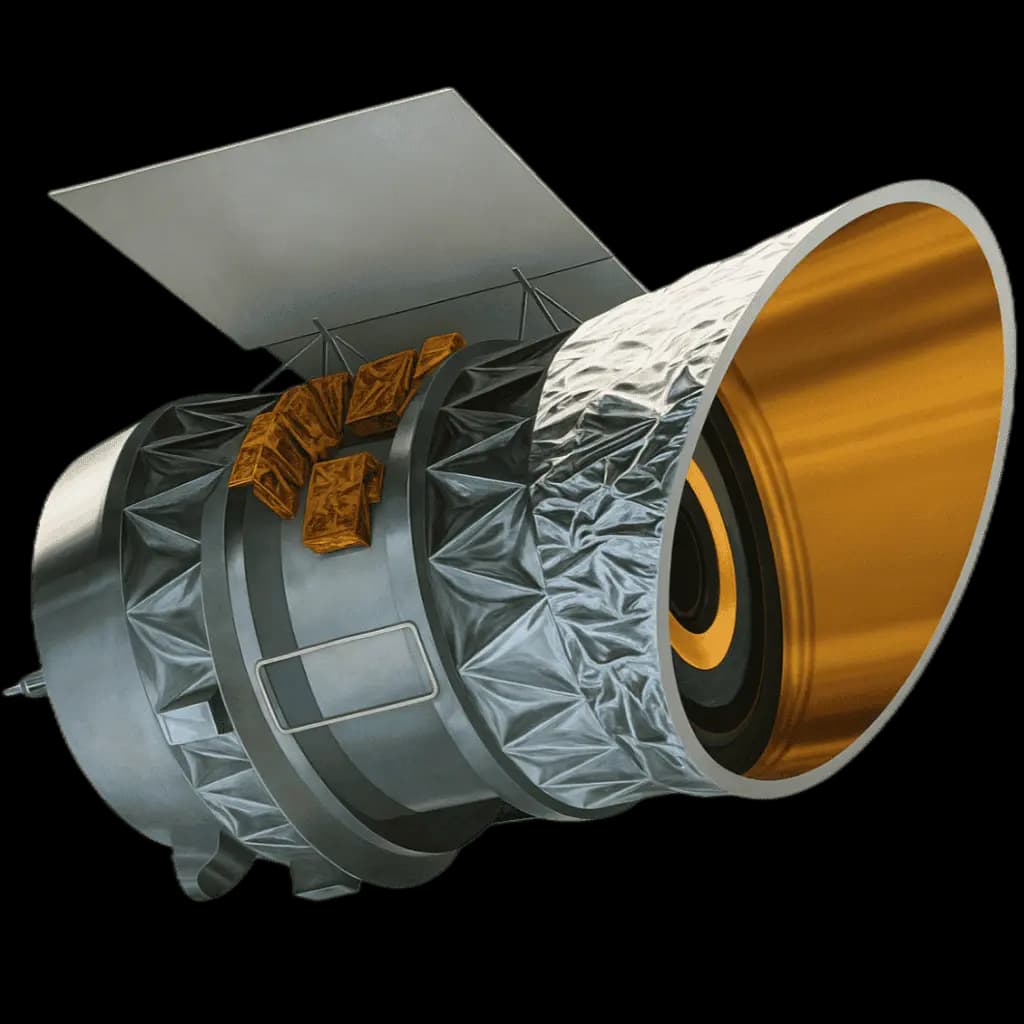
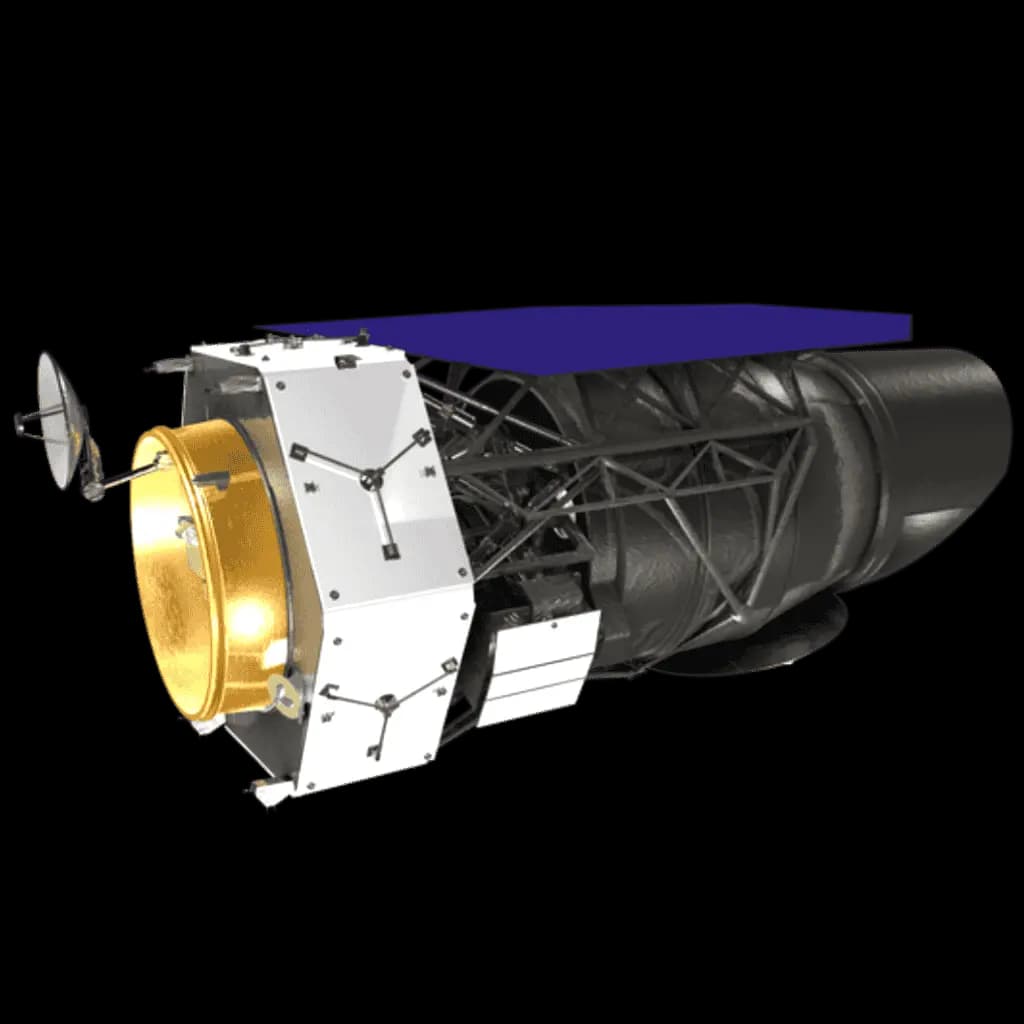
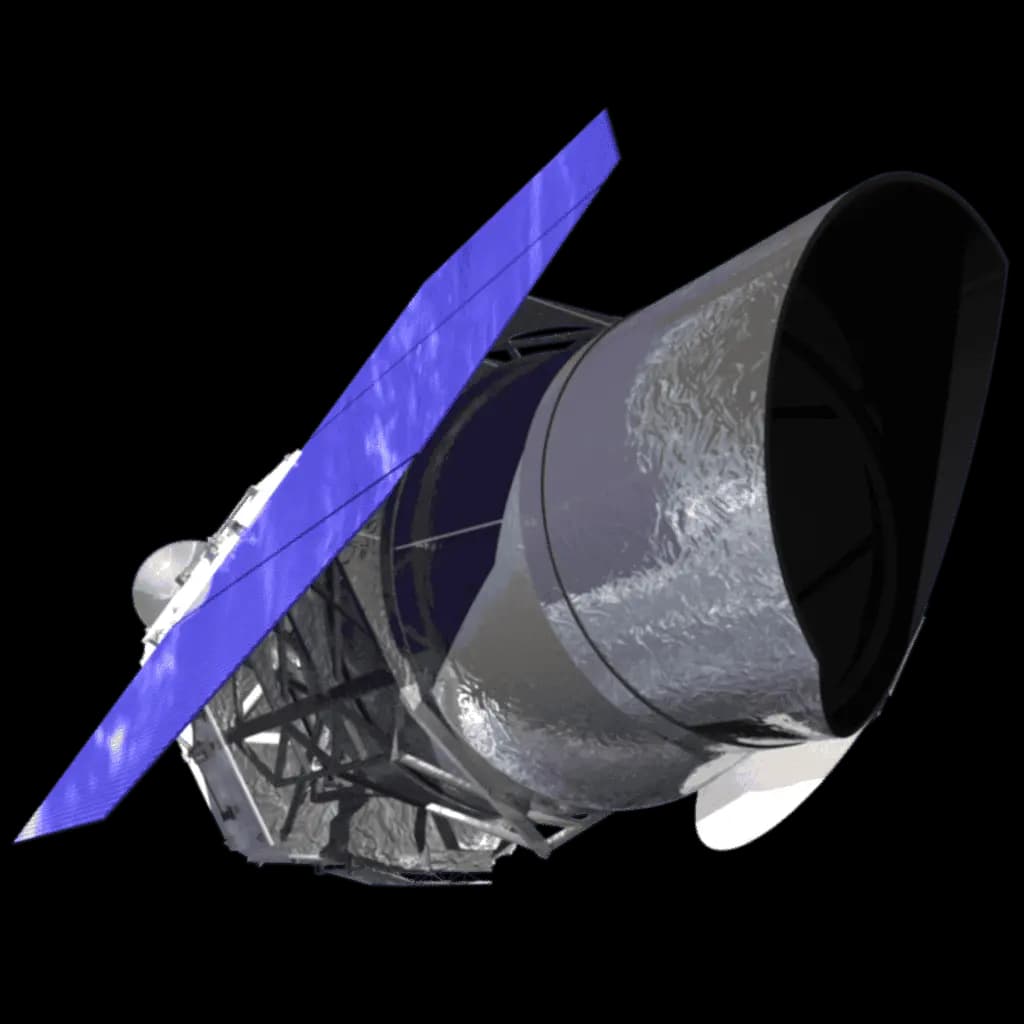
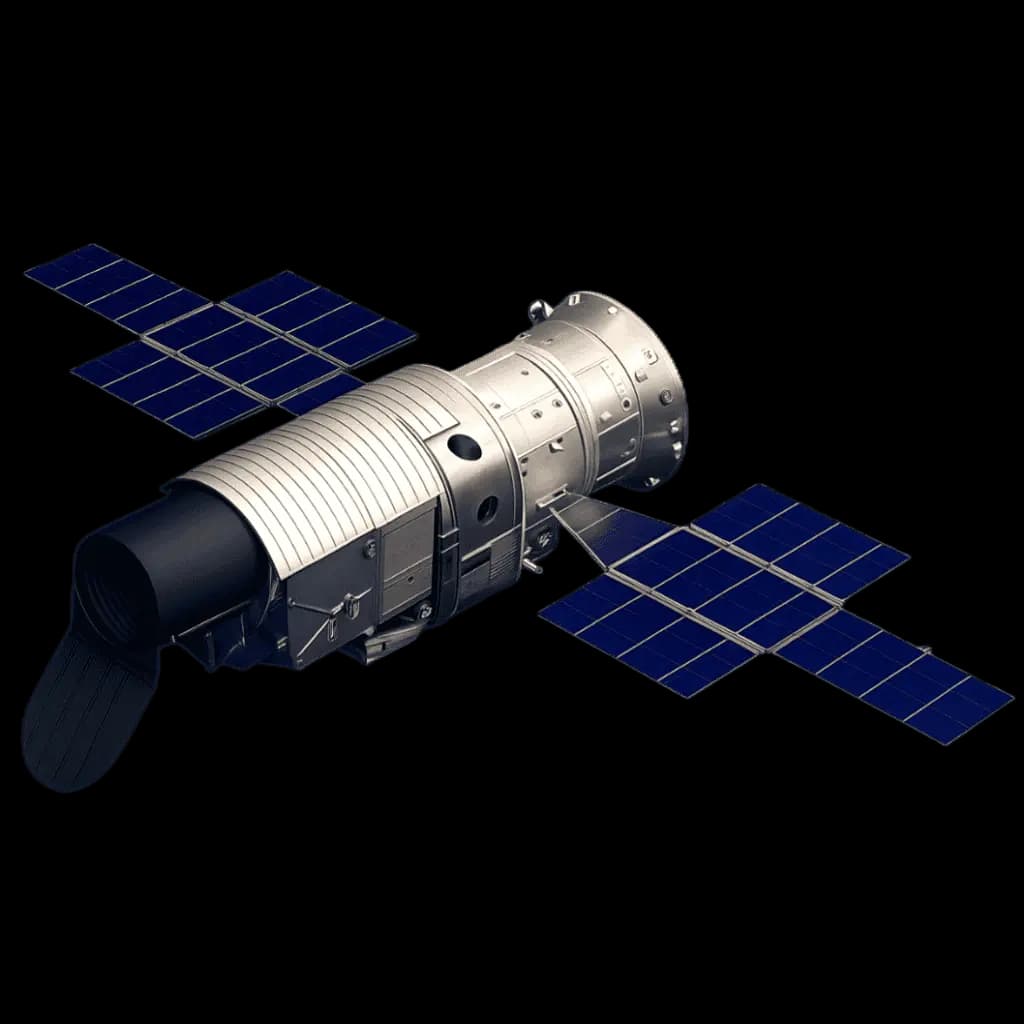
NASA launched the project originally as the Wide-field Infrared Survey Explorer (WISE) in December 2009. It sat in a low-Earth orbit, roughly 320 miles up, designed to map the entire sky in infrared light. While the official NASA archives show it was built by the Jet Propulsion Laboratory, its life had two distinct phases. After its coolant ran out in 2011, it went into hibernation. NASA woke it back up in 2013 and gave it a new name: the NEOWISE Telescope. It spent the next decade hunting Near-Earth Objects (NEOs).
Purpose and Mission Objectives
The mission had a single, clear-eyed focus: protect Earth by knowing the enemy. Space is huge and dark. Using normal light to find asteroids is like looking for a charcoal briquette in a dark room. NEOWISE was built to see heat. By sensing the infrared energy coming off these rocks, scientists could finally measure their size and reflectivity.
- Find Near-Earth Objects: Locate asteroids and comets within 1.3 AU of the Sun.
- Size Estimation: Use thermal signatures to tell the difference between a small, bright rock and a large, dark one.
- Population Mapping: Build a statistical model of how many hazardous objects exist in the inner solar system.
- Cometary Study: Track the behavior of comets as they approach the Sun and start venting gas.
Key Discoveries of the NEOWISE Telescope
I recall looking at the data spikes from 2020 when NEOWISE found its namesake comet, C/2020 F3. It wasn’t just a blip on a screen. That discovery gave the world a spectacular light show during a global lockdown. Meanwhile, that single comet was a reminder of why we need these eyes in the sky. Beyond the famous comet, the mission characterized over 158,000 asteroids, and this dataset is the foundation of modern planetary defense.
Scientific teams used the telescope to find over 30,000 new objects, including more than 200 never-before-seen near-Earth objects. The impact of this work isn’t just a list of numbers. It helped us realize that many ‘missing’ asteroids were actually very dark, absorbing most light. NEOWISE caught them because they couldn’t hide their heat. Because of this mission, our map of the solar system’s neighborhood is a lot more populated than it was twenty years ago.
How It Changed Our Understanding
Before this mission, we guessed the size of most asteroids based on how bright they looked. If a rock looked dim, we assumed it was small. NEOWISE proved that some dim rocks are actually massive and ‘blacker than coal. ‘ This realization changed how we calculate the risk of impact, and we stopped guessing and started measuring. It corrected the myth that we could spot everything with ground-based optical telescopes.
The data also taught us about the ‘Yarkovsky effect.’ This happens when the Sun heats up one side of an asteroid, and as it rotates, that heat is radiated back out. This tiny push can change a rock’s orbit over centuries. By measuring that heat, the NEOWISE Telescope let scientists predict future asteroid paths with much higher precision. It moved planetary defense from guesswork to actual physics.
Technology Behind the NEOWISE Telescope
The heart of the satellite was a 16-inch telescope outfitted with four infrared cameras. These sensors didn’t need light to see. They worked at wavelengths between 3 and 25 microns. During the WISE phase, these cameras were kept super-cold with solid hydrogen. Once that coolant vanished, two of the shorter-wavelength channels stayed functional. It’s a miracle of engineering that these ‘warm’ sensors were sensitive enough to detect the faint thermal glow of distant asteroids.
Challenges and Failures
The biggest challenge was always the heat, and without active cooling, the telescope struggled against the thermal noise from its own electronics. The team had to develop clever software tricks to filter out this static. Solar activity also played a role in its demise. As the Sun entered a more active cycle in 2024, our atmosphere expanded. This extra drag pulled the NEOWISE Telescope lower and lower until its orbit could no longer be maintained. There were no ‘repairs’ possible in LEO.
Longevity and Current Status
By early 2025, the NEOWISE Telescope had burned up in our atmosphere. It’s officially ‘mission complete.’ NASA sent the final command to turn off its transmitter in August 2024. For a satellite built to last only seven months, its 15-year career was a stunning achievement. It stayed active way past its expiration date. This longevity happened because the team found new ways to use old tech.
Legacy and Future Impact
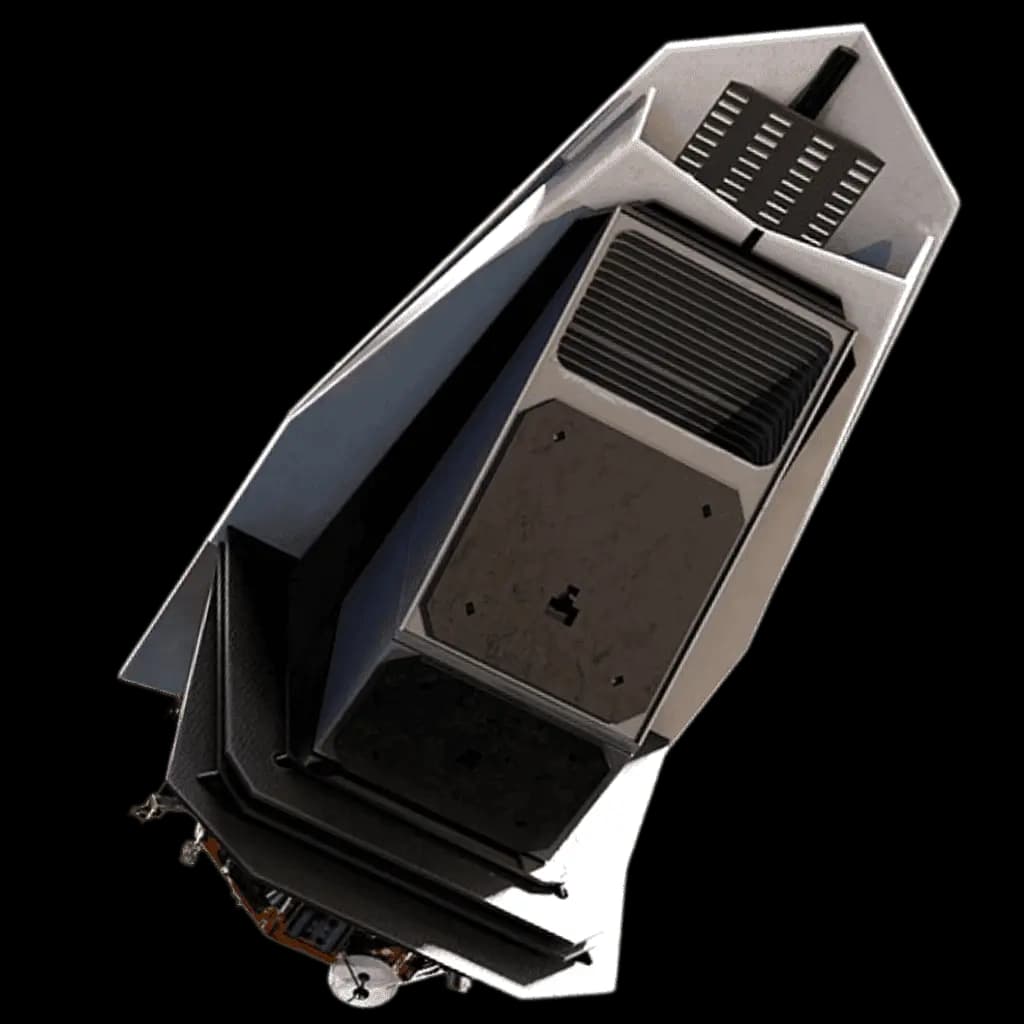
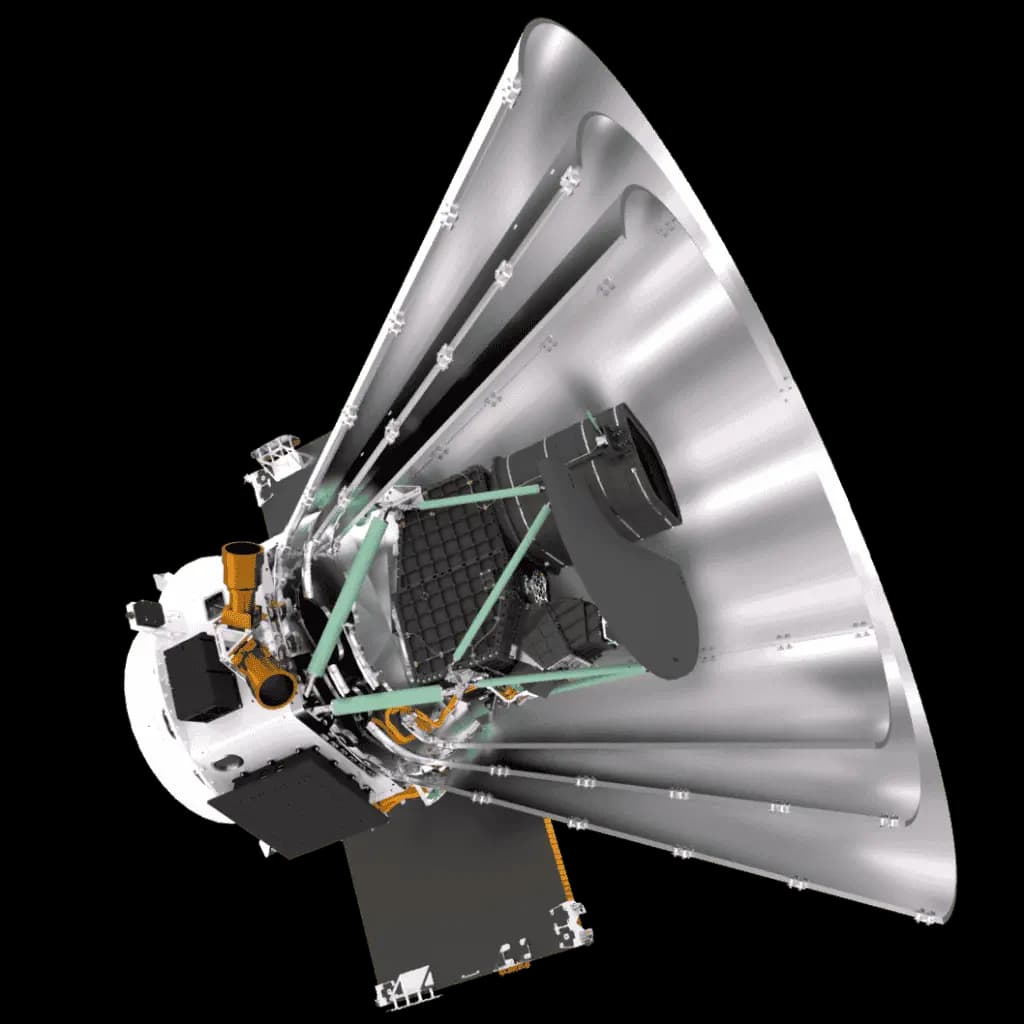
We now look forward to the NEO Surveyor mission. This new telescope is the direct spiritual successor to NEOWISE. It takes everything we learned about infrared asteroid hunting and scales it up. Without the data gathered from 2013 to 2024, we wouldn’t have been able to justify the budget for a dedicated hunter. NEOWISE was the ‘proof of concept’ that likely saved us from a future surprise impact.
Impact on Science and Humanity
The public saw the ‘NEOWISE’ comet as a beautiful event, but for scientists, it was a data goldmine. This telescope turned ‘the sky is falling’ fears into a manageable scientific catalog. It brought planetary defense into the mainstream. Children in 2026 now learn about asteroid tracking as a standard part of science class, mostly because of the maps this satellite built. It gave humanity peace of mind.
FAQs About NEOWISE Telescope
-
What’s the NEOWISE Telescope?
It’s an infrared space telescope used by NASA to track and measure asteroids and comets. It started as a wide-field survey mission before being repurposed to hunt objects near Earth.
-
Why did NEOWISE stop working?
The mission ended because solar activity increased atmospheric drag. This caused the satellite to lose altitude and eventually burn up in Earth’s atmosphere in late 2024.
-
How many asteroids did it find?
The telescope characterized over 158,000 minor planets and discovered more than 30,000 new objects, including several hundred near-Earth threats.
-
Can it see asteroids that ground telescopes miss?
Yes. Since it detects heat (infrared), it can see dark asteroids that don’t reflect much sunlight. These objects are often nearly invisible to traditional optical telescopes on Earth.
-
What will replace it?
NASA’s NEO Surveyor is the official successor. It’s a dedicated mission designed to find 90 percent of all asteroids larger than 140 meters that could pose a threat to our planet.
Final Thoughts
The NEOWISE Telescope wasn’t a shiny new tool when it did its best work. It was a rugged, aging survivor that gave us a decade of extra protection. Still, it reminds us that often, the most effective solutions aren’t the ones we just bought, but the ones we’ve adapted with care. As we scan the stars today, we do so with a catalog that’s deeper and safer because this small satellite refused to quit. It leaves behind a safer world and a legacy of vigilance that won’t soon be forgotten.