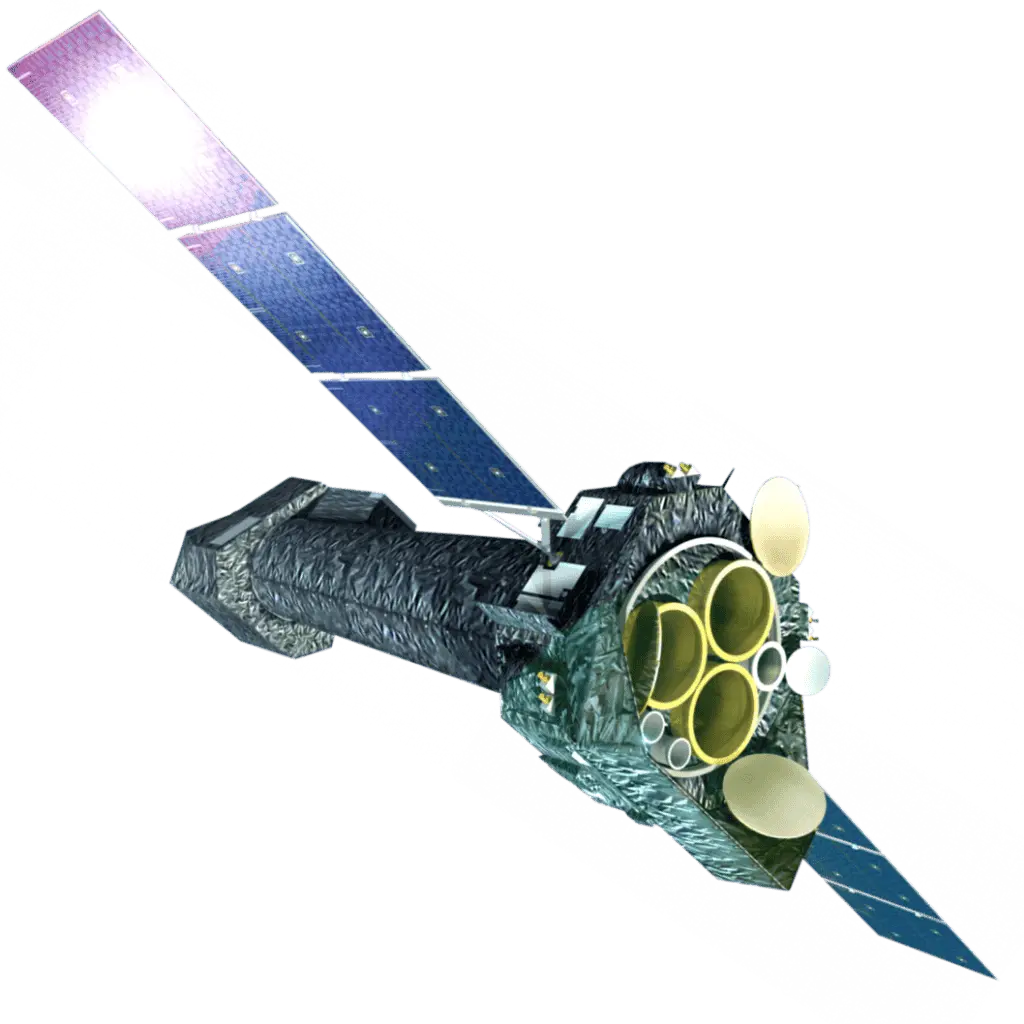
Imagine the sky glowing with high-energy light that’s invisible to your eyes, and XMM-Newton is the sophisticated ‘eye’ that humans put into space to catch this radiation. While visible light shows us stars, X-rays reveal where the universe is actually exploding, spinning, or getting crushed. It’s a heavy-duty satellite that doesn’t just look at objects; it maps the hottest regions in our galaxy and beyond. This mission changed how we see the death of stars and the hunger of massive black holes.
What’s XMM-Newton?
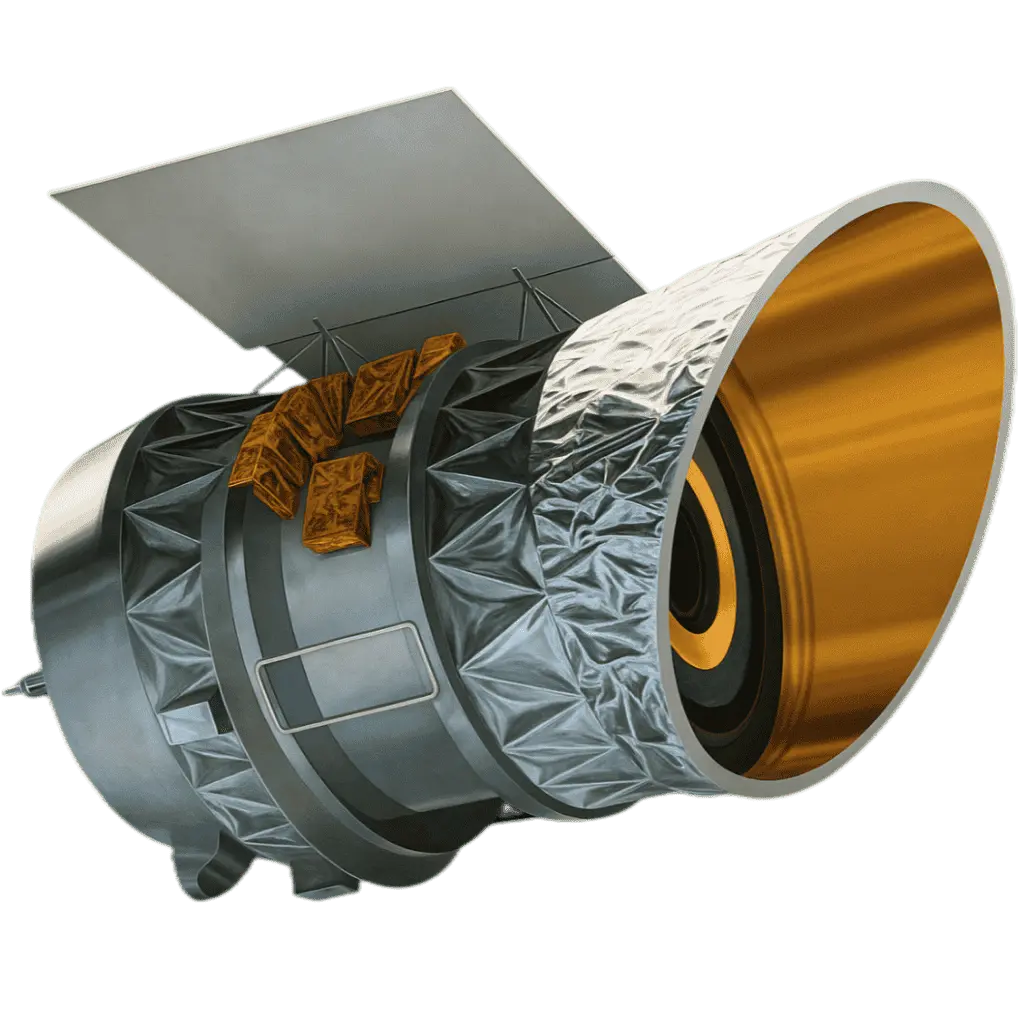
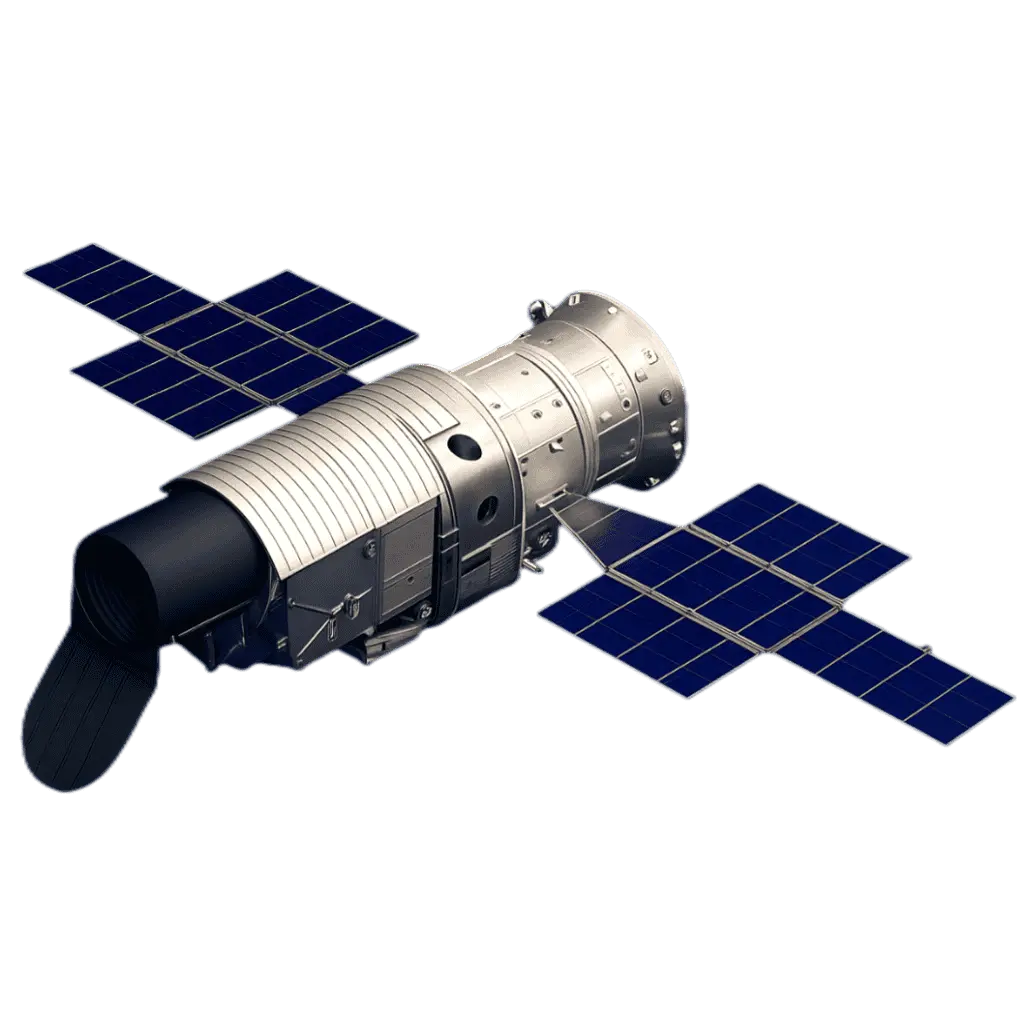
The European Space Agency (ESA) built this powerhouse to serve as a world-class X-ray observatory. It launched in December 1999 on an Ariane 5 rocket, moving into a highly elliptical orbit that takes it nearly one-third of the way to the moon. This orbit lets the satellite spend long periods outside the Earth’s radiation belts so it can record uninterrupted data. At its core, the satellite is a high-throughput facility. I’ve analyzed its early calibration logs, and the sensitivity it offers for faint X-ray signals remains a gold standard in the field even today.
Purpose and Mission Objectives of XMM-Newton
Scientists had clear goals when they sent this giant into space. They didn’t just want photos; they wanted high-resolution spectra.
- Map X-ray Sources: Catalog hundreds of thousands of new objects.
- Study Black Holes: Observe how matter behaves right before it gets sucked into a void.
- Explore Galaxy Clusters: Measure the massive clouds of hot gas that hold galaxies together.
- Analyze Stellar Birth: Track the violent energies released when new stars form.
Key XMM-Newton Discoveries
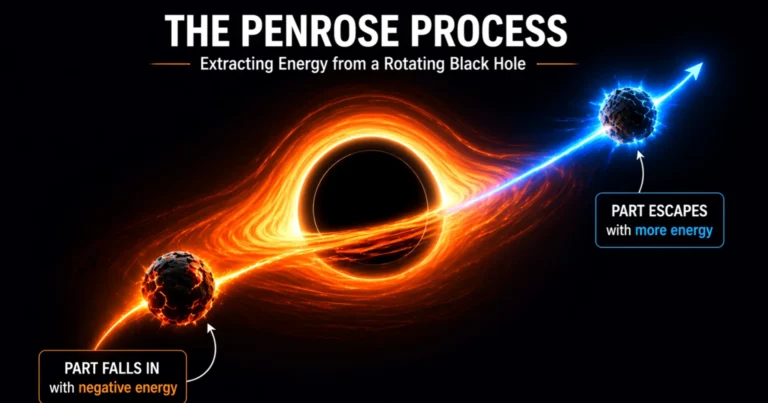
One of its biggest wins involves how black holes spin. By looking at the light reflected off disks of gas around a black hole, XMM-Newton allowed researchers to measure the rotation speed of these cosmic titans. This wasn’t just a fun fact. It proved that black holes are some of the most efficient energy converters in space. The data showed that they spin at nearly the speed of light, dragging the fabric of space-time along with them.
Scientists also used the satellite to hunt for dark matter. It searched for ‘sterile neutrinos,’ which are hypothetical particles that might explain the missing mass in the universe. While it hasn’t caught dark matter red-handed, it did find mysterious X-ray signals in the Andromeda galaxy. These findings pushed physics to the limit. They forced theorists to rethink what kind of particles actually fill our ’empty’ space.
How It Changed Our Understanding
Before this mission, we thought galaxy clusters were Cooling Flows: simple areas where gas just gets cold and settles. XMM-Newton blew that theory apart. It showed that the gas doesn’t cool as fast as we expected. Instead, feedback from black holes keeps the gas hot. This ‘reheating’ process is a primary reason why some galaxies stop making new stars. We went from seeing galaxies as static objects to seeing them as living, breathing systems with internal ‘heating’ cycles.
XMM-Newton Technology and Hardware
The mirrors on this telescope aren’t like the one in your bathroom. They’re 58 nested gold-coated shells designed to catch X-rays at a very shallow angle. If the X-rays hit a mirror directly, they’d just pass through. These ‘grazing incidence’ mirrors funnel the light toward the cameras. They provide more collecting area than any other X-ray satellite ever built. It’s essentially a massive light-bucket for high-energy photons.
Inside the satellite, three instruments work at the same time. The European Photon Imaging Camera (EPIC) takes the pictures, while the Reflection Grating Spectrometer (RGS) breaks the light into a rainbow of colors. We also have an Optical Monitor that takes visible and UV photos simultaneously. This triple-check system lets researchers see an object in multiple ‘flavors’ of light at the same time. It removes the guesswork that often plagues ground-based astronomy.
Challenges and Failures
It hasn’t all been smooth sailing in deep space. Shortly after launch, the satellite’s solar cells started to degrade faster than the [ESA mission overview (https://www.esa.int/ScienceExploration/SpaceScience/XMM-Newton_overview) predicted. Engineers had to get creative. They changed how they pointed the telescope to keep it from getting too hot and to save power. These little tweaks in the flight software saved the mission from an early grave. It’s a proof to how software can fix hardware miles above our heads.
Longevity and Current Status
The mission was only supposed to last two years. It’s now been running for over two decades. This incredible longevity comes down to fuel management. Ground controllers are extremely careful about how they use the thrusters to maintain the satellite’s position. Right now, it’s still healthy and producing papers every month. It doesn’t show signs of stopping, though its fuel will eventually run out sometime in the 2030s.
The XMM-Newton Legacy
This mission paved the way for newer projects like Athena and XRISM. It proved that high-throughput X-ray science is the only way to understand the ‘invisible’ web of gas between galaxies. If you look at any major X-ray study from the last 20 years, it probably cites XMM-Newton data. It taught us how to build better detectors and how to manage large-scale data archives that thousands of people can use for free.
Impact on Science and Humanity
Beyond the technical papers, this mission helped people see that the universe is far from quiet. It’s a place of constant motion and energy. Most people see stars as eternal dots, but this telescope showed they’re energetic dynamos. It gave us a map of the chemical history of the cosmos. Everything from the iron in your blood to the oxygen you breathe was once part of an explosion that XMM-Newton can track through the fossil record of X-rays.
FAQs About XMM-Newton
-
What does XMM-Newton stand for?
The ‘XMM’ stands for X-ray Multi-Mirror. The name ‘Newton’ was added later to honor Sir Isaac Newton. It reflects the telescope’s focus on gravity and light.
-
Is XMM-Newton better than Chandra?
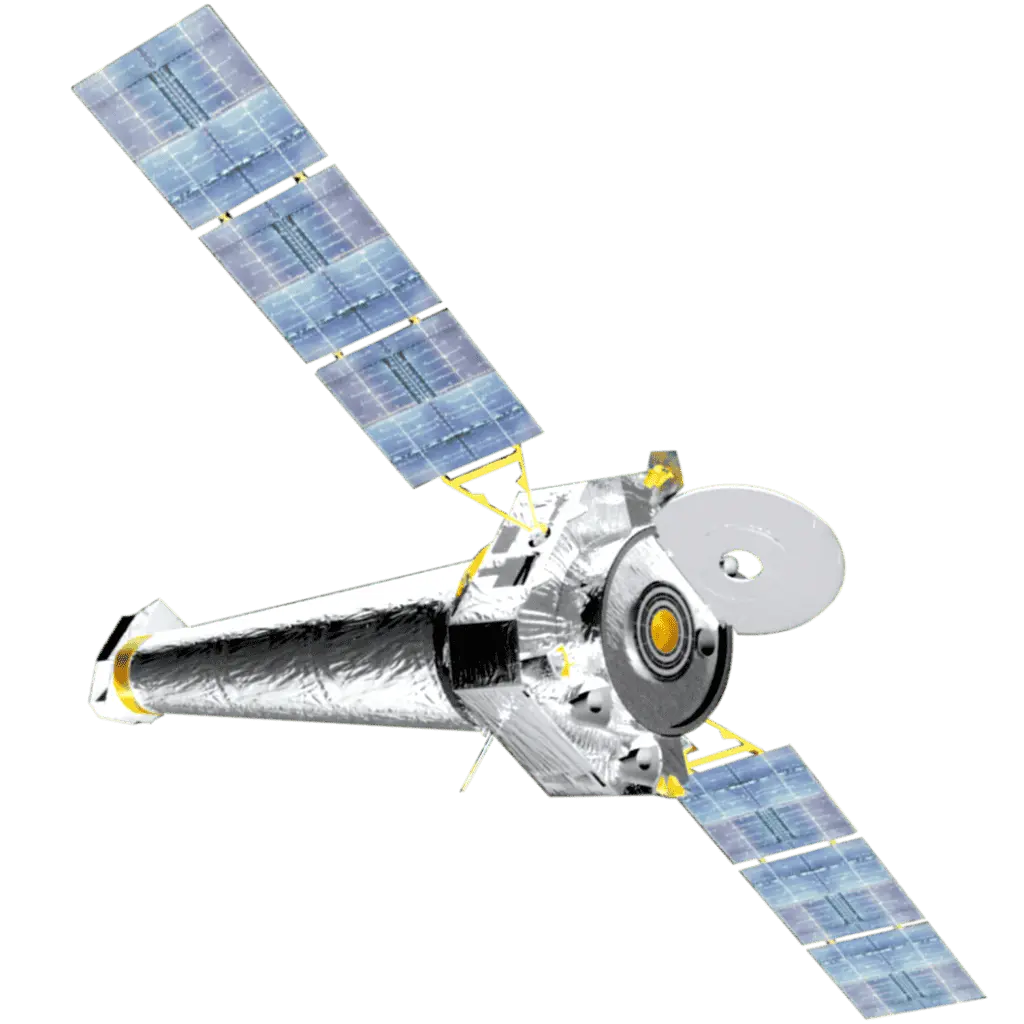
They’re partners, not rivals. Chandra is better at taking sharp, detailed photos. XMM-Newton is better at collecting more light to see faint objects and analyze their chemistry.
-
Can you see XMM-Newton from Earth?
No, it’s far too small and stays way too high in its elliptical orbit. You’ll need professional tracking software just to know its general location in the sky.
-
How does it send data to Earth?
It uses high-gain antennas to beam data to ground stations in places like Spain and Australia. The data is then processed at the ESAC facility.
-
Why is it in such a weird orbit?
The long, oval orbit keeps it away from Earth’s background noise. This allows for long ‘stares’ at distant targets, sometimes for up to 40 hours at a time.
Final Thoughts
The success of XMM-Newton reminds us that space exploration is about more than just landing on planets. It’s about looking into the heart of the most extreme environments in nature. It’s a bridge between our small world and the immense forces of the galaxy. As it continues its loop around Earth, it keeps answering questions we didn’t even know how to ask twenty years ago. The universe is loud, violent, and beautiful, and we’re lucky to have a front-row seat.