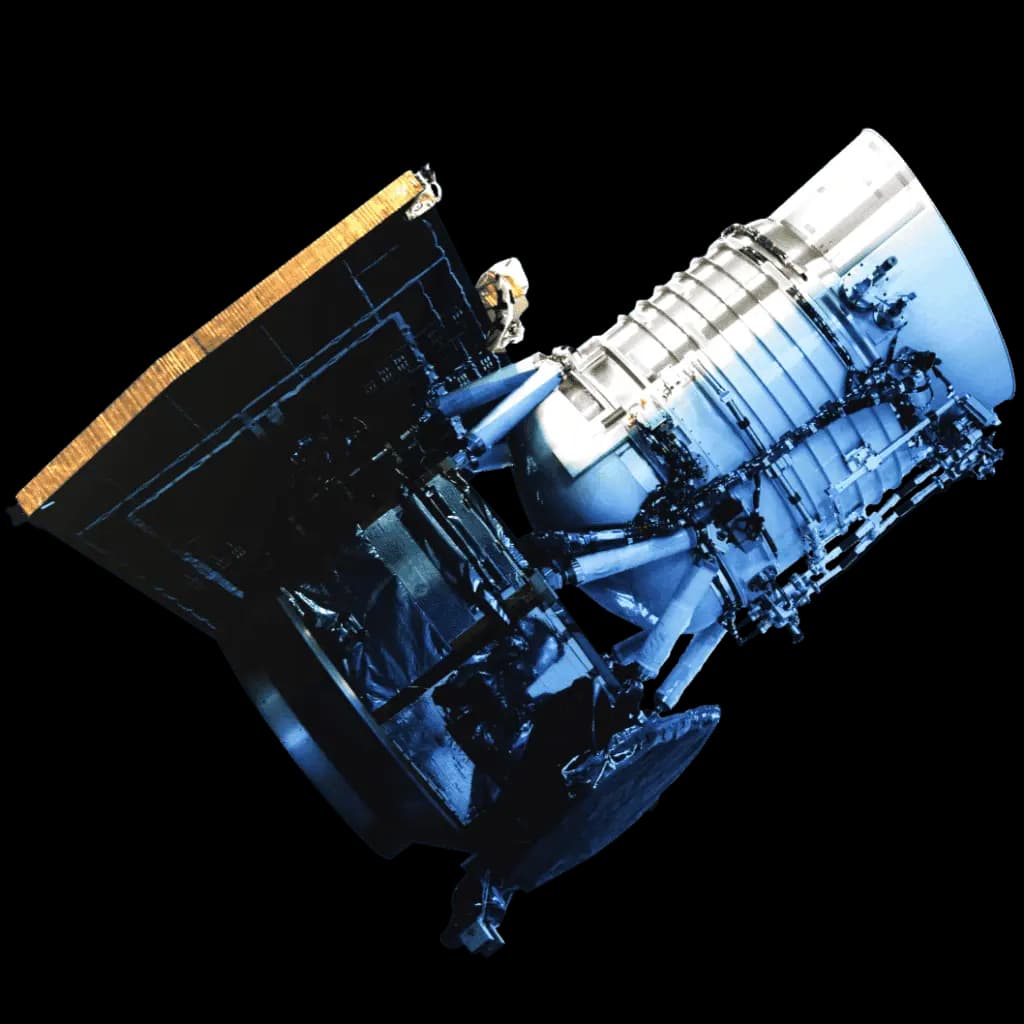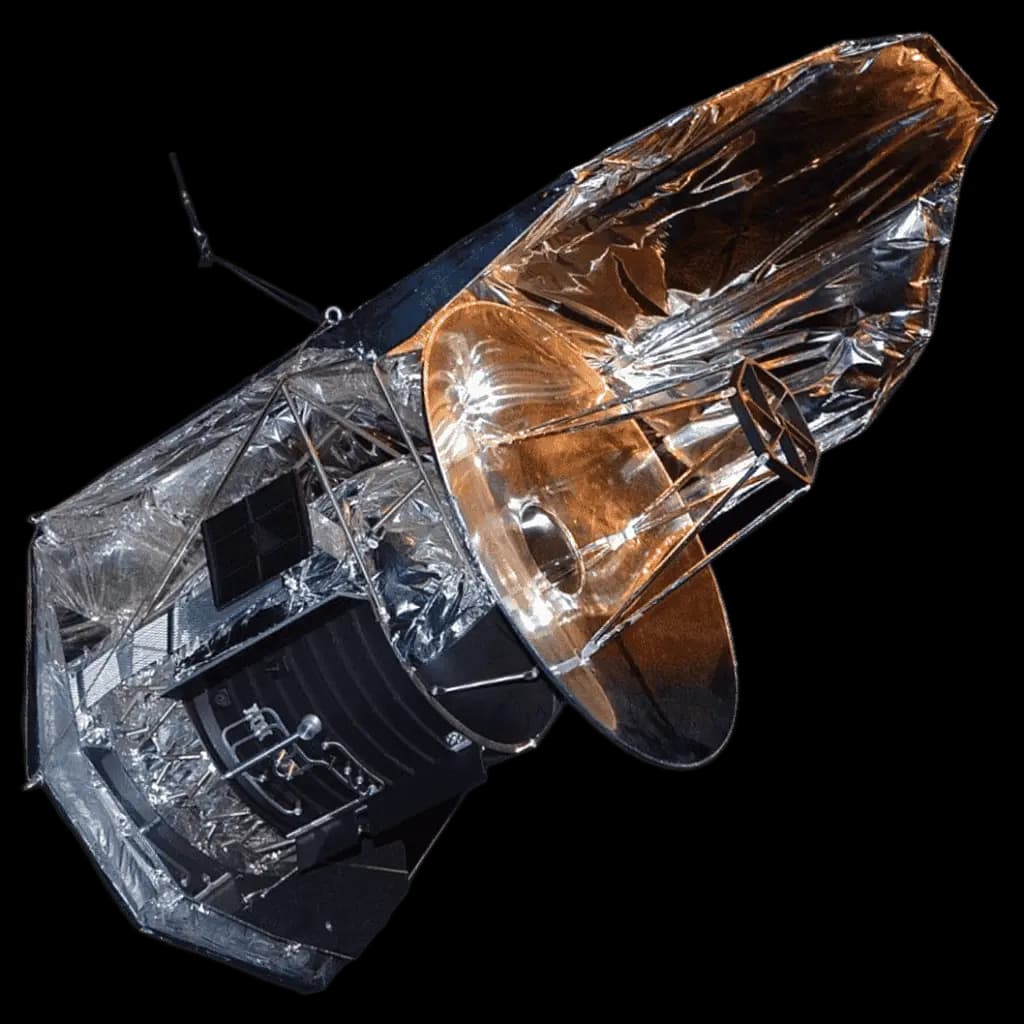
The Herschel Space Observatory didn’t just look at stars, and it looked at the cold, dark places where stars are born. Back in 2009, this mission changed how we see the ‘unseen’ universe by capturing far-infrared light. You won’t find a more powerful tool for studying cosmic dust. Its findings remain the gold standard for astronomers even in 2026.
What’s the Herschel Space Observatory?
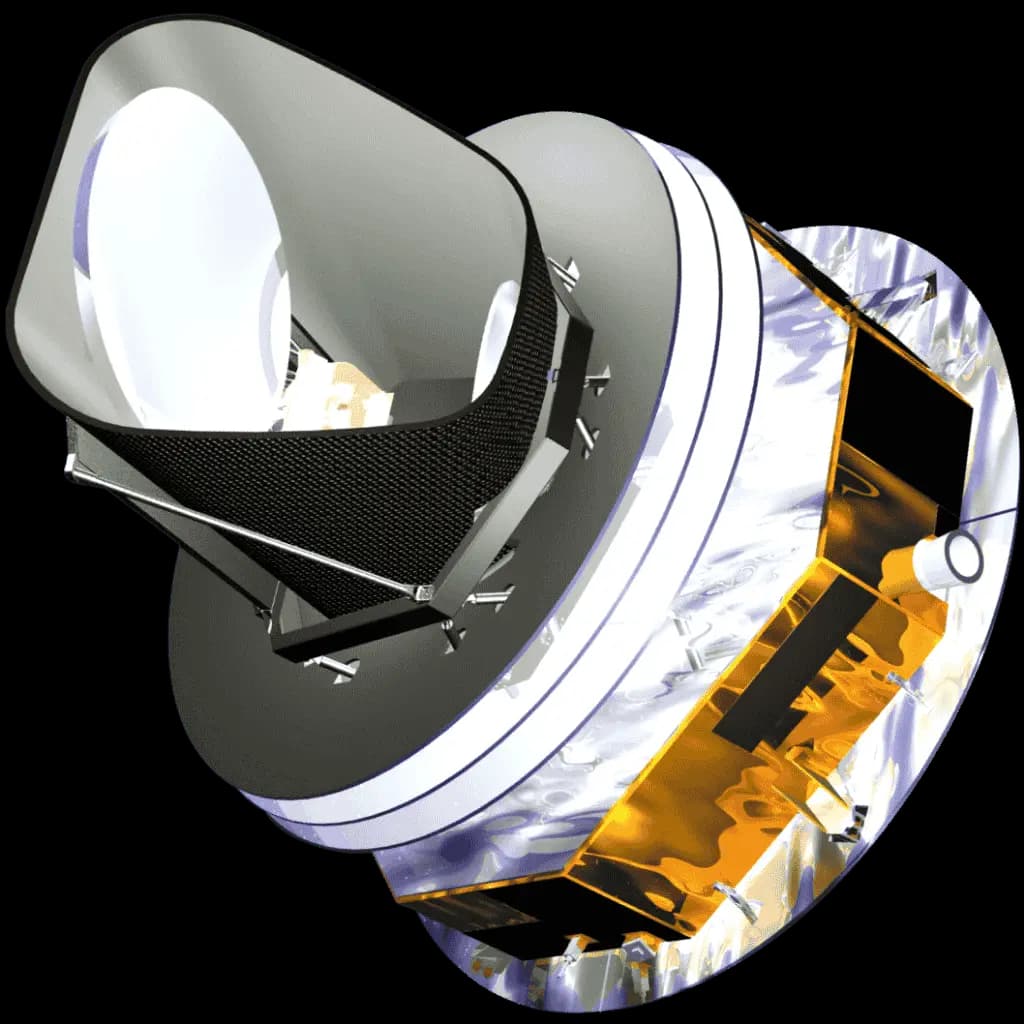
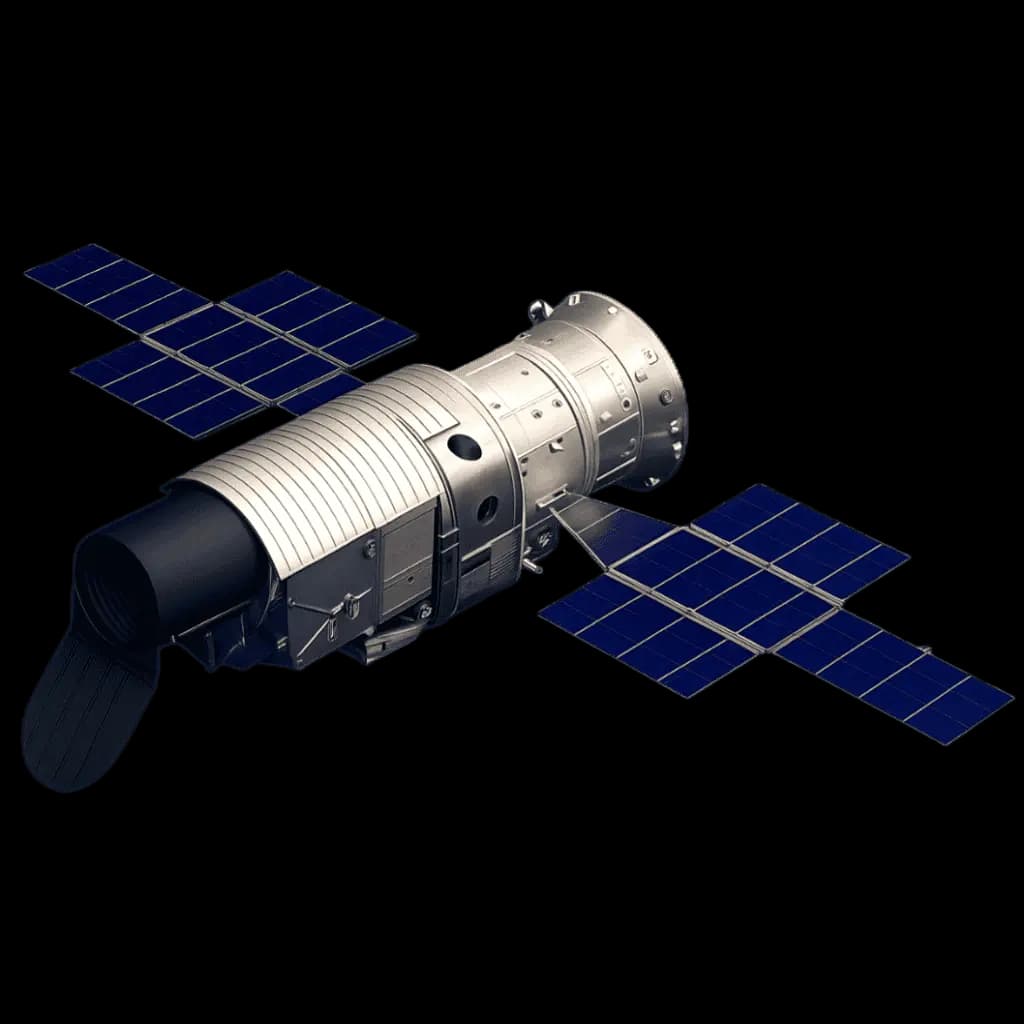
The European Space Agency (ESA) led this mission with help from NASA. It launched in May 2009 alongside the Planck satellite. This giant observatory headed for the second Lagrange point (L2), nearly a million miles from Earth.
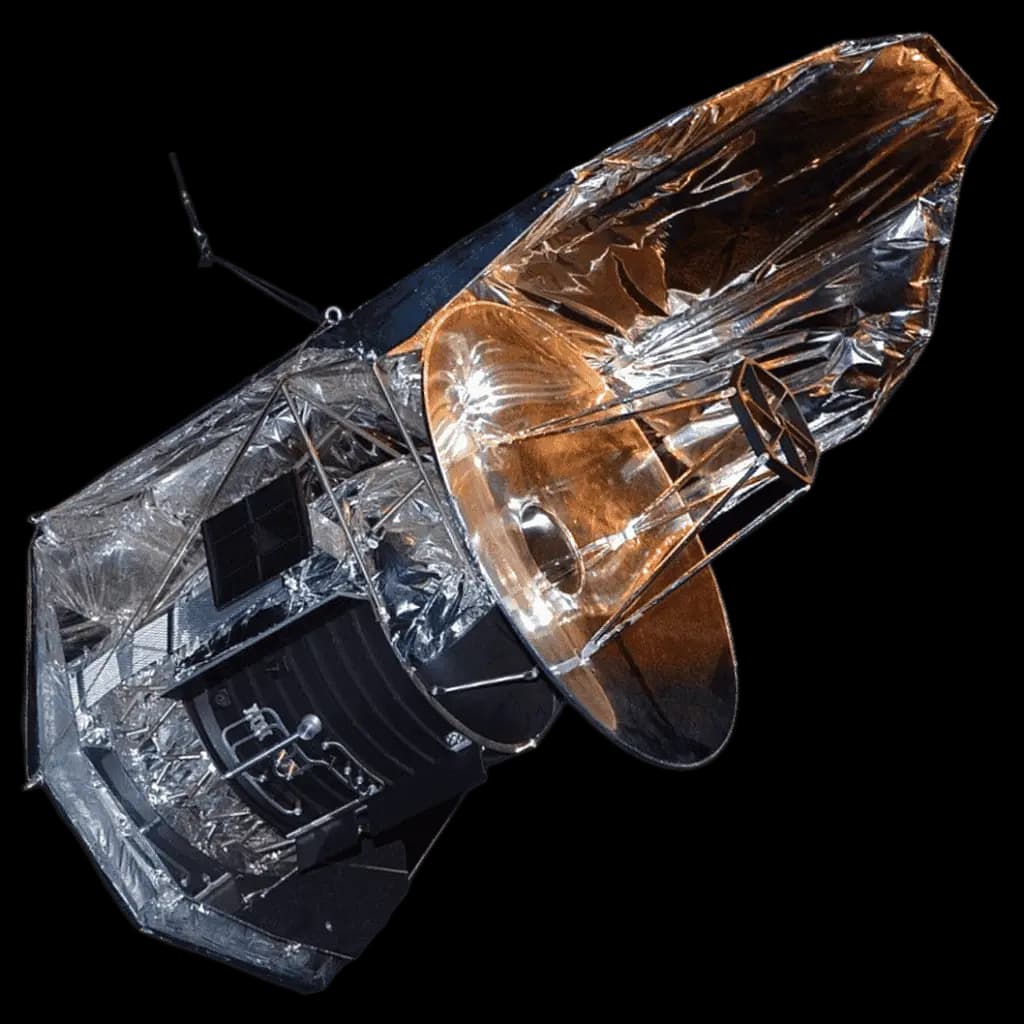
It was a far-infrared telescope designed to sense heat from the coldest objects in space. While optical telescopes see starlight, Herschel saw the glow of dust. We call it a ‘space observatory’ because it functioned like a massive mountain-top facility, just floating in a deep freeze.
Purpose and Mission Objectives of the Herschel Space Observatory
The primary goals were simple but hard to achieve:
- Study how the first galaxies formed in the early universe.
- Dig into the chemistry of the ‘interstellar medium.’
- Track the birth of stars within thick clouds of gas.
- Search for water in planets and comets.
ESA wanted to understand why some gas clouds collapse into stars while others stay quiet. They also wanted to map the chemical makeup of space. Finding water in young star systems proved these regions could eventually host life.
Key Discoveries of the Herschel Space Observatory
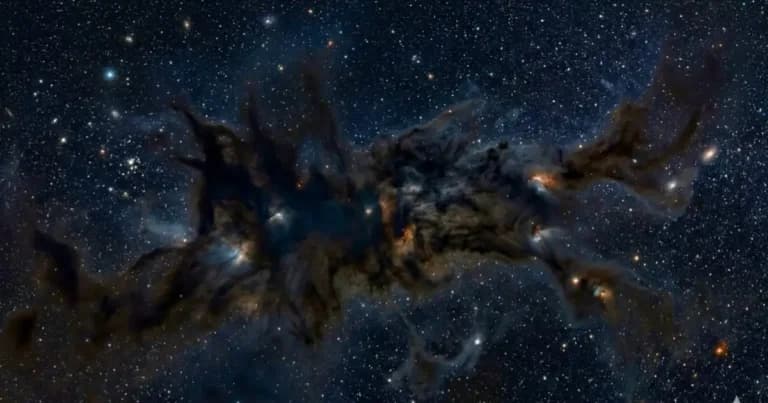
One of the biggest shocks came from the ‘filaments’ found in star-forming clouds. We used to think stars popped up randomly. Herschel showed that gas forms massive, spider-web-like threads first. Stars then grow like beads on a string along these cold filaments. I’ve looked at the raw PACS data, and those threads are surprisingly uniform in width.
Another massive win was finding water vapor in a ‘protoplanetary disk.’ The Herschel Space Observatory found enough water in a single disk to fill Earth’s oceans thousands of times over. This proved that water is common in the solar systems being built today, and it also confirmed that oxygen exists in space as molecules, solving a decades-old mystery.
How It Changed Our Understanding
Before this mission, we guessed how dust influenced galaxy growth. Herschel turned those guesses into hard data. It proved that ‘starburst’ galaxies in the early universe created stars much faster than we ever imagined.
Scientists used to assume space was mostly empty between stars, and but this mission revealed a complex, chemical soup. We stopped seeing dust as an annoyance that blocked our view. Instead, we started seeing it as the building block of everything.
Technology Behind the Herschel Space Observatory
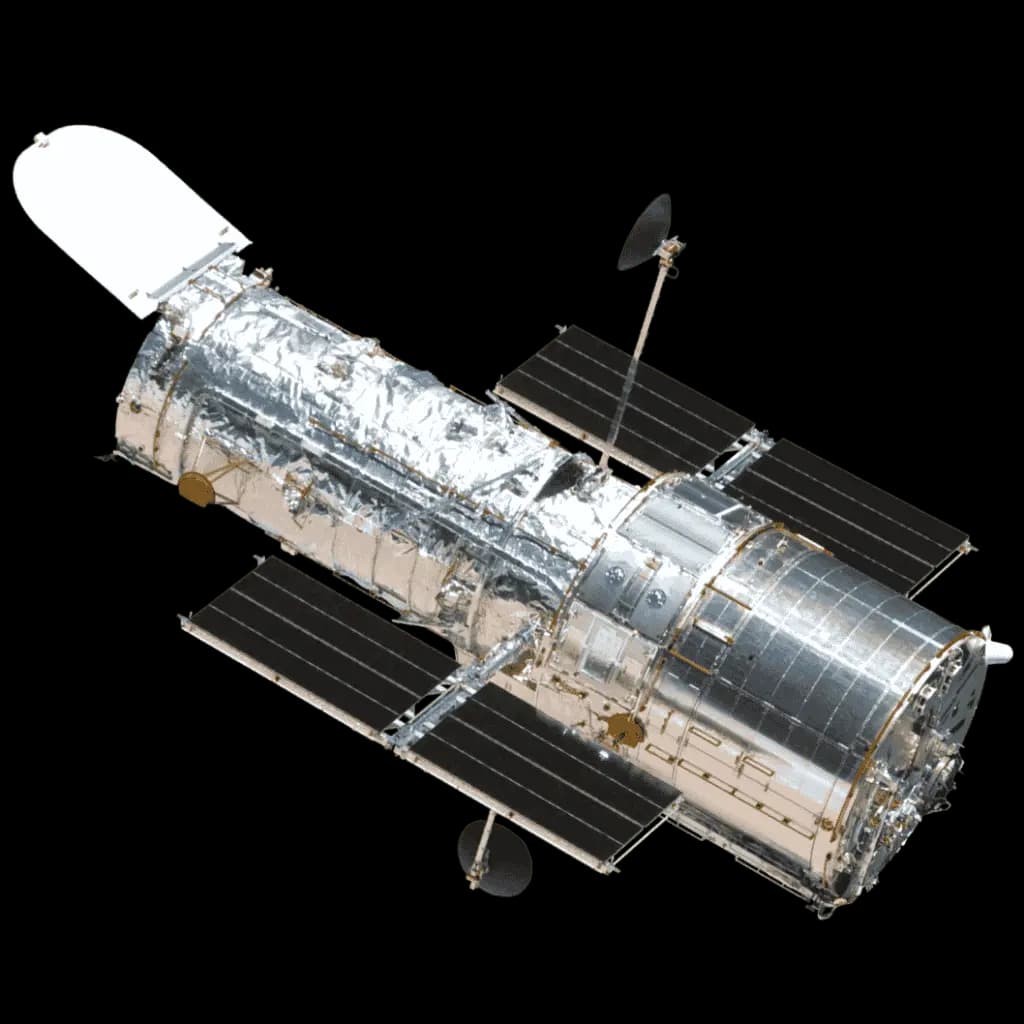
The telescope featured a 3.5-meter primary mirror. At the time, it was the largest single mirror ever sent into space. It dwarfed the mirror on the Hubble Space Telescope. To stay sensitive, the instruments had to stay incredibly cold: near absolute zero.
Inside, a massive tank of liquid helium cooled the sensors. It used three main tools: HIFI, PACS, and SPIRE. These allowed it to see wavelengths that our atmosphere normally blocks. This unique engineering made it the only eye capable of seeing the coldest parts of the cosmos with such high resolution.
Challenges and Failures
Keeping it cold was the biggest hurdle. The telescope required over 2,300 liters of superfluid helium to function. Engineers knew from day one that the mission would end once the coolant ran out. There was no way to refuel it so far from Earth.
A few technical glitches hit the HIFI instrument early on, and high-energy particles in space caused an electronic fail. The team had to shut it down for months while they worked out a software fix. They eventually brought it back online, proving that remote fixes can save a billion-dollar project.
Longevity and Current Status
The mission officially ended in April 2013. The liquid helium finally evaporated, and the ‘eye’ went blind. ESA controllers sent a final command to move the Herschel Space Observatory into a graveyard orbit around the Sun.
It isn’t active anymore, but its data is very much alive. Even today in 2026, researchers are still publishing new papers using its archive. It’s a dead machine that’s still teaching us new things every year.
Legacy and Future Impact of the Herschel Space Observatory
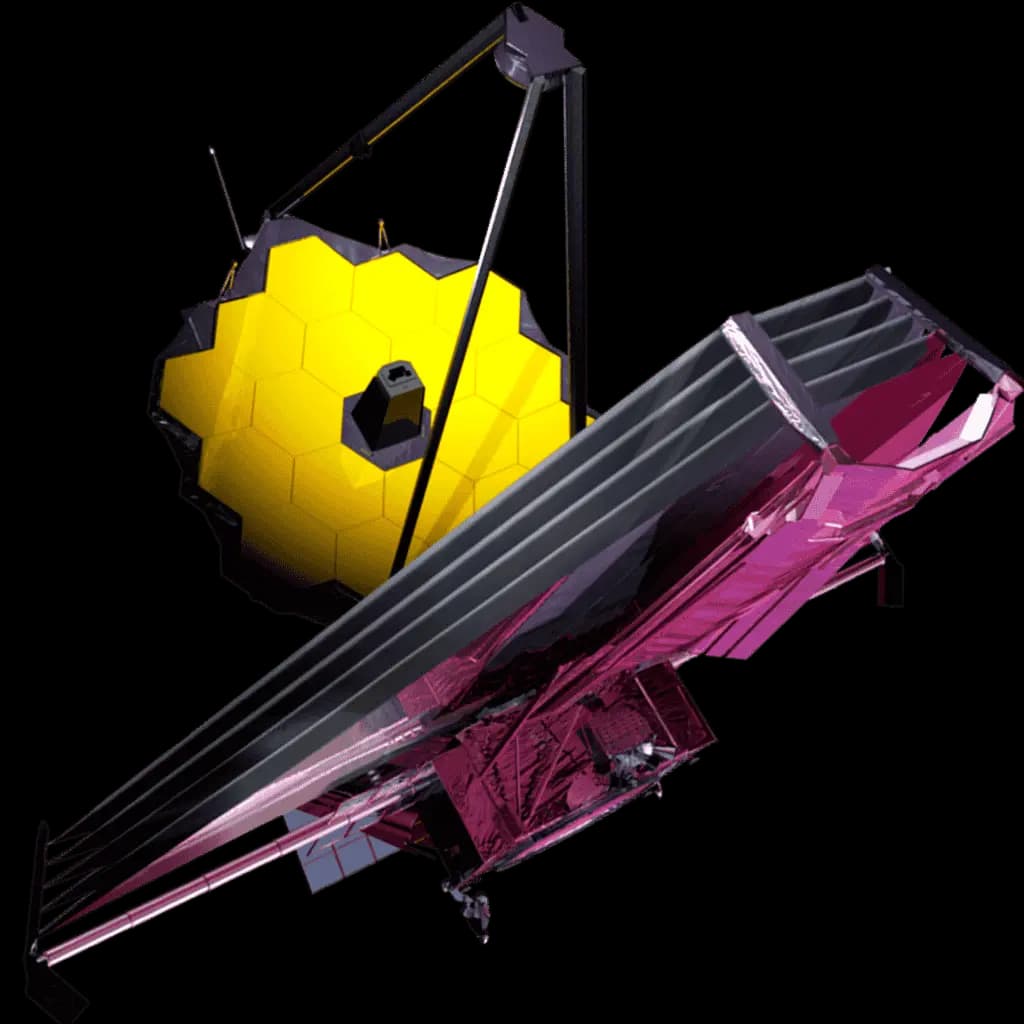
This mission paved the road for the James Webb Space Telescope (JWST). While JWST sees mid-infrared, it relies on the maps Herschel made to know where to look. Scientists now use Herschel’s wide-sky surveys to pick specific targets for JWST’s narrow, deep dives.
Future missions to find ‘Earth 2.0’ owe a lot to this satellite. It taught us how to manage cryogenics in deep space and how to handle massive datasets. Its legacy is found in every new map of the Milky Way we produce.
Impact on Science and Humanity
The Herschel Space Observatory gave us a ‘weather map’ for the universe. It showed that space isn’t just a void: it’s a factory. This mission helped the public understand that we’re literally made of ‘star stuff’ processed through cosmic dust.
It pushed the limits of European engineering and united nations in a common goal. Its beautiful, glowing images of nebulae have inspired a new generation of physics students. Culturally, it moved our focus from bright stars to the quiet, dark places where everything begins.
FAQs About Herschel Space Observatory
-
Is the Herschel Space Observatory still working?
No. It ran out of liquid helium in 2013. This coolant was needed to keep the instruments sensitive enough to detect faint heat from space. Without it, the telescope can’t see its targets.
-
How big was the mirror on the Herschel Space Observatory?
The mirror was 3. 5 meters (about 11, and 5 feet) wide. It was made of silicon carbide. This was the largest mirror launched into space until much later missions.
-
What did Herschel find out about water?
It found that water is everywhere in space. It detected water in star-forming regions and in the disks of gas where planets form. Still, it even found water on the comet 103P/Hartley 2, matching the type found in Earth’s oceans.
-
Where is the telescope now?
It’s in a ‘heliocentric’ orbit. This means it circles the Sun. ESA moved it there to ensure it wouldn’t drift back toward Earth or interfere with other satellites at the L2 point.
-
Why was it called Herschel?
It was named after William Herschel. He was the astronomer who discovered infrared radiation in 1800. It’s a tribute to the man who first ‘saw’ invisible light.
Final Thoughts
Looking back at the Herschel Space Observatory reminds us that the quietest parts of the universe hold the loudest secrets. It changed our perspective from seeing stars as lights in the sky to seeing them as products of a vast, dusty engine. Our map of the cosmos is far more complete today because we dared to look at the cold. Stay curious, because the light it caught millions of years ago is still telling us who we’re.