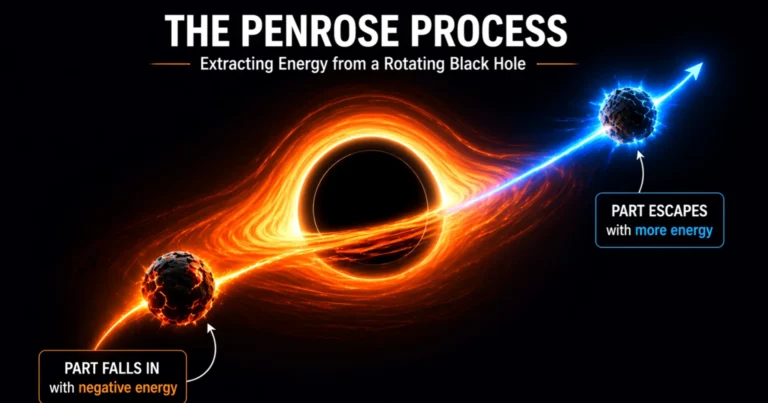
Apr 21
9 min
Penrose Process: Ultimate Way to Harvest Black Hole Energy
Black holes aren’t just cosmic traps, they could be the ultimate energy source. Explore how the Penrose Process allows energy extraction from rotating black holes.
Dispatches from the edge of the observable universe - science, wonder, and the stories between the stars.
Astrophysics uses physics to explain how things in space actually work. Not just what they are, but why they behave the way they do. How does a star produce energy for billions of years? What happens to space and time near a black hole's event horizon? Why is the universe expanding faster than models based on known physics predict?
The questions are hard. The math behind them is harder. But the findings have a way of being genuinely strange in ways that are worth understanding even without a physics background.
Dark matter and dark energy deserve a particular note. The fact that we don't know what they are is not a fringe position. It's the mainstream scientific situation, and honest coverage of astrophysics has to sit with that uncertainty rather than paper over it.
We write about astrophysics for readers who are curious and willing to go deeper, but don't have a graduate level background in physics. The goal is accurate, not oversimplified.
[ SHOWING 8 OF 8 ENTRIES ]
Black holes aren’t just cosmic traps, they could be the ultimate energy source. Explore how the Penrose Process allows energy extraction from rotating black holes.
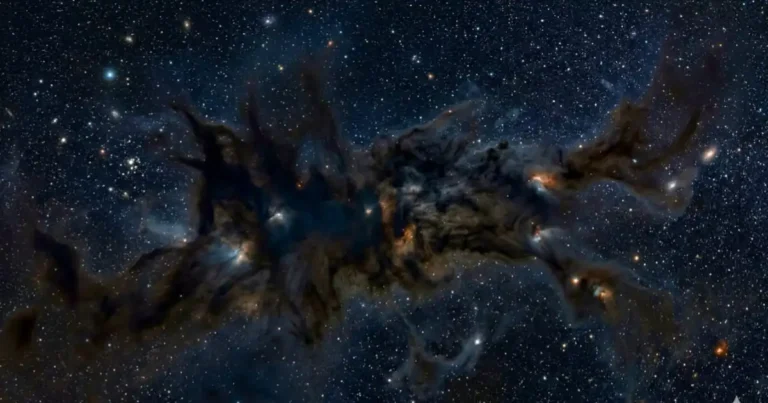
Stars don’t just appear in the night sky. They form deep inside cold molecular clouds where gravity slowly pulls gas together until nuclear fusion ignites. This article breaks down the process from collapse to protostar to full-fledged star, keeping the physics clear without losing the sense of scale and wonder behind it.
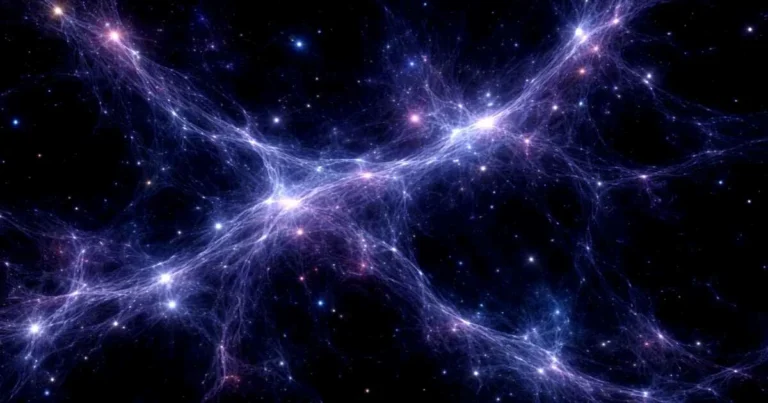
Dark matter makes up most of the universe, yet we can’t see or touch it. From galaxy rotations to gravitational lensing, discover how scientists are uncovering the universe’s invisible framework, and what it might reveal about the true nature of reality.
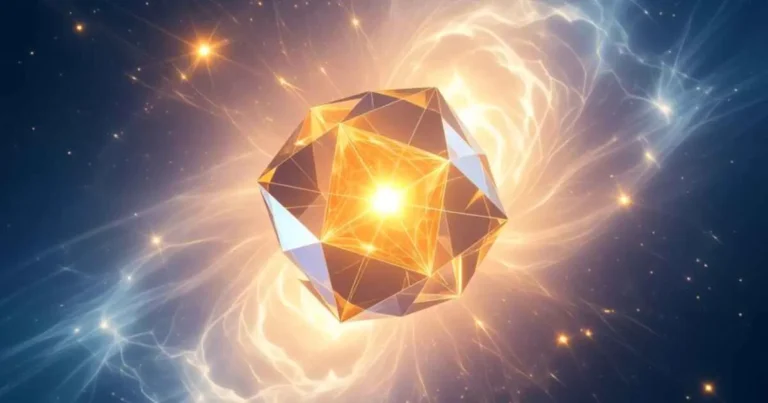
Neutron stars may hold the strangest secret yet: time crystals, repeating not in space but in time. If proven, this idea could rewrite physics itself.
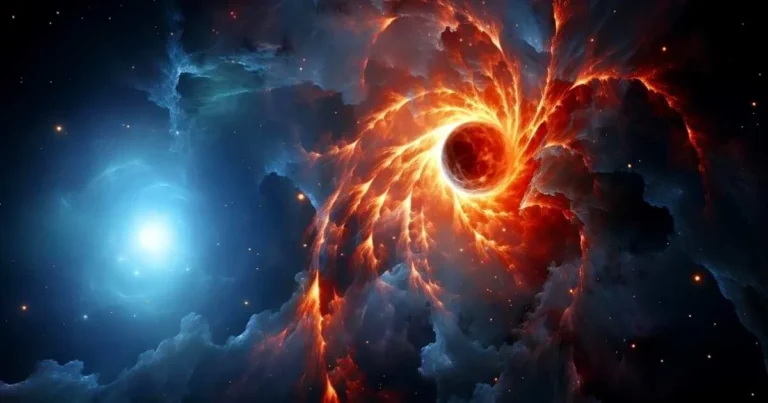
Axion stars are hypothetical celestial objects composed entirely of dark matter particles called axions. These mysterious stars could mimic neutron stars while emitting unusual signals, offering a potential key to unlocking the true nature of dark matter and reshaping our understanding of the universe.
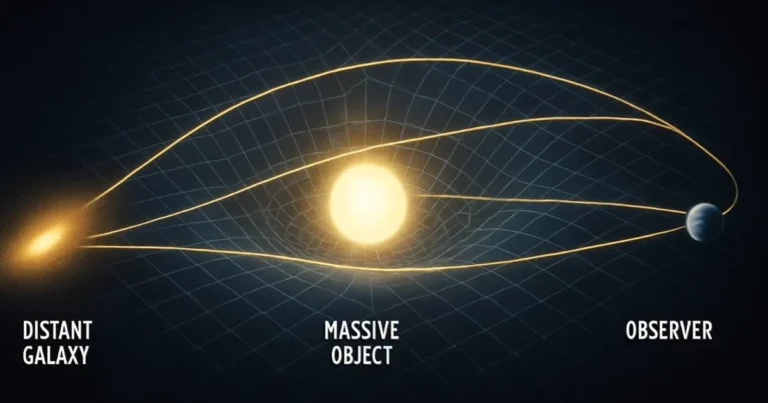
Explore how gravitational lensing bends light, magnifies distant galaxies, and reveals dark matter—unlocking the secrets of the cosmos.
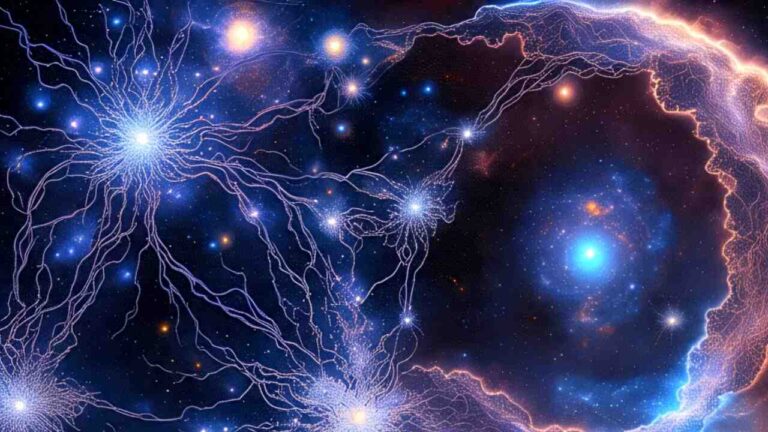
Explore cosmic filaments, the universe’s neural network connecting galaxies. Discover how the cosmos mirrors the structure of the human brain.
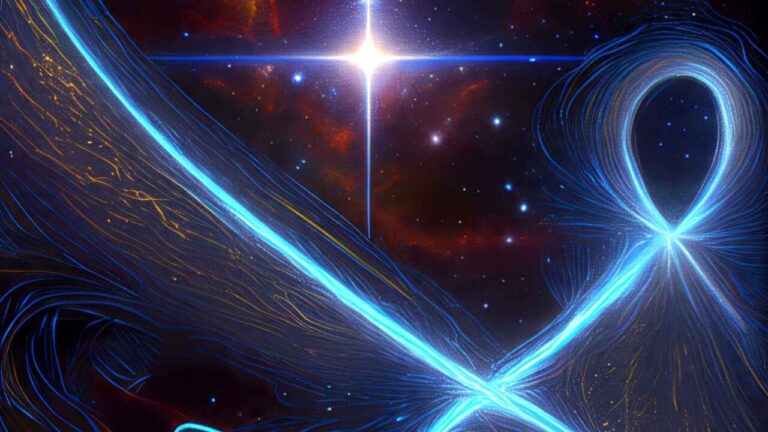
Explore 7 hidden forces of intergalactic magnetic fields and how they shape galaxies, cosmic rays, and the universe. Unlock cosmic mysteries with us.


